
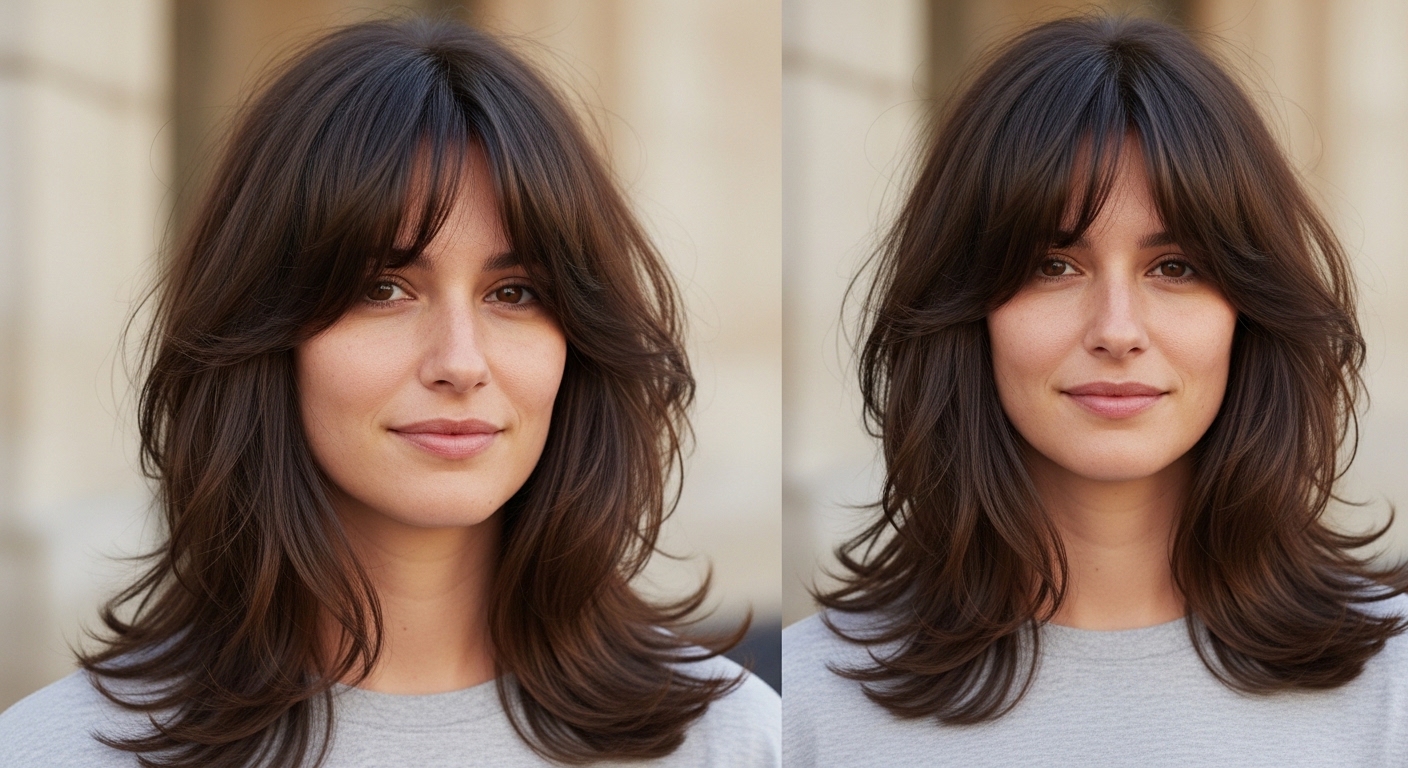
I chopped bangs after a string of bad hair days and a stylist who actually listened. Some cuts flopped. Some grew out awkwardly.
I learned what my heart-shaped face needs: balance at the forehead, soft movement, and bangs that play well with texture. These are the bangs I lived with, fixed, and finally felt confident wearing.
25 Real Bangs For Heart Shaped Face
I picked 25 bangs for heart shaped face that I actually tried or watched closely on friends. Each idea is grounded in how it behaves day-to-day and how to ask for it at the salon. Expect real wear notes and one clear tip per look.
1. Soft Curtain Bangs That Soften a Wide Forehead
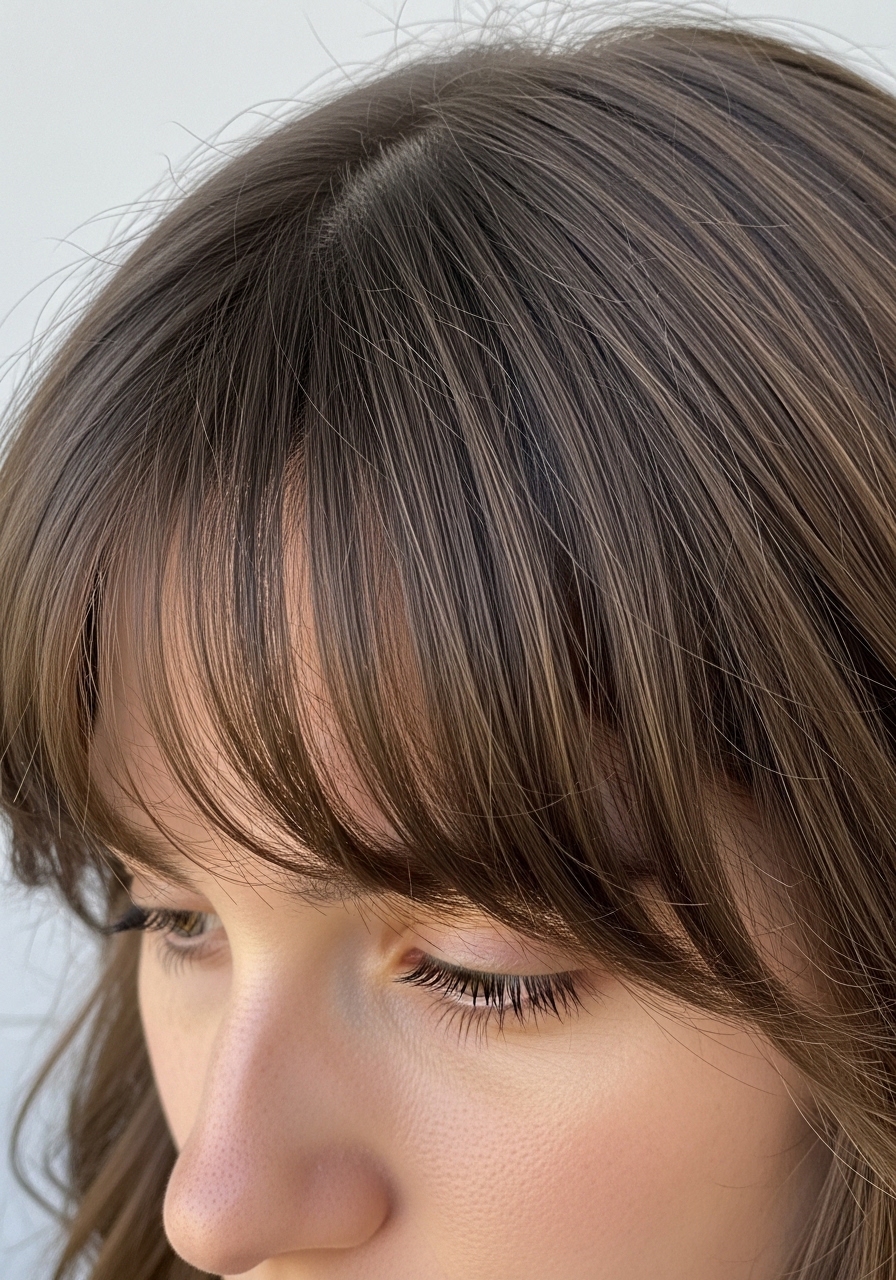
I asked my stylist for long curtain bangs that part in the middle and sweep to the cheekbones. They hugged my forehead without hiding it, which is what I needed for my heart shape. The first few days they flipped oddly at the ends; I over-trimmed once out of impatience.
They settle with a quick blow-dry using a round brush or air-dry into natural waves. They work for fine hair when cut thinner at the ends, and for thicker hair when thinned through the center. My tip: tell your stylist you want weight removed from the middle, not the sides, so they frame your face instead of pulling attention upward.
2. Side-Swept Bangs That Blend Into Layers
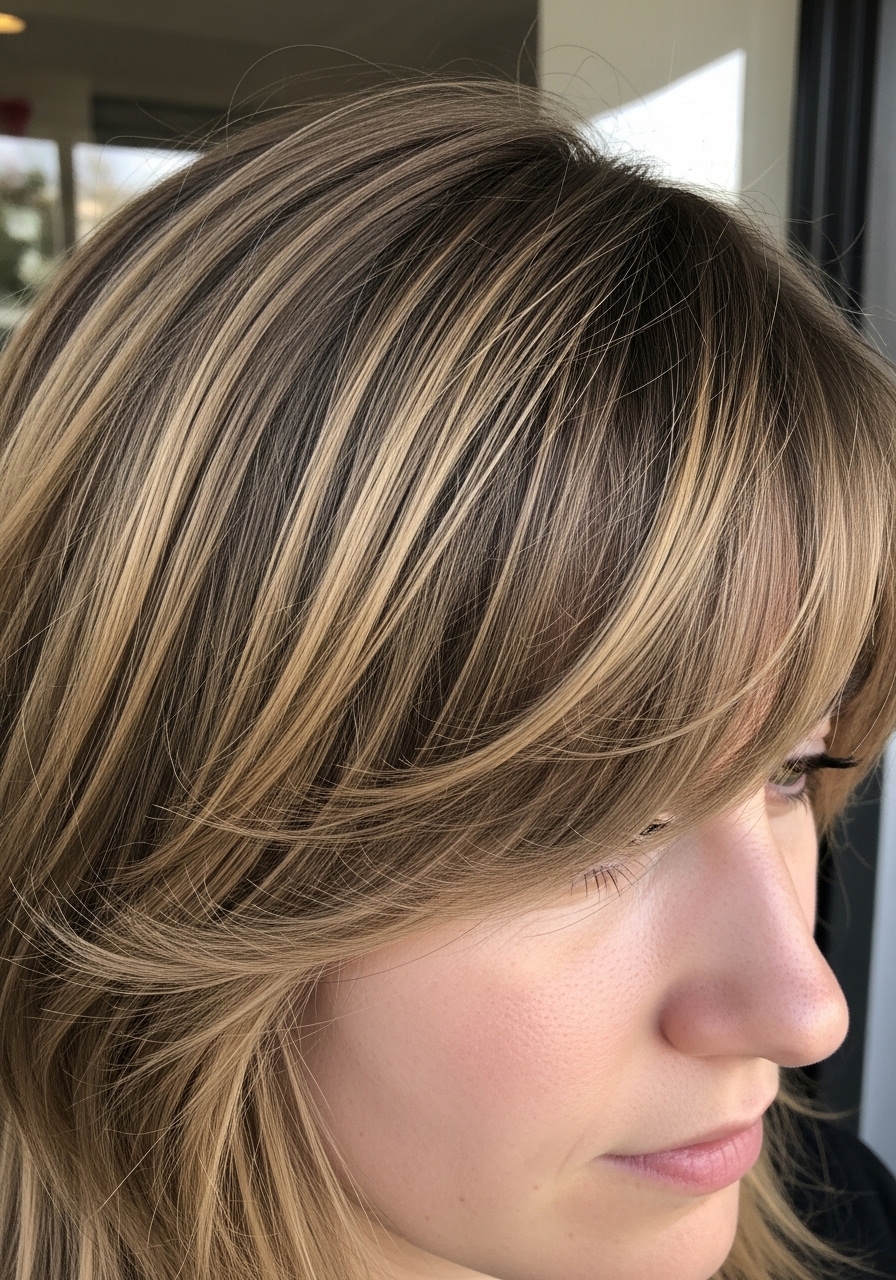
I asked for side-swept bangs to avoid a heavy forehead look. They swing across my face and tuck behind one ear when I want. The first month they were too long and constantly in my eyes — I learned to ask for a slightly shorter start length.
They look relaxed on straight hair and romantic on loose waves. For thick hair, my stylist thinned the base so the bang didn’t sit like a block. My go-to: train the part with a flat iron for a few quick passes in the morning; it keeps the sweep where I want it without looking stiff.
3. Blunt Fringe Cropped Above Brows for Drama
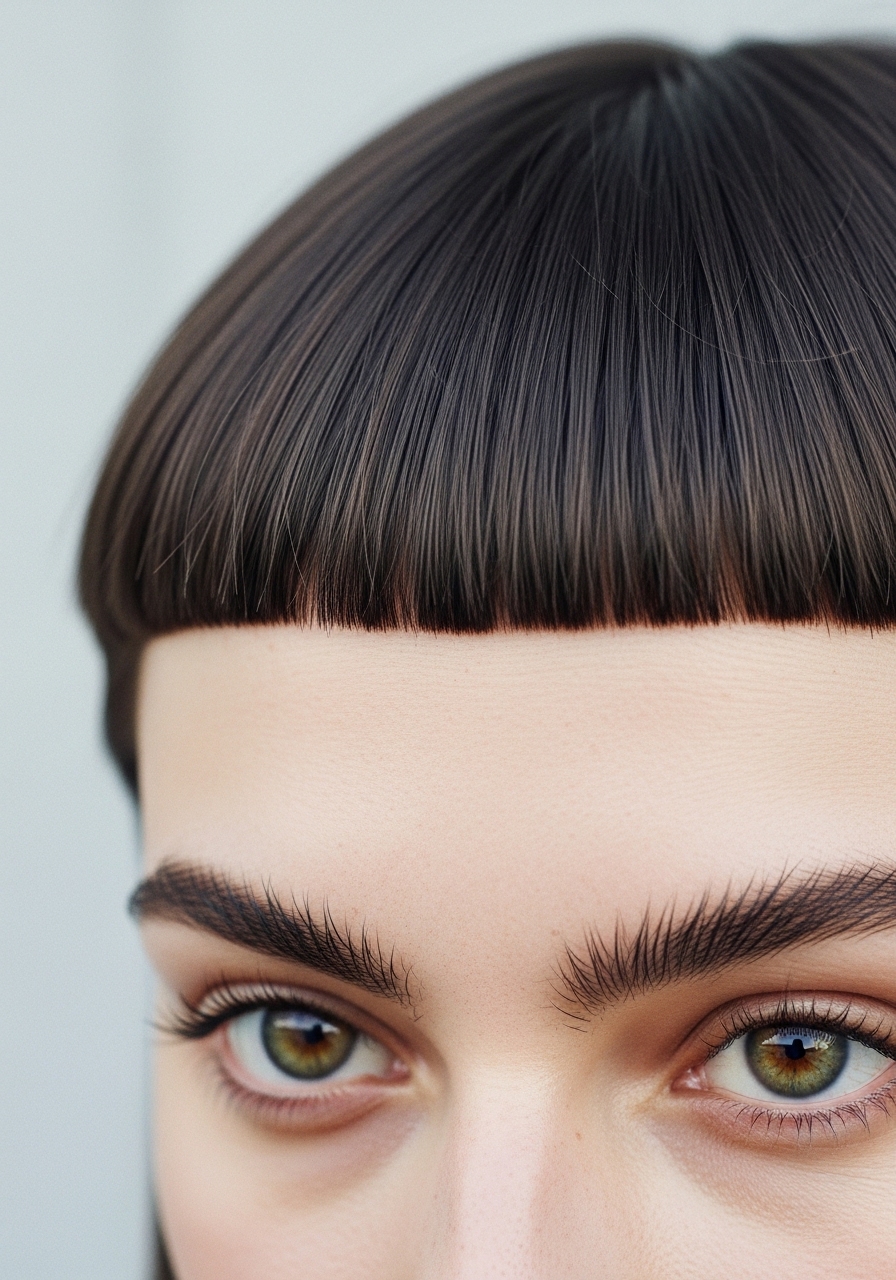
I went blunt once because I was tired of moving hair off my face. It felt bold and centered my features. Reality check: blunt fringes show every cowlick and need frequent trims — I chipped a scissors-hand Sunday and regretted grown-out edges.
This cut suits straighter textures best. If you have thick hair, ask for subtle point-cutting at the ends so it doesn’t sit too heavy. My honest tip: keep a small travel comb and dusting trims every 3–4 weeks. I learned that blunt is high-maintenance but very wearable if you like a defined line.
4. Long Wispy Bangs That Grow Out Gracefully

I wanted bangs that wouldn’t require a strict upkeep schedule, so I tried long wispy ones. They tuck into the rest of my hair as they grow, which saved me from awkward regrowth stages. My mistake: I asked for “wispy” but not enough weight was taken, so they flopped flat the first week.
They’re forgiving on slightly wavy hair and add softness to a pointed chin. I tell the stylist to thin through the center and keep length past the brows. My small trick: finger-combing with a touch of texturizing spray in the mornings gives life without fuss.
5. Micro Bangs With Soft Edges for a Bold Accent
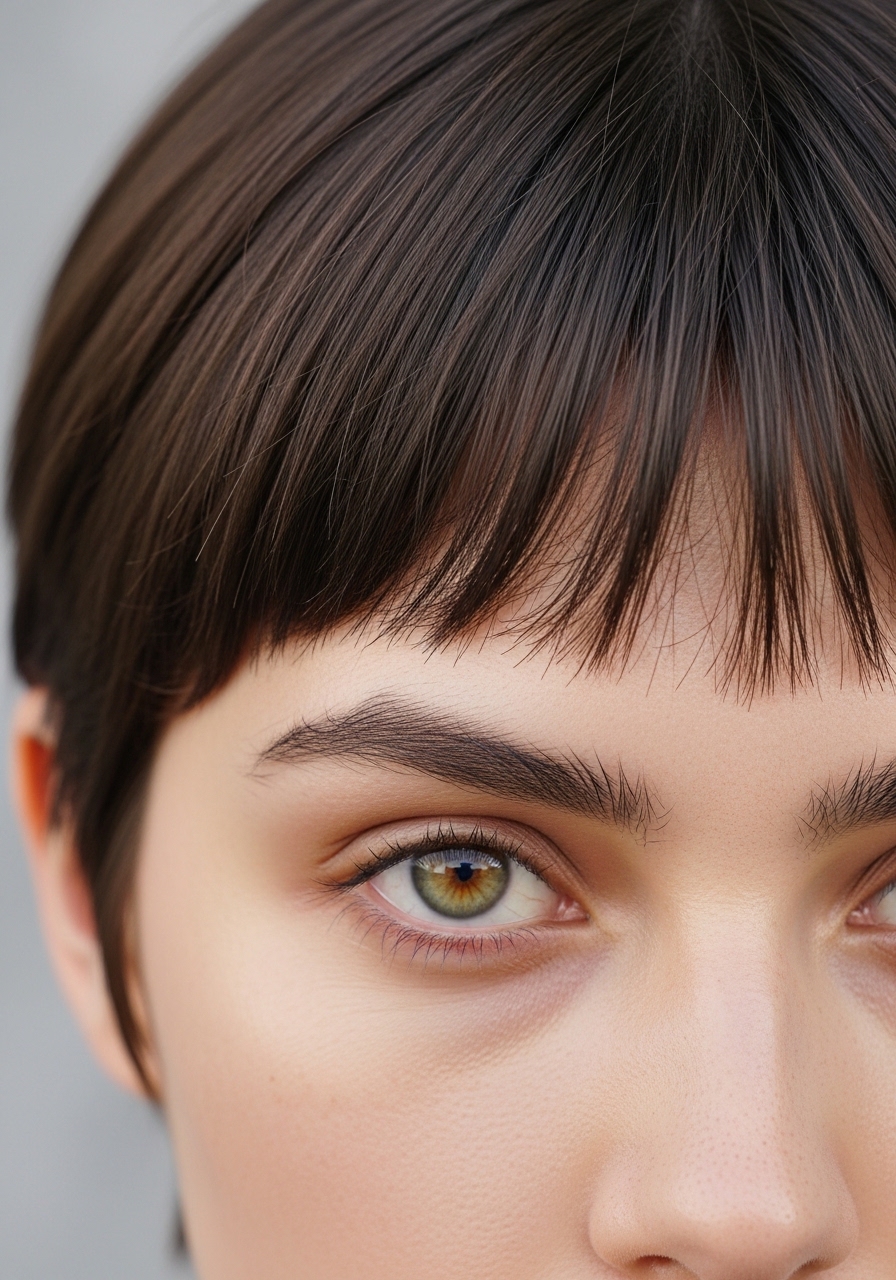
I tried micro bangs hoping for an edgy refresh. They make my forehead the star in a restrained way. I underestimated how fast they’d demand trims — I let one grow too long and spent an awkward month pushing them aside.
These suit straighter, finer hair best; curly textures need longer micro bangs or they puff. When I ask the stylist, I say “short, but point-cut so it reads soft up close.” My wearable tip: use a flat iron on a low pass to smooth the edges and avoid looking too severe.
6. Feathered Bangs That Work With Natural Waves
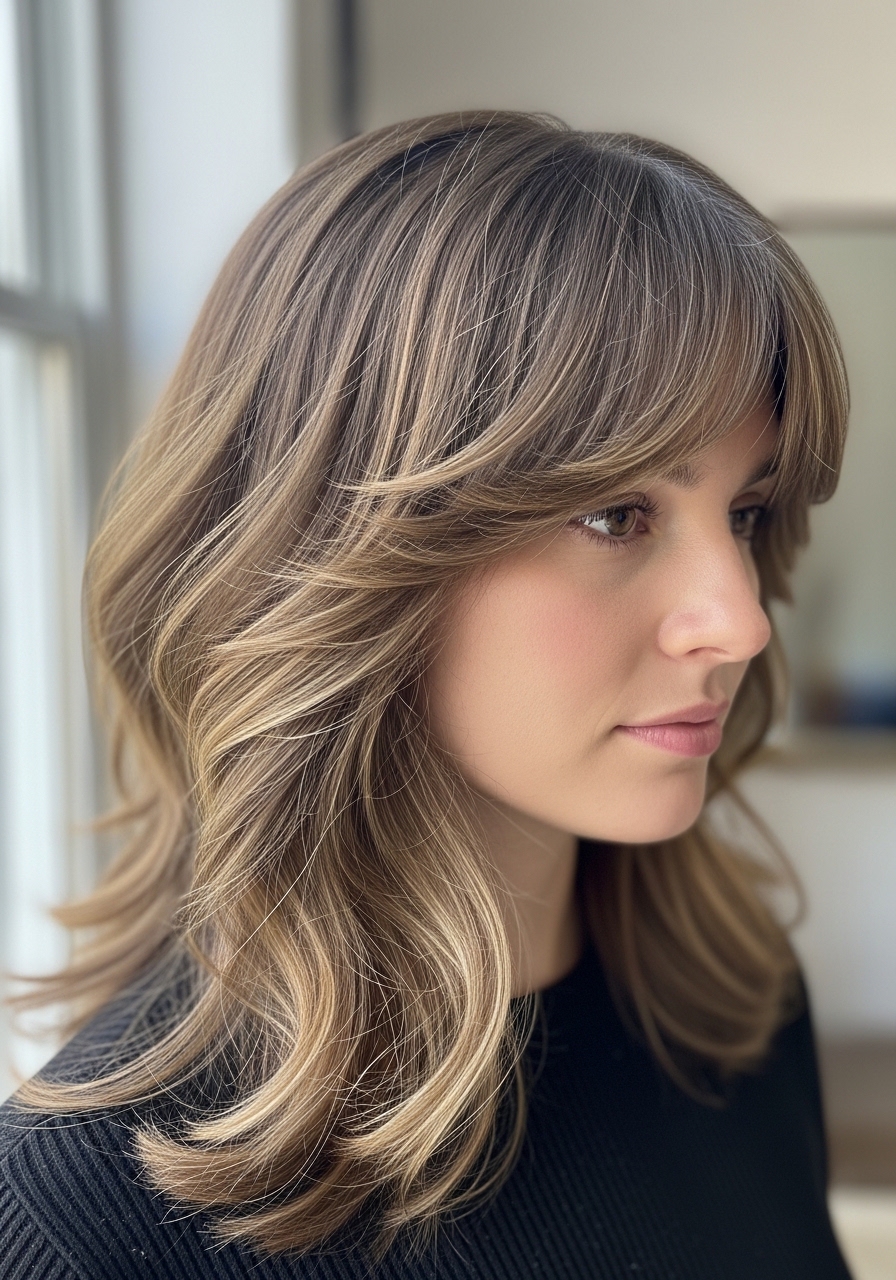
I grew feathered bangs because I wanted something airy that went with my waves. They break up heaviness at the forehead and ride with my natural pattern. Early on, I over-styled them with heat and lost the soft feathering — learned to let them air-dry more.
Feathering is forgiving for thick hair — it removes bulk — and for wavy hair it blends into the rest of the length. I tell my stylist to use scissors vertically for soft layers. My tip: scrunch with a small amount of curl cream and finger-style to keep the feathering alive.
7. Arched Side Fringe That Lifts the Cheekbones
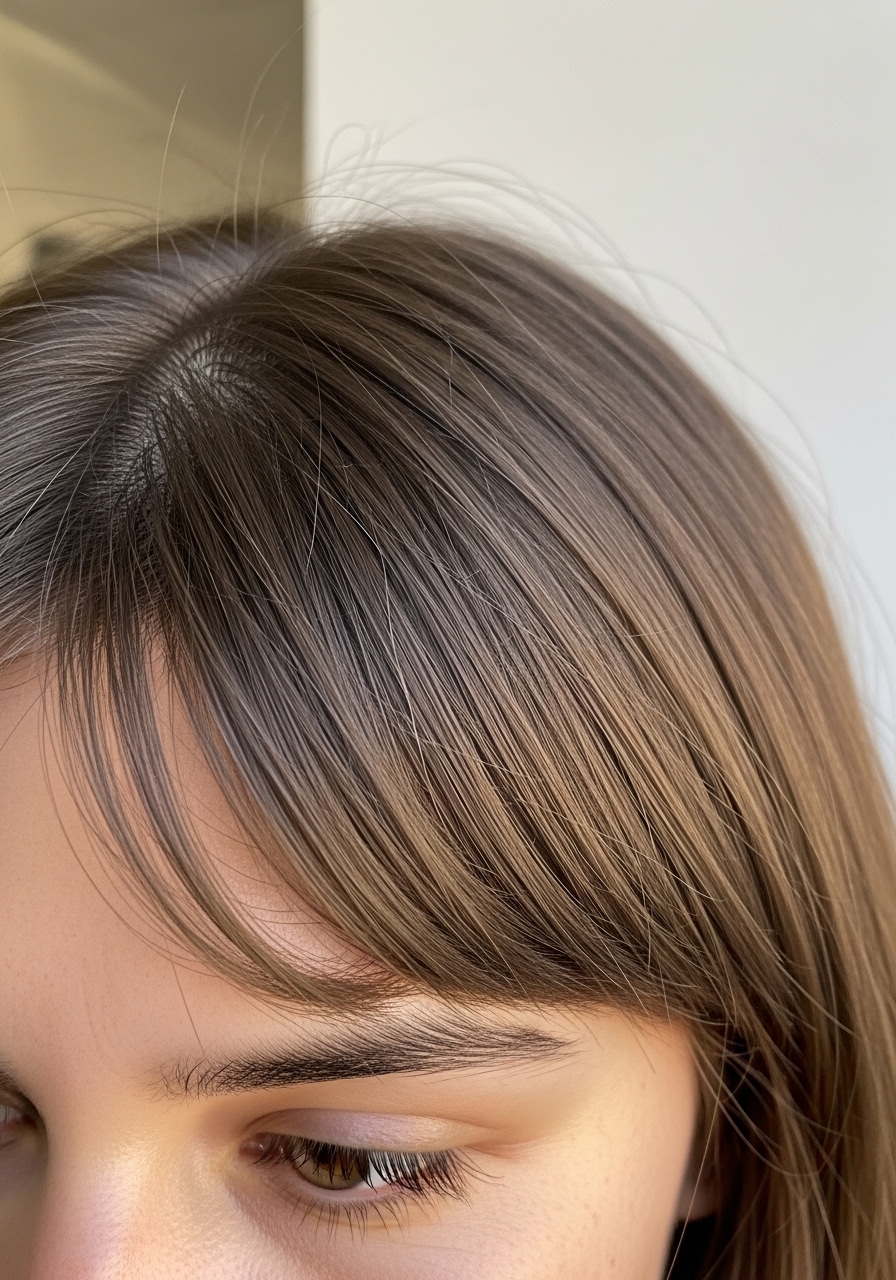
I got an arched side fringe when I wanted to soften my chin line. The curve pulls attention up and actually makes my cheekbones look higher. The first week I had weird cowlick behavior near the part — I learned to tell my stylist to cut around my natural growth pattern.
This fringe flatters straight and slightly wavy hair. For finer hair, keep a bit more weight to avoid it disappearing. My practical tip: blow-dry the fringe with a boar-bristle brush following the cut’s curve so it sits on your face like it was meant to.
8. Wispy Baby Bangs for a Playful, Soft Frame
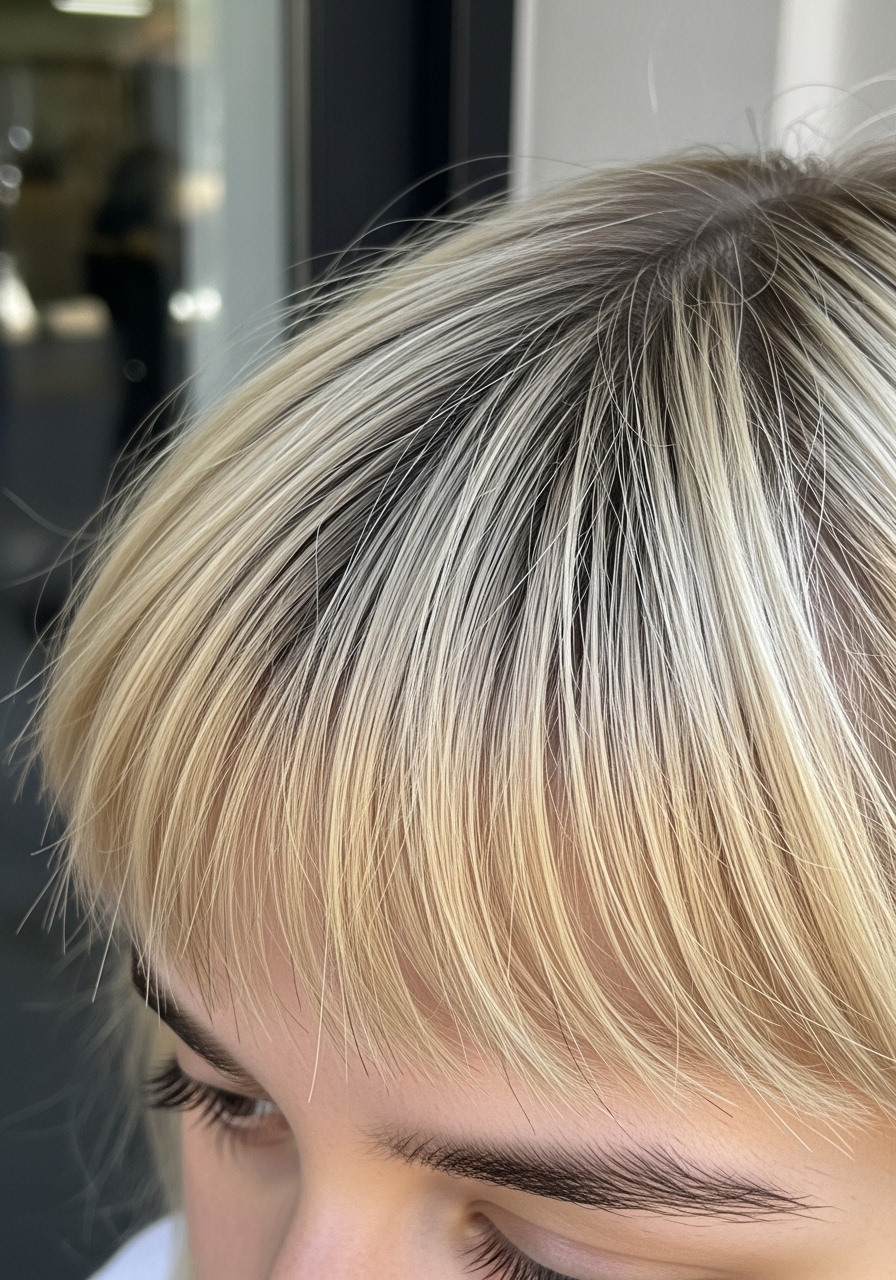
I flirted with baby bangs and loved the instant face-frame. They’re short but delicate, so they don’t overpower my heart-shaped face. I made the mistake of asking for “just a little off” and ended up a few inches shorter than I wanted — lesson learned to bring photos.
They work on fine hair where they add a focal point. On thicker hair, I ask for feathering so they don’t look like a solid plate. My morning fix is a quick mist of sea-spray and a fingertip tuck to make gaps look intentional, not chopped.
9. Long Side Bangs Blended Into Lobs
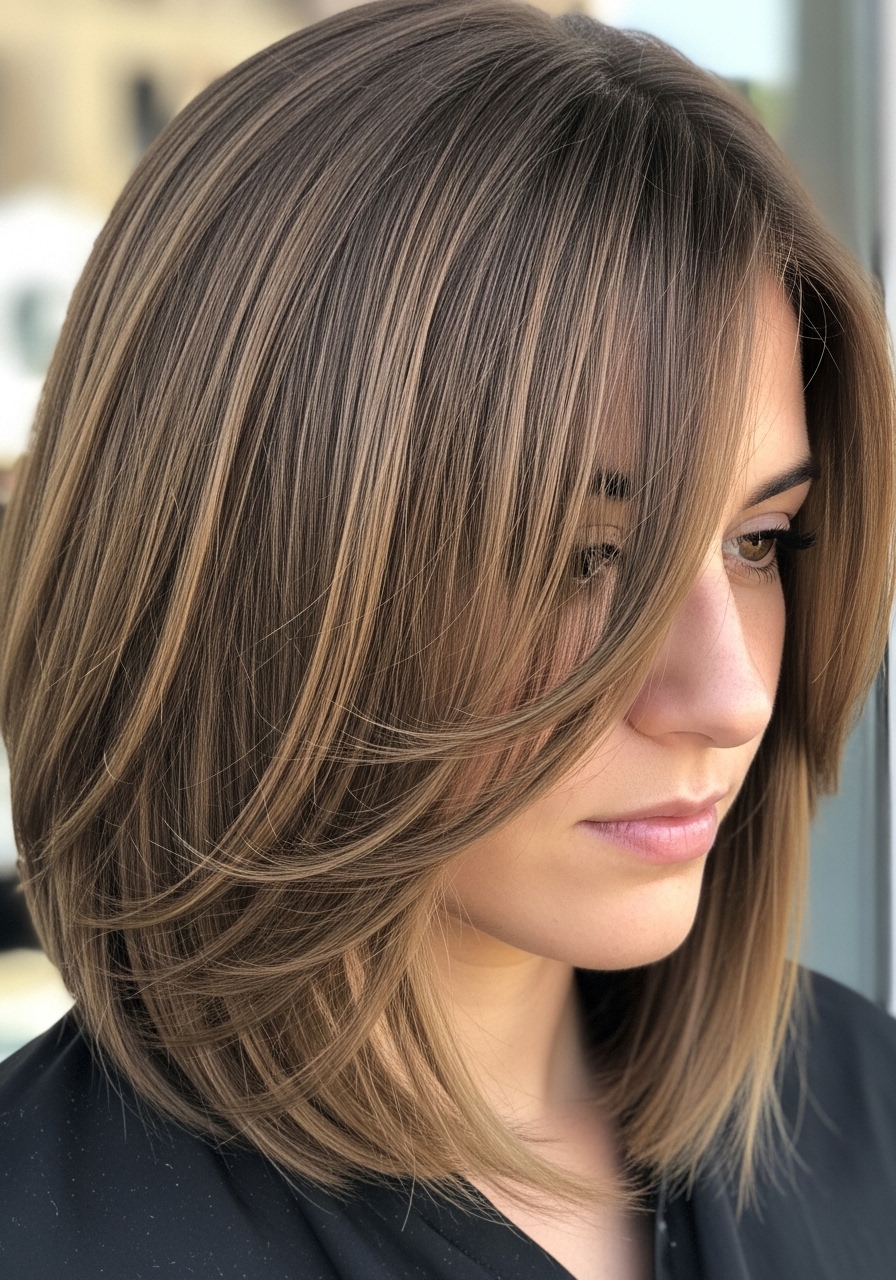
I grew side bangs to merge into my lob. They ease the transition between short and long and hide a widow’s peak I used to fuss over. Once, my stylist left the join too blunt and I had to soften it with extra layering.
This works for straight and slightly wavy lobs. For very thick lobs, ask to remove some interior weight so the bang doesn’t add bulk. My salon line: “Blend the bang into the front layers, don’t chop it on a hard line.” I touch up with a round brush in the morning and it lasts all day.
10. Curtain Bangs With a Little Flip
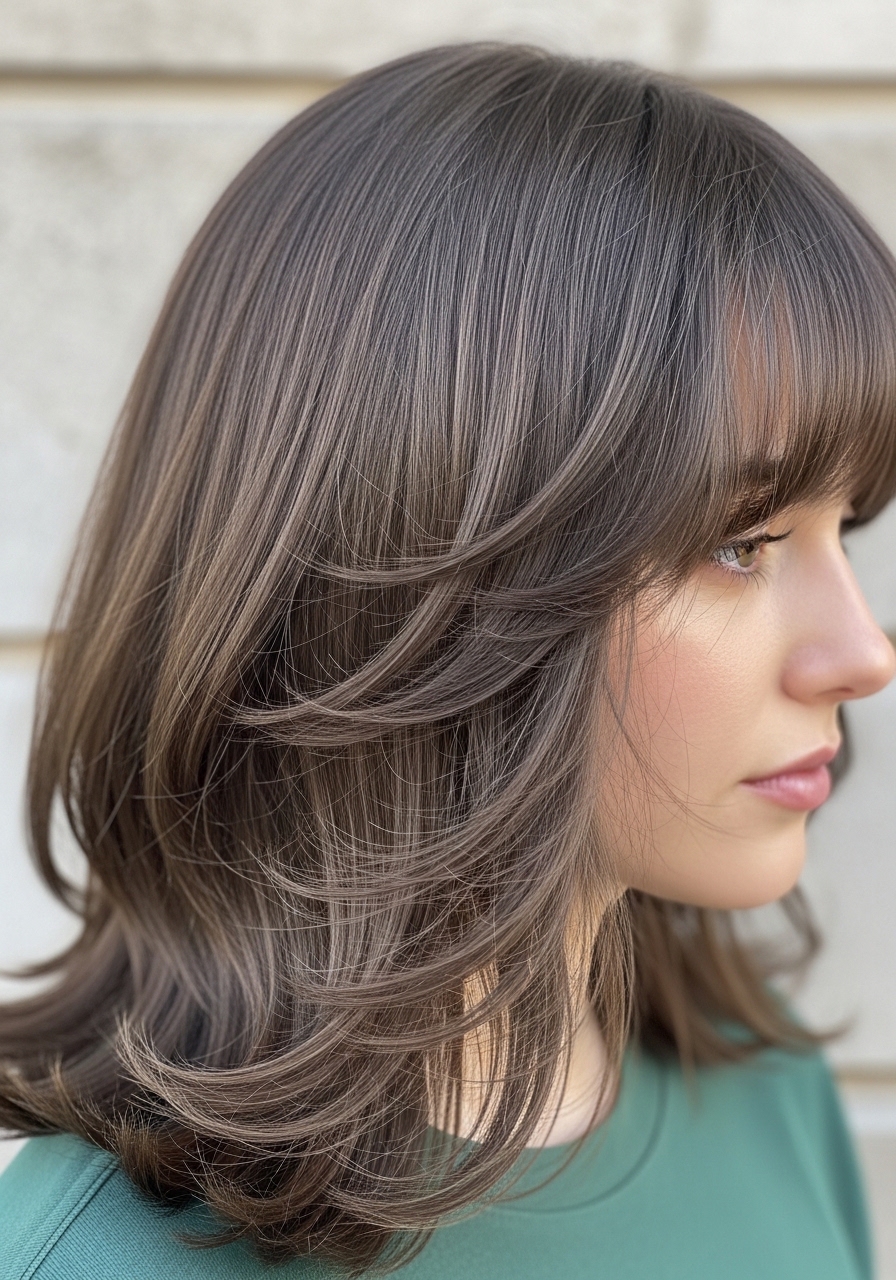
I asked for curtains with a soft outward flip because mine have a natural tendency to flare. I embraced the flip instead of fighting it. Early on, heat styling overdid the bend — I burned a piece and learned to use a cooler tool.
They’re forgiving for thicker hair and lovely on medium waves. Ask your stylist to leave a bit of length at the corners to enable the flip. My real-life trick: fast blow-dry with a medium round brush and a blast of cool air to lock the shape without stiffness.
11. Brow-Skimming Bangs That Anchor a Pointed Chin
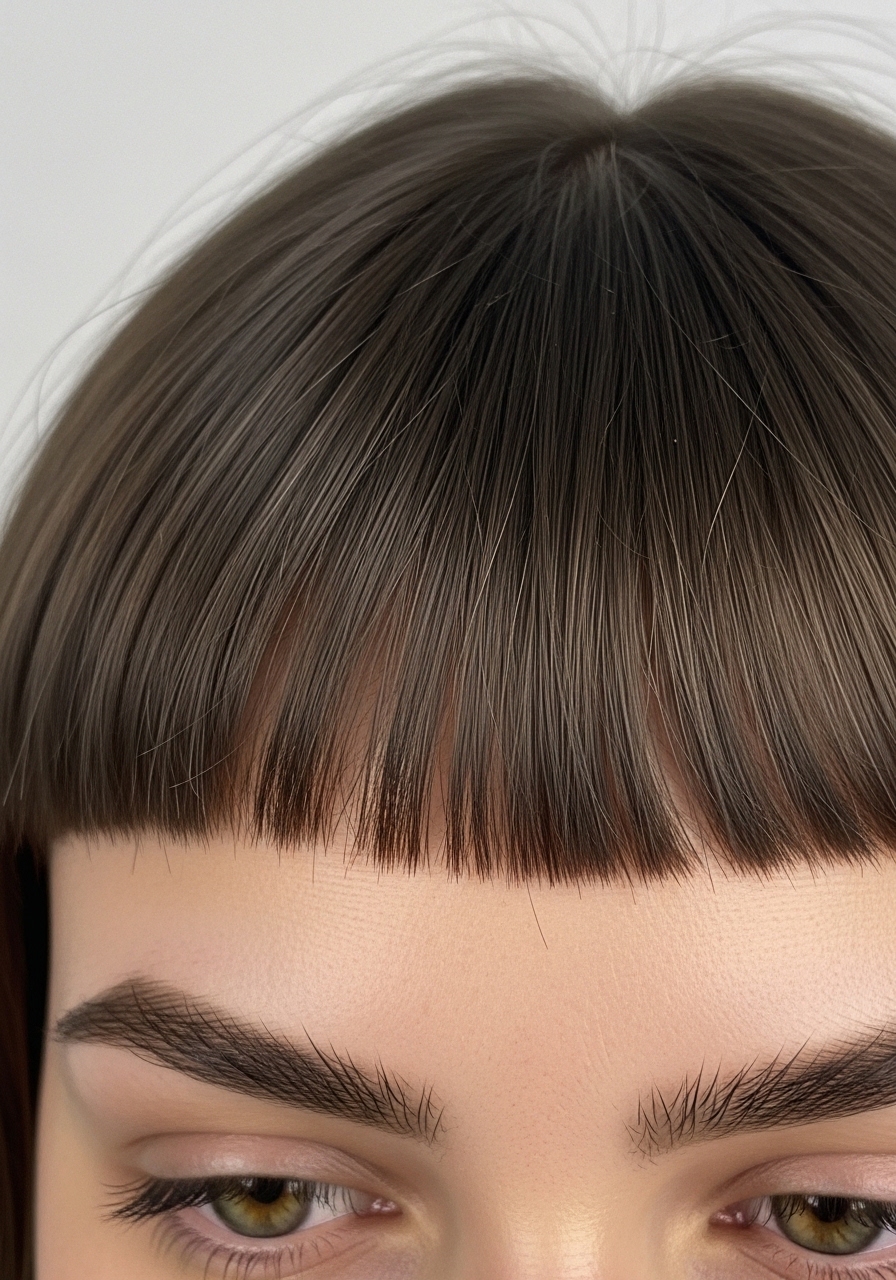
I went for brow-skimming bangs to balance my narrow chin. They ground my face and make proportions feel calmer. I underestimated humidity; one rainy commute made them flatten against my forehead and look greasy — I learned to carry a light powder.
They suit straighter hair most, though slightly wavy hair works if you style deliberately. For thick hair, ask for internal thinning so they don’t sit like a heavy band. My tip: a tiny dab of matte powder at the roots on humid days keeps them looking separated, not glued.
12. Shaggy Fringe That Plays Up Texture
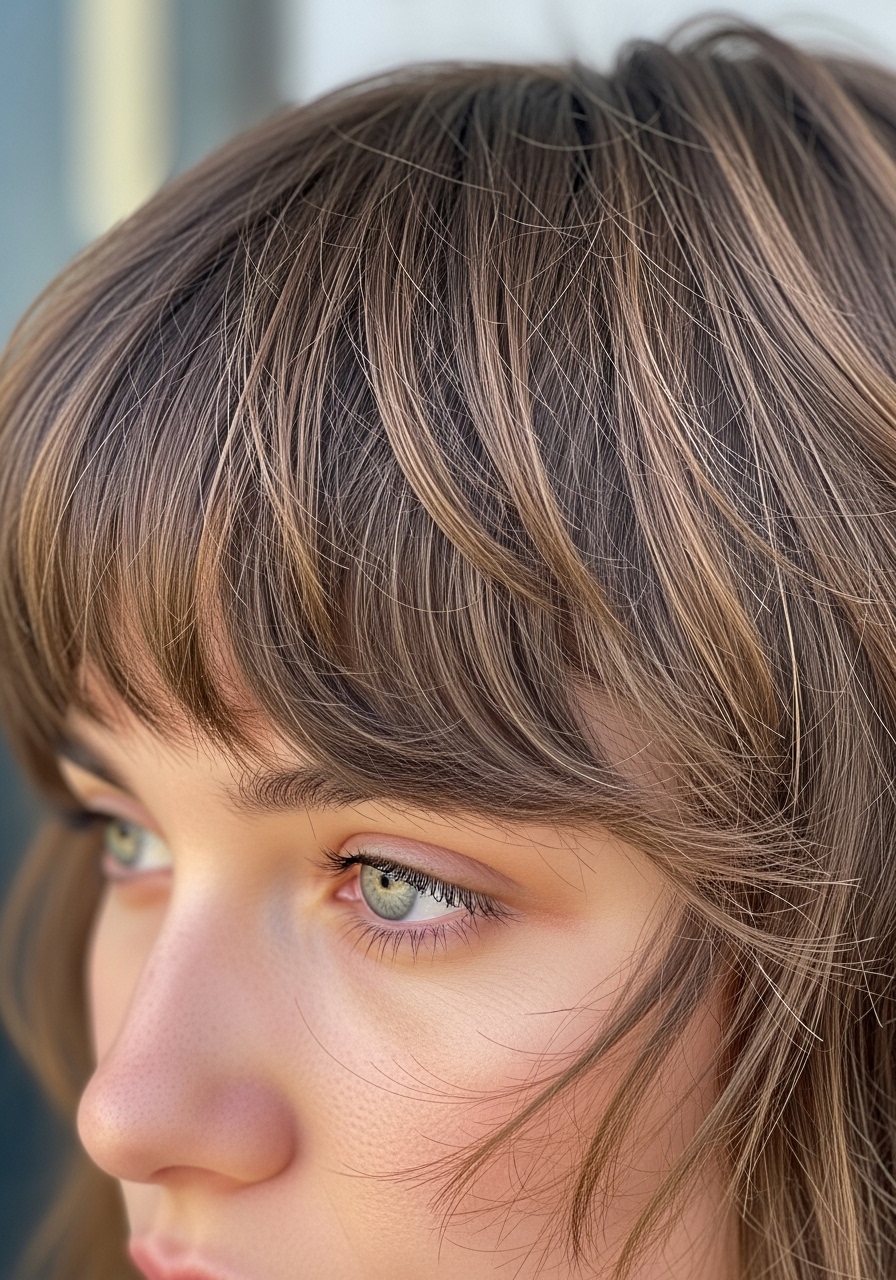
I had a shaggy fringe phase because I love texture. It’s messy on purpose and it hides bad hair days. I once asked for “shaggy” and got too much choppiness — it puffed up on day two. I learned to ask for controlled choppiness near the hairline.
This fringe is great for wavy and curly textures; it reads natural. For fine hair, keep layers limited so it doesn’t disappear. My real tip: apply a tiny bit of cream to the tips and scrunch; it separates layers and keeps the fringe from looking like a solid mass.
13. Rounded Fringe That Softens Angular Features
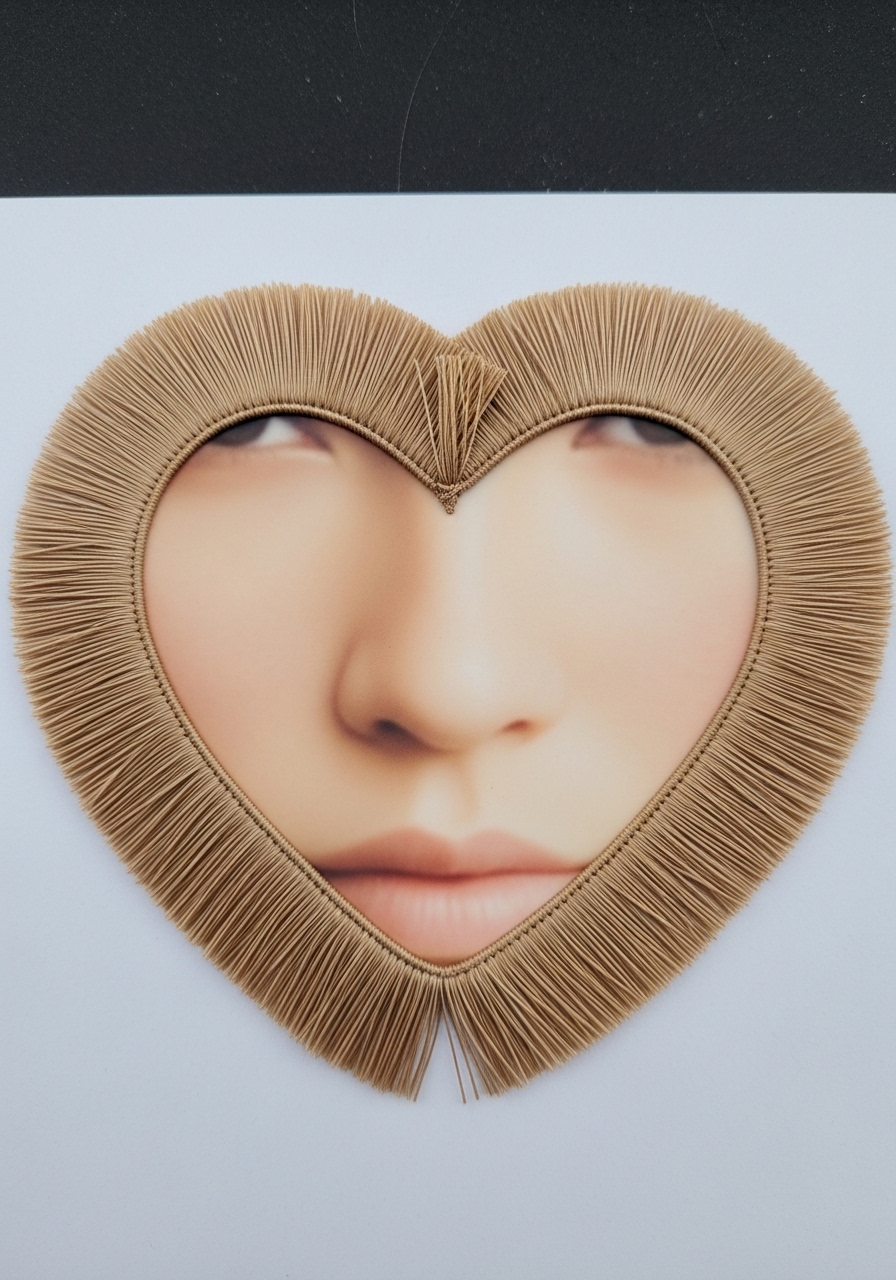
I cut a rounded fringe when I wanted to soften my jawline. The curve sits slightly higher in the center and tapers at the sides. I miscommunicated once and my stylist made it too rounded, which looked clownish until it grew by an inch.
It sits beautifully on straight hair and low-wave textures. If you have thick hair, ask for subtle point-cutting to avoid a helmet effect. My practical line at the salon: “Round gently, not a dome.” I use a light smoothing serum on the roots to keep the curve sleek.
14. Long Piecey Bangs for Low-Maintenance Shape
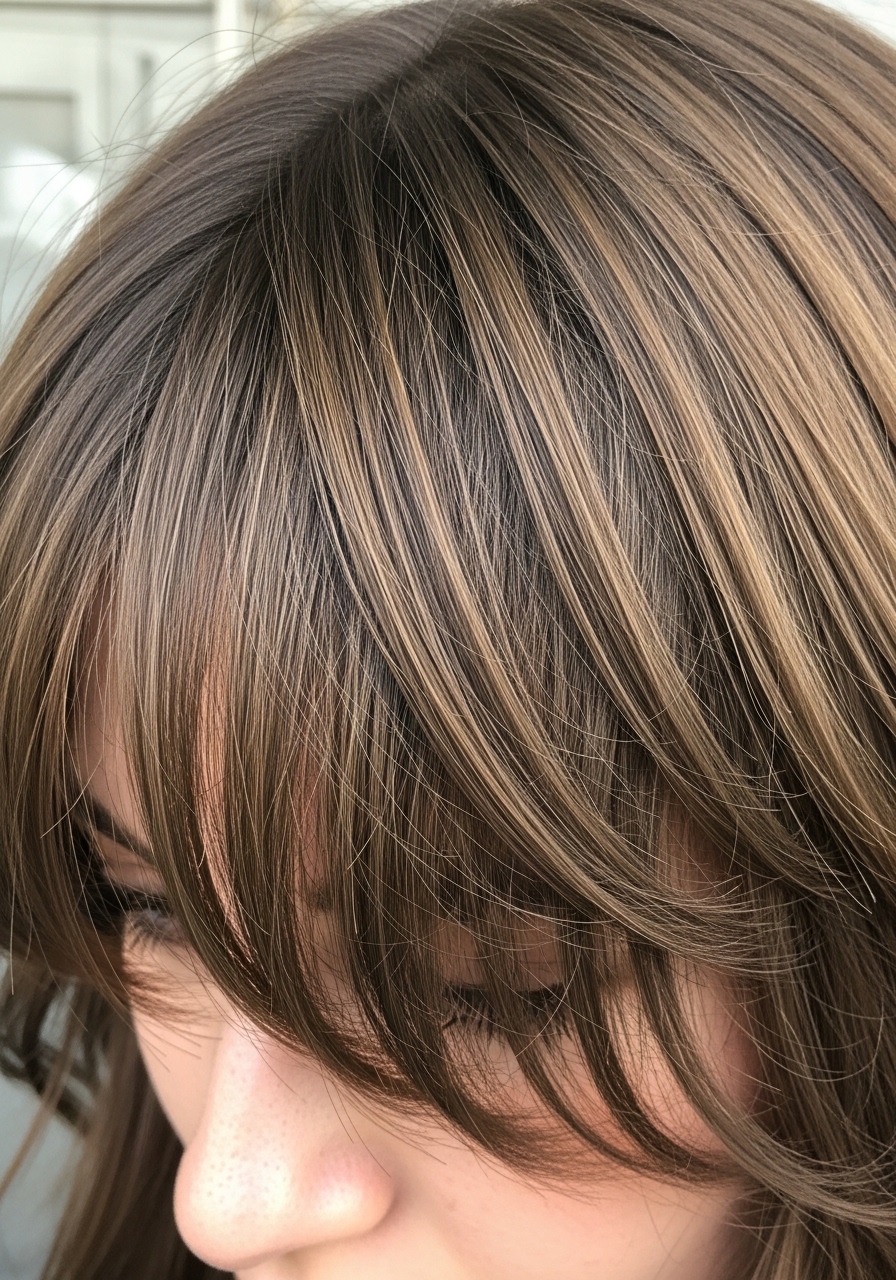
I settled into long piecey bangs when I wanted low-maintenance shape. They part naturally and tuck behind ears without drama. I occasionally let them get too long and they obscure my eyes — a trim every 6 weeks fixed that.
They work on almost any texture because the pieces break up the weight. For thick hair, ask to remove interior bulk. My everyday fix: shake a little paste through the ends and fingersweep; it defines pieces and looks intentional, not unkempt.
15. Wispy Curly Bangs That Embrace Volume
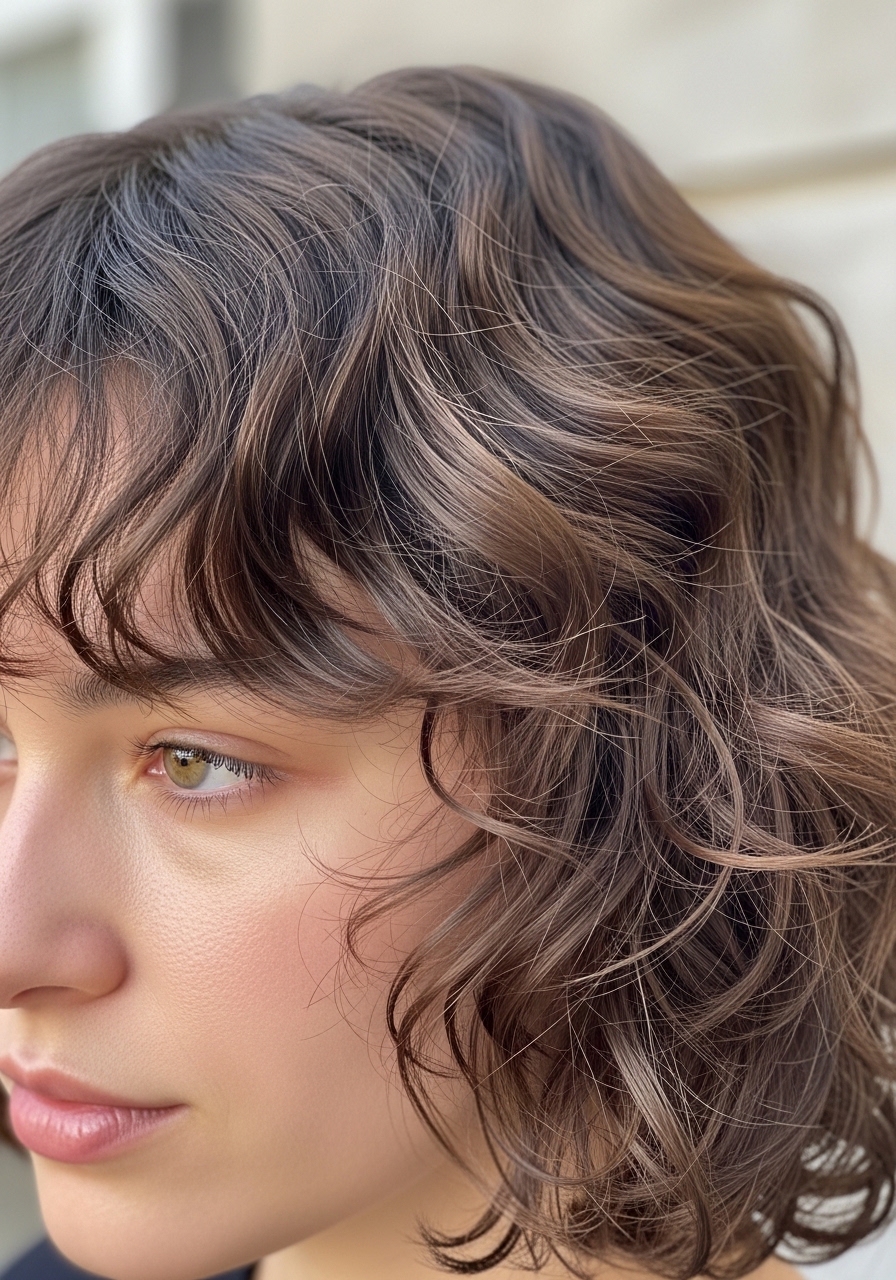
I let my curls lead when I tried wispy curly bangs. They make my forehead read soft instead of stark. The first few wash cycles looked odd because I used too much conditioner and the curl pattern clumped — I learned to use less product at the front.
They suit naturally curly hair only; straightening them defeats the point. Ask your stylist for long, layered curls at the front so they don’t go triangular. My tip: refresh with a spray bottle and fingertips in the morning to revive curl shape without a full restyle.
16. Asymmetric Fringe That Adds Interest Without Volume
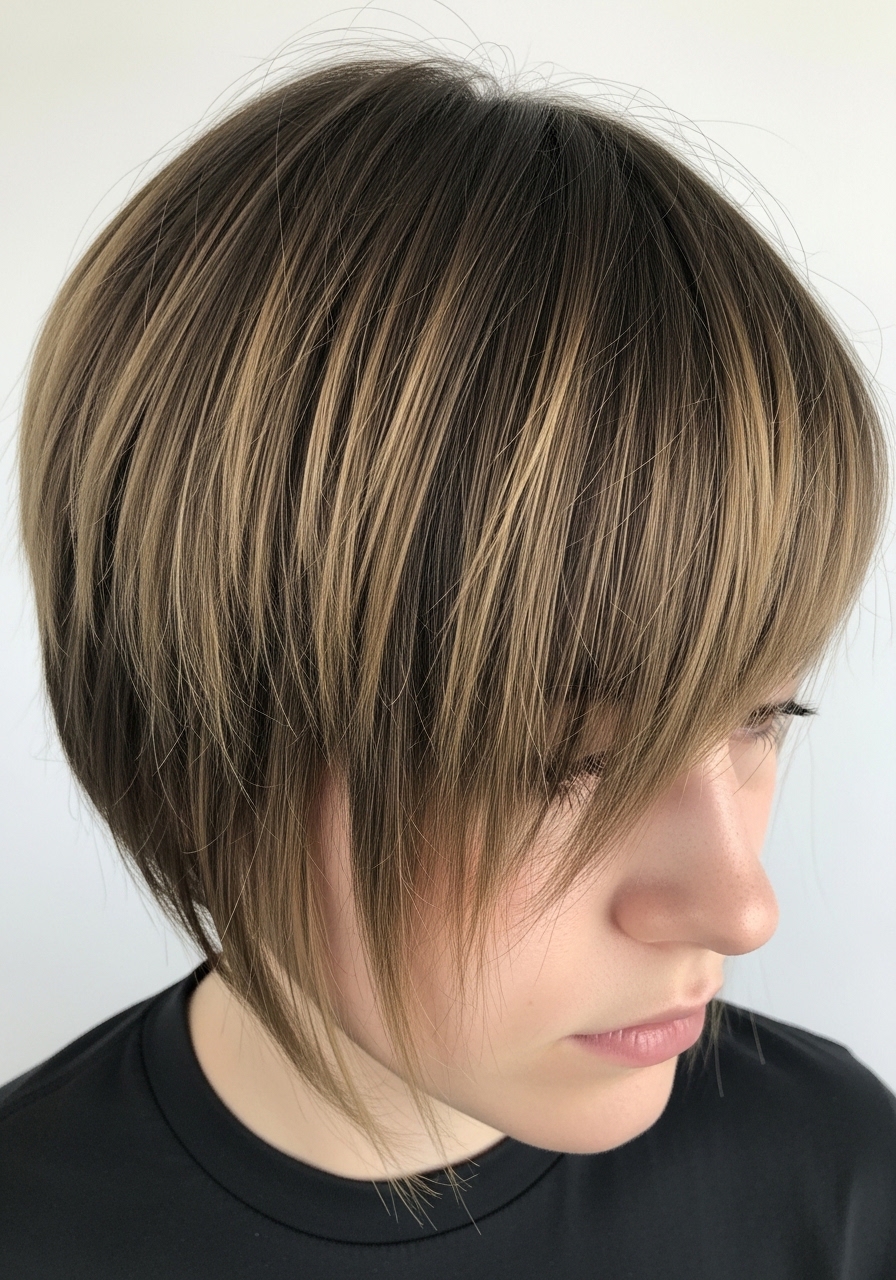
I experimented with an asymmetric fringe when I wanted something different but low-key. One side grazes the brow; the other blends into the sideburn. I made the rookie mistake of bringing a dramatic photo and ended up with too steep an angle — I asked to soften it and it opened up nicely.
This works for straight and slightly wavy hair. For thicker textures, ask for blending into layers so it doesn’t sit heavy. My go-to line: “Keep the angle soft, not severe.” I style it with a quick flat pass and a touch of smoothing cream.
17. Textured Baby Bangs That Read Delicate on Thick Hair
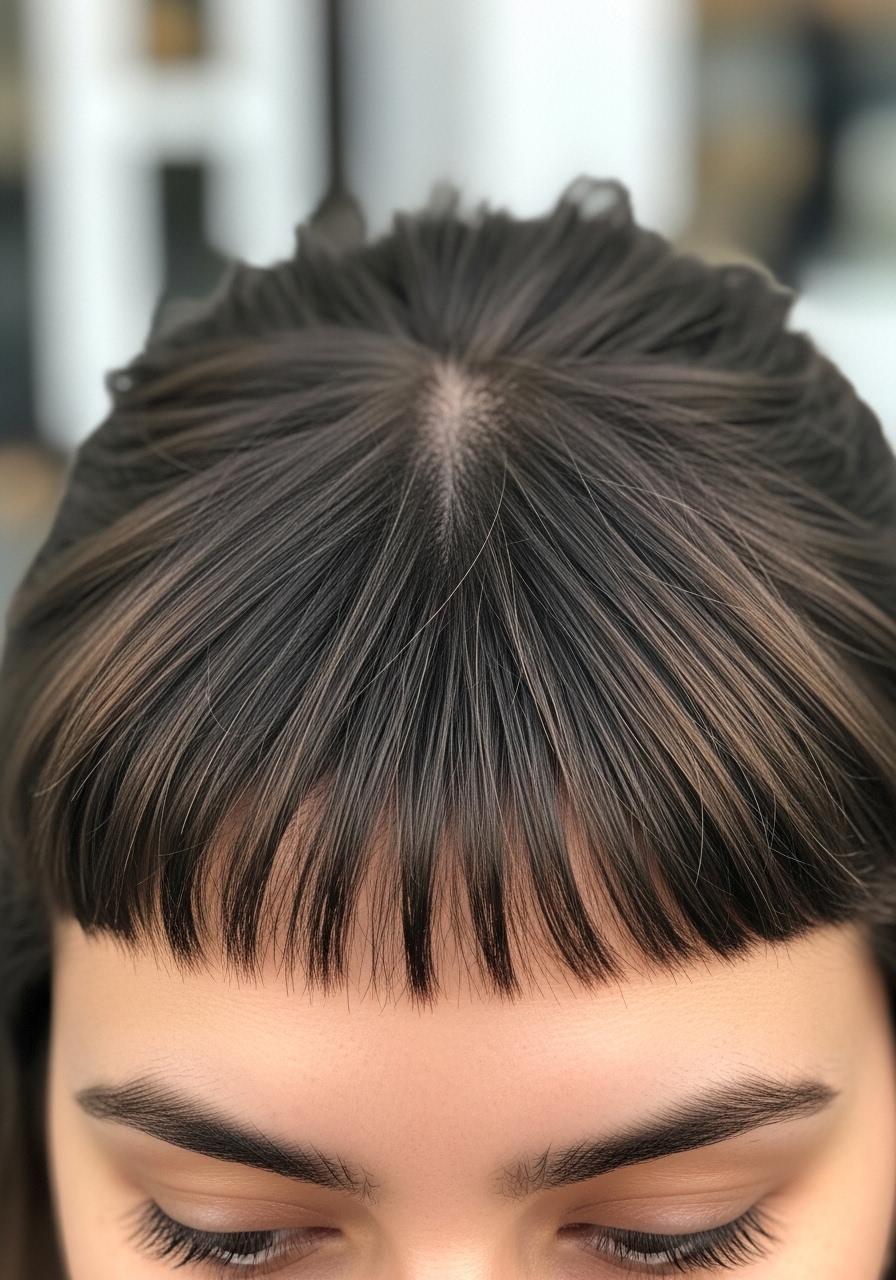
I tried baby bangs on thick hair and asked for lots of texture so they didn’t look like a solid slab. The texture made them feel airy rather than heavy. I did over-texture once and they looked too pieced — I went back to clean it up.
They work if your stylist point-cuts to break weight. For daily wear, I use a matte paste to nudge pieces into place. My salon note: “Textured, not hacked.” It keeps the short fringe wearable on dense hair.
18. Blended Bangs Into Face-Framing Layers
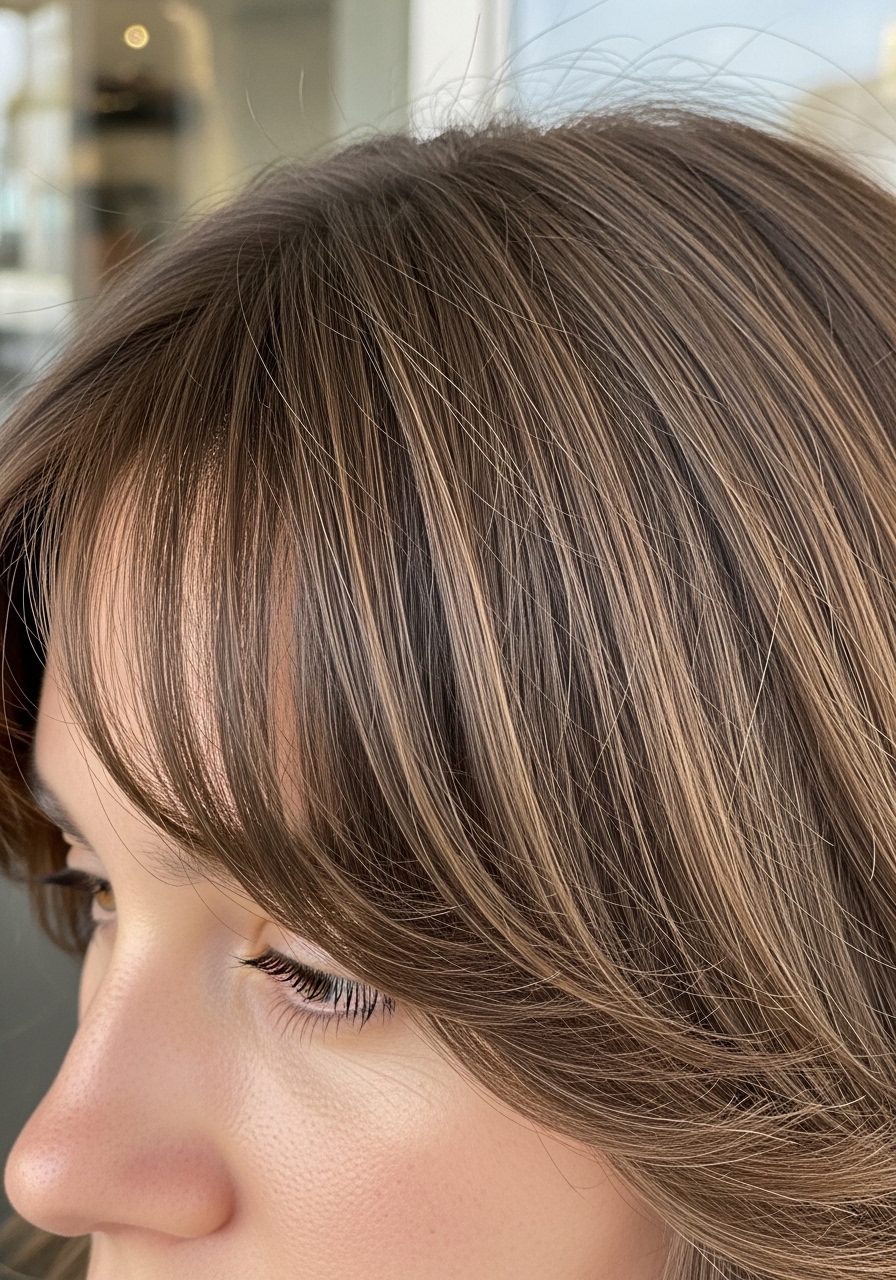
I asked my stylist to blend bangs into face-framing layers so nothing looked abrupt. The result was seamless and soft around my temples. I slipped up once by asking for too many layers and the front became uneven — we smoothed it with a long point cut.
This approach suits most textures and is especially flattering on heart-shaped faces because it balances the forehead and jaw. My instruction: “Blend the bang into the front layers, keep movement.” I use a dime-sized serum on damp hair and let it dry for natural flow.
19. See-Through Bangs That Read Light and Airy
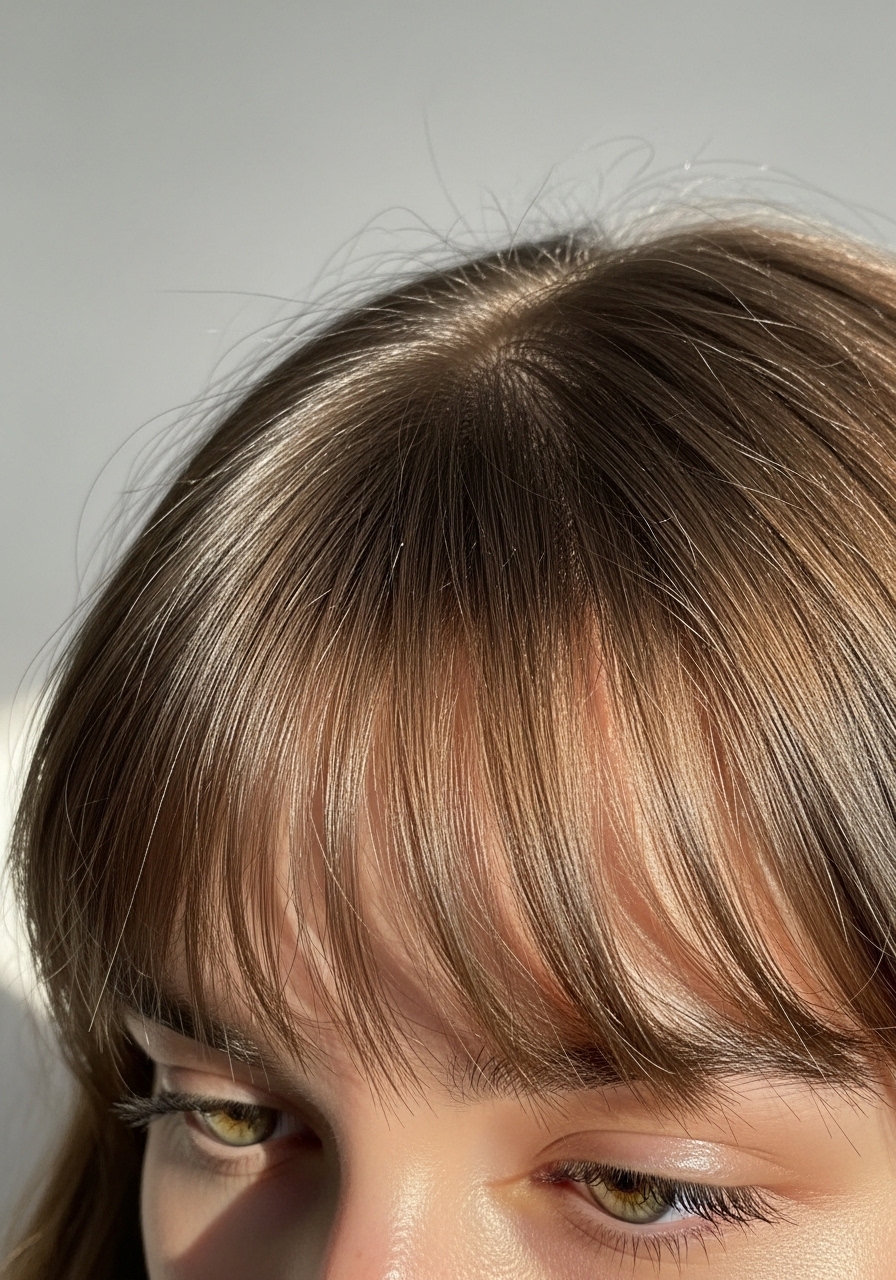
I wanted bangs that didn’t feel like bangs, so I tried see-through ones. They’re light, slightly parted, and don’t demand constant trimming. I once thought less density meant less styling — but they can drift into your eyes, so a tiny snip every month helps.
They’re best on fine to medium hair. On thick hair, ask for internal thinning so they don’t disappear. My practical tip: tell your stylist “airy, parted, and light through the middle.” I refresh them with a tiny spritz and finger-part in the morning.
20. Long Curtain Bangs With Subtle Highlights
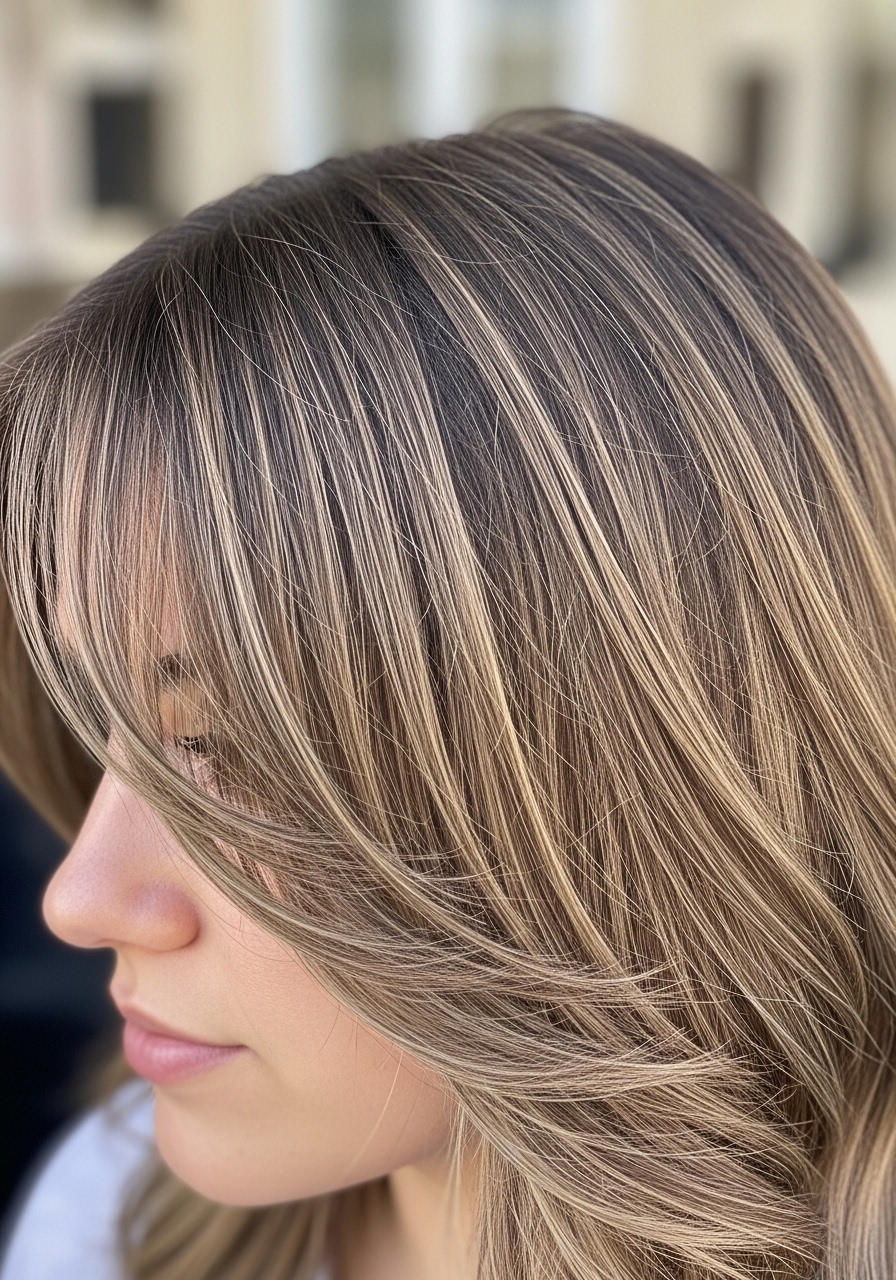
I added subtle highlights to long curtains to give them dimension. The color prevents the bangs from looking flat and helps them blend into the rest of my hair as they grow. I once over-highlighted and had to tone it down — lighter is friendlier up front.
This suits all textures but looks especially soft on waves. Ask for face-framing saturation rather than a full highlight. My tip: choose a shade one to two tones lighter than your base and request soft placement so the bangs read natural and lived-in.
21. Angled Fringe That Softens a High Forehead
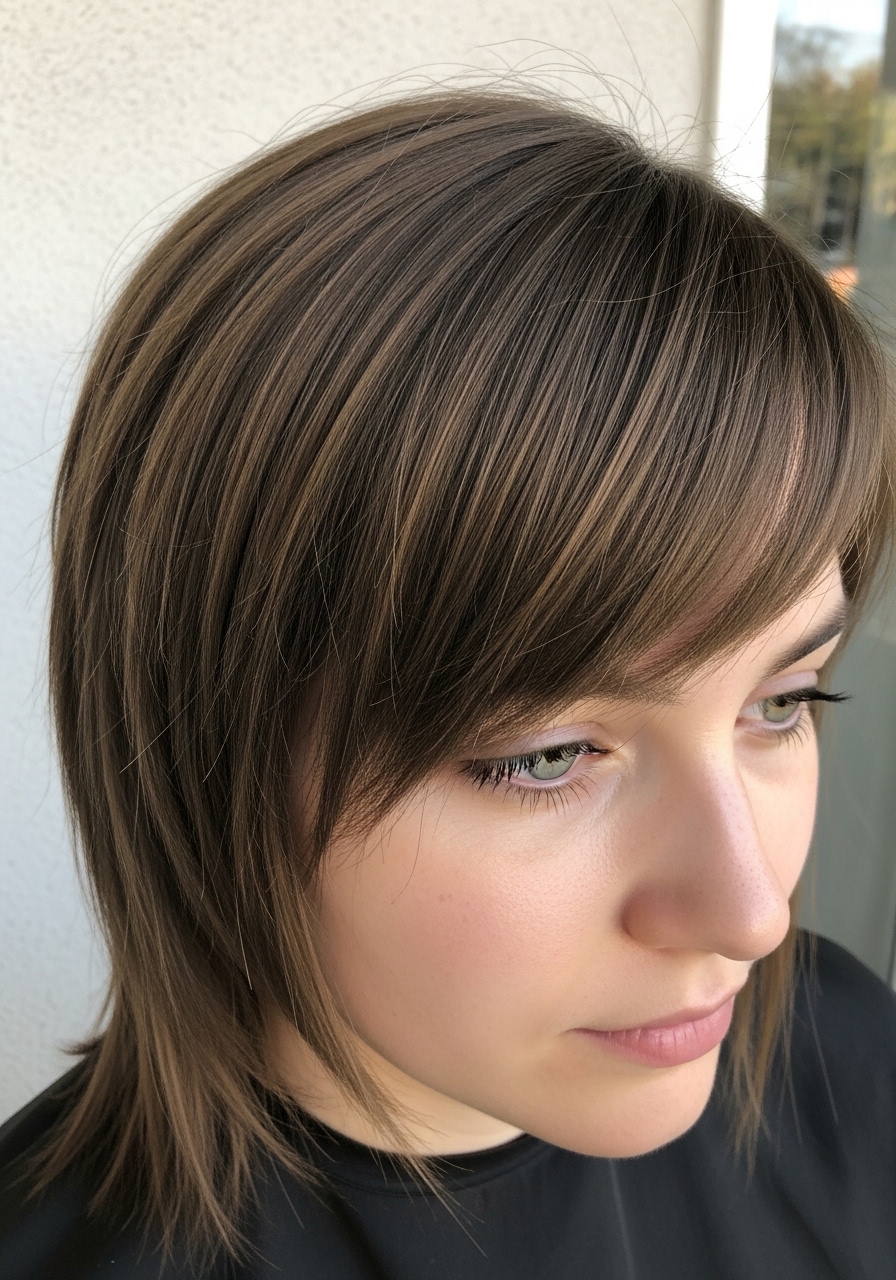
I picked an angled fringe to break up a high forehead. The diagonal line draws the eye across the face instead of straight up. Early on, I made the mistake of brushing it flat every morning and lost the intended shape — I now let it air with a quick tousle.
It’s flattering on straight and wavy hair. Thick hair needs thinning so the angle stays graceful. My salon phrase: “Angle to soften the forehead, keep ends feathered.” I use a little salt spray and finger-sweep to keep it from looking overly polished.
22. Curtain Bangs With a Deep Side Part
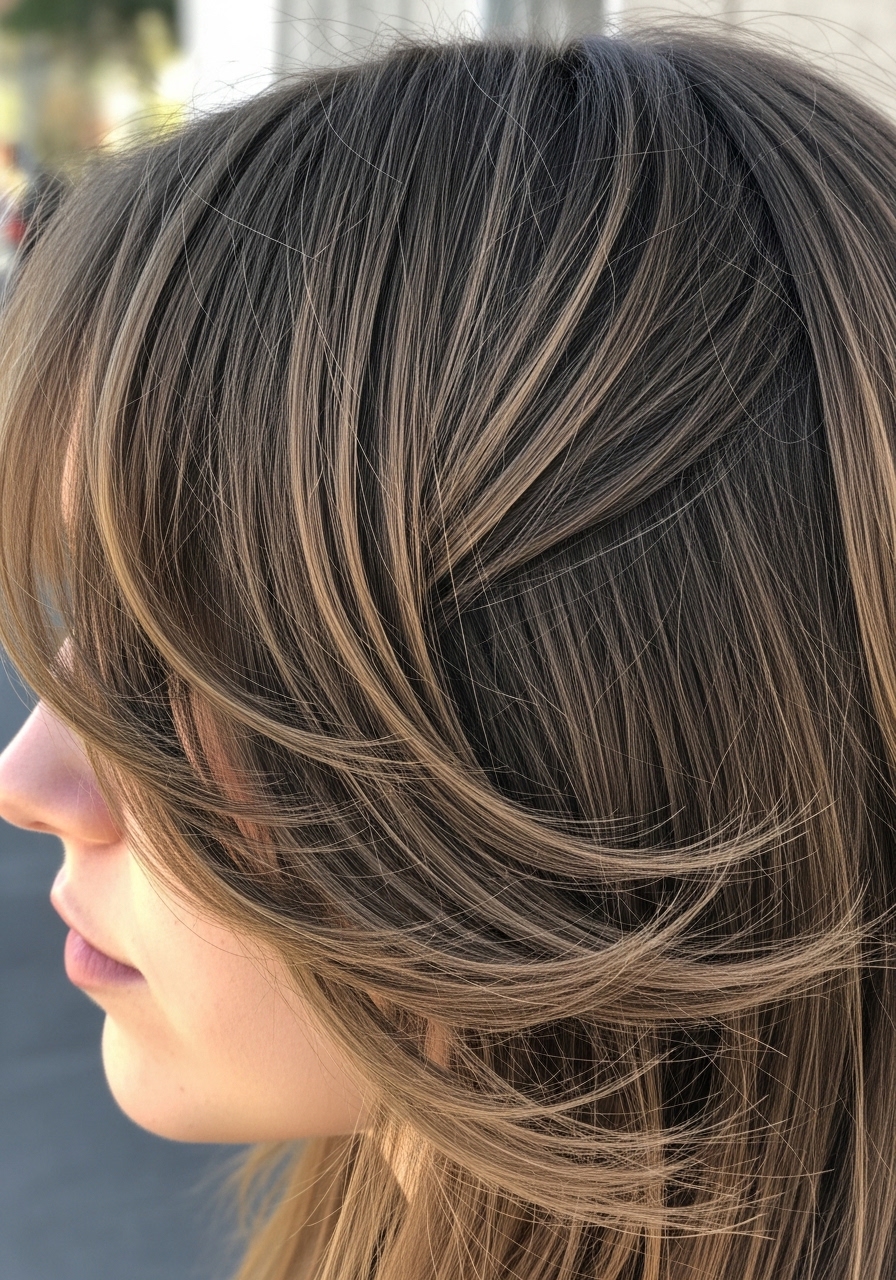
I switched to curtain bangs with a deep side part when I wanted more drama without a heavy cut. The side part creates asymmetry that flatters a heart shape. I once trained them into a center part out of habit and it looked off — so I re-trained the part with a clip overnight.
This works on most hair types. For fine hair, add a root-lift product. My simple tip: part wet and pin the heavier side while drying to encourage the deep part to stick. It holds better than forcing it dry.
23. Short Layered Bangs That Open the Face
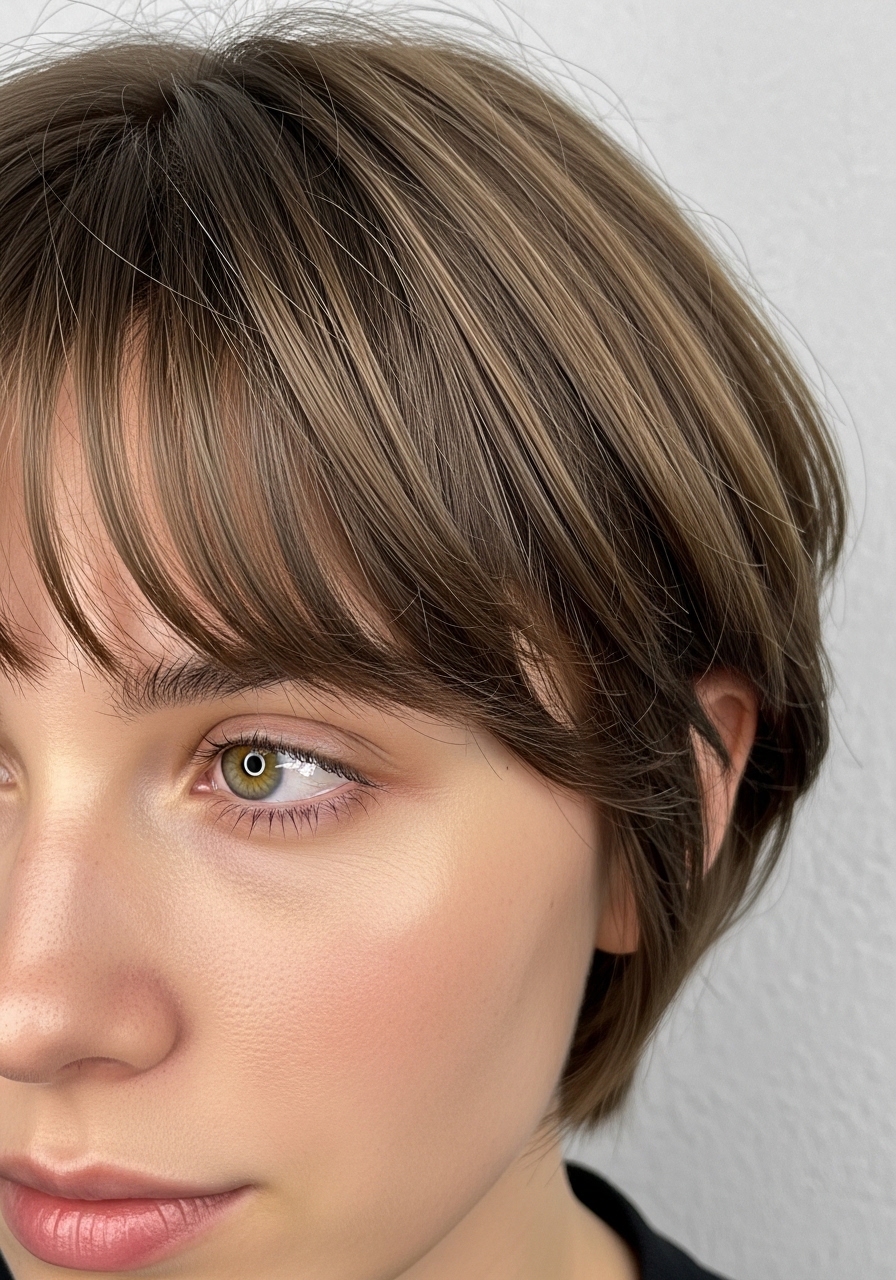
I tried short layered bangs when I wanted to open my face without committing to full micro bangs. Layers add movement and reduce heaviness. I once let my stylist go too heavy with layers and they puffed outward — we fixed it by softening layers at the base.
They’re friendly to most textures if kept slightly longer at the sides. My salon line: “Short, layered, but not too chunky.” I finish with a quick finger-styling routine and a light hold mist so they stay airy all day.
24. Brushed-Over Bangs That Hide a Receding Hairline
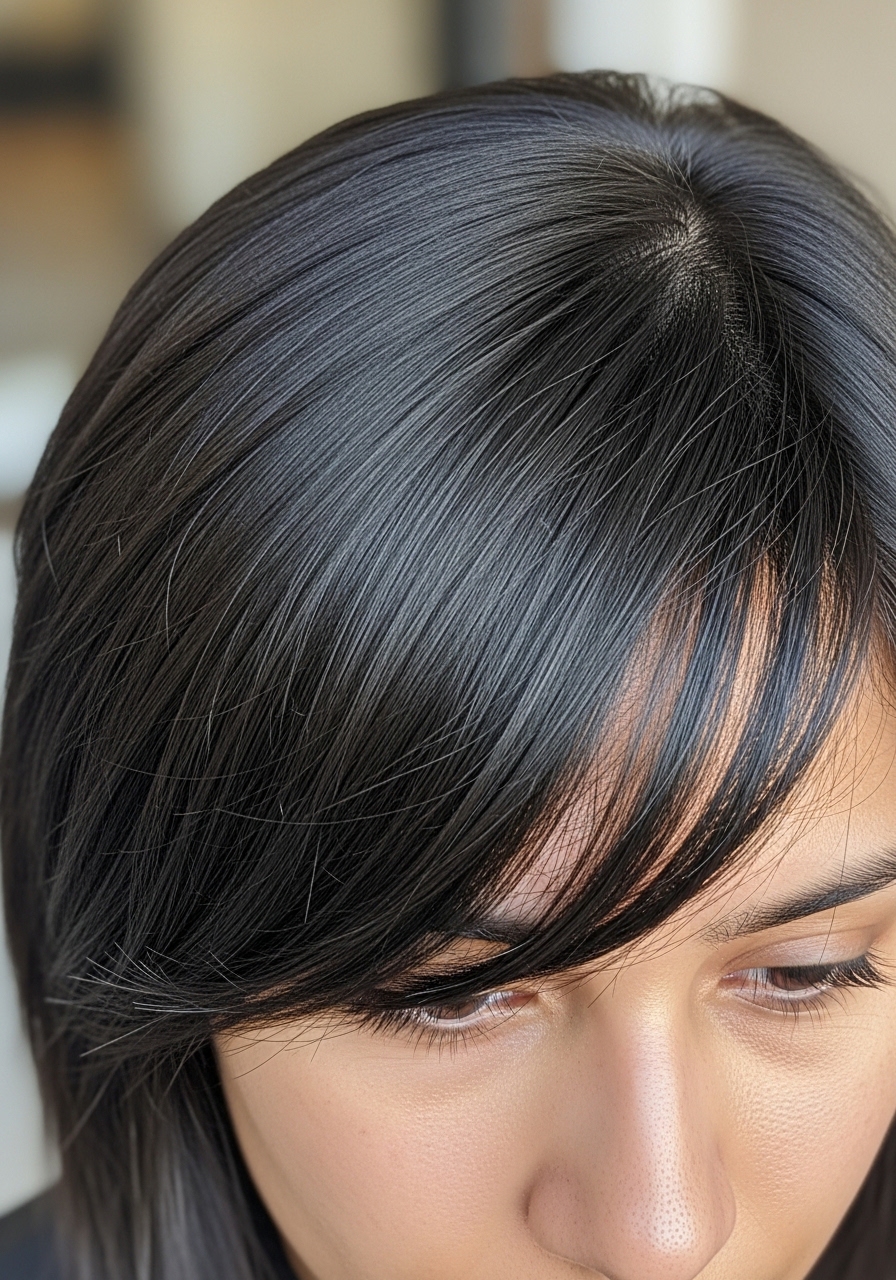
I started brushing bangs over a receding hairline to feel more confident. The move is subtle but effective. I made the mistake of making them too dense; they looked obvious. Thinning through the roots fixed that instantly.
This approach suits fine to medium hair best. Thick hair needs internal layering so the brush-over reads natural. My practical tip: ask for soft density at the hairline and a little length at the temples so you can sweep them loosely rather than plastering them down.
25. Curtain Bangs With a Soft Middle Split for an Airy Look
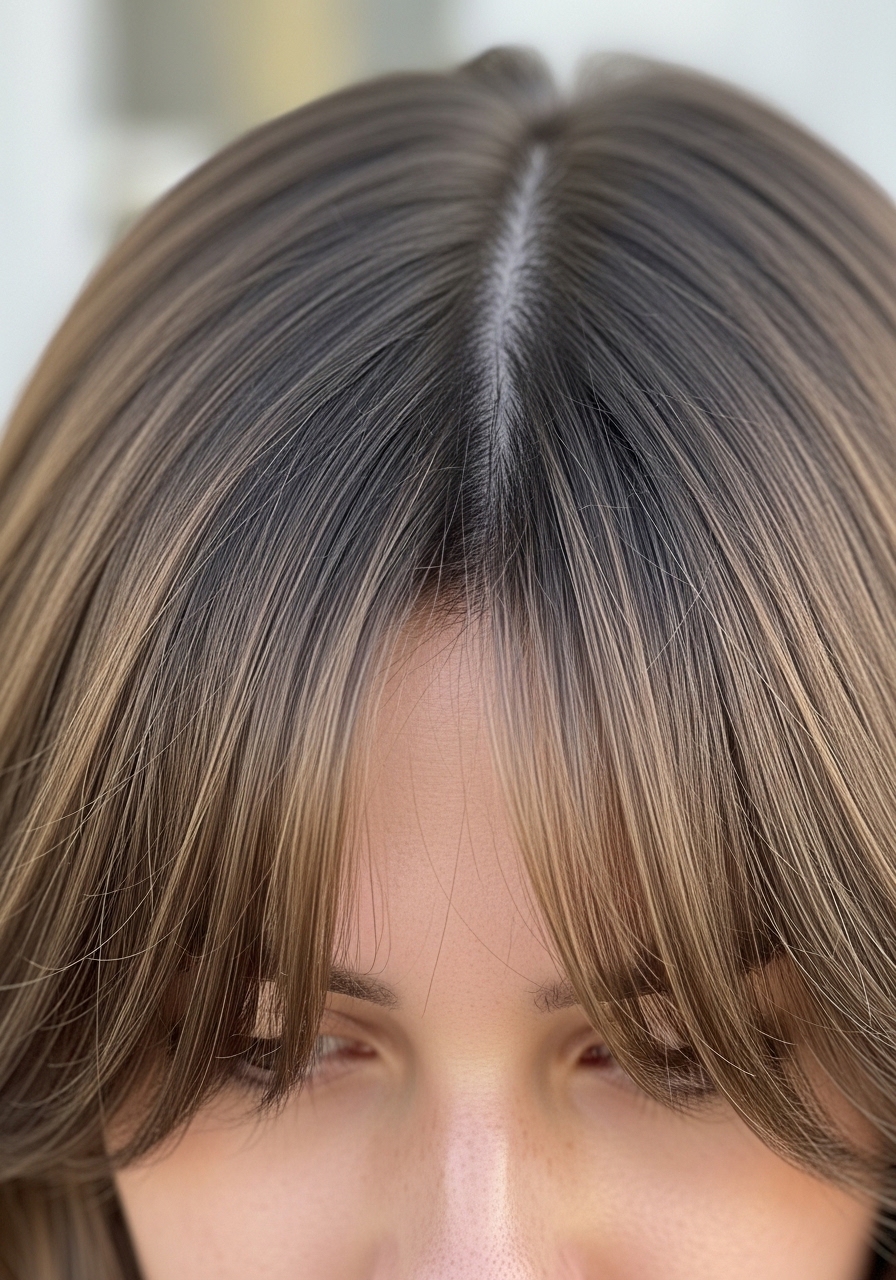
I keep coming back to curtain bangs with a soft middle split because they’re forgiving and casual. They frame my forehead without feeling styled. I once let them grow out without any shaping and they clumped in the center. A quick point-cut at the salon sorted it.
They work on almost every texture; on curls, leave more length. My request now is “soft middle split, light through the center.” I finger-part each morning and let them air-dry for a lived-in finish that lasts through the day.