
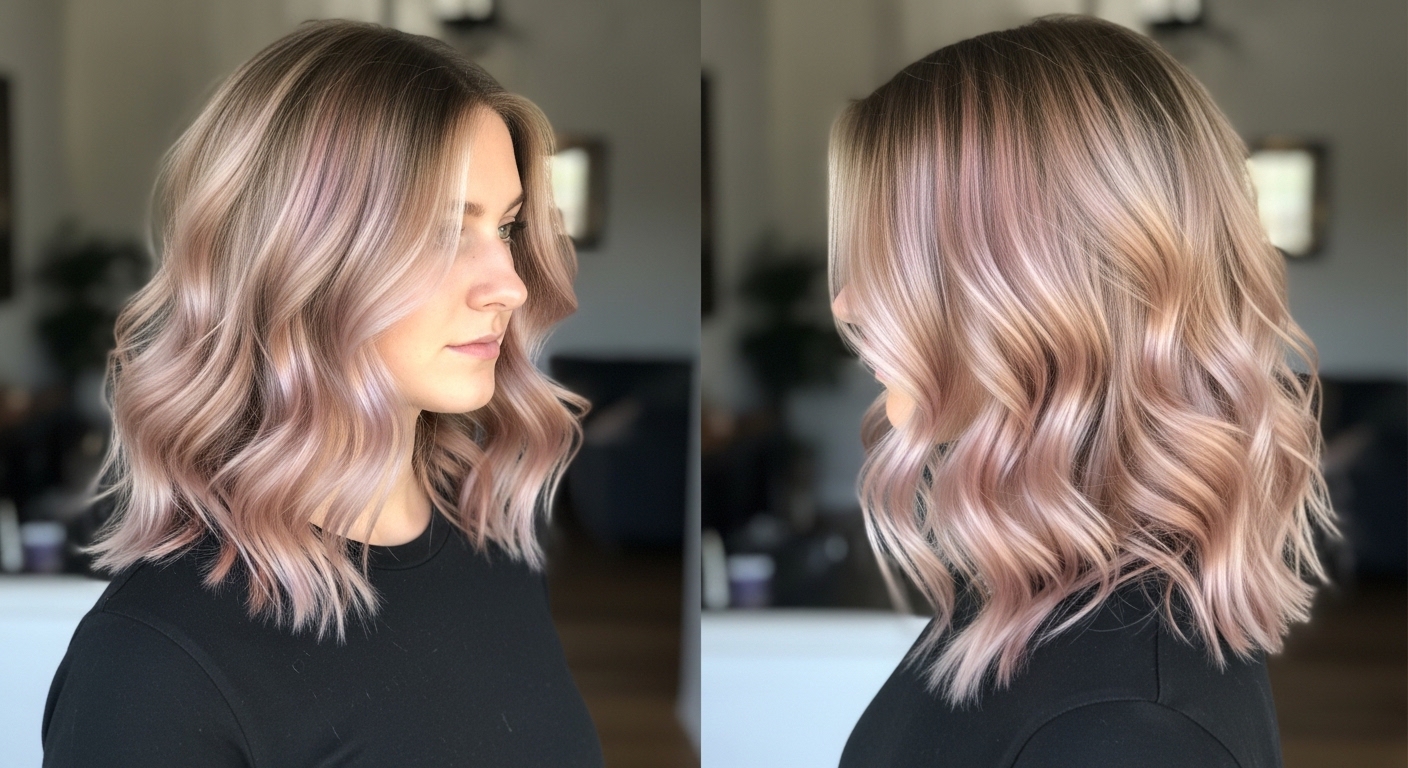
I finally stopped fighting my hair every spring. I kept chasing bright pics and walking out of salons with colors that faded or fought my texture.
This year I picked shades that actually live with my routine. Some are bold. Many are wearable. All of them felt like something I could ask for and keep.
H2
25 Real Spring Hair Color Trends 2026
These 25 real spring hair color trends 2026 are things I’ve worn, watched fade, or asked my stylist for. I picked looks that work for different textures and busy lives. Expect practical notes, what really happens by day four, and exactly what to tell your colorist.
1. Soft Honey Balayage on Shoulder-Length Waves
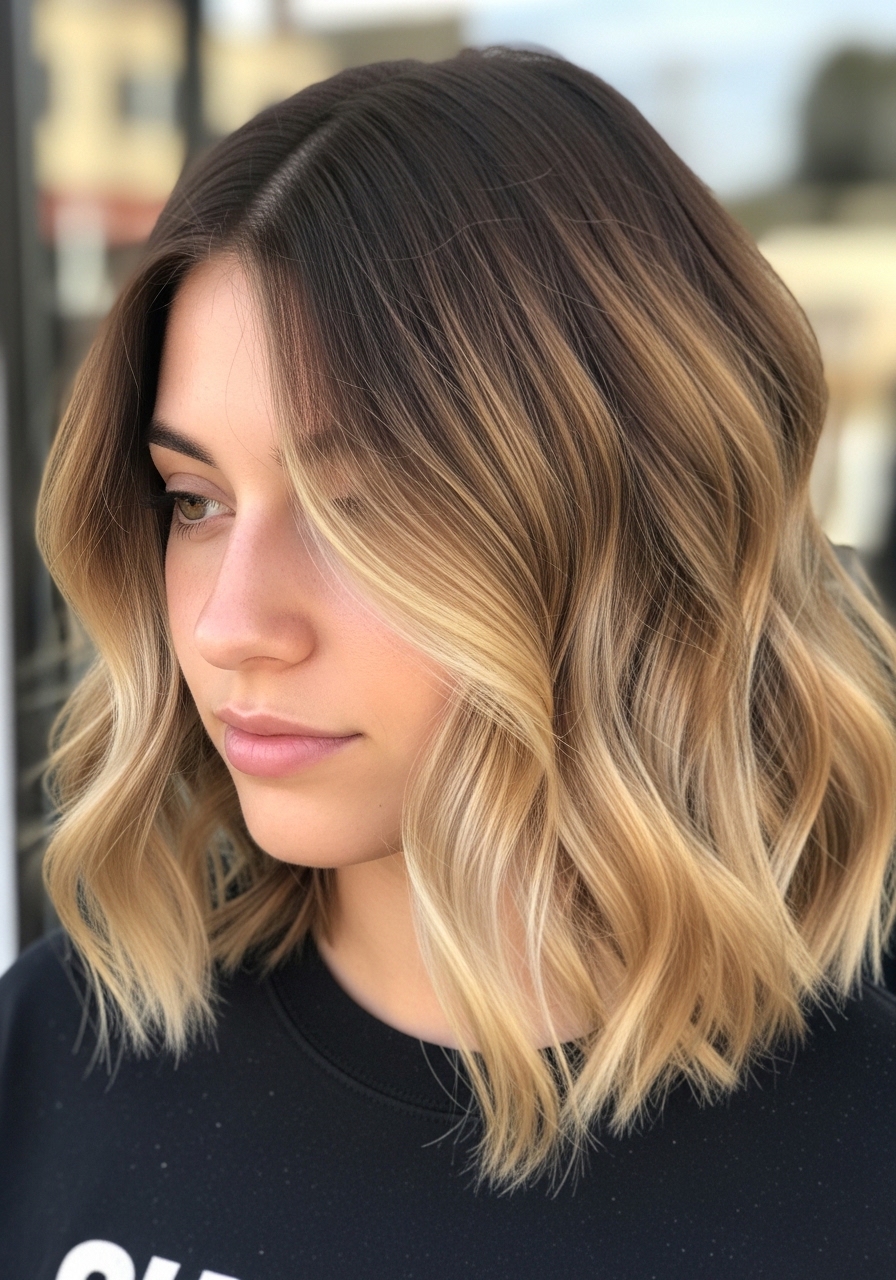
I asked for honey, but not glued-on stripes. My stylist painted soft, face-framing pieces and blended them into a root shadow. It warmed my skin without screaming “freshly colored.”
In real life the highlights grow out nicely. On day three the pieces sit around my face and hide greasy roots. For fine hair it gave weightless volume. For thick hair it softened heaviness.
My tip: ask for painting that stops an inch from the ends if you don’t want brass. I over-processed once and learned to slow down with toner appointments.
2. Rooted Strawberry Blonde for Cooler Skin Tones
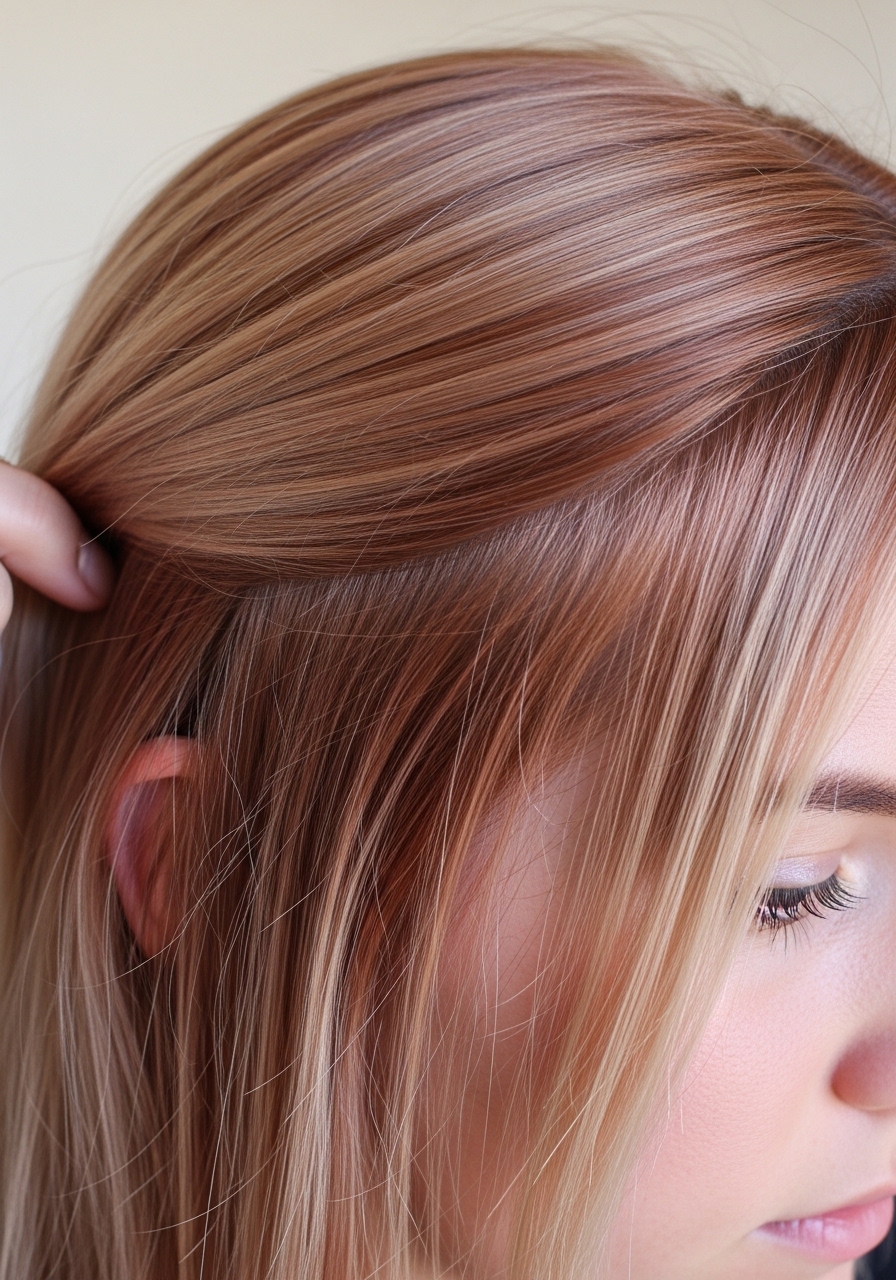
I went strawberry without burning my roots. Keeping a darker root made the color wearable. The red reads warm but not neon.
It looks lively when fresh. After a week it softens into a rosy glow. On dry hair the color pops. In humidity it can feel flat, so I use a light glossing spray.
Tell your stylist you want depth at the root and a soft red glaze. I once asked for “bright” and ended up with too much maintenance. Now I ask for tempering instead.
3. Rooted Silver with Pale Ash Lowlights
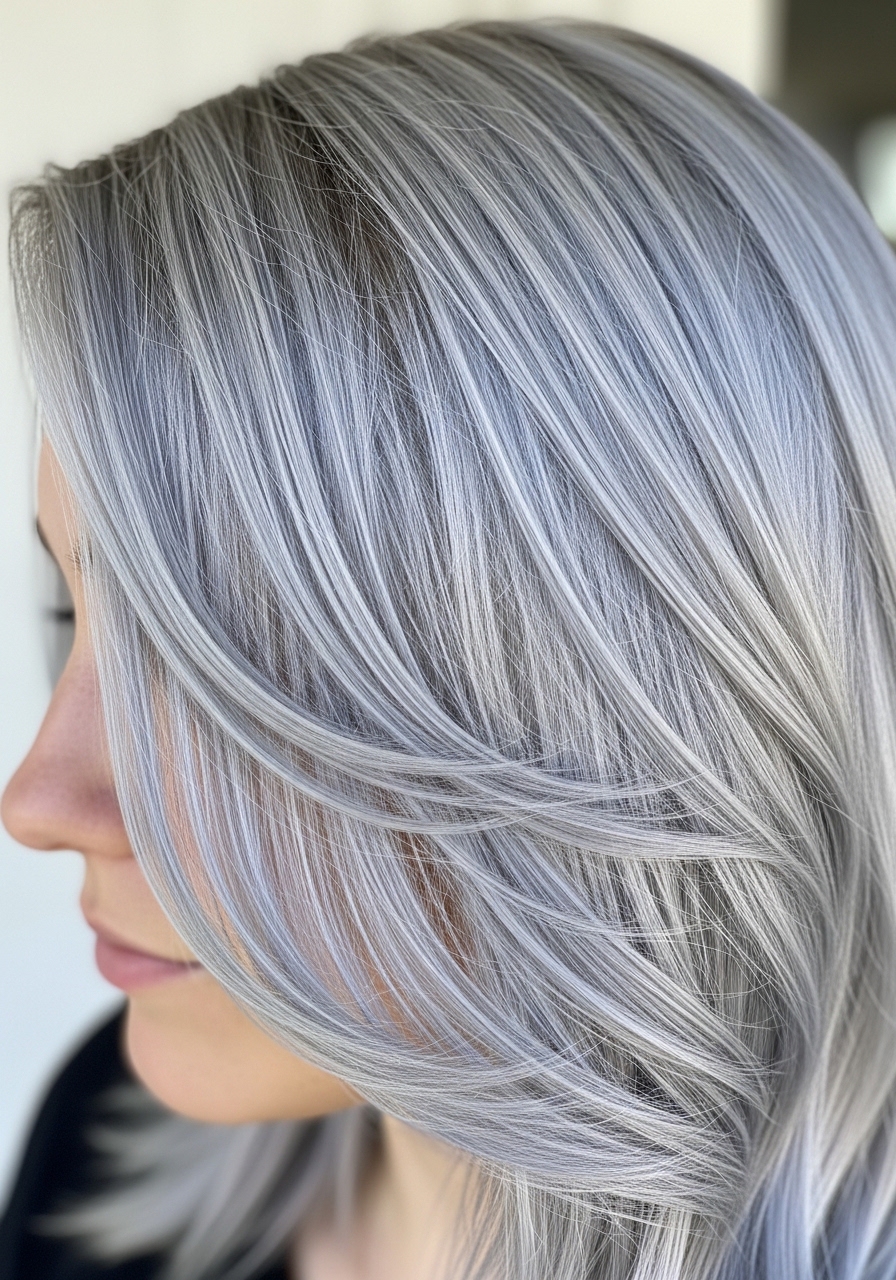
I tried silver once and learned it’s high maintenance. This rooted version gives the silver vibe without daily toning. The root depth keeps it from going brassy fast.
It behaves like a lived-in pastel. On second-day hair it still looks chic. On curly hair the lowlights create depth. On fine hair the pale ash keeps the look airy.
My styling slip-up: I used purple shampoo too often and dried the ends. Now I schedule glaze touch-ups and skip shampoo two days a week.
4. Subtle Copper Gloss on Textured Bobs
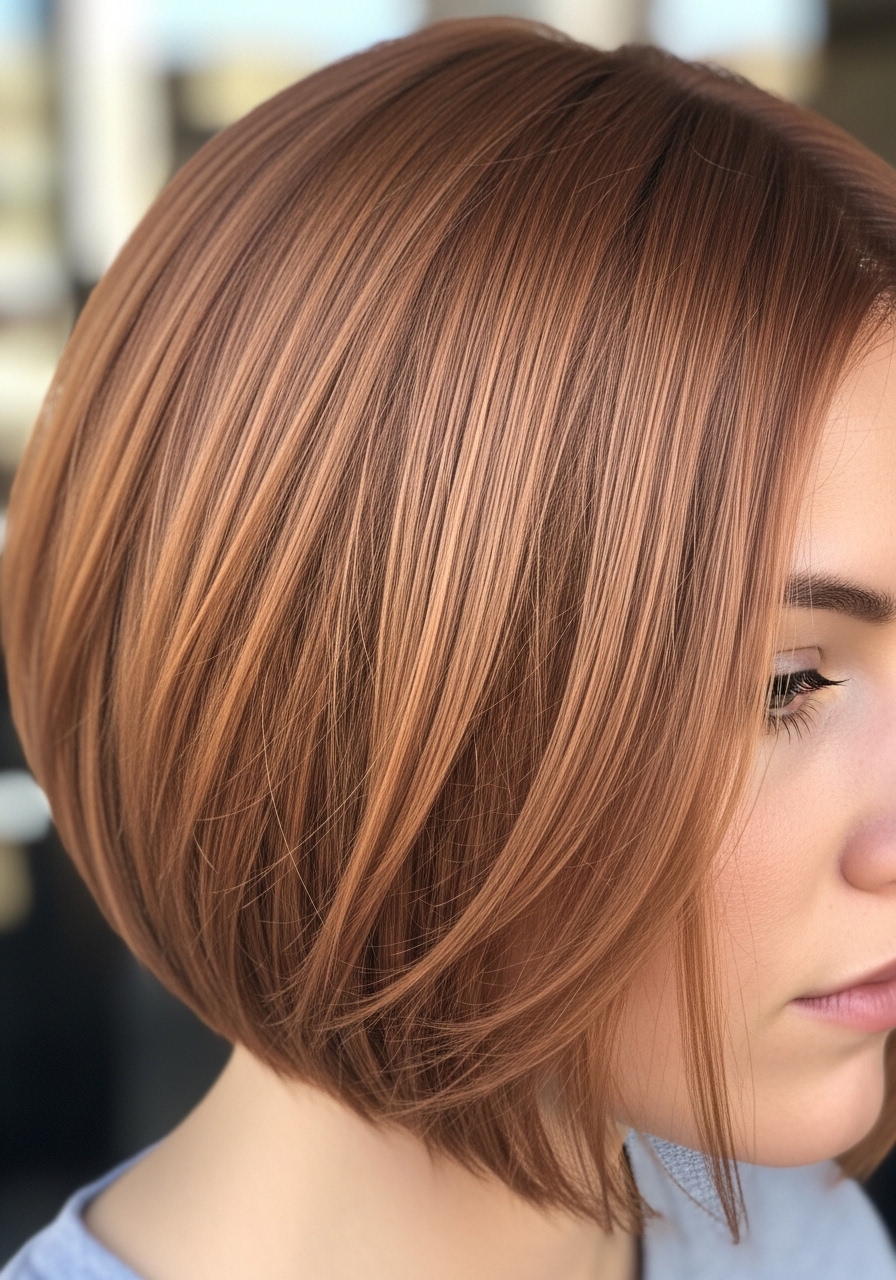
I added a copper gloss to my bob one spring and kept calling it “sunny but grown-up.” The gloss adds warmth without changing cut shape.
With texture it looks alive. The color fades into a softer caramel, which I like. In strong sun the copper deepens. On coarse hair it gives a nice polished look without daily styling.
My honest tip: say “deposit-only gloss.” I once agreed to lightening and ended up with orange tones. A pigment glaze preserves the cut and keeps upkeep low.
5. Milk Tea Brunette with Warm Babylights
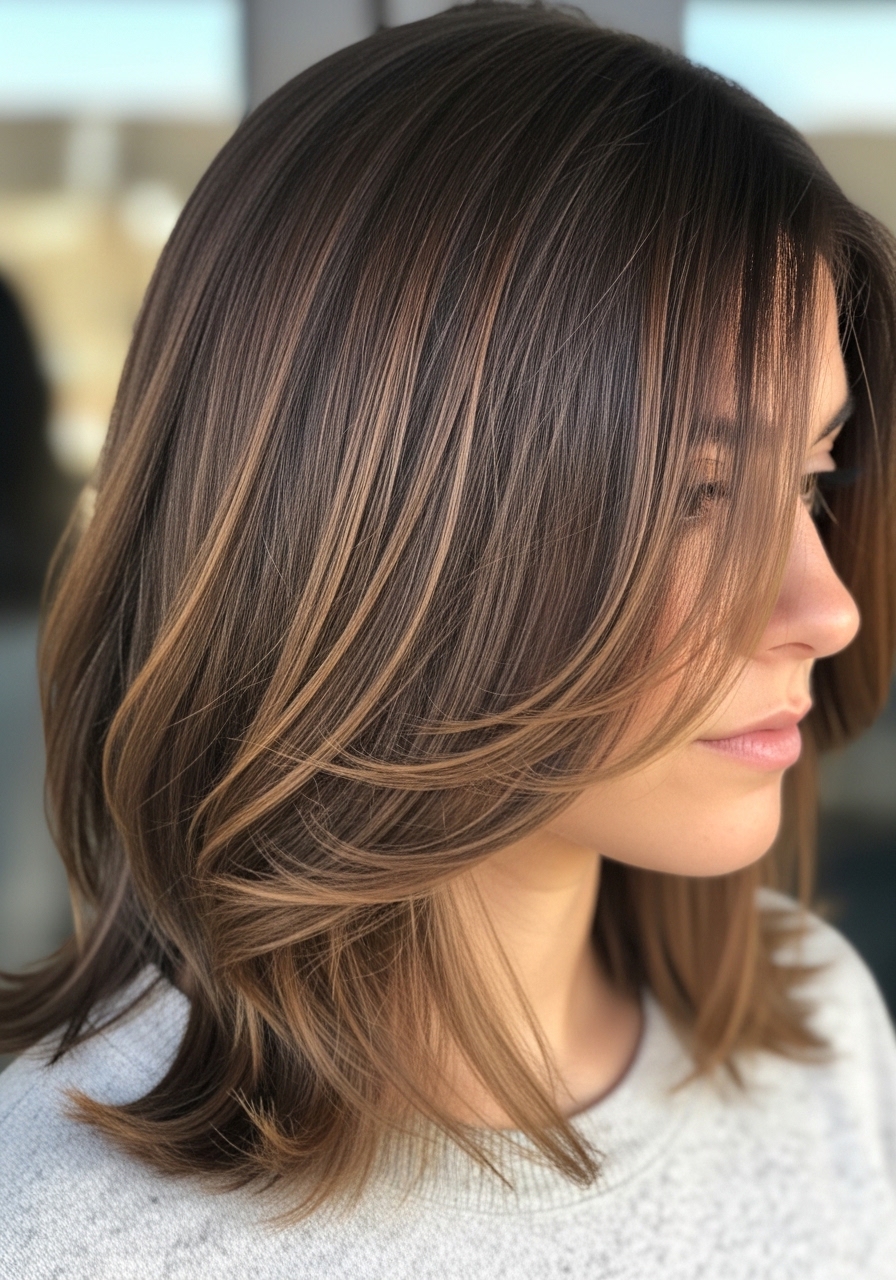
I picked milk tea brunette because I wanted something soft but not flat. My stylist added thin warm babylights that blend into my base.
It looks natural on non-wash days. The babylights catch light and make movement visible. For straight hair they add dimension. For wavy hair they break up any heaviness.
One mistake I made was asking for too many highlights. They looked striped. Now I ask for teaser babylights and a warm glaze. It lasts longer and looks more like me.
6. Butter Blonde with Darker Base for Thick Hair
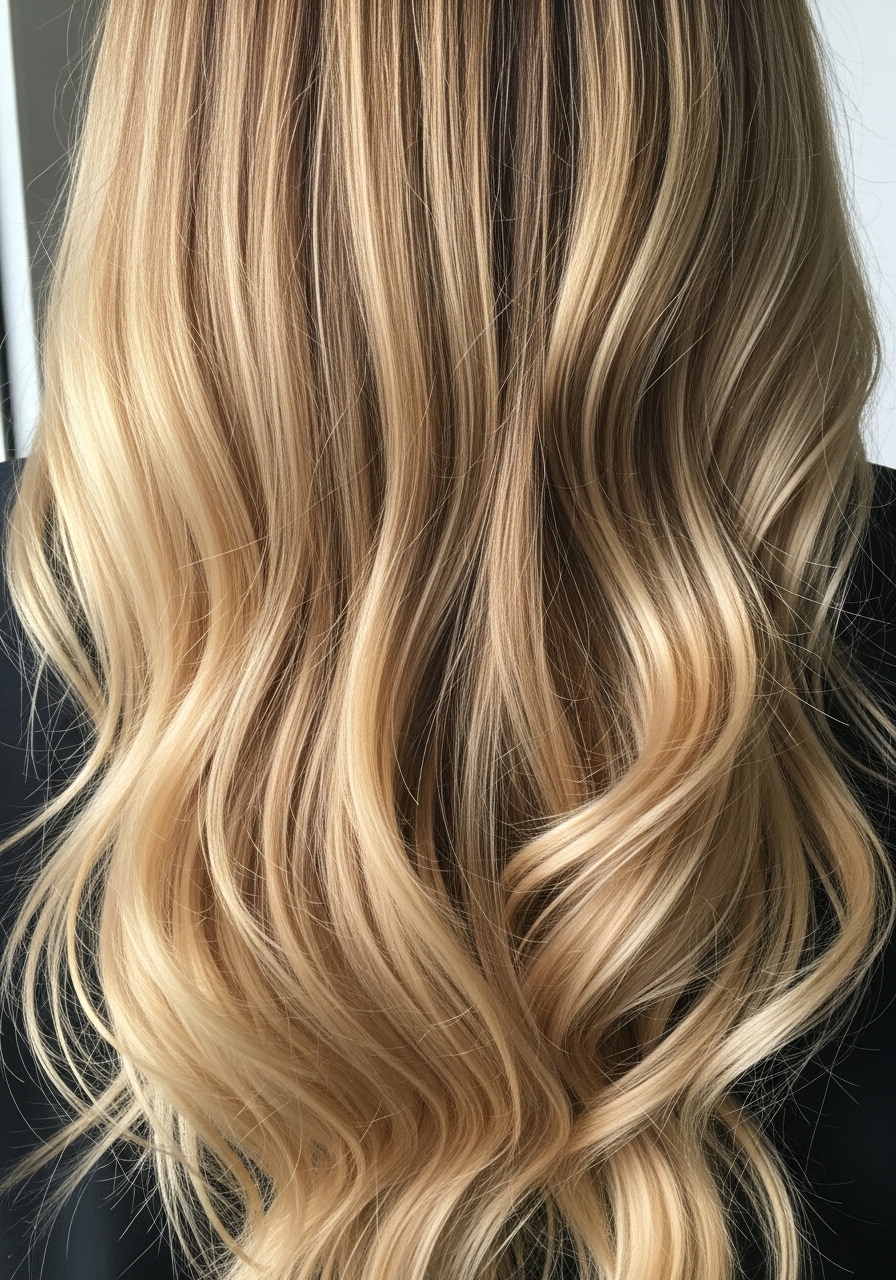
I went butter blonde but begged to keep a dark base. The contrast makes the blonde feel softer and less maintenance-heavy.
On thick hair the color layers beautifully. The ends read creamy while the roots give depth. After a few weeks it fades into a soft balayage look instead of yellow streaks.
I learned to sleep on silk and cool my styling iron. Heat made mine brass faster. Tell your colorist you want a colored root, not a shadow root, to avoid a harsh line.
7. Green-Blue Peekaboo Underlights for Short Cuts
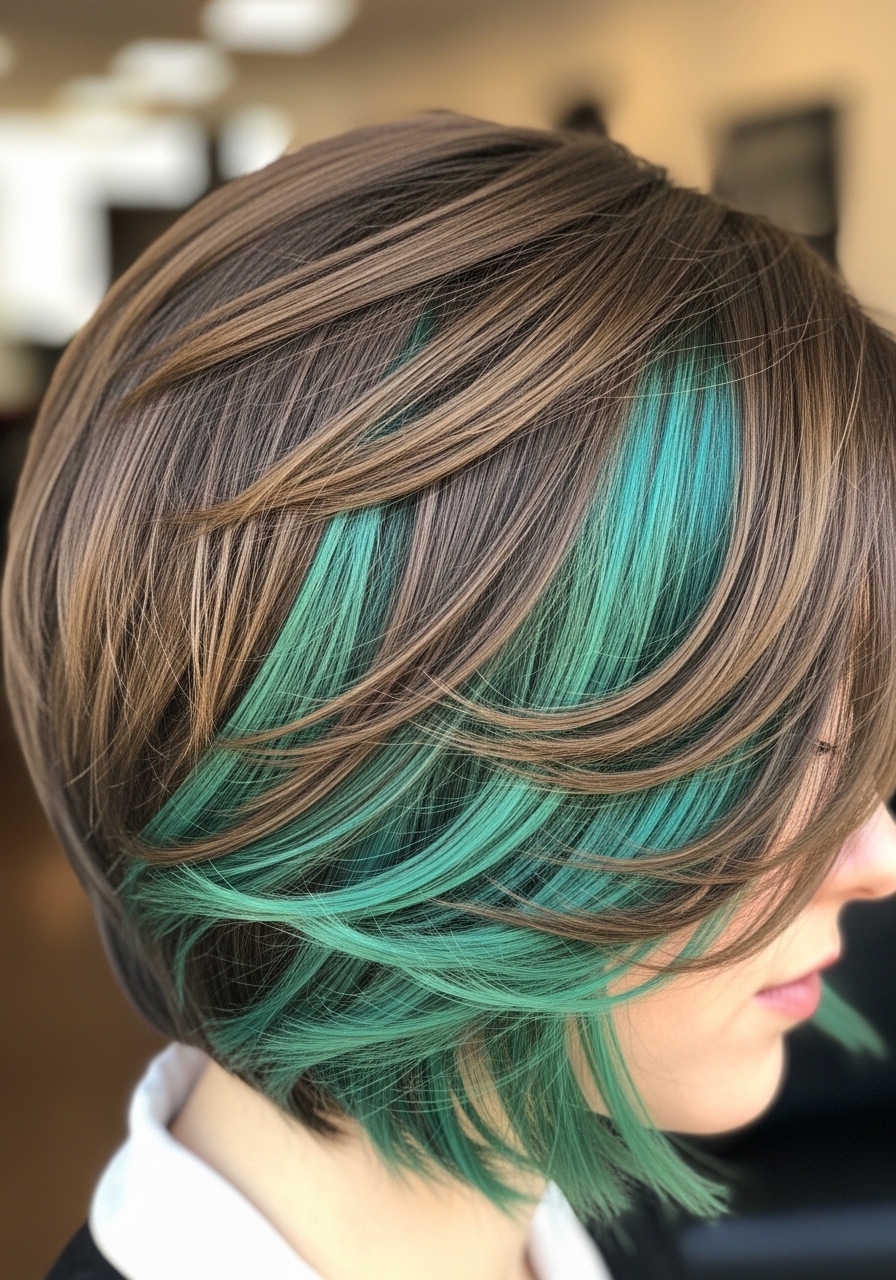
I hid green-blue under my short cut. It felt playful without being loud. When I flipped my hair the color peeked through.
It fades to teal then soft green. In sunlight the color pops. In office lighting it’s subtle. On fine hair underlights add personality without volume loss.
My styling slip: I left the panels too bright and had patchy fading. Now I ask for diluted pigment and a bond-building gloss. That made the fade softer and the color less needy.
8. Champagne Blonde with Soft Caramel Face-Framing
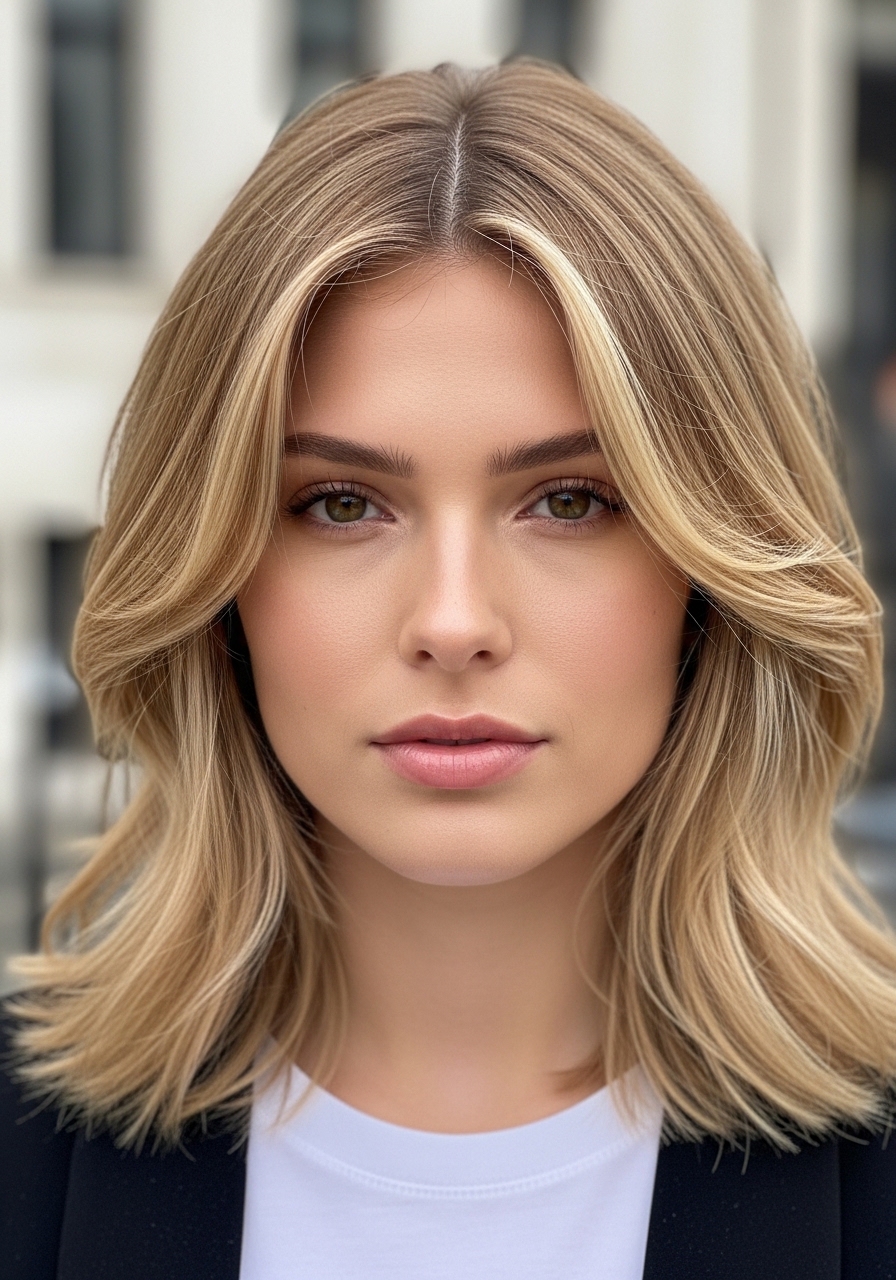
I wanted something that read light but didn’t wash me out. Caramel face-framing did the trick. It warmed my complexion and kept the blonde from feeling icy.
It looks fresh with loose waves. On greasy days the caramel hides roots. For olive skin it adds life. For pale skin it keeps things from being too stark.
My tip: ask for melted transitions. I once had a sharp line and it looked fake. A gentle hand with the balayage makes it age well.
9. Deep Espresso with Soft Warm Glaze for Low Maintenance
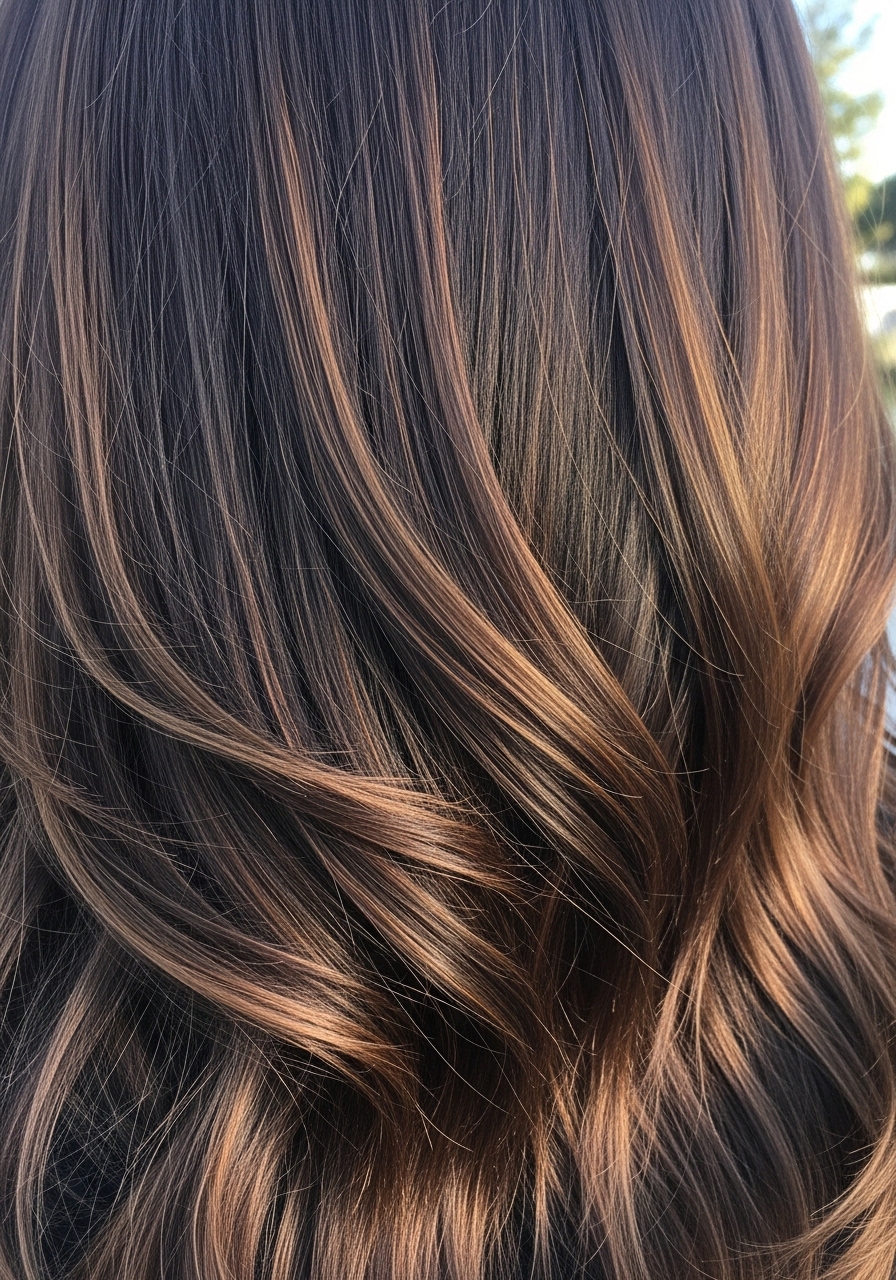
I chose deep espresso because I wanted no-fuss. The warm glaze gave a lived-in glow without daily effort.
It holds color well. After weeks it still looks like one rich tone rather than patchy. On sun-exposed ends a subtle sheen keeps things shiny. For coarse hair it tames frizz.
My mistake was skipping glaze touch-ups. The first time I waited too long and it went flat. Now I book a refresh every 10 weeks and it keeps looking intentional.
10. Iced Latte Ash on Mid-Length Layers
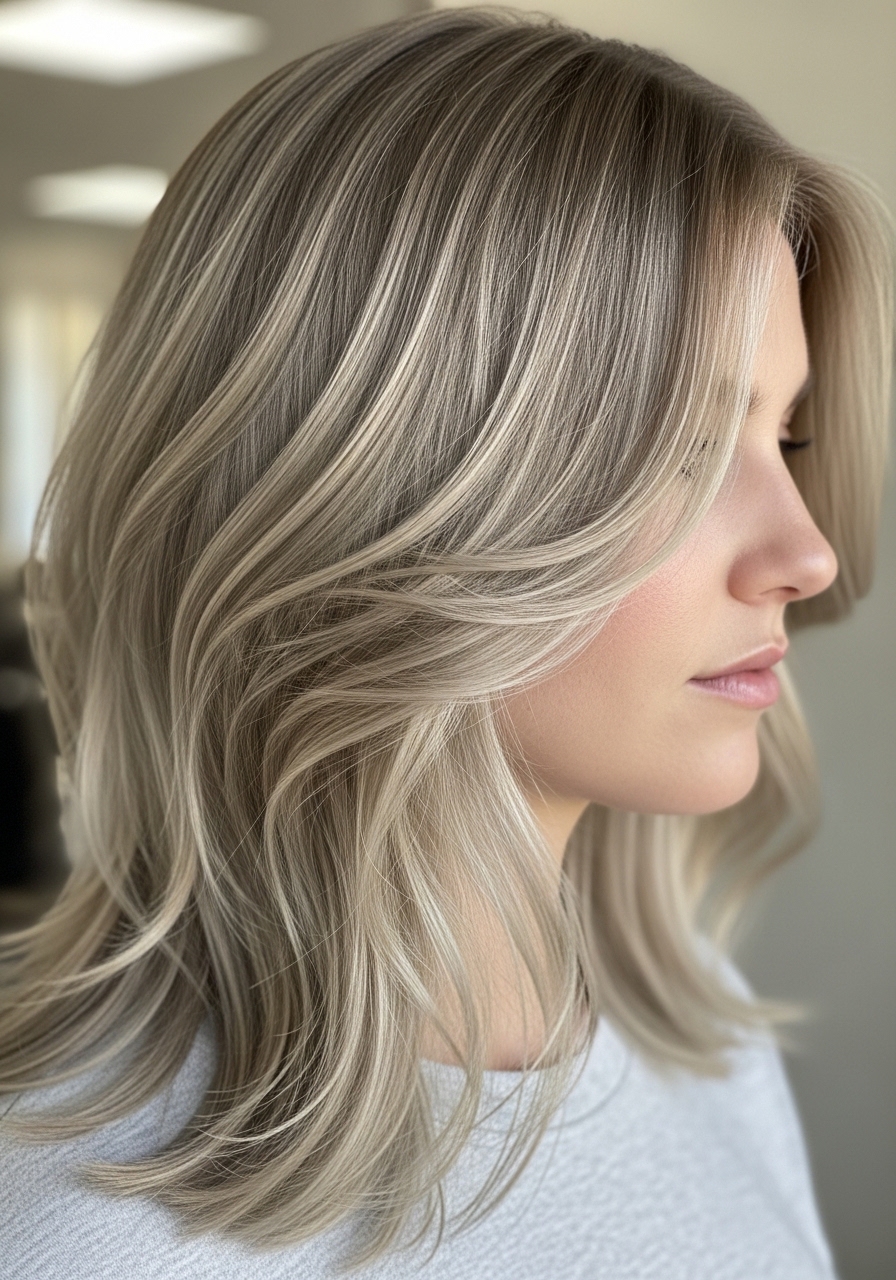
I tried iced latte ash because I wanted cool beige without the brass. It looked neutral in photos and more lived-in in real life.
It softens with natural oils. Day three it reads smooth. On straight hair it looks chic. On wavy hair it becomes a soft, cool wash.
A styling insight: too-hot irons pull ash into dullness. I cut heat and add a shine mist instead. Say “low-lift ash” to your stylist to avoid orange undertones.
11. Golden Auburn Shadow Root for Curly Hair
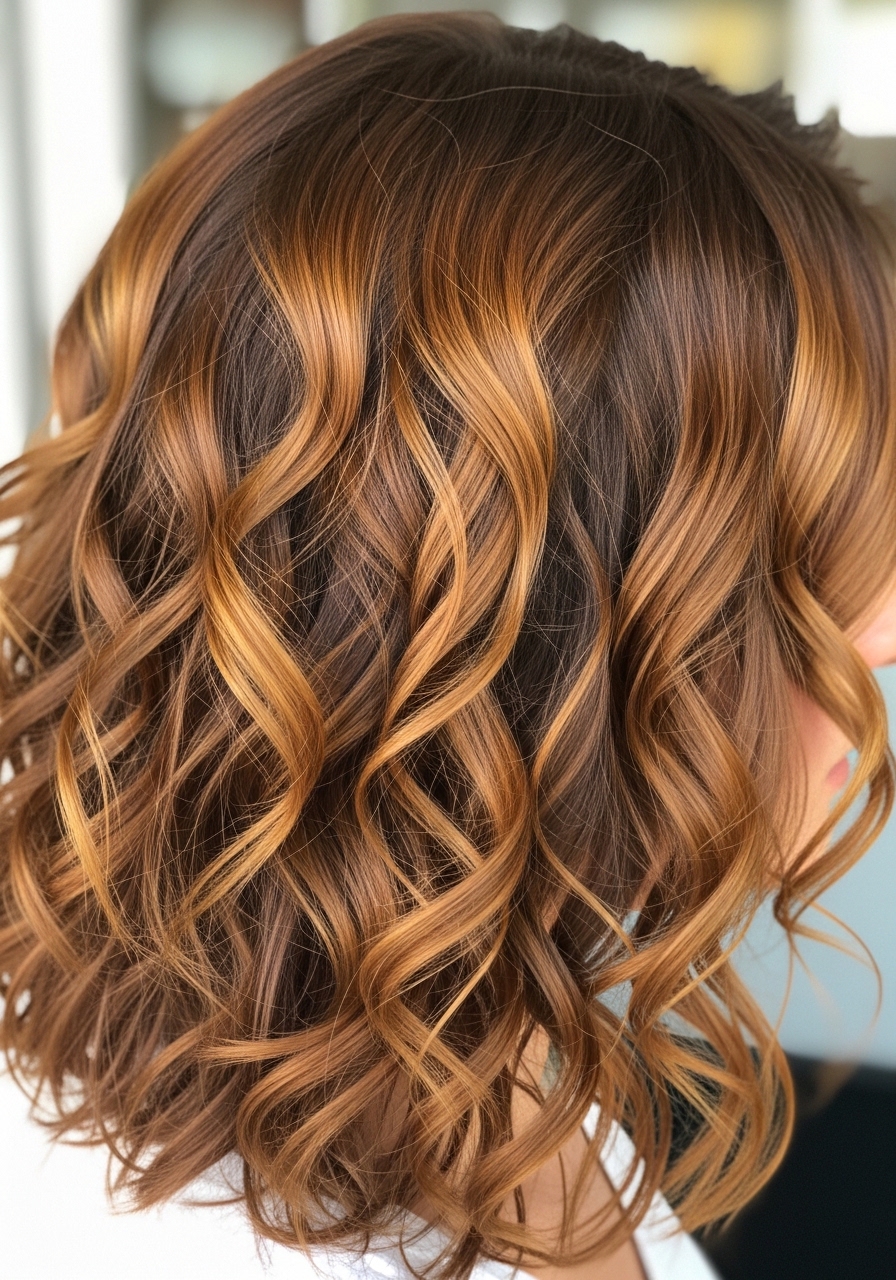
I added golden auburn to my curls and kept a shadow root. It gave warmth without stripping curl definition.
Curls keep the color lively. The auburn sits on the surface and leaves spring bounce. In humidity the shade deepens but still looks natural. On tight coils it gives dimension without flattening.
I once asked for full red and ended with uneven color. I now tell my stylist to paint and blend in the curl pattern. That small change made all the difference.
12. Pale Peach Pastel with Root Melt for Short Layers
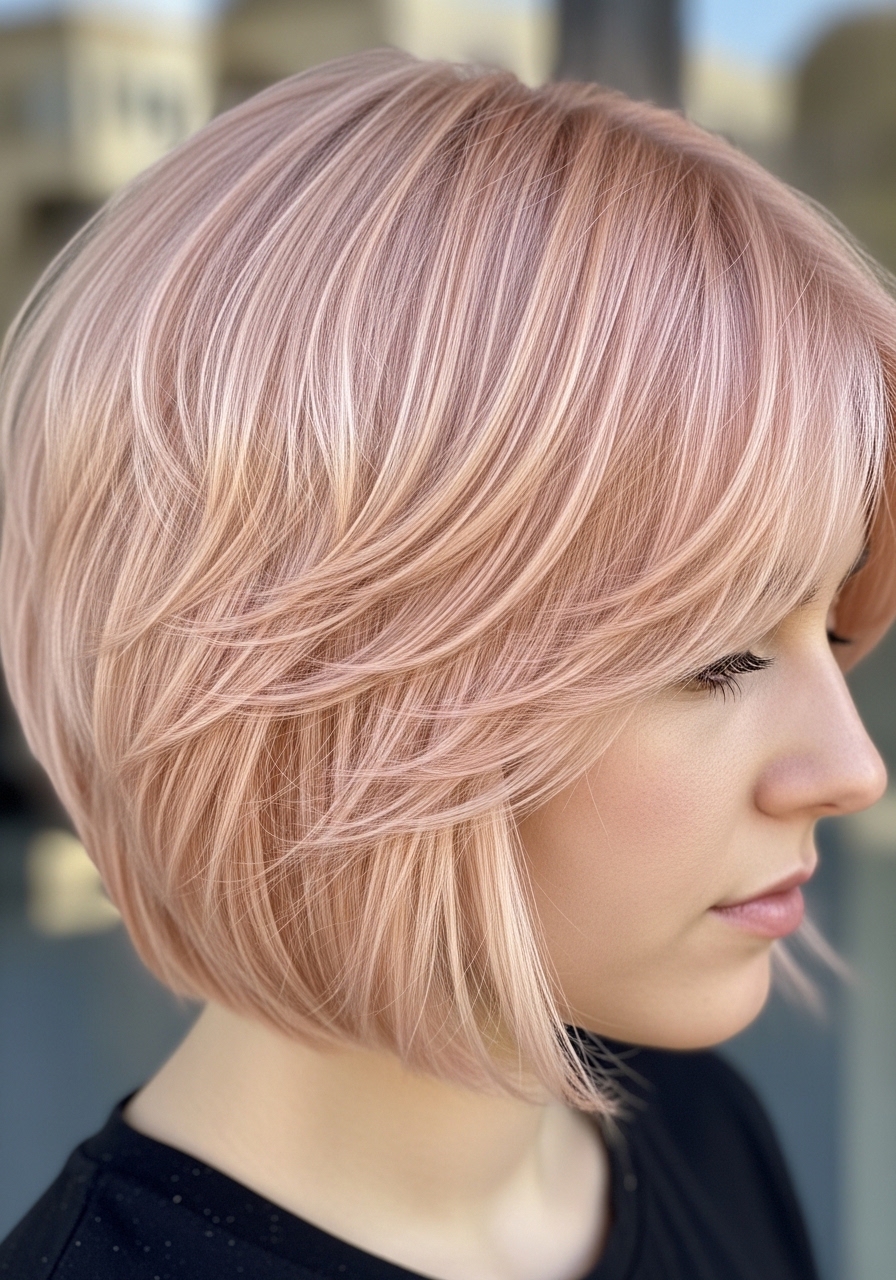
I flirted with peach and learned root melts are a lifesaver. The soft peach reads delicate, not costume-y, when the root blends into it.
The pastel fades into a warm beige over a few weeks. It’s forgiving on second-day hair. For fine layers the color emphasizes texture. For thicker cuts it reads like a soft wash.
Tip: ask for a deposit-only pastel and a root melt. I once had a harsh line and it looked like two colors. The melt keeps it natural as it fades.
13. Caramel Ombre on Long Blunt Ends
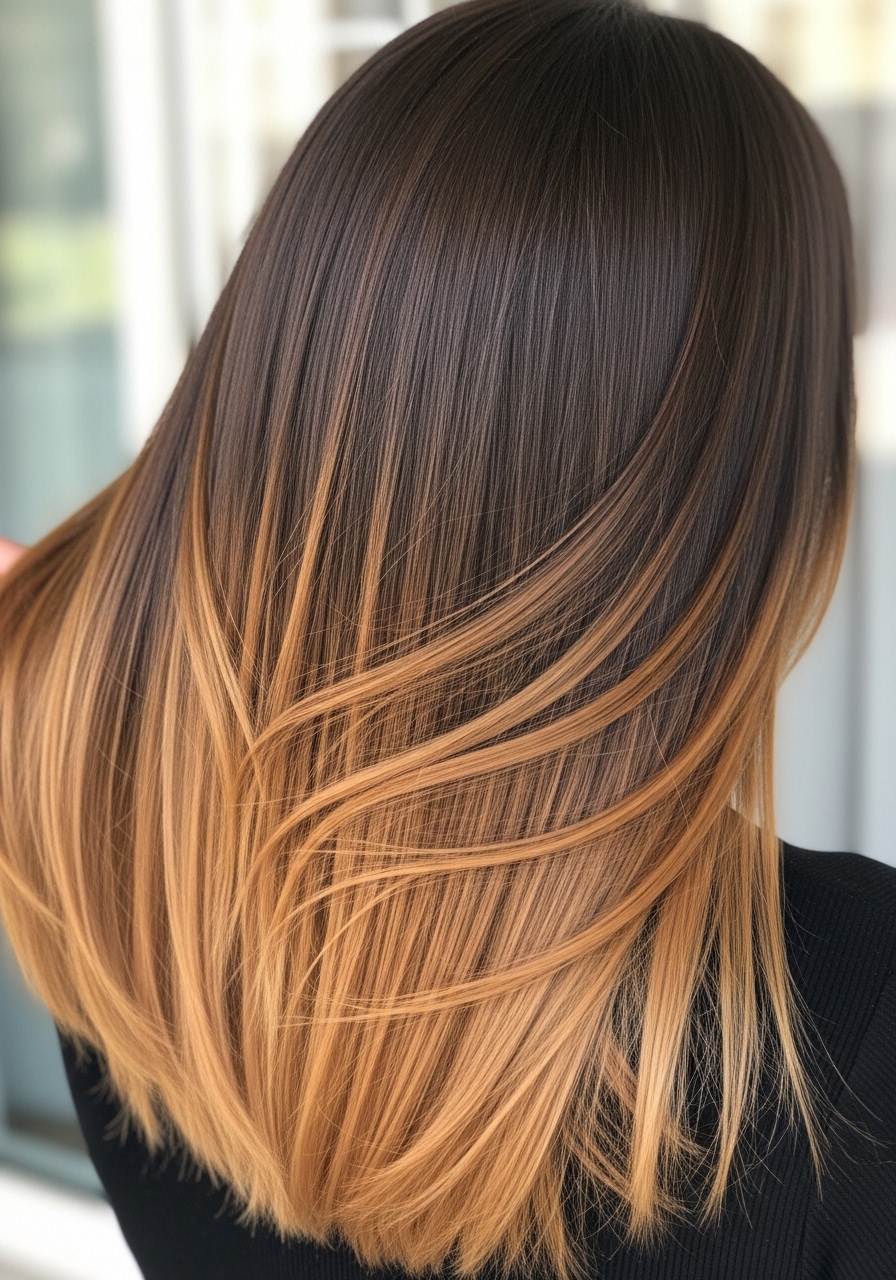
I wanted length to shine, not the color. Caramel ombre kept most of my natural color and brightened only the mid-lengths.
It ages well. Weeks in it becomes a gentle sun-kissed fade. For thick hair the gradient adds lightness. For fine hair it adds the illusion of density near the roots.
My error was letting my stylist lift too high. The ends took too much and felt straw-like. Now I request a mid-length lift only and a deep conditioning gloss after.
14. Dusty Mauve Highlights in a Dark Brunette Base
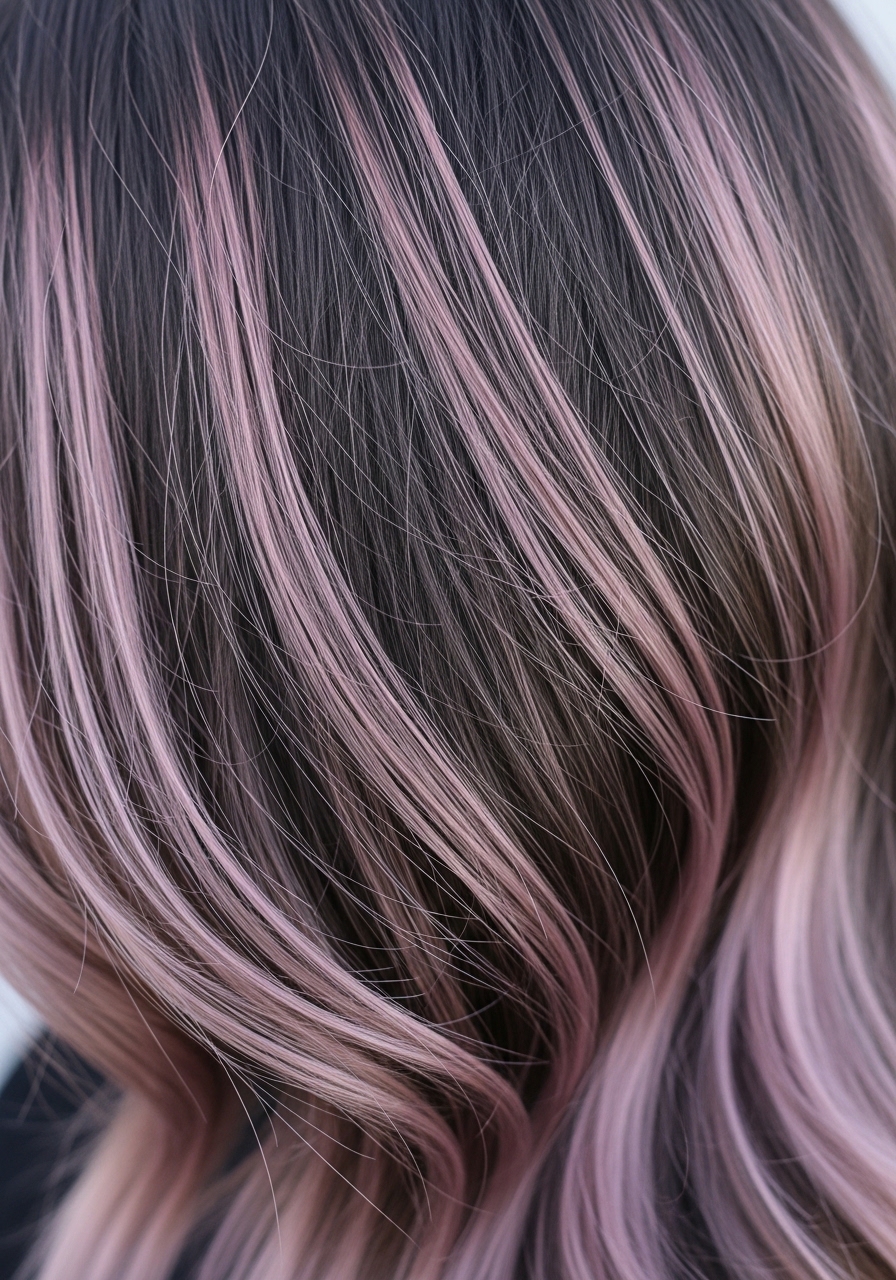
I added dusty mauve highlights to dark hair for a soft, modern twist. They show up in the right light and disappear in low light.
They fade into a neutral rose shade that still looks interesting. For straight hair they read like subtle ribbons. For curly hair they add pop when curls separate.
A practical note: purple pigments can stain towels early on. I had a pink pillowcase week one. Ask for semi-permanent color and a color-safe conditioner to tame early bleed.
15. Champagne Rose Gold with Root Softening
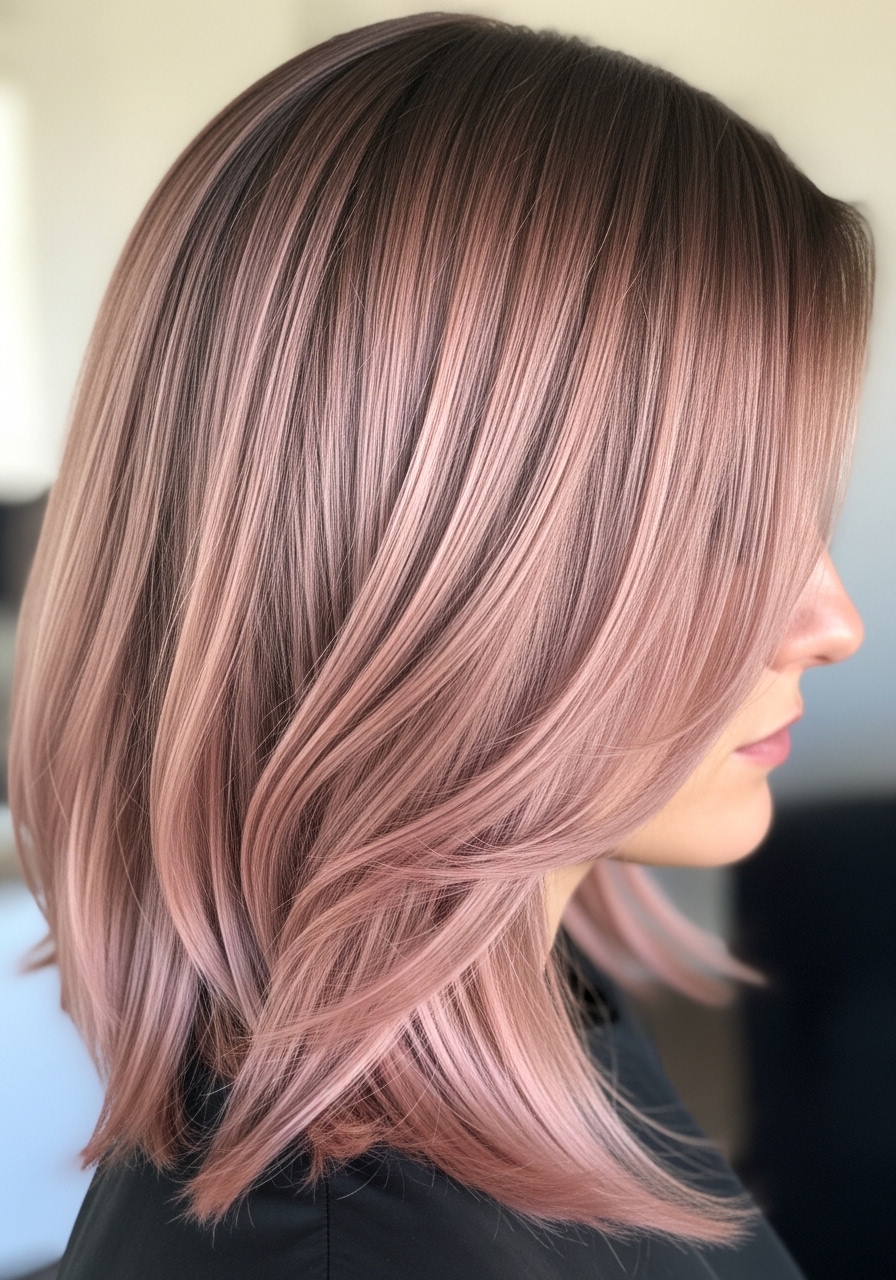
I tried champagne rose gold and kept the root softened. It gave a blush tone without high upkeep.
It looks shiny in daylight and soft indoors. On second-day hair the rose subsides but the warmth remains. For medium thickness it looks salon-fresh longer than I expected.
My mistake was over-toning at home. I scrubbed the gloss too soon. Now I book a glaze and ask for "soft root blending" so the color can fade nicely instead of patching.
16. Espresso Brown with Copper Babylights for Movement
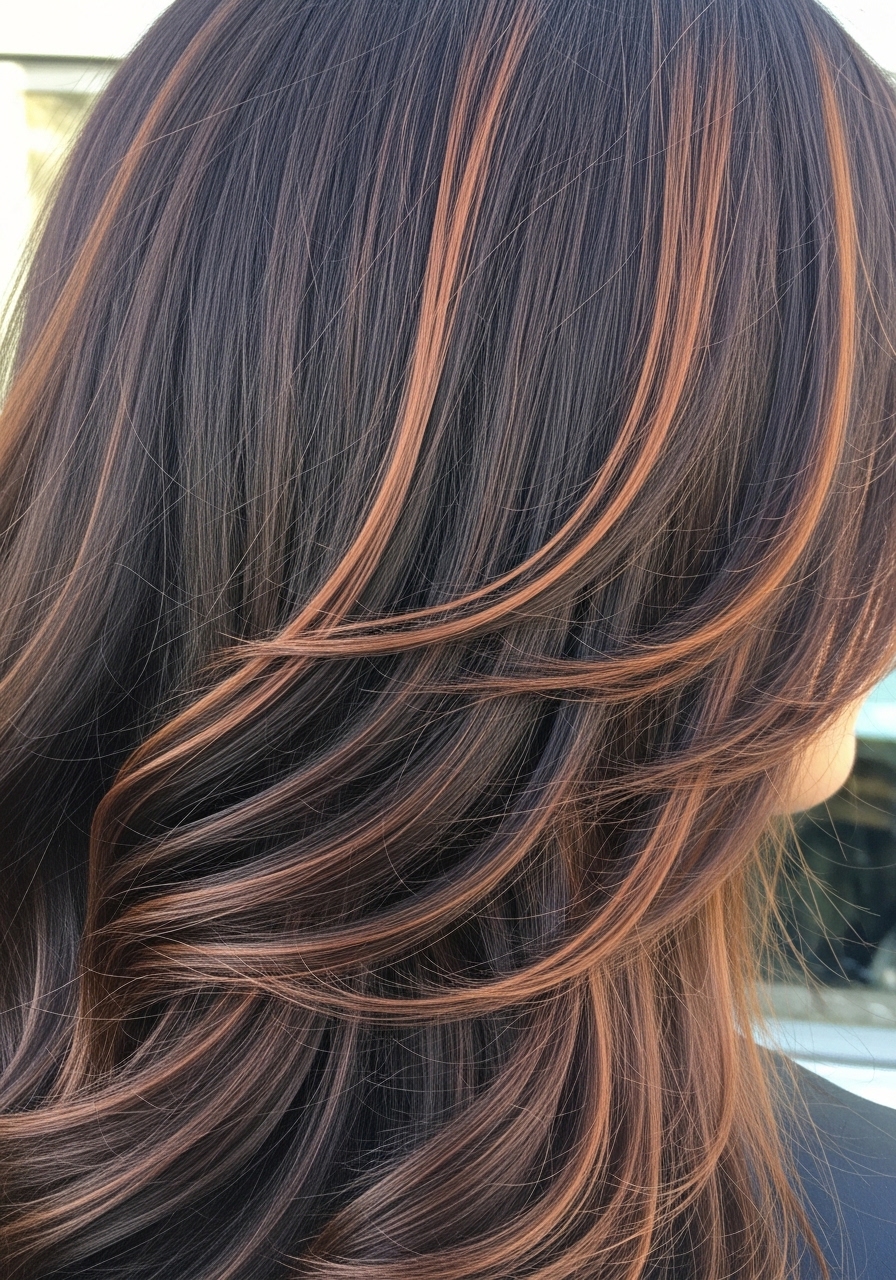
I wanted dark hair that didn’t look flat. Copper babylights added little streaks of interest. They’re thin and scattered, not full panels.
They catch light as I move. Weeks in they read like a sun-kissed brown rather than red. For straight hair they create ripple. For waves they look like natural highlights.
Practical tip: ask for micro babylights and a warm glaze. The first time I asked for chunky highlights and they looked dated. Smaller pieces read natural and last longer.
17. Pale Blond with Soft Beige Lowlights for Dimension
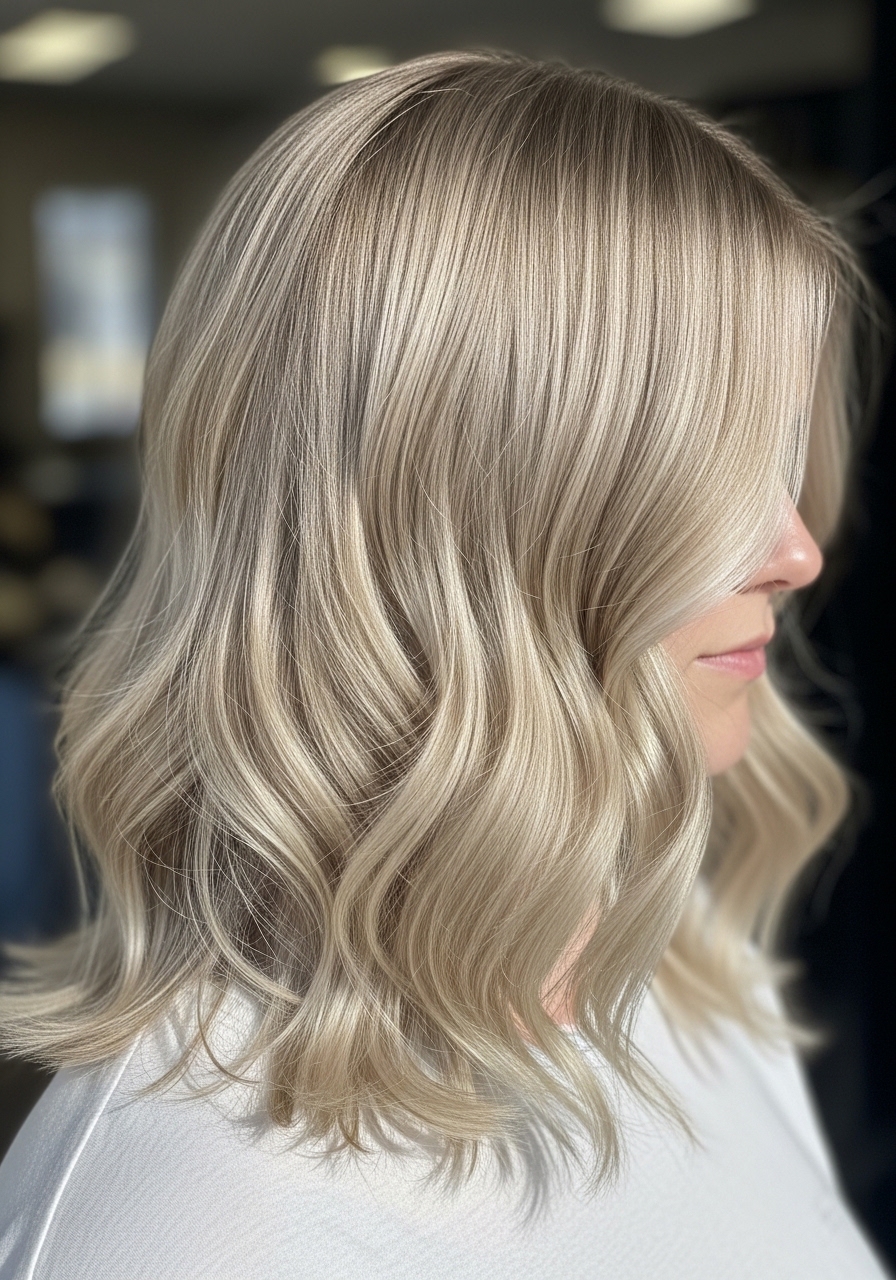
I went pale but wanted dimension. Beige lowlights kept the blonde from looking flat or too icy.
It stays interesting as it grows out. On day four it still looks layered, not washed. For fine hair the lowlights fake thickness. For thick hair they break up bulk.
I learned to avoid ashy shampoos too often. I once stripped warmth and made my ends dull. Now I swap in a moisturizing purple product sparingly and ask my stylist for a warm beige glaze.
18. Bronde with Golden Face-Framing Babylights
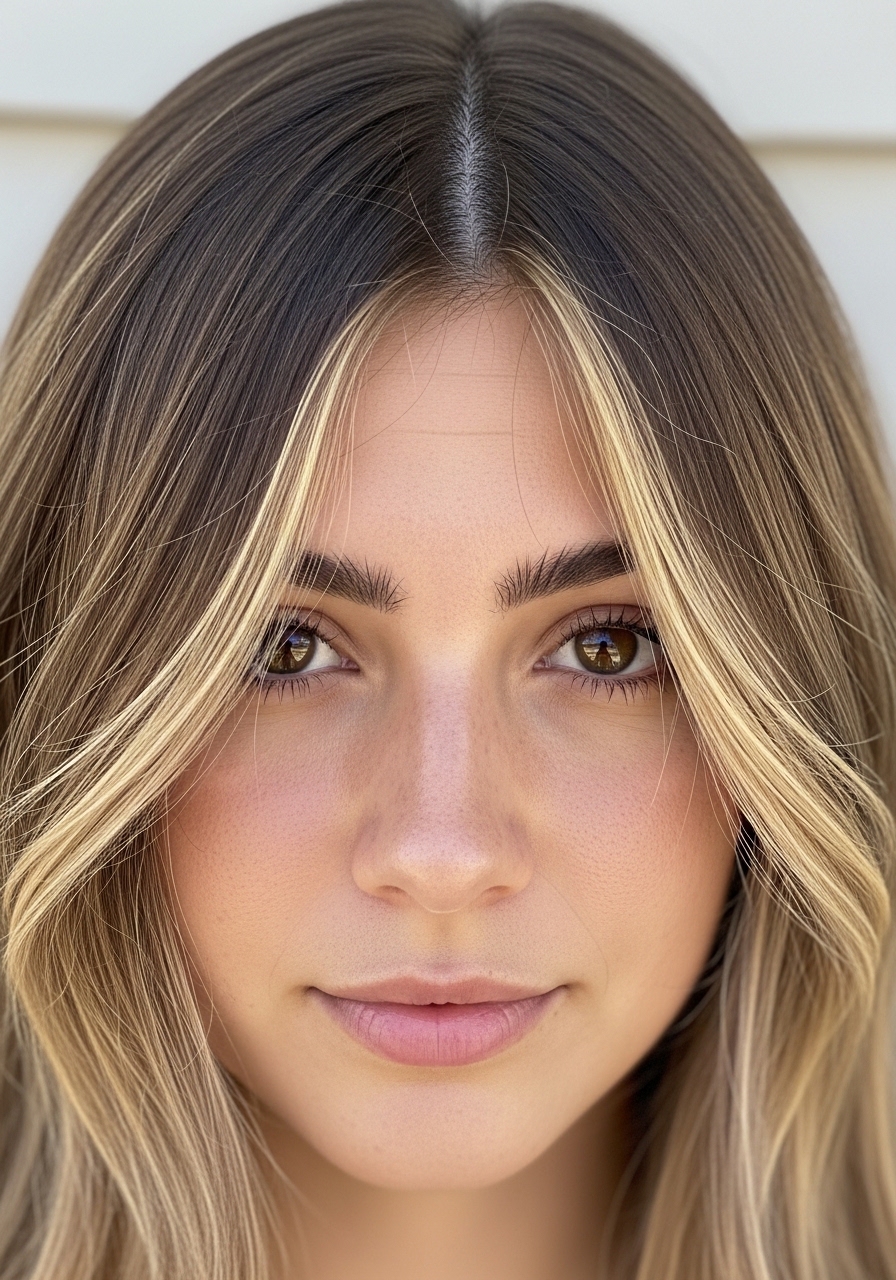
I picked bronde because I couldn’t commit to blonde. Golden face-framing babylights made my features pop.
It’s very low drama but not boring. The face pieces brighten the whole face even on tired mornings. For straight hair the babylights read sleek. For curly hair they highlight curl separation.
Tell your stylist “soft face-framing babylights only.” I once ended up with too much brightness around my face. More restraint equals more wearable color.
19. Copper-Red Shading into Soft Caramel Ends
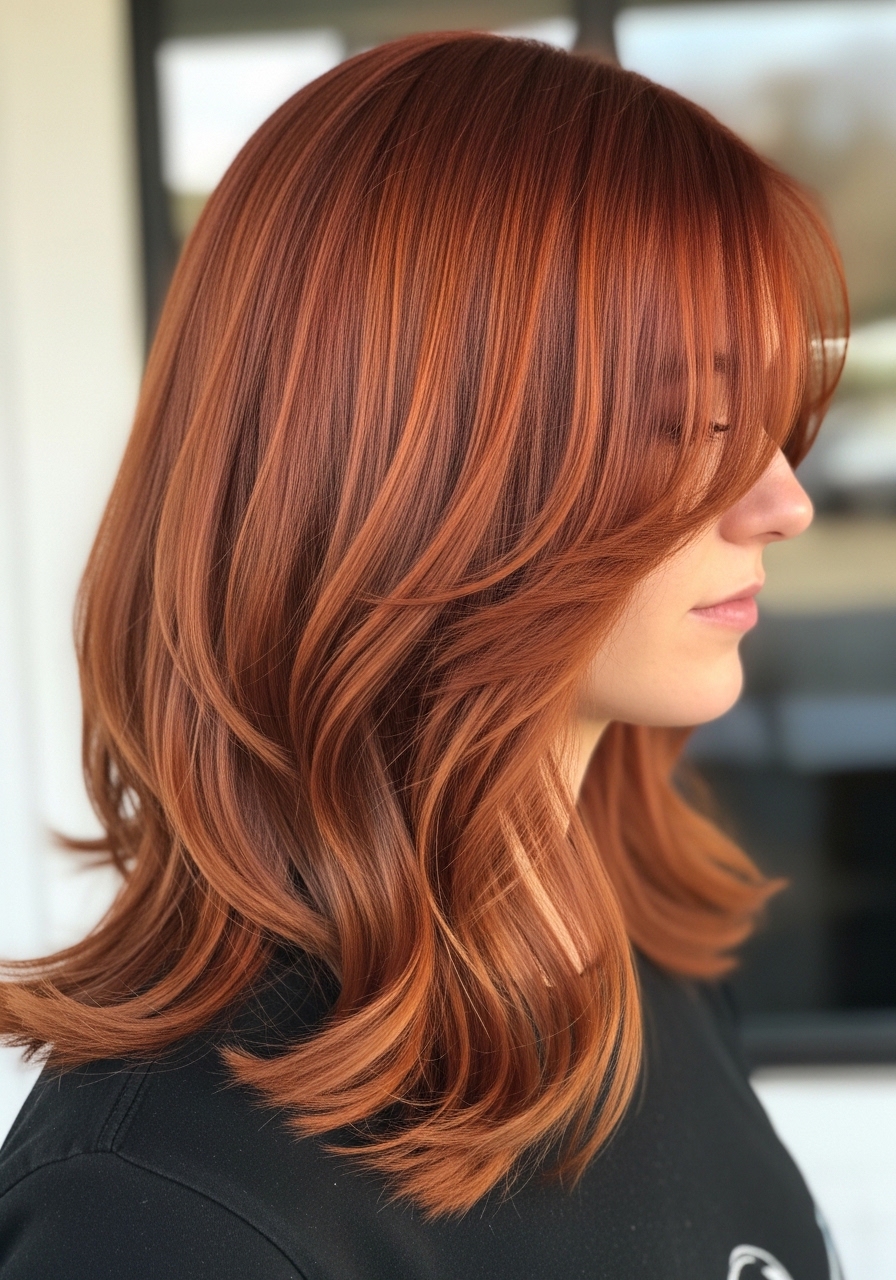
I leaned into copper-red but asked to soften the ends. That shading kept the color from feeling too heavy as it faded.
The top stays vivid while the ends mellow. In sunlight it’s fiery. In office light it’s cozy. For thick hair the gradient lightens weight. For thin hair it reads fuller toward the scalp.
My slip-up: I once let my stylist over-process the ends. They needed a trim. I now ask for a softer lift at the mid-lengths and a conditioning finish to avoid crunchy ends.
20. Soft Platinum Peekaboo at the Nape
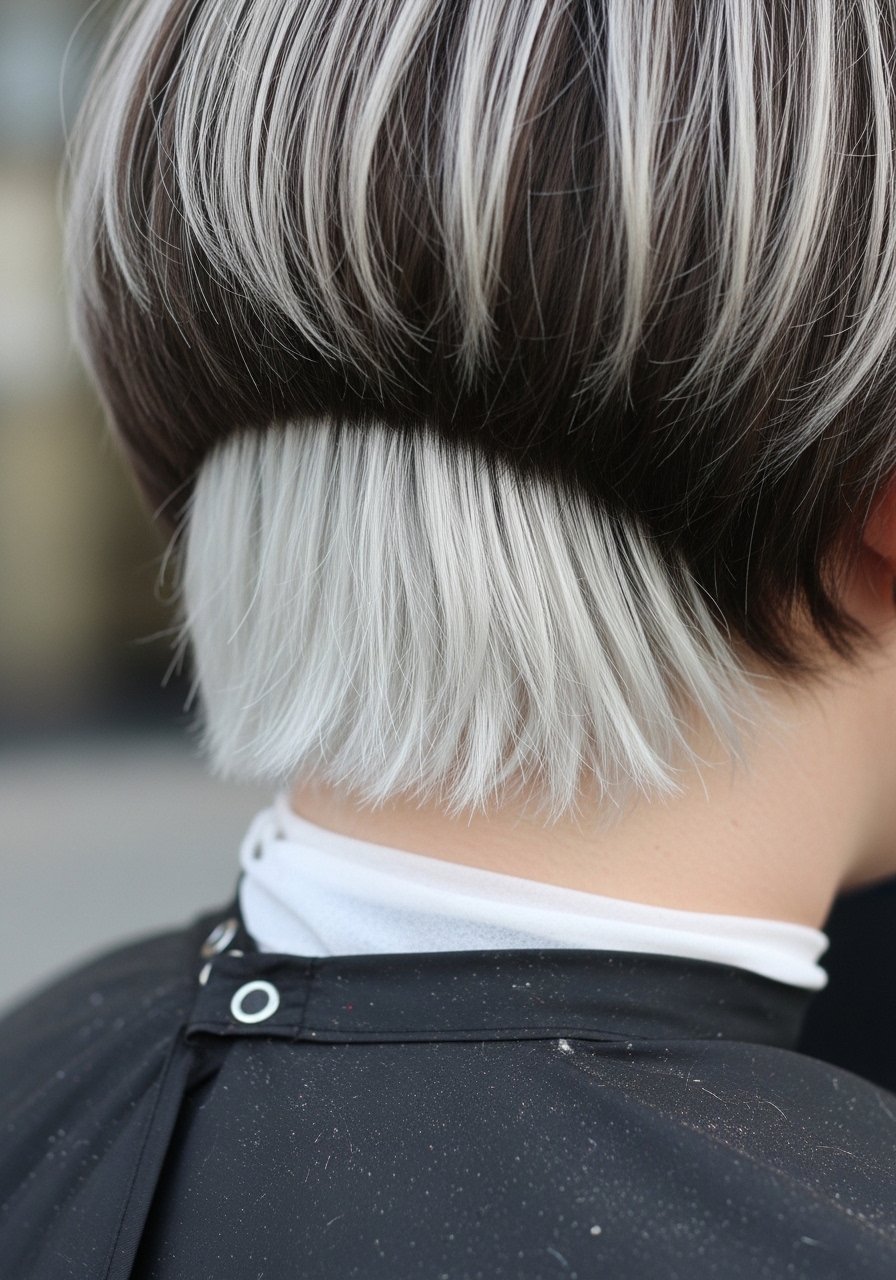
I wanted platinum without daily maintenance. A peekaboo panel at the nape gave that edge only when I tied my hair up.
It’s bold only on demand. The platinum fades into a cool beige that still looks intentional. For short cuts it’s playful. For long hair it’s a secret punch.
My practical tip: keep the panel small. I once did a larger piece and the upkeep became a chore. A tiny peek keeps the fun and cuts maintenance.
21. Smoky Lavender with Soft Root Shadow
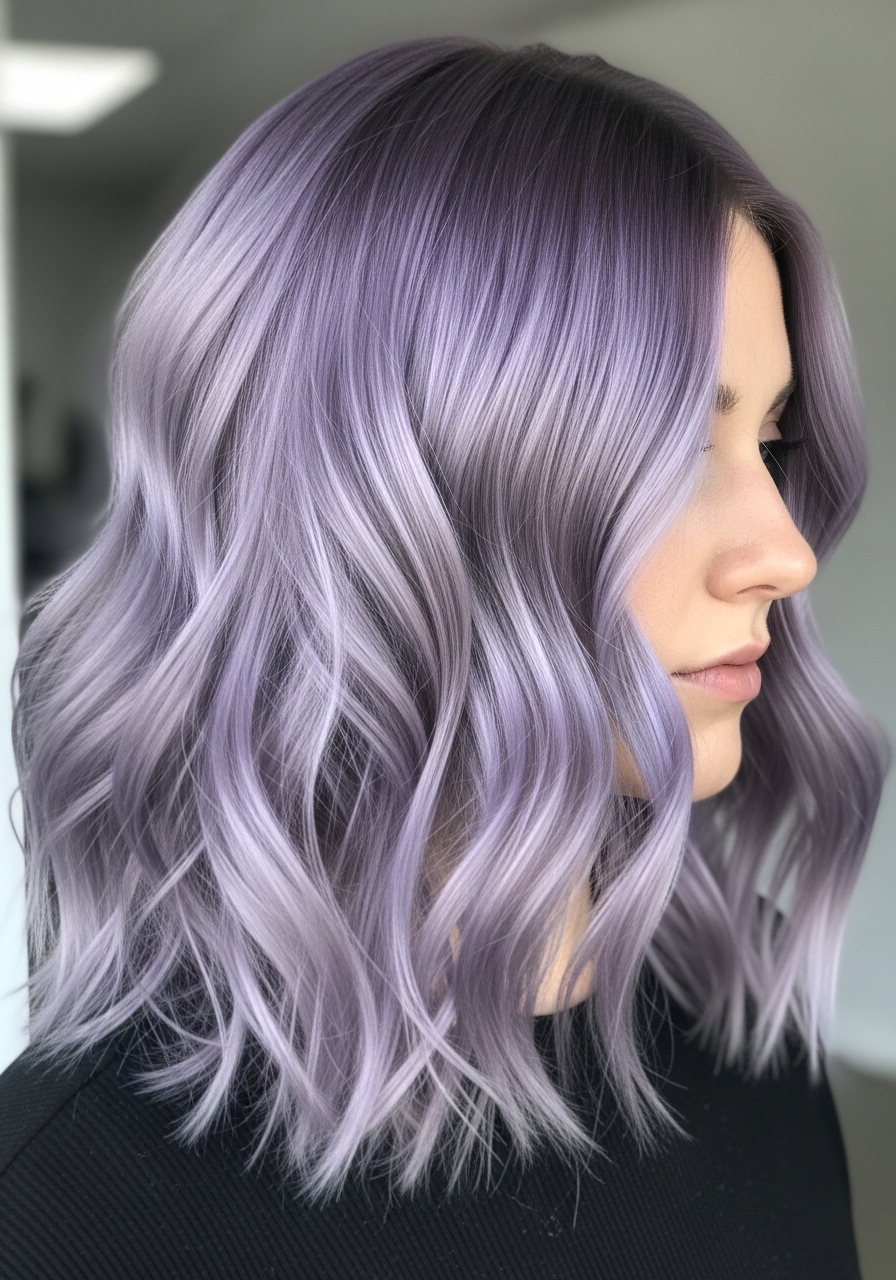
I tried smoky lavender because I wanted color that reads mature. The root shadow keeps it grounded.
It fades into a dusty rose-beige that doesn’t look odd. On textured hair it creates depth. In bright light you still see the lavender whisper.
I made the mistake of over-bleaching initially. My ends got fragile. I learned to ask for a toned, diluted lavender and to space appointments so my hair recovers between lifts.
22. Warm Almond Brown with Honey Halo Lights
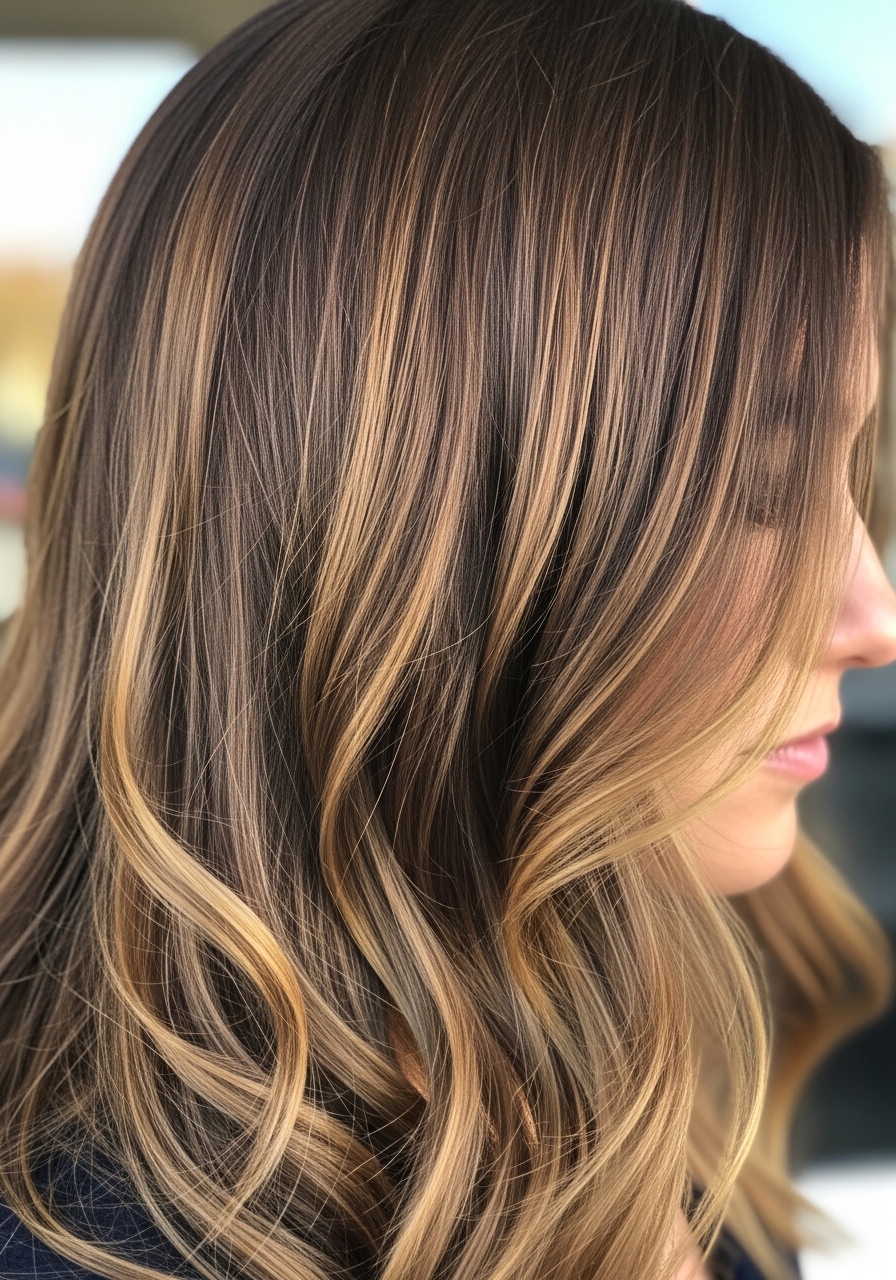
I wanted warmth without full blonde. Honey halo lights around the face made my skin look fresher instantly.
They frame the face and brighten naturally. Weeks later the halo still looks like natural sun-lightening. For thin hair the halo adds lift. For thick hair it prevents heaviness around the face.
Ask for delicate, face-focused pieces and a warm glaze. I once requested a halo and got bulky chunks. Light hand here makes the look wearable every day.
23. Warm Taupe with Subtle Copper Undertones
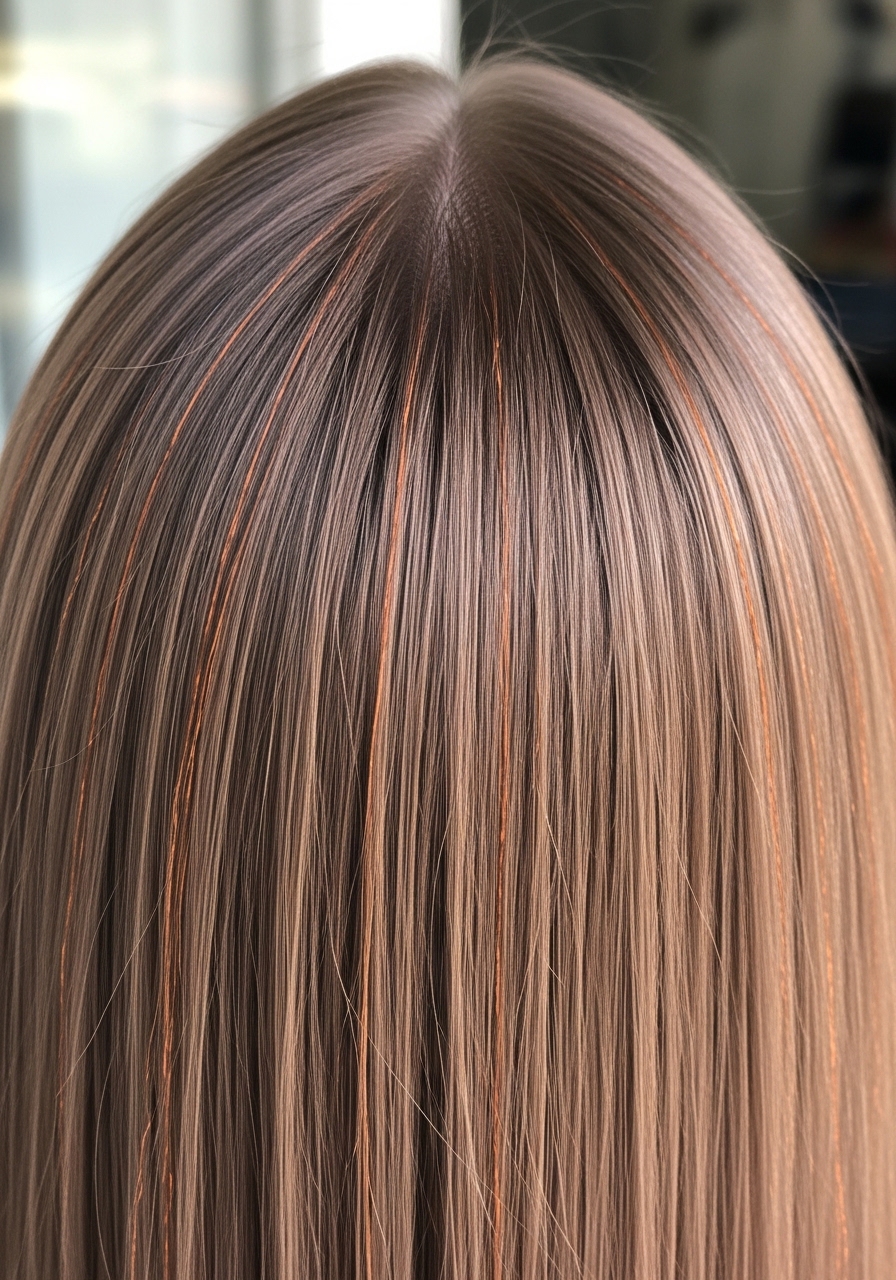
I wanted neutral but a little different. Warm taupe with copper undertones reads modern and grounded.
It shifts with light. Indoors it’s taupe. Outside it reveals a warm copper hint. For fine hair it adds depth. For coarse hair it softens harsh contrasts.
A styling mistake I learned from: I used heavy shampoos that dulled the copper. Now I use gentle cleansers and ask for a glaze every 8–10 weeks to keep the undertones alive.
24. Champagne Blonde Halo Root for Face Brightening
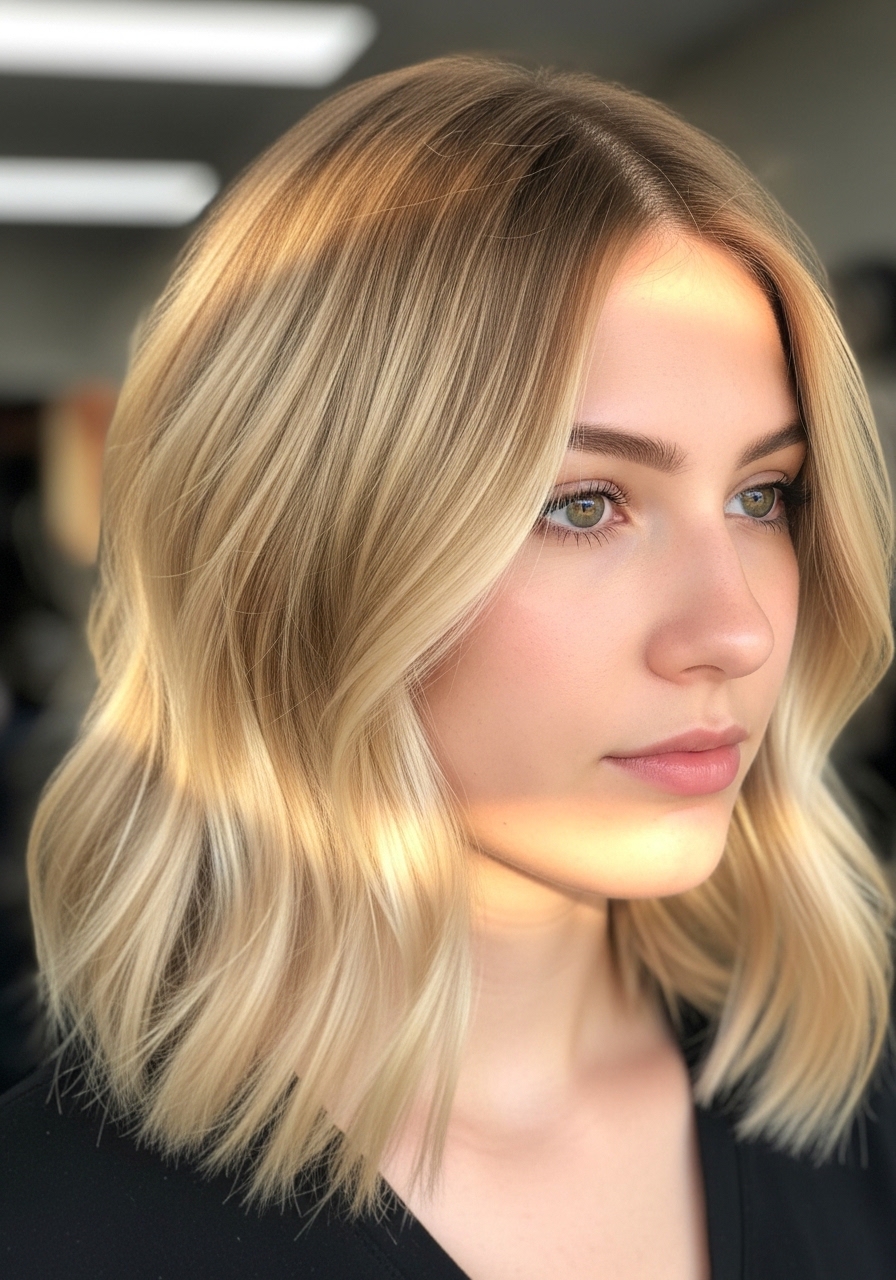
I asked for a halo root to brighten my face without a full blonde. It acts like a natural highlight frame.
It makes tired skin look fresher. It grows out softly and hides regrowth. For straight hair the halo looks crisp. For waves it blends more.
My advice: request “halo root only—no full lift.” I once had my whole head brightened and regretted the upkeep. This technique gives brightness and keeps life simple.
25. Walnut Brown with Honey Babylights for Natural Glow
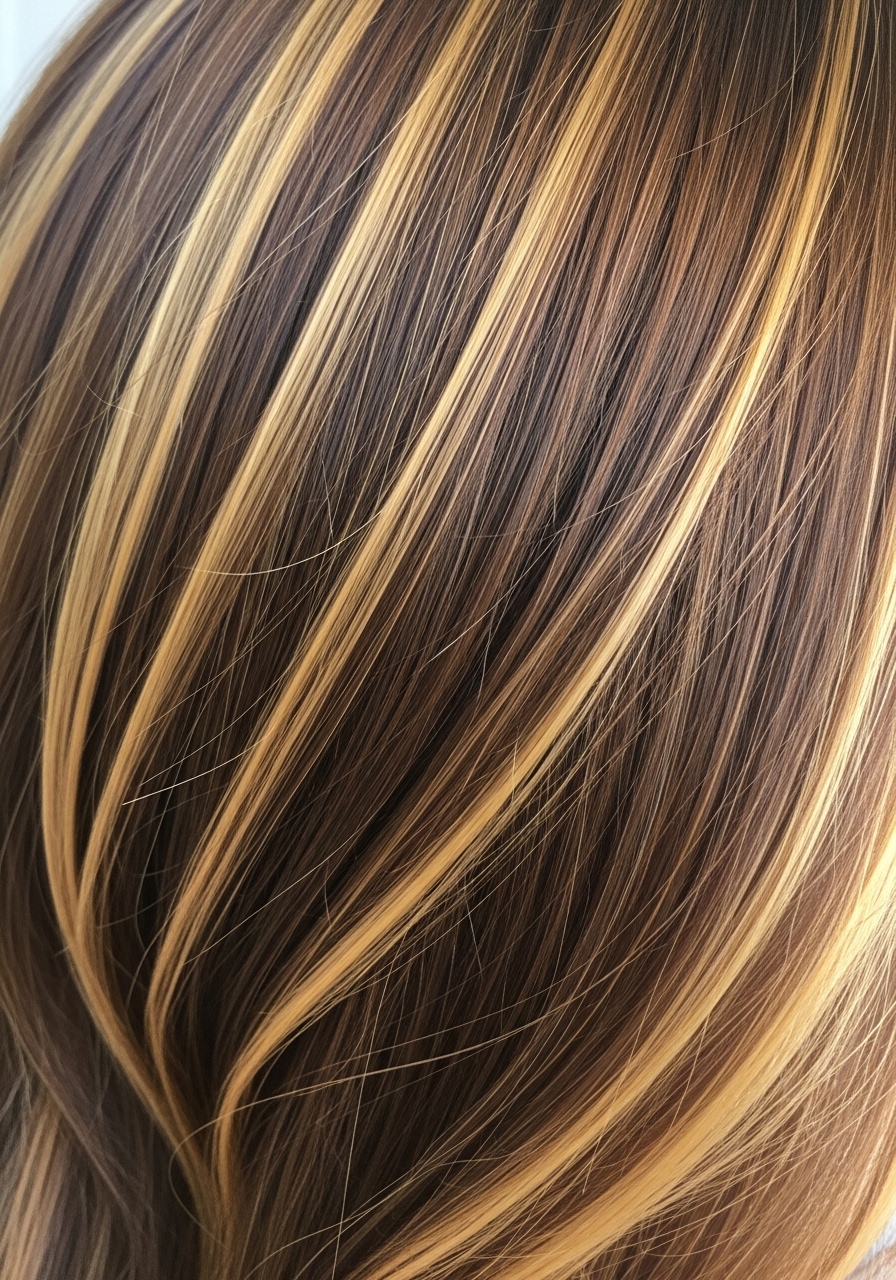
I landed on walnut brown with honey babylights when I wanted glow but no drama. The babylights are small and often missed until the sun hits them.
They make the whole color feel sun-kissed. After a month the babylights mellow into a warm sheen. For all hair types they add dimension without volume change.
My final tip: ask for strategically placed babylights and a gloss. I once did flashier highlights and it aged poorly. These tiny lights keep things simple and wearable.