
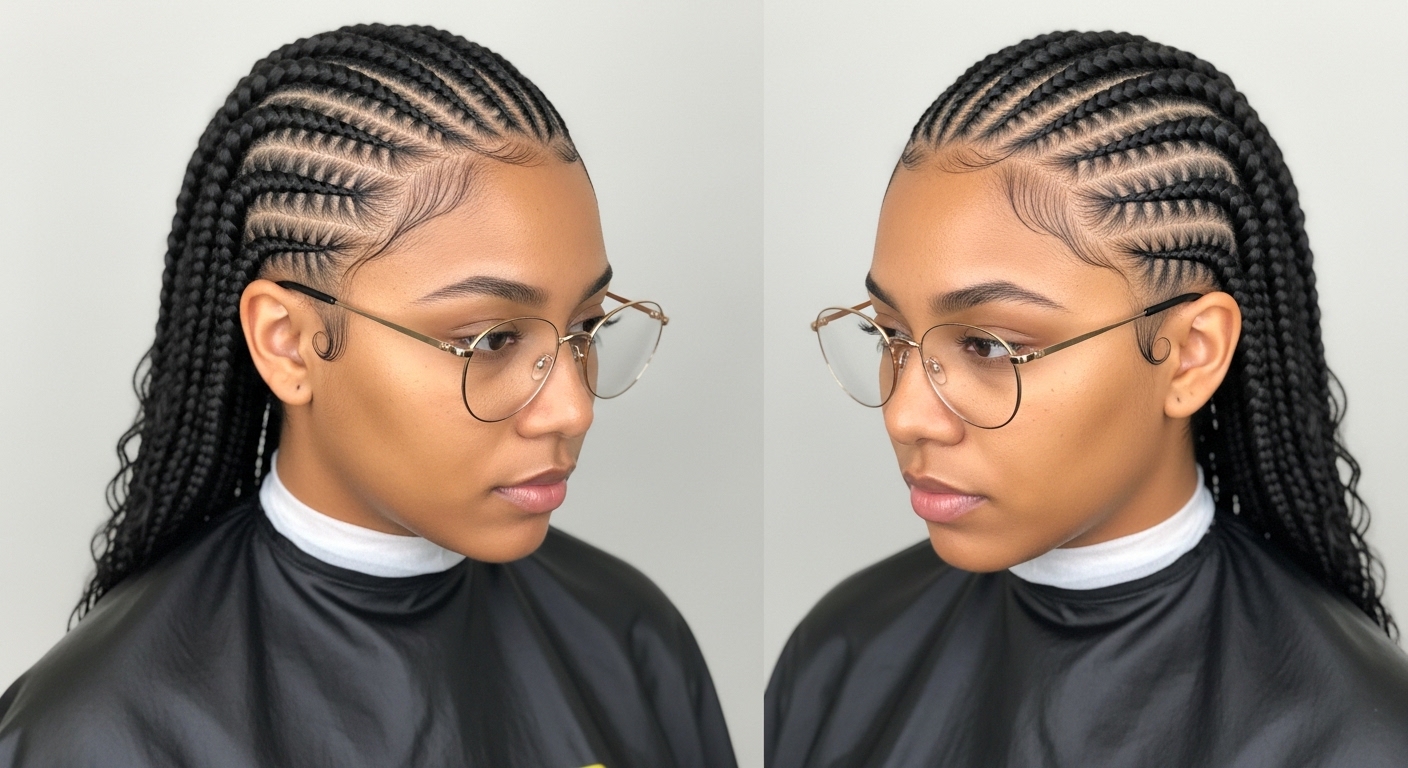
I ruined a cut once by asking for “something easy.” I spent months growing that mistake out and finally let braids do the heavy lifting.
Cornrows taught me patience. They also taught me what my hair actually wants instead of what I thought it should be.
15 Best Cornrows For Men Braid Styles
These 15 cornrows for men braid styles are exactly what I’ve tried, lived in, and fixed. I picked looks for short to long lengths, different curl patterns, and real-life wear. You’ll get what to ask your stylist and one honest thing I learned from each style.
1. Classic Straight-Back Cornrows
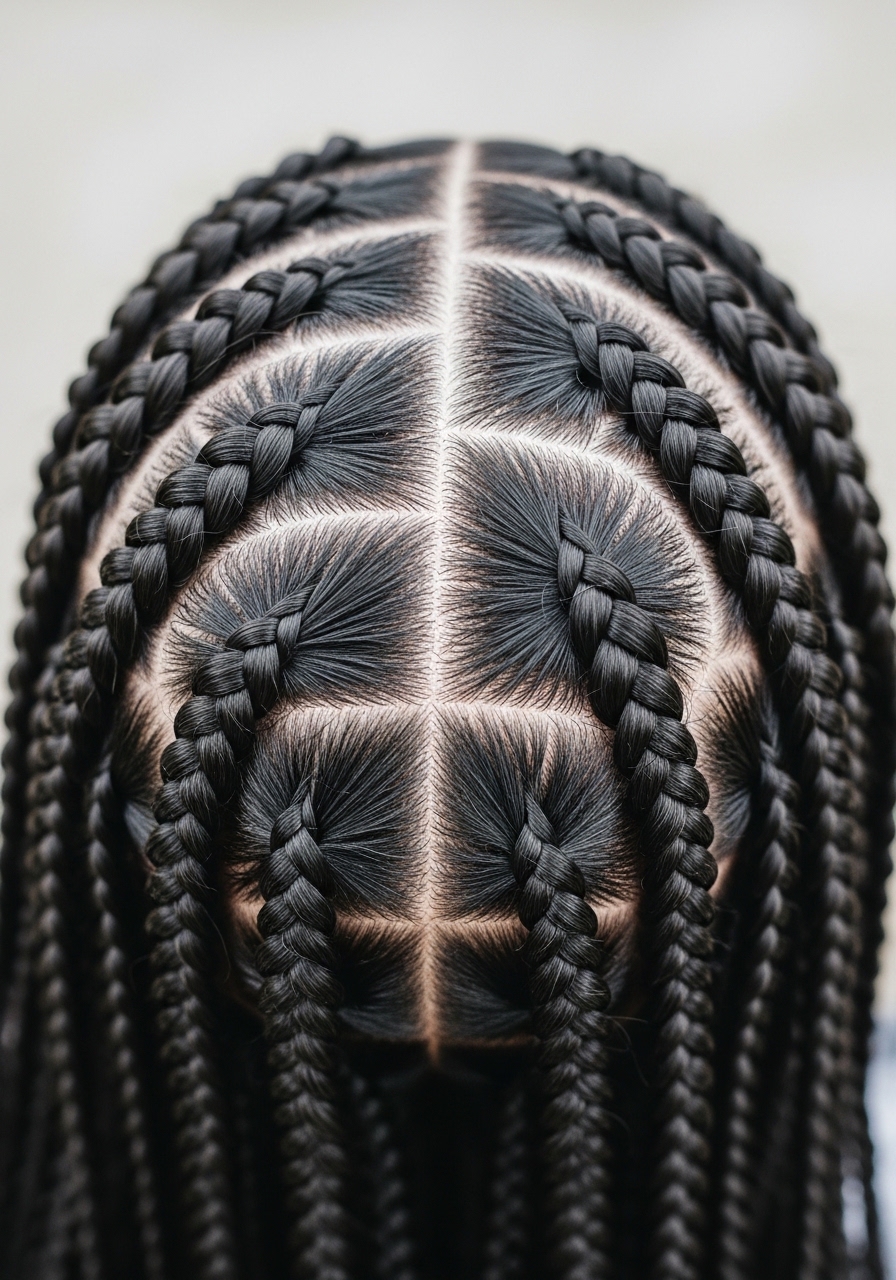
I asked my barber for the straight-back look after a messy taper left my part uneven. It’s simple, clean, and the rows lay flat all week when done right.
In real life the scalp shows more than photos. On fine hair the lines pop. On thick, curly hair they look fuller and can puff at the roots after a few days.
Tip: tell your stylist you want medium tension. I learned the hard way that too-tight rows gave me a sore scalp and pull-outs. Light oil and a satin bonnet at night help keep them smooth.
2. Side-Swept Cornrows With Tapered Sides
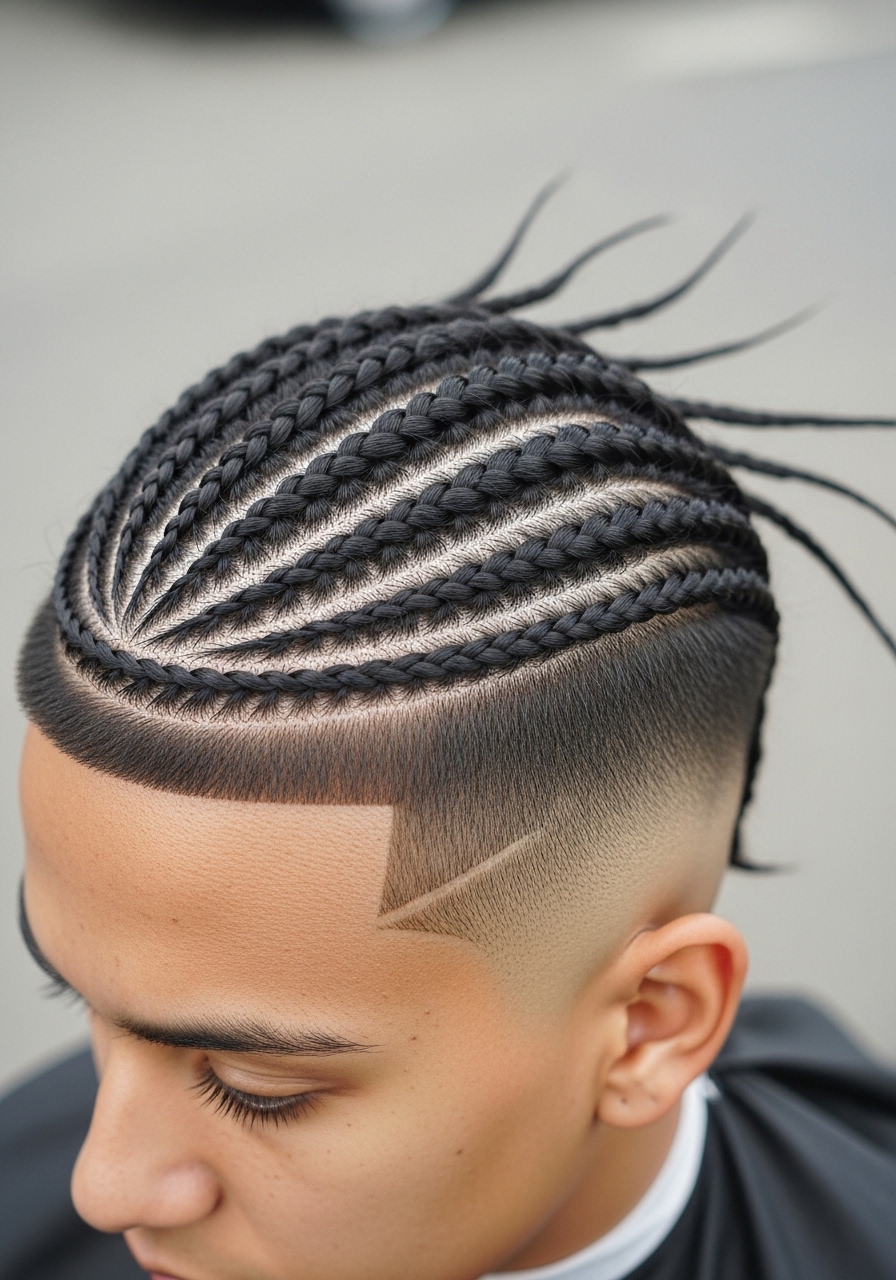
I went for side-swept cornrows when I wanted something modern but not dramatic. The braids angle toward one side and the fade gives it a crisp frame.
It behaves like a hybrid — tidy in the morning, slightly messy by evening if I touch it. Wavy hair softens the edge. Very tight curls keep the sweep more defined.
Stylist note: ask for a 0.5–1.5 fade on the sides and slightly larger part spacing on top. I used to ask for too-small parts and it made my scalp feel crowded.
3. Feed-In Cornrows That Gradually Thicken
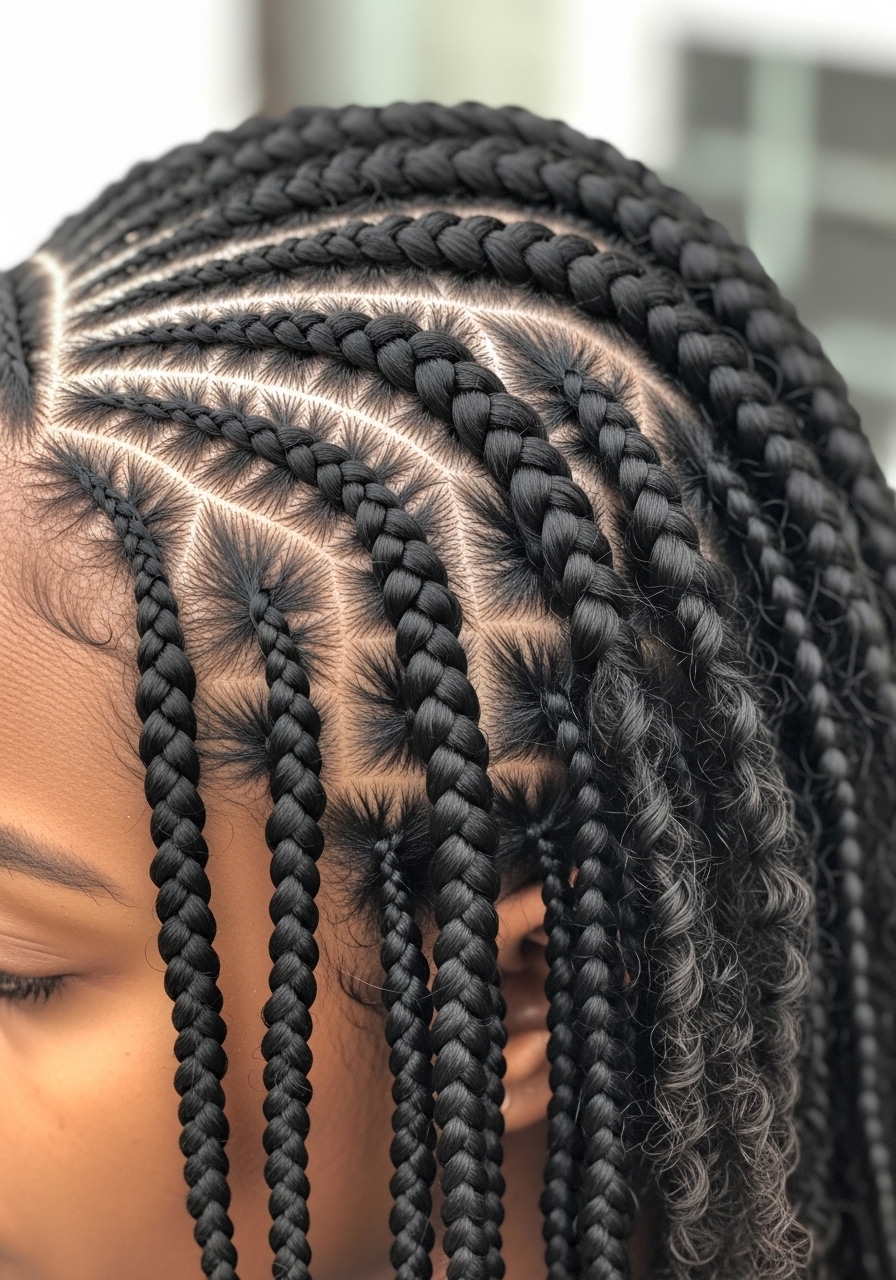
My stylist suggested feed-in cornrows when I wanted length without heavy tension. They start small at the scalp and get fuller as the synthetic or extra hair is fed in.
Real life: they feel lighter at the base. They move more naturally. On thin edges, feed-in protects my hairline because the tension spreads out more evenly.
Tell your braider you want more hair fed in only after they start the pattern. I once had too much added at the scalp and it looked bulky. A little added hair mid-braid keeps the profile sleek.
4. Knotless Cornrows for Gentler Hold
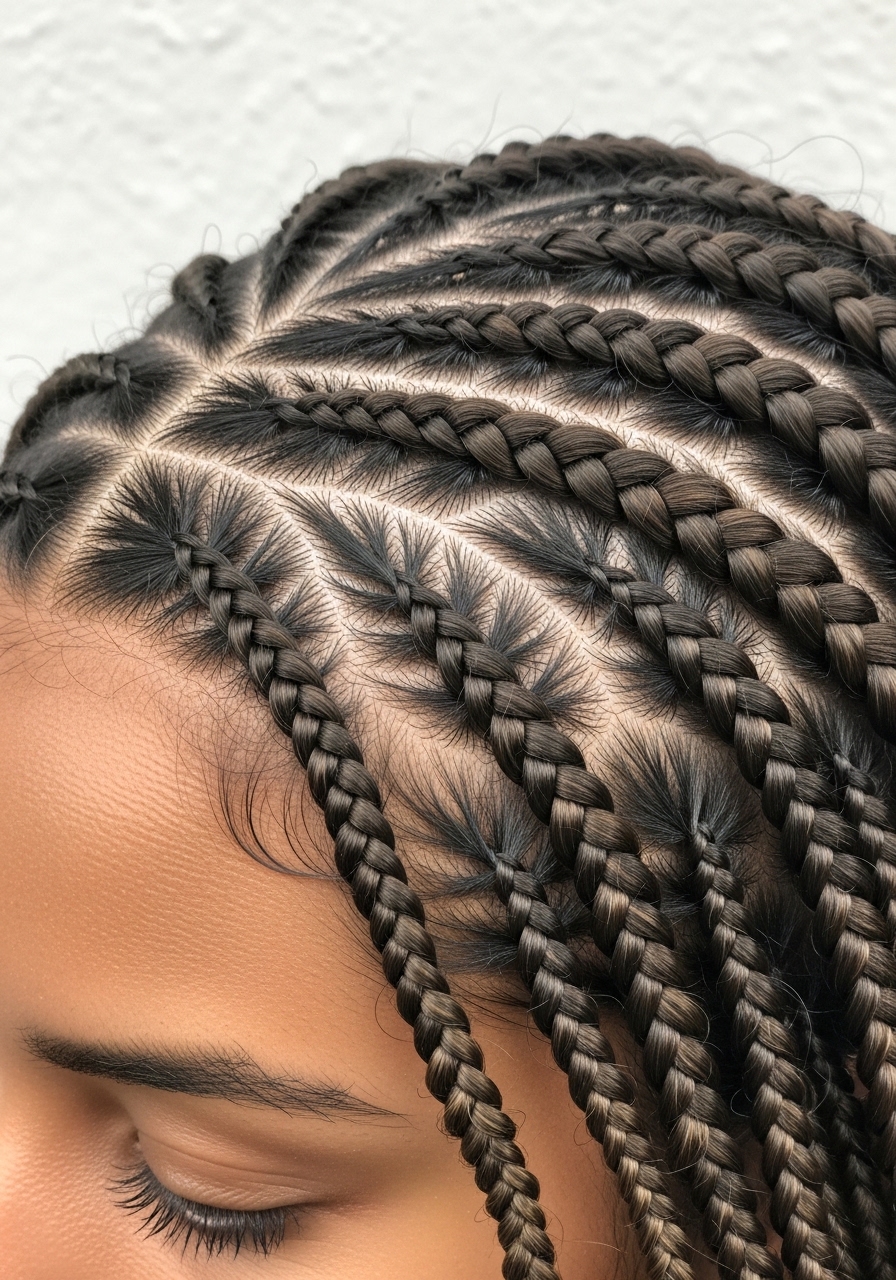
Knotless cornrows saved my edges. I switched to them after waking up with a tender hairline from regular cornrow knots.
They start with your natural hair and feed in gradually. That means less tension and a softer look. They also fall apart more naturally when it’s time to take them down.
Works best on hair with enough length to grab. If your hair is very short, the braider might need to secure the base differently. My tip: ask for a looser base and reconfirm you want zero knots.
5. Cornrows With a Skin Fade
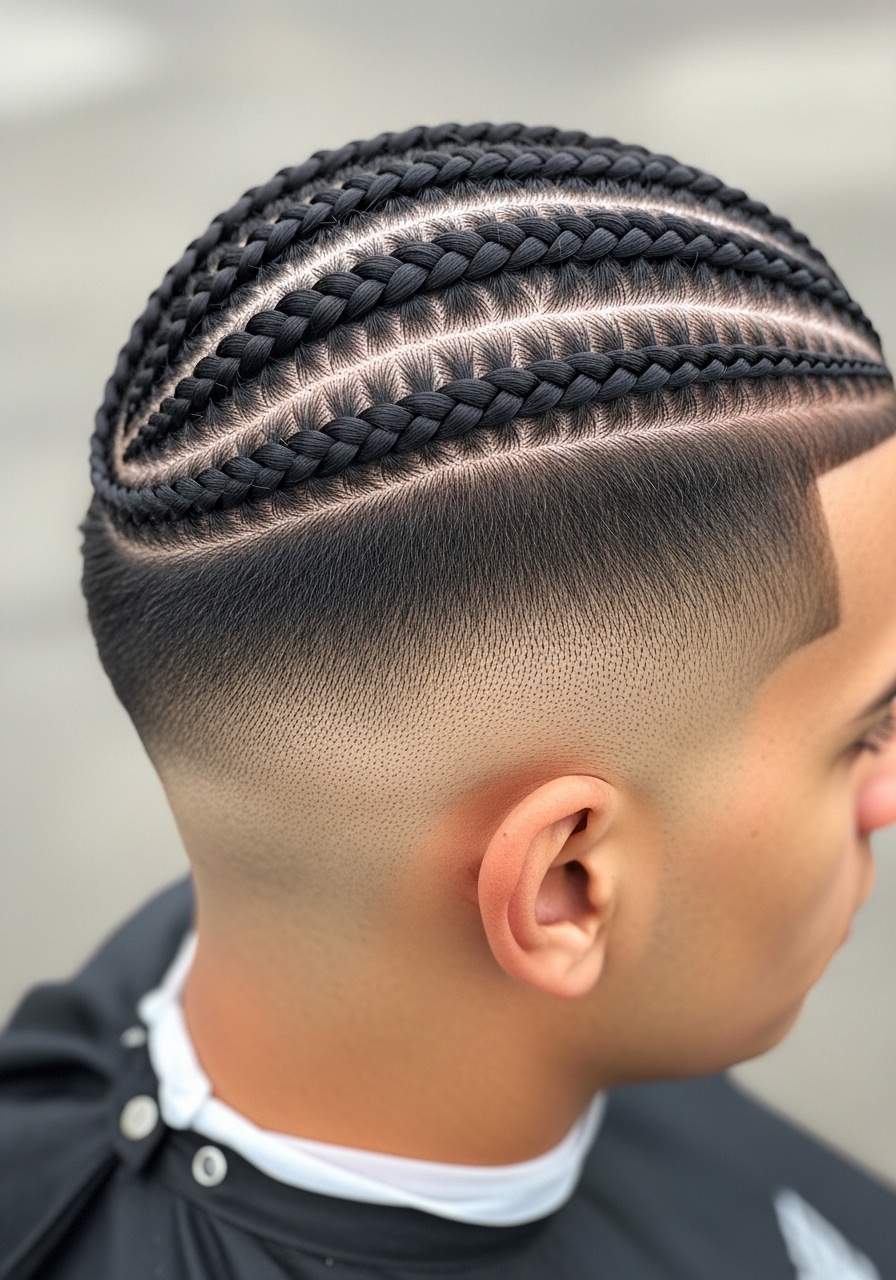
I paired cornrows with a skin fade when I wanted sharp contrast. The fade makes the rows the main event and keeps the sides low-maintenance between visits.
Throughout the week the fade grows out predictably. The top braids keep their shape. On a humid day the scalp can look shiny, so I carry a small matte powder.
Tell your barber how low you want the fade and where the line should sit. I learned to mark the spot during the cut to avoid ending up with a higher fade than I meant.
6. Zig-Zag Pattern Cornrows for Visual Interest
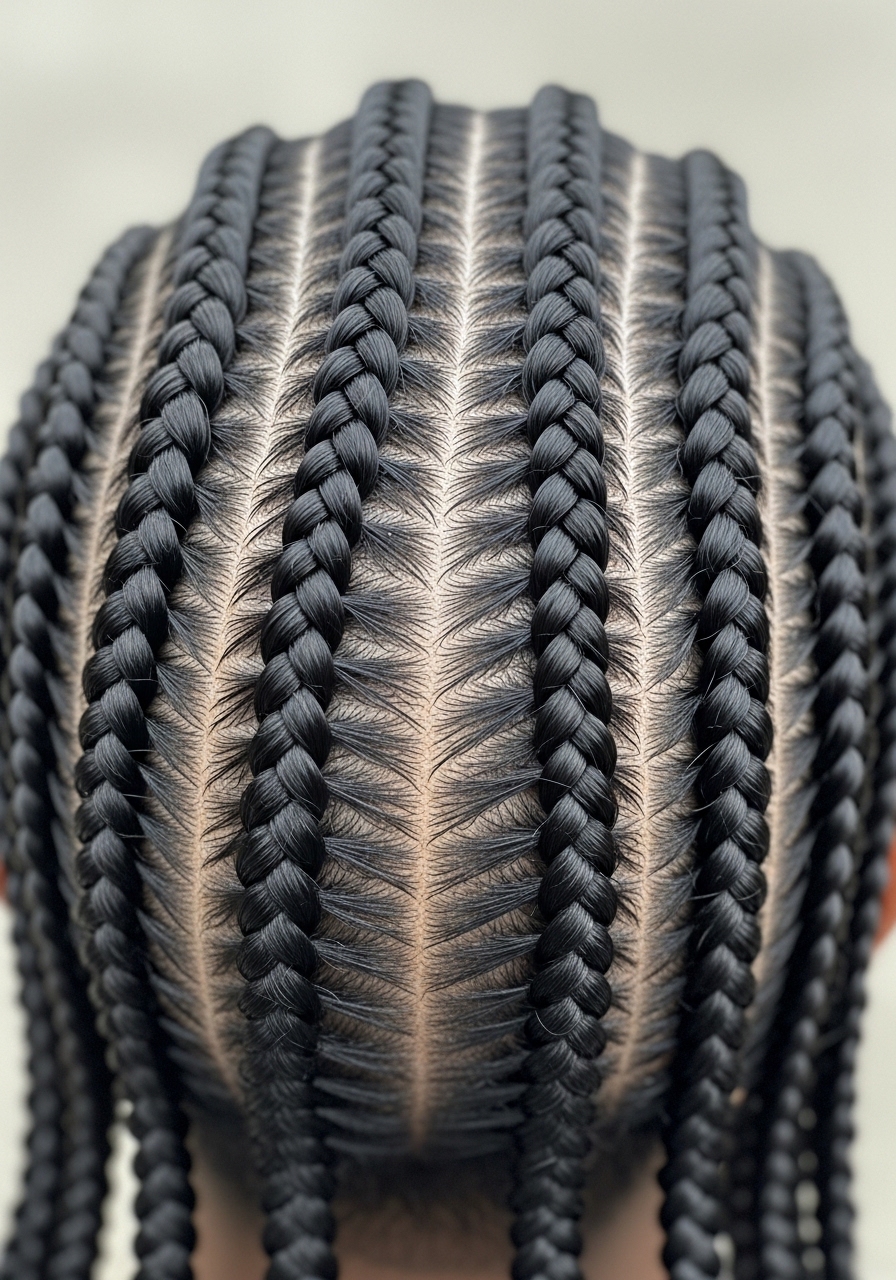
I tried zig-zag cornrows when I was bored with straight lines. The pattern adds movement and looks more intentional than random parts.
In photos it reads bold. In person it softens as the hair grows. On tighter curls the zig-zags can blur faster. On looser waves they stay crisp longer.
My honest mistake: I once asked for too many zig-zags and the scalp looked busy. Now I request fewer, wider zig-zags and tell my stylist the exact number of rows I want.
7. Triangle-Part Cornrows for Strong Geometry
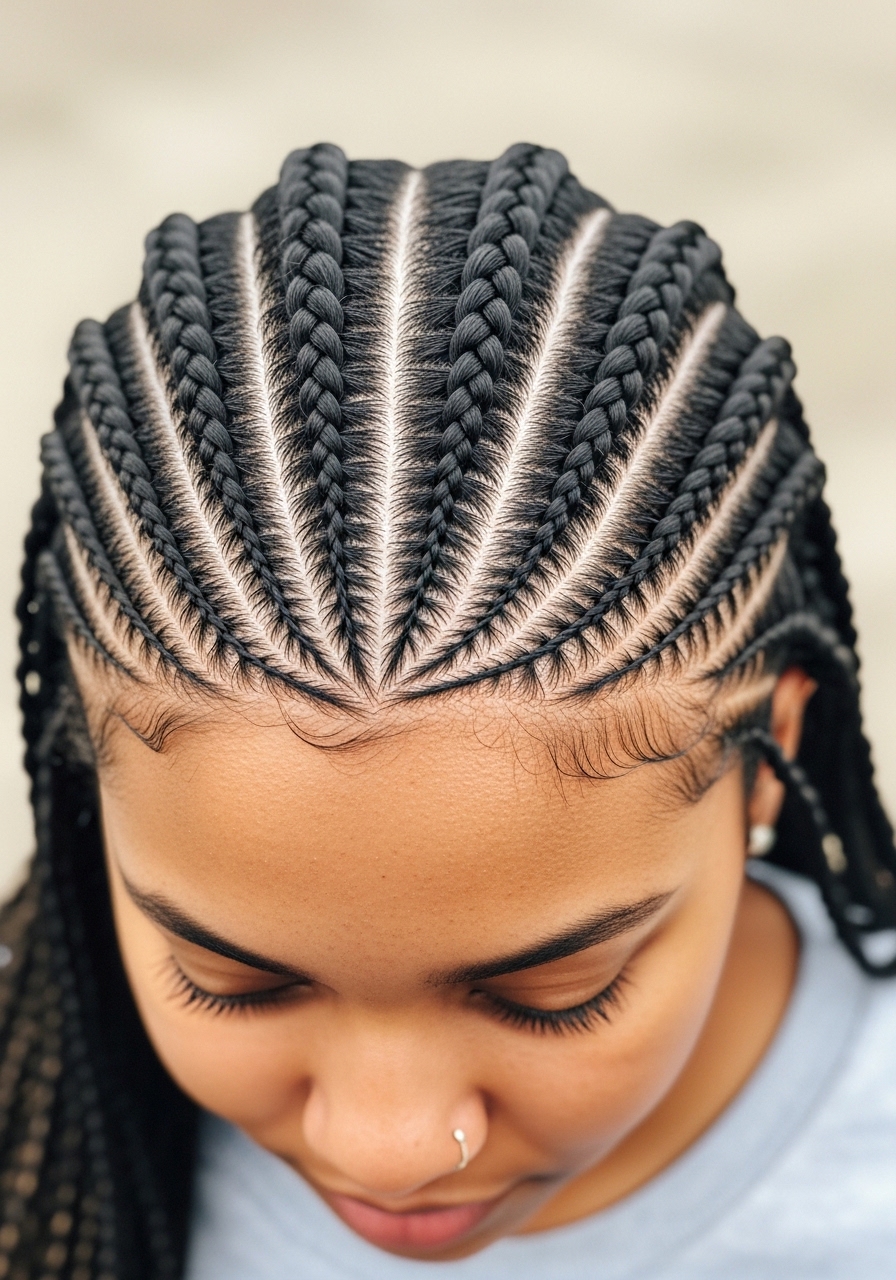
Triangle parts felt precise when I wanted architecture in my style. The triangles create a subtle crown effect and make the center rows stand out.
They behave like a statement cut. Edges can look sharp for days, then soften as new growth appears. Works great on thick hair because the shapes hold.
Tip: ask for clean parting and slightly deeper triangles toward the front. I once had triangles that faded into circles because the parts were too shallow.
8. Long Cornrows That Finish in Loose Ends
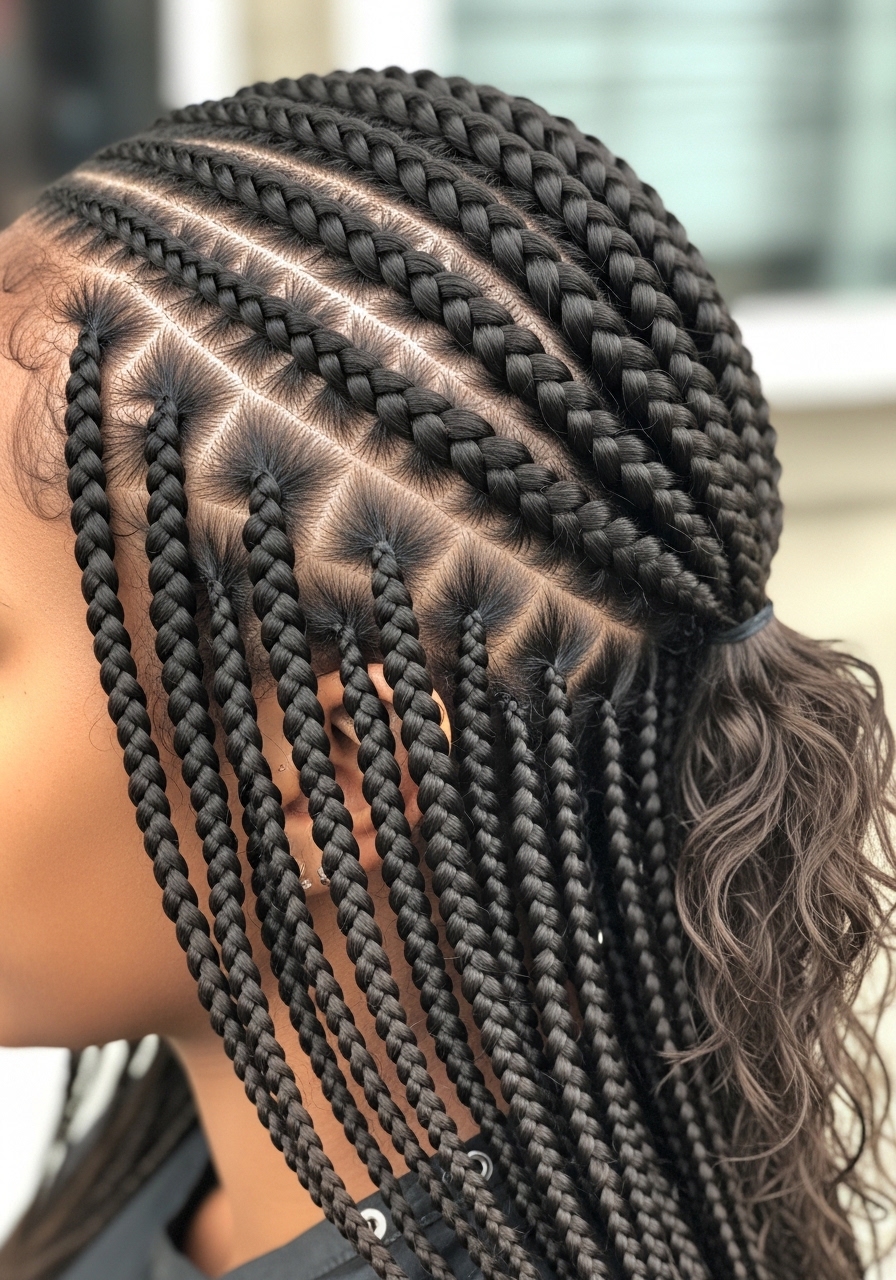
I grew mine out into long cornrows with loose ends to get movement without full extensions. The braids keep the length tidy and the loose tails let the hair breathe.
It’s heavier. I noticed neck strain the first week. The loose ends tangle if I sleep without a satin wrap. On coarse hair the ends look intentionally messy. On finer hair they lay smoother.
Ask your stylist about weight distribution. I learned to stagger braid sizes so heavy ones don’t pull the scalp. Also pack a silk scarf for overnight.
9. Micro Cornrows for a Tight, Clean Grid
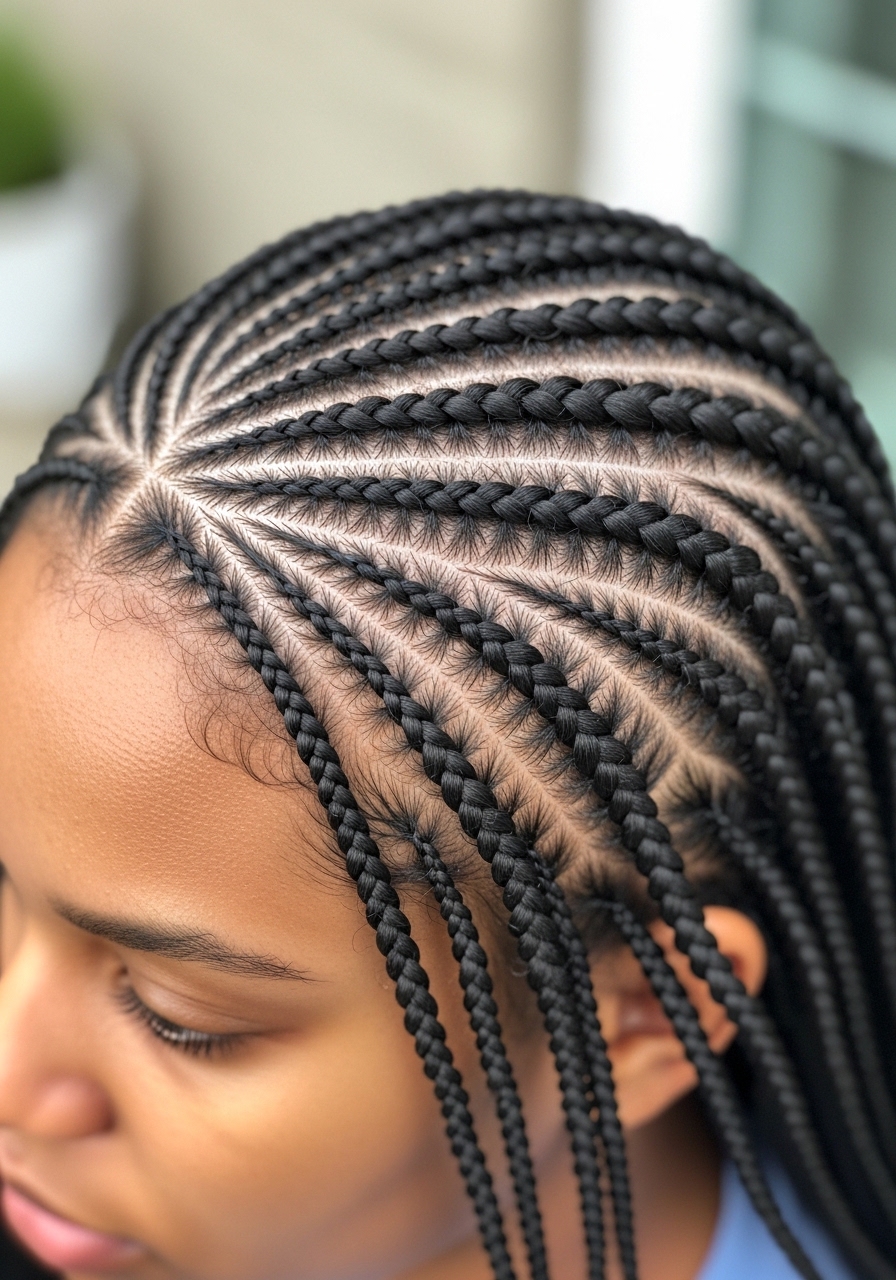
I tried micro cornrows when I wanted a compact, graphic look. They’re small and numerous and make the scalp a clear part of the style.
In practice they take longer to braids and need careful upkeep. They stay neat longer on low-porosity hair. On high-porosity curls they can frizz at the roots by day three.
My mistake here was underestimating the time. Book extra chair time and tell your braider if you want fewer or more rows. Also plan for a maintenance oil to reduce frizz.
10. Cornrow Bun: Braids Pulled Back Into a Low Bun
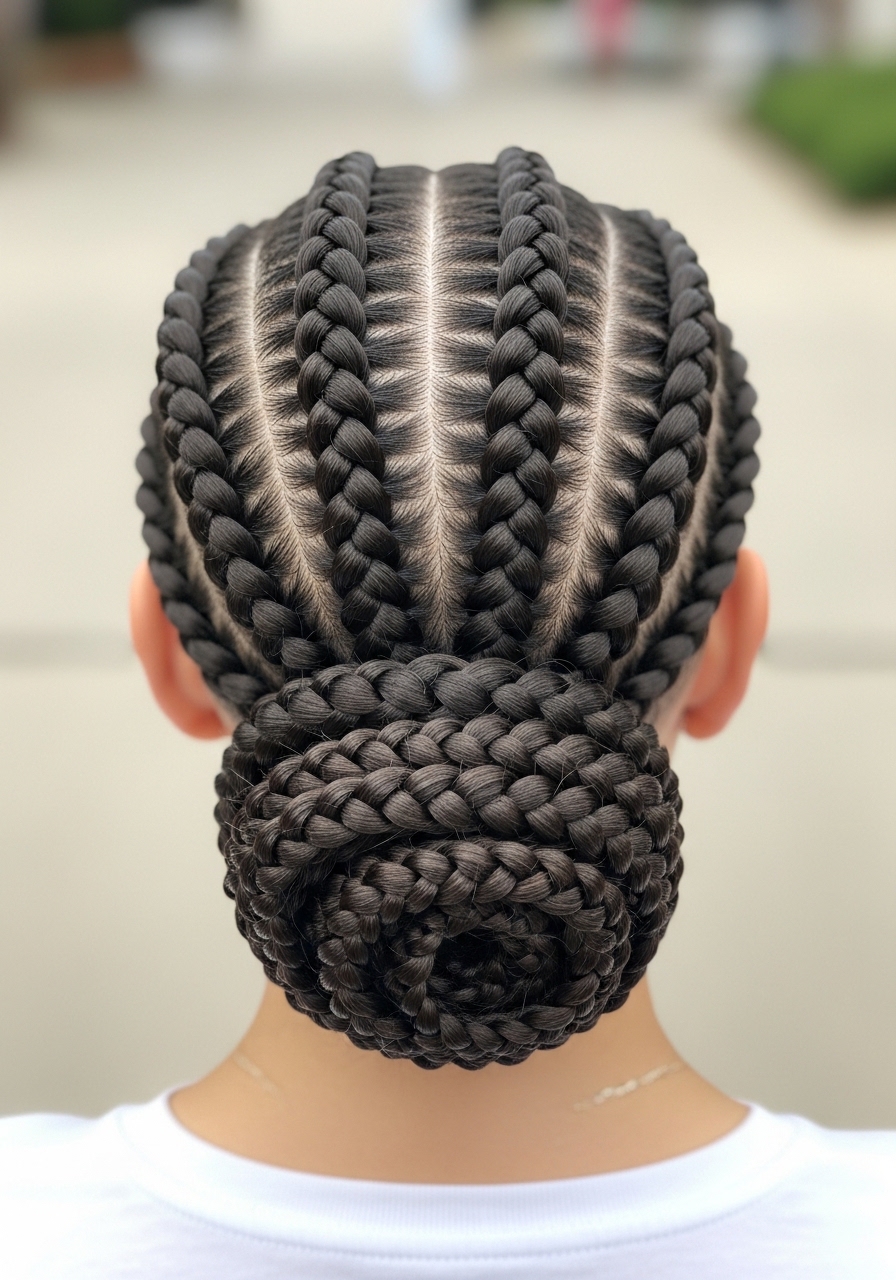
I braided mine into a low bun when I needed a neat look for work. Pulling the rows back into a bun keeps things tidy and off the face.
It’s practical. The bun softens the raw lines of the cornrows. If your hair is thick the bun sits higher and can feel heavy. On thinner hair the bun stays small but clean.
Stylist tip: ask for elastic placement that sits at your nape. I once had it too high and my neck hurt. A simple low bun is easier to sleep on.
11. Boxer-Style Double Cornrows for Athletic Vibes
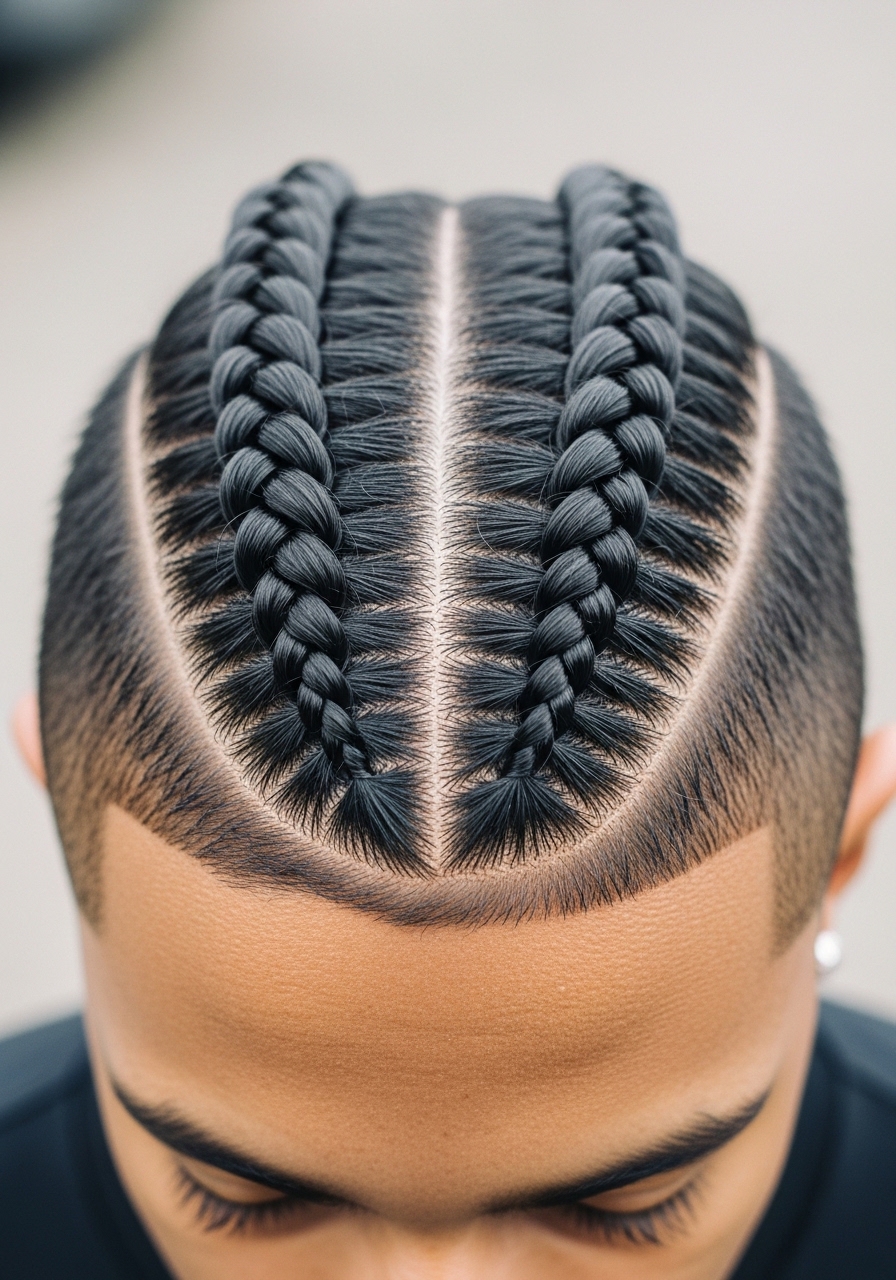
I went with boxer-style double cornrows for a sport-ready look. Two thicker rows down the center feel structured and move with my head when I jog.
They stay in place through sweat. I noticed less frizz during runs than with loose hair. On very curly hair, the center rows still puff a bit by day two.
One small insight: secure the ends well. My first attempt unthreaded at the base after a week. Now I ask for a tight tuck or small elastic to keep them neat.
12. Cornrows With Curled Ends for a Soft Finish
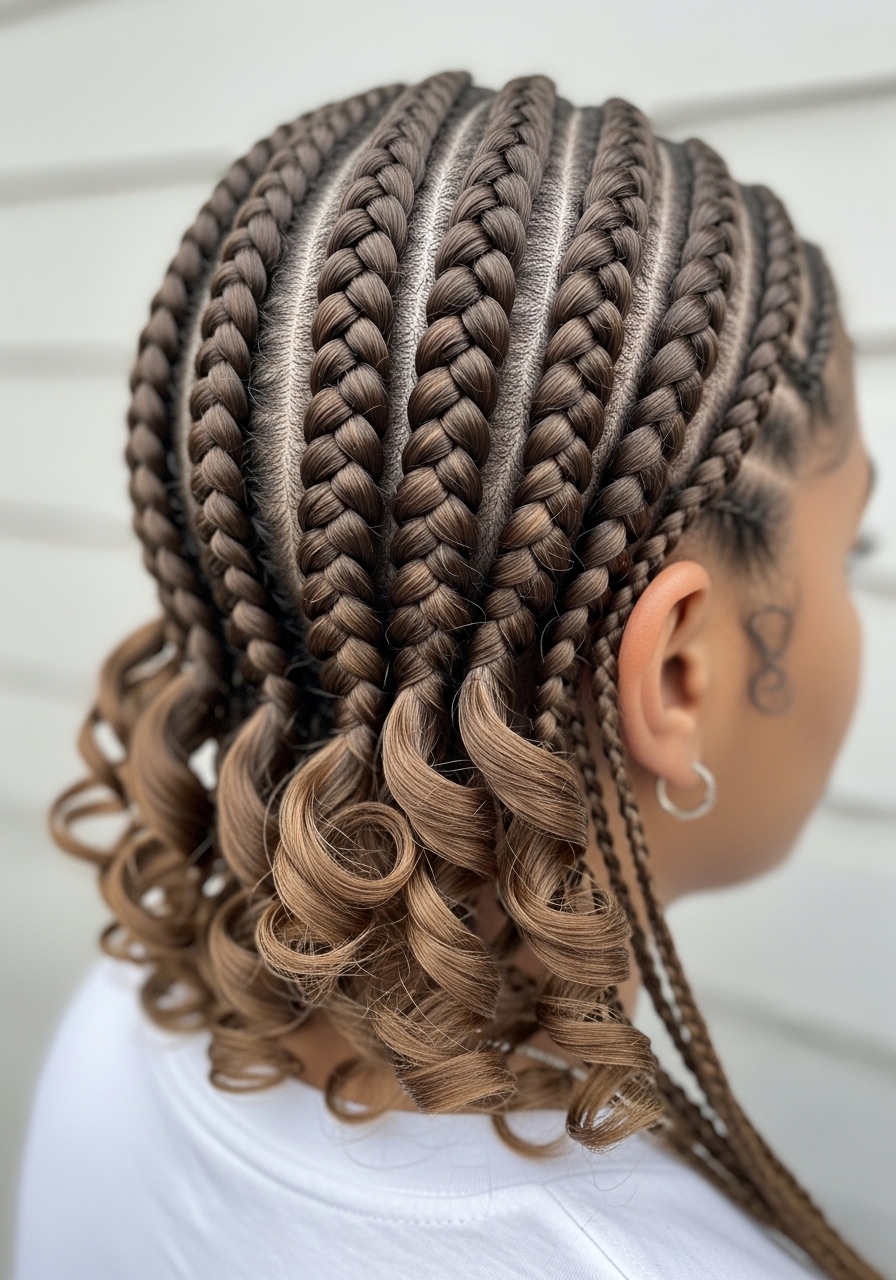
I added curled ends when I wanted the braids to look less severe. The curled tails give a softer, almost relaxed finish to the structured rows.
In everyday wear the curls bounce and soften the overall silhouette. They hold better with a light setting product. On naturally curly hair the ends blend beautifully.
My mistake was using too much product once and the curls clumped. Now I ask for a light setting and a finger-twist at the ends. It keeps them springy without stiffness.
13. Cornrow Mohawk With Shaved Sides
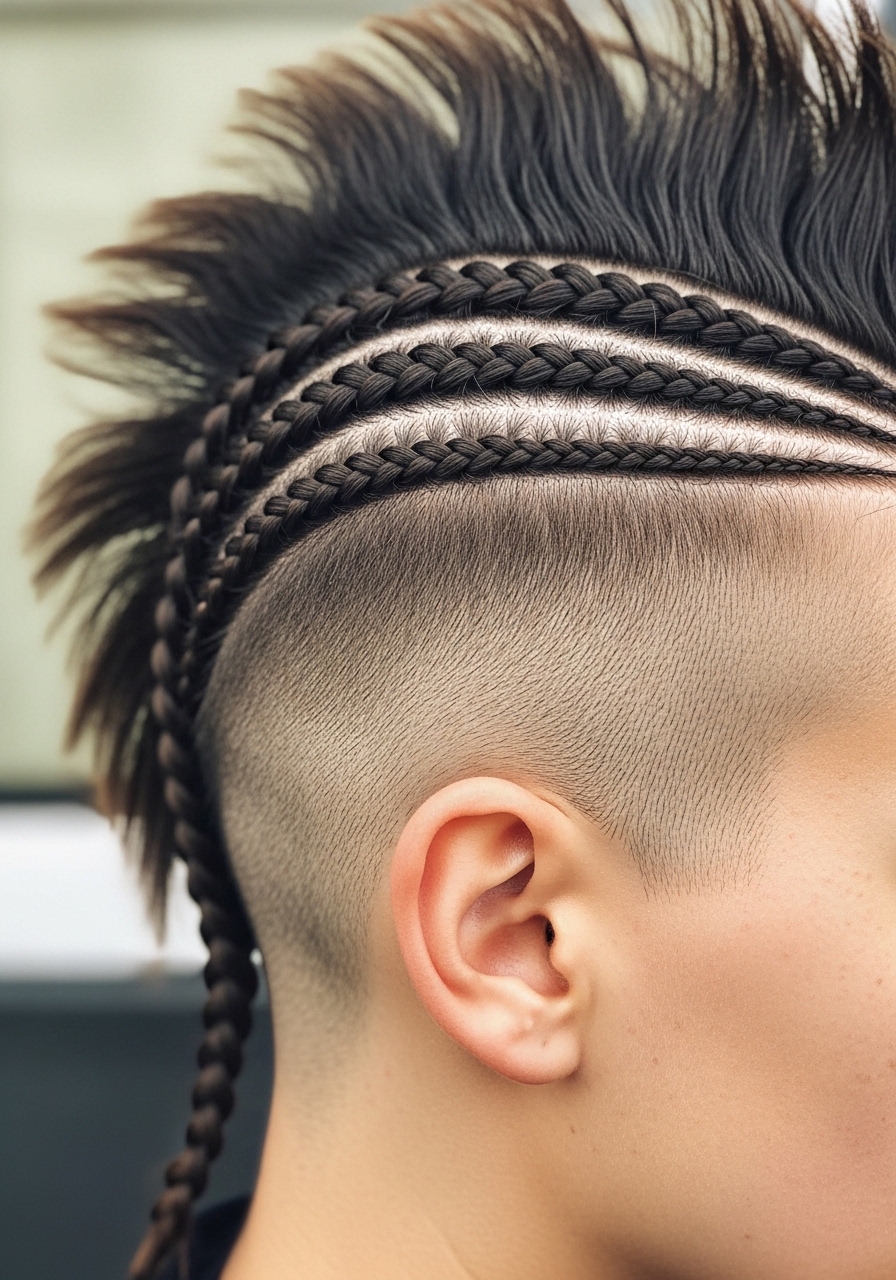
I tried a cornrow mohawk when I wanted an edge but not a full punk look. The braids run up the center and the sides are shaved for contrast.
It wears well if your sides are easy to maintain. The center rows stay crisp. But the shaved sides need regular touch-ups or it grows into a different vibe quickly.
I overcommitted once and regretted the frequent trips. Ask your barber how often the sides need trimming. I now schedule them every two weeks to keep the intended shape.
14. Cornrows With Beads or Minimal Hardware
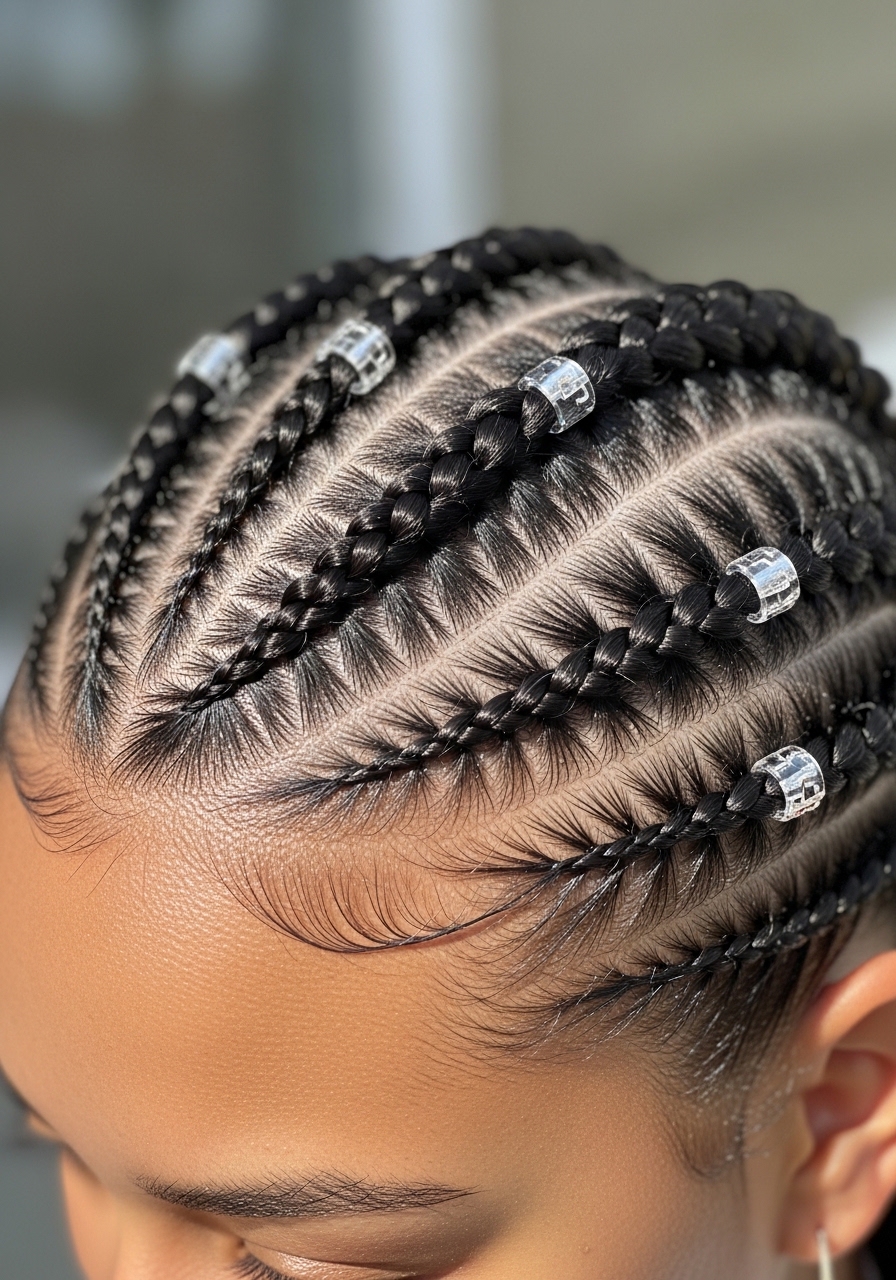
I added a few beads when I wanted personality without going loud. A couple of wooden or metal beads at the ends make the look feel intentional.
They can jingle a bit. I keep mine minimal to avoid noise and tangling. On long braids beads add weight; pick small pieces if you like movement.
Mistake alert: I once used heavy beads and the added weight stretched my braids. Now I ask for two or three light beads and to secure them tight so they don’t slide.
15. Asymmetrical Cornrows That End in One Longer Braid
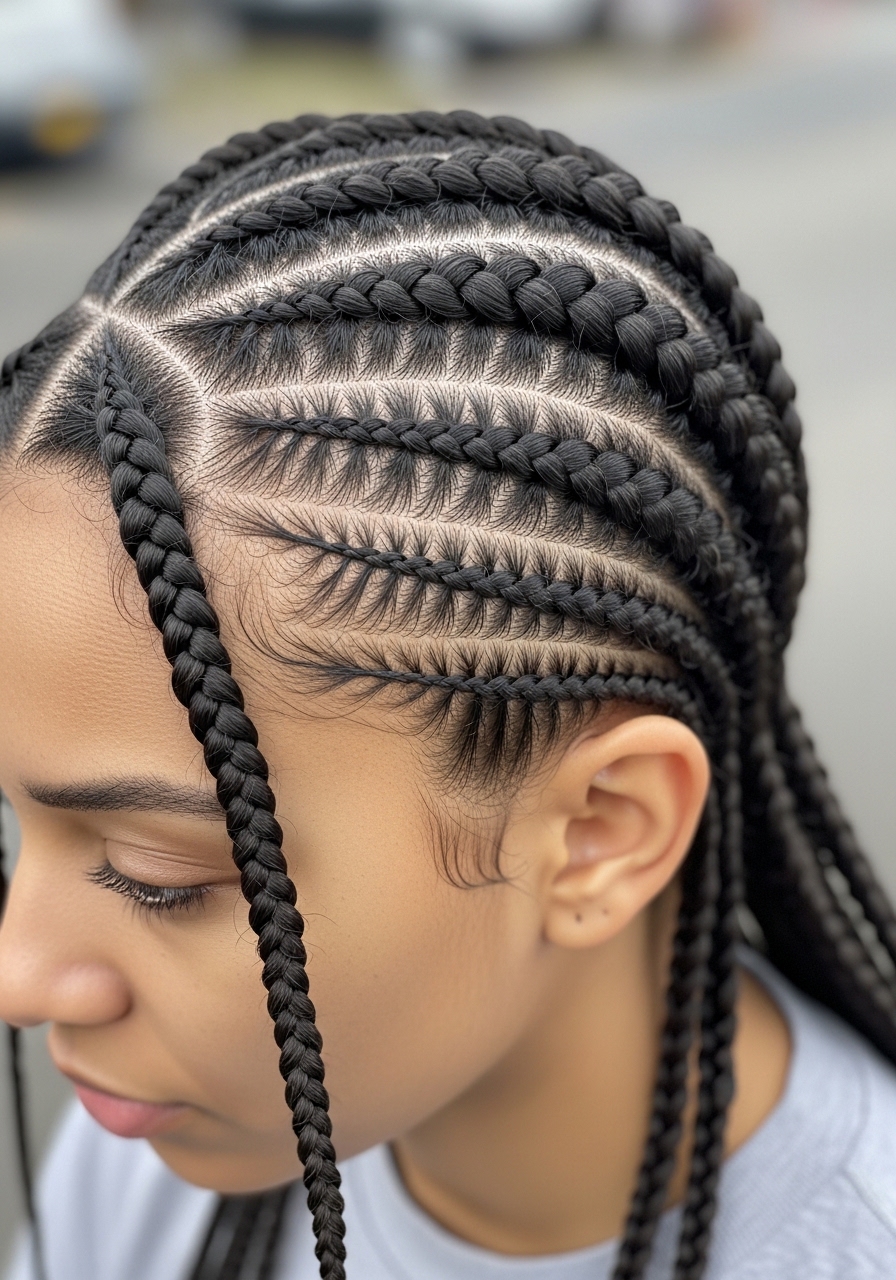
I picked asymmetrical cornrows when I wanted a focal point. Most rows are short or medium, and one longer braid hangs as an accent.
In real life it draws the eye. The long braid moves when I turn and gives the style personality without much fuss. It suits medium to long hair best.
My tip is to balance braid thickness. I once made the accent too thin and it disappeared. Tell your stylist the exact length and thickness you want so the single braid actually reads as the feature.