
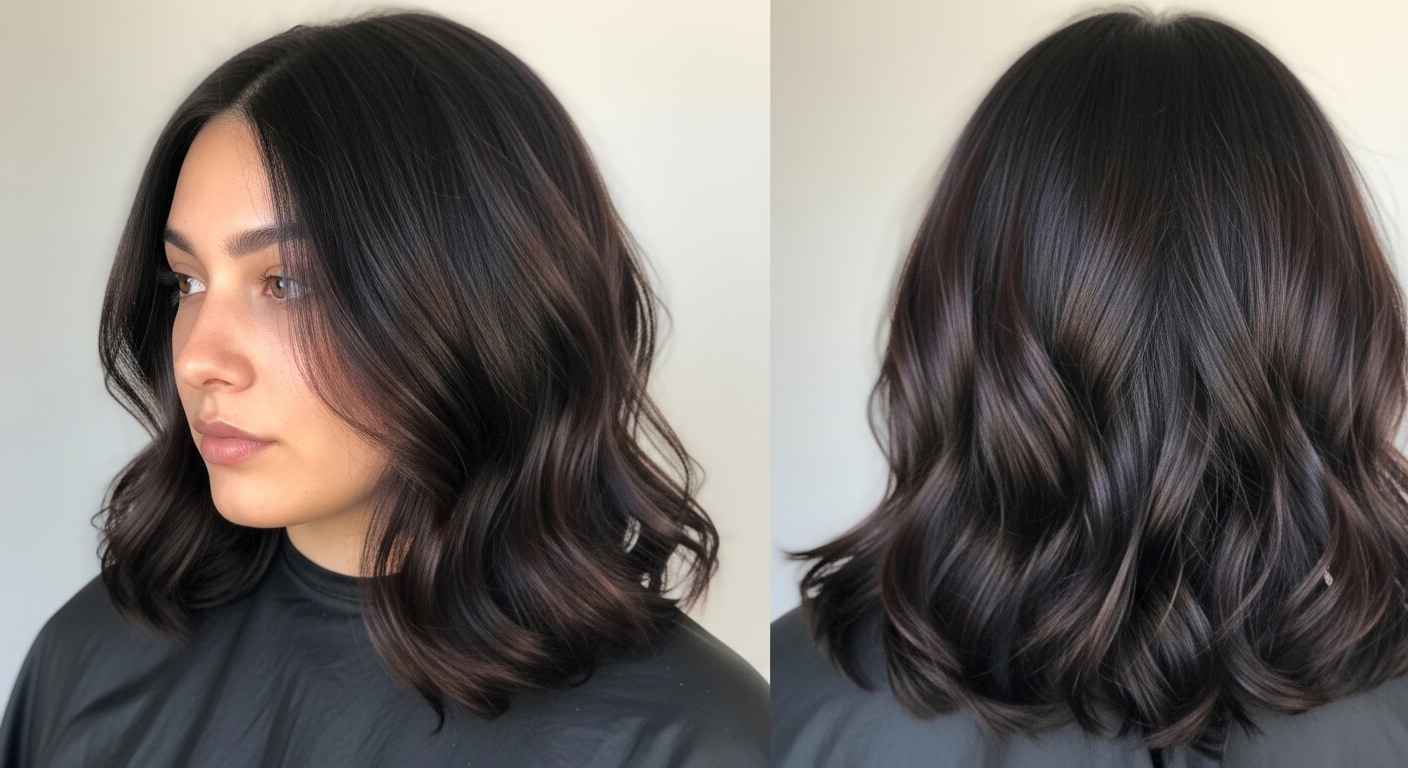
I used to chase bright photos and came back with regret. I finally learned to work with what my natural black hair actually wanted.
These choices are about rich color that sits on dark bases. Practical. Wearable. And believable from my own trial and error.
20 Rich Hair Dye Ideas For Black Hair Without Bleach
These 20 rich hair dye ideas for black hair without bleach are realistic options I’ve tried or seen work on dark bases. I’m listing techniques and shades that deposit color instead of stripping. Expect ideas you can ask for at the salon and maintain at home. There are exactly 20 ideas below.
1. Deep Mahogany Gloss Over Natural Black
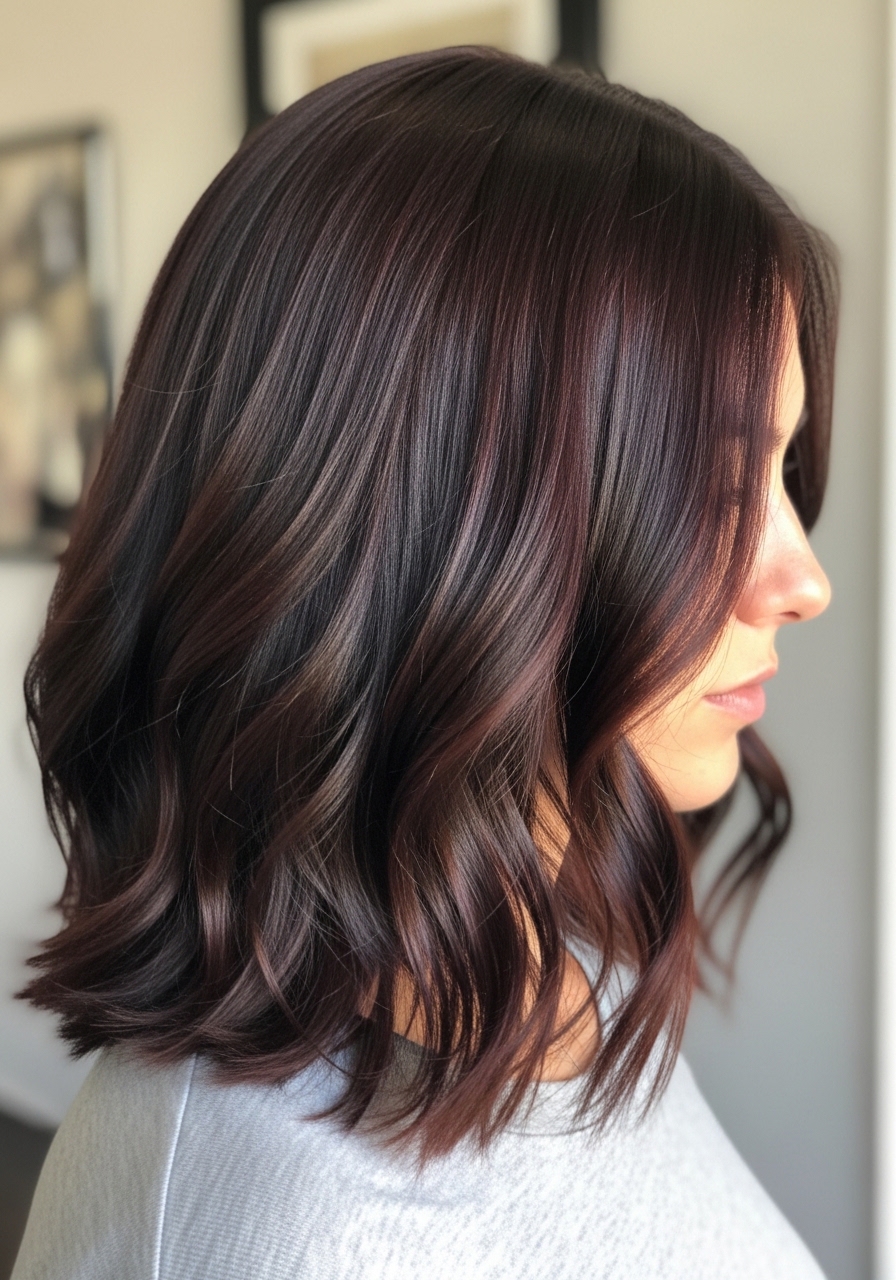
I asked for mahogany because I wanted warmth without a full-on red. It looked mostly dark brown under indoor lights and flushed warm in the sun. I liked that it wasn’t bright, just richer.
On my medium-porosity hair the shade lasted six weeks before softening. It faded to an easy brown, not a weird orange. It’s a good pick if you want change but not drama.
Tell your stylist “demi-permanent mahogany glaze” and ask for a clear gloss finish. My mistake was leaving the color on too long once; it read very red. Twenty minutes felt perfect after that.
2. Espresso Brown with Cool Violet Sheen
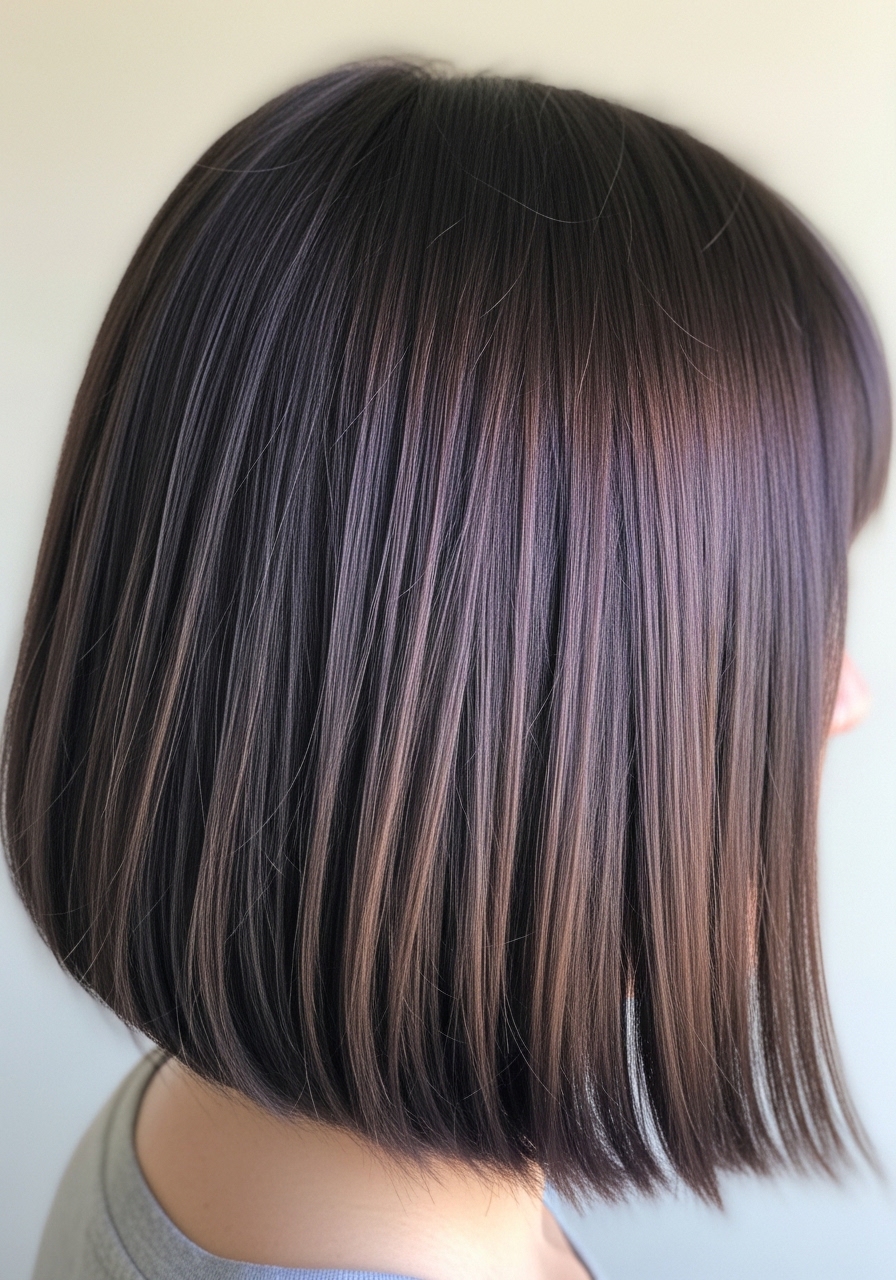
I wanted something that stayed dark but wasn’t flat. My stylist mixed espresso brown with a touch of violet toner. The violet only appears as a sheen under certain lights. I liked the subtle dimension.
This works great on coarse or thick black hair. The dye deposits and sits on the surface, so it looks rich without needing lift. It keeps frizz looking smoother too.
Ask for a cool-tone demi gloss. An insight: violet tones can end up blue if over-processed. I learned to trust shorter processing times for that subtle shimmer.
3. Rich Chestnut Brown with Warm Highlights
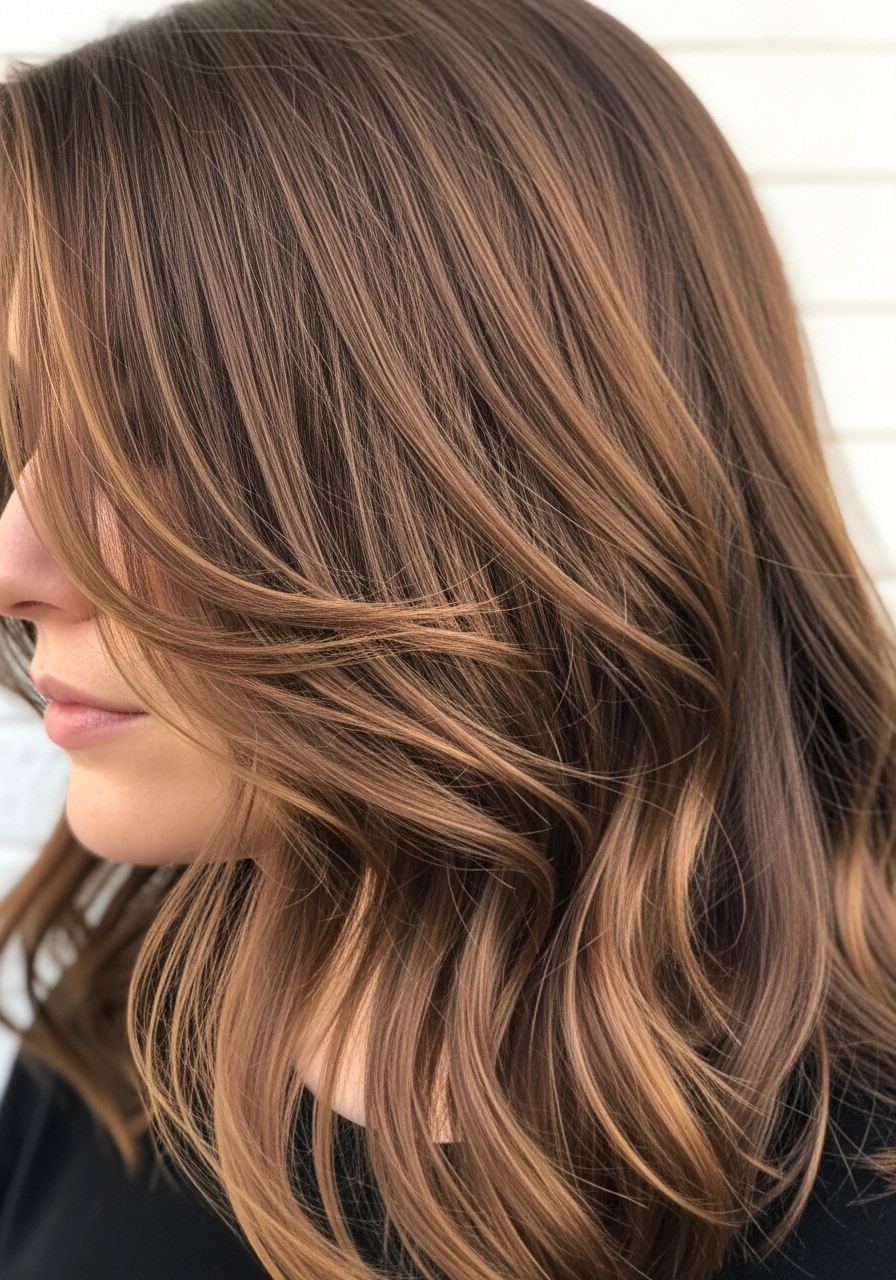
I wanted warmth but not bright streaks. My stylist painted small warm chestnut highlights low on the mid-lengths. On my dark base they read as soft glints, not blonde strips.
This is dependable on hair that has been colored before or is sun-faded. New growth stays dark and the chestnut gives movement. It’s soft and everyday-friendly.
Tell your colorist “subtle chestnut face-framing pieces and a gloss.” I once asked for too many highlights and it looked busy. Fewer, better-placed pieces are smarter.
4. Deep Burgundy Underlayer (Peekaboo)
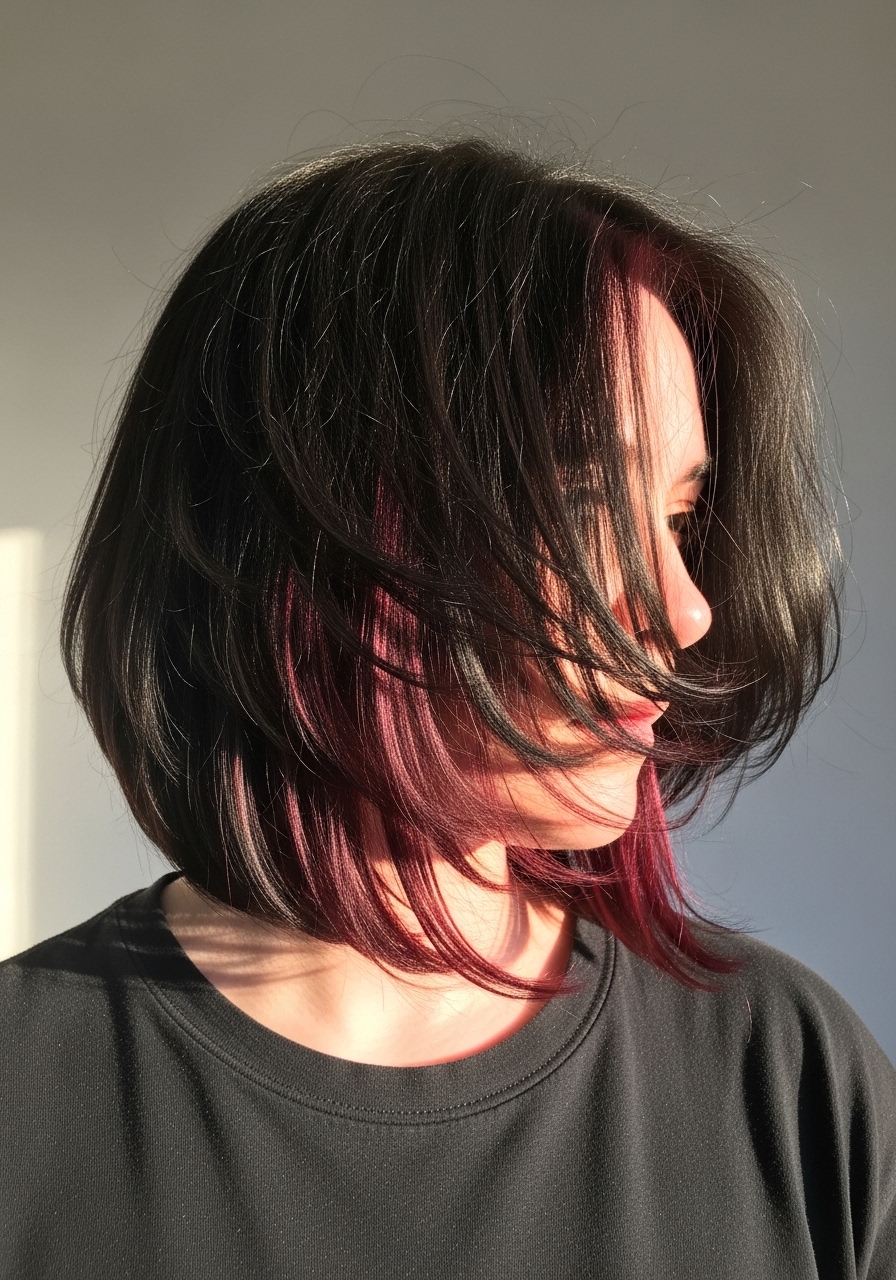
I hid color under my top layer because I wasn’t ready to commit. The burgundy sits beneath and flashes when I move or tie my hair. It felt playful and private.
On thick hair the color stays protected and fades slower. On fine hair the peekaboo reads brighter and shows more often. It’s a good test run for bold tones without bleach.
Tell your stylist “dark burgundy underlayer, demi.” One slip-up I made was asking for too bright a red—wished I’d gone deeper. A darker burgundy looked more natural on me.
5. Chocolate Brown with Caramel Glaze
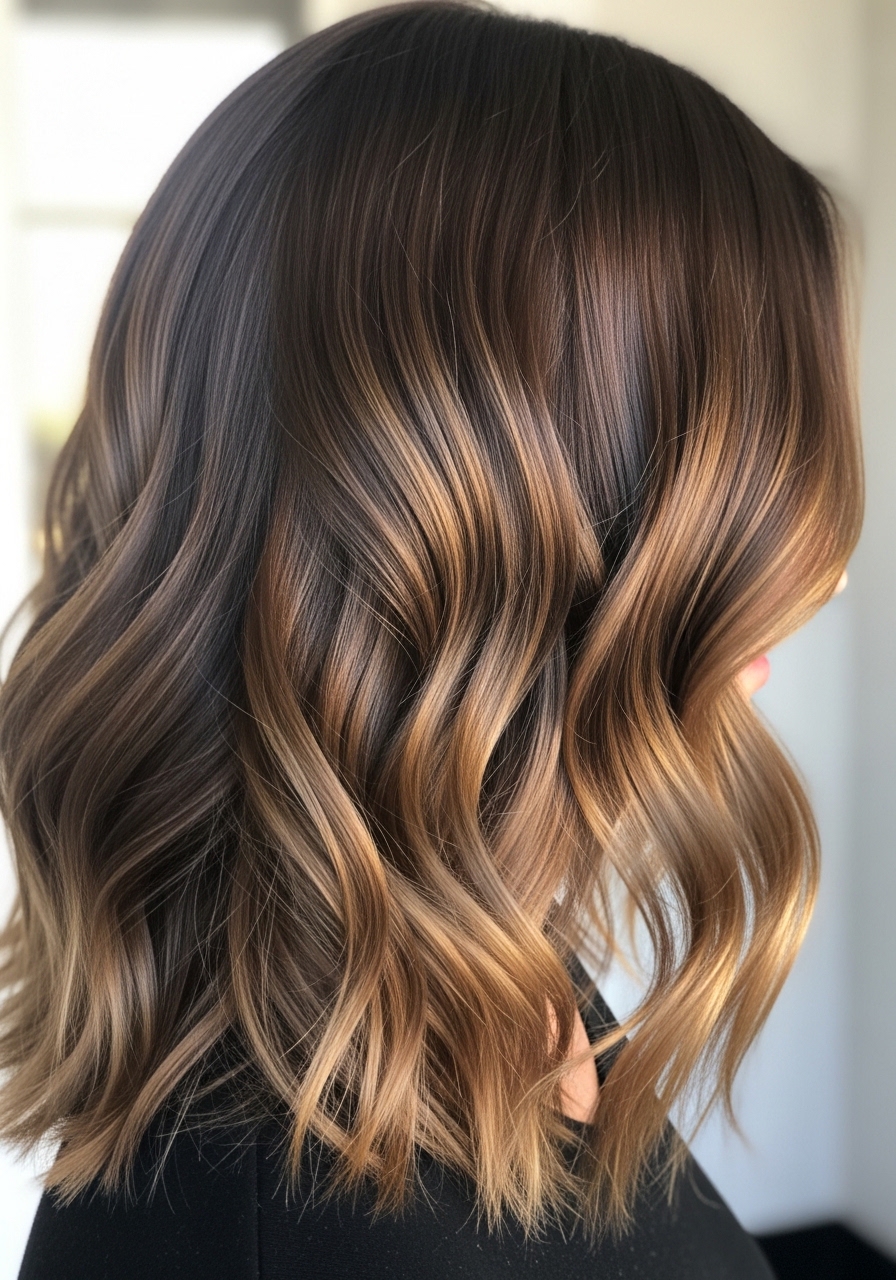
I wanted a softer face without losing depth. My stylist added a warm caramel glaze over chocolate brown. It gave me movement that didn’t scream “highlighted.”
This sits well on slightly porous hair that picks up deposits. It adds tonal contrast without needing bleach. My hair looked richer and felt silkier after the glaze.
Ask for a demi-perm chocolate base with a caramel demi glaze. Pro tip: use a color-depositing conditioner to keep the glaze alive. I skipped that once and faded faster than expected.
6. Subtle Copper Brown with Henna Tint
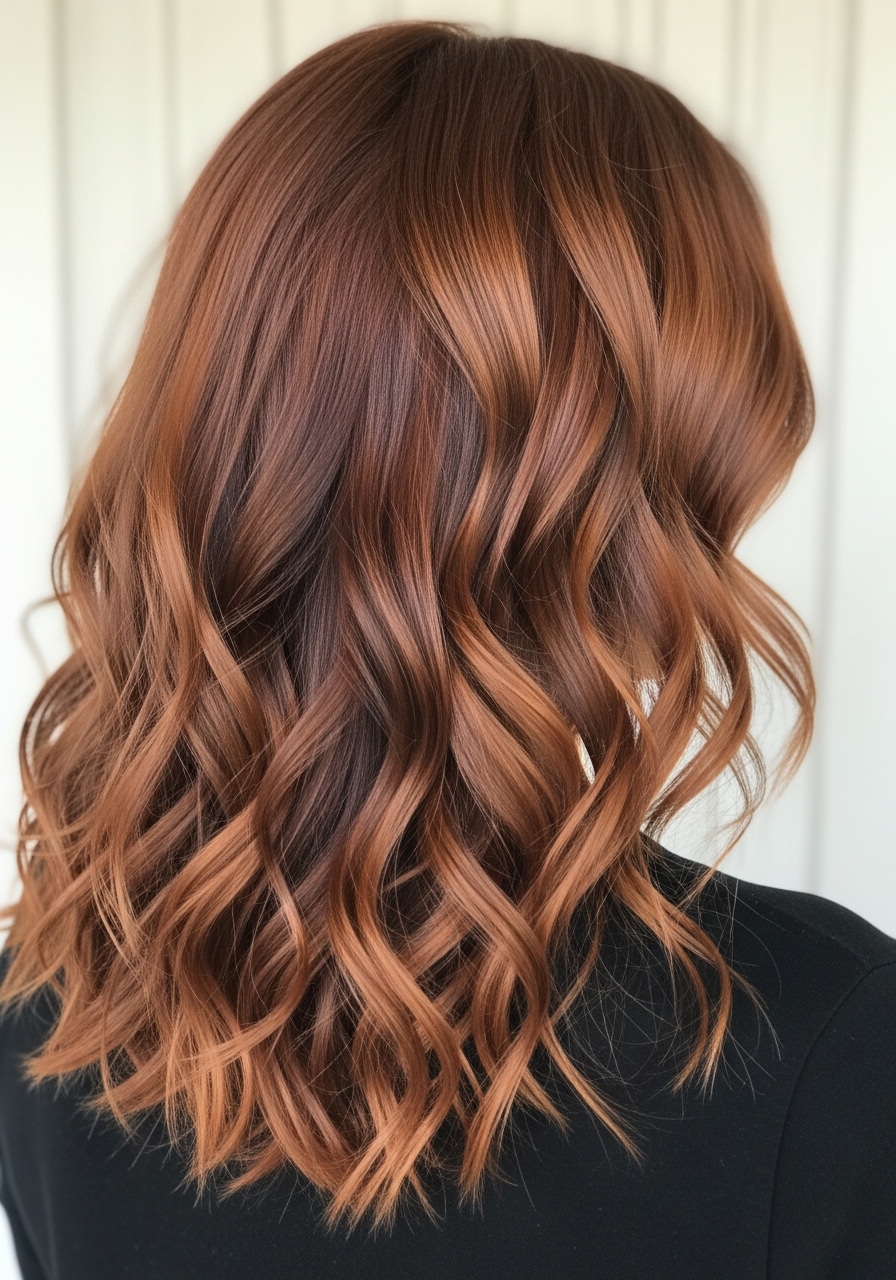
I went natural for a while and tried henna for copper warmth. It deepened my black base with a red-copper sheen that’s more glow than color. It felt like a healthy coat rather than a dye job.
Henna bonds differently. On low-porosity hair the shine is deeper and subtle. On porous hair it can read stronger. It lasted a long time and softened gradually.
Tell your stylist you want a henna gloss, not a full henna pack at home if you’re nervous. My small mistake: I left it on overnight once—brighter than intended. Shorter time gave the tone I wanted.
7. Warm Sienna Brown with Face-Framing Tone
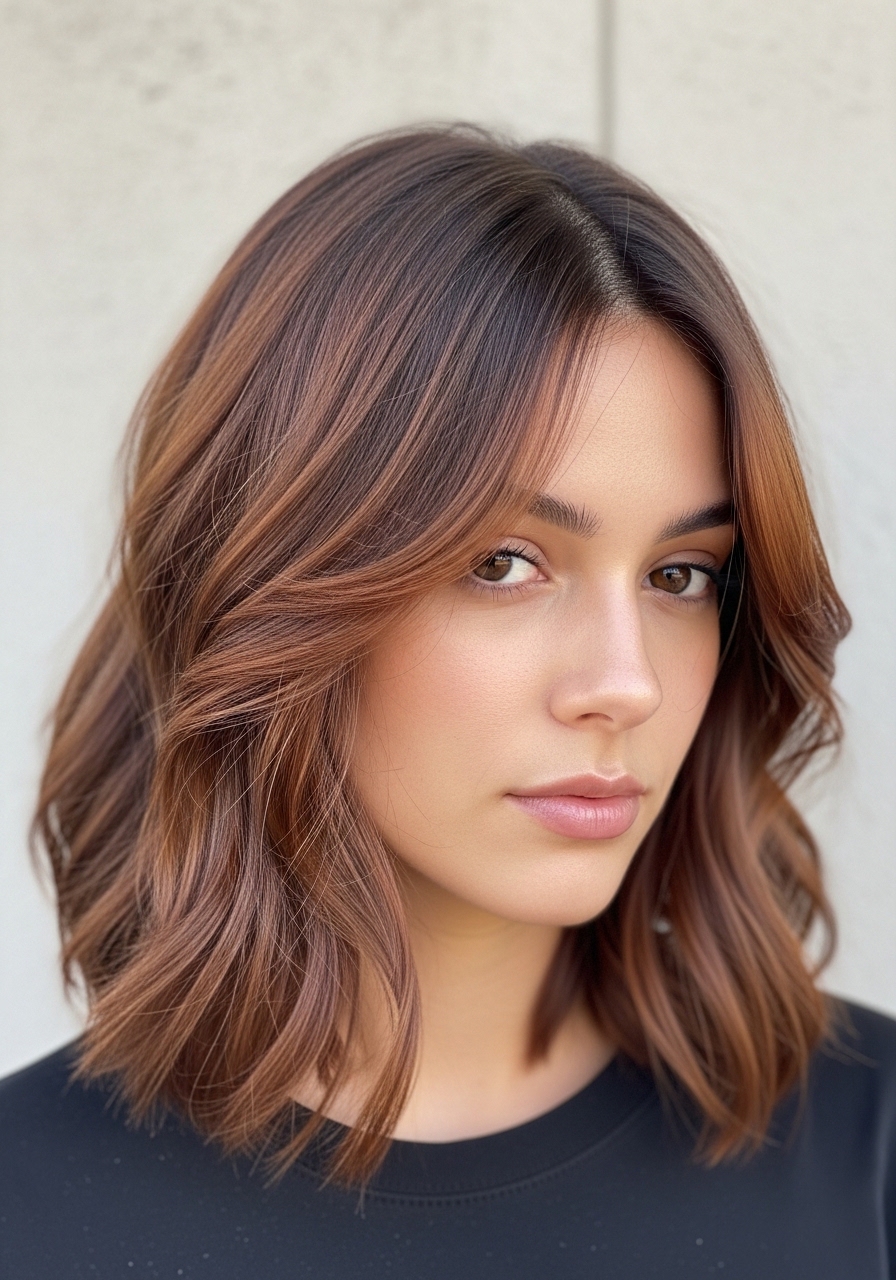
I asked for warmth but only around my face. The stylist added sienna-toned pieces that warmed my skin without changing the whole head. It brightened my face in photos.
This is nice for darker skin tones and those who want subtle lightness. On my textured hair the pieces blended as they moved. The rest of my hair stayed rich and dark.
Ask for “sienna face-framing demi pieces.” An insight: place them higher for more brightness. I once had them too low and they didn’t catch the light.
8. Smoky Blue-Black Gloss for Cool Depth
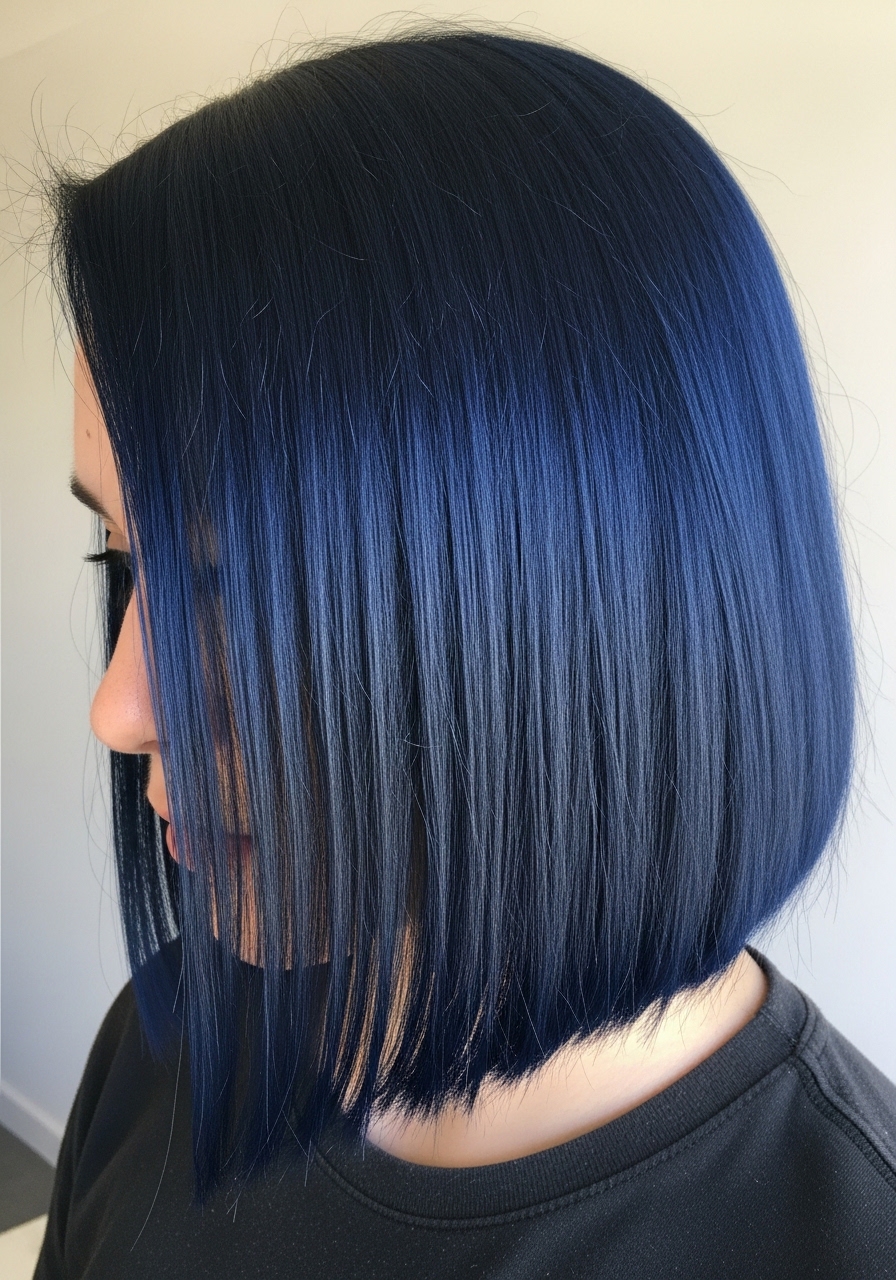
I loved the idea of a blue-black sheen. It made my black hair feel fresher without changing color in daylight. Indoors it reads dark; sunlight shows a cool blue gloss.
This works best on low-porosity hair. The deposit sits on the surface and gives a subtle tint without lifting. It’s great on short styles that catch light.
Tell your colorist “blue-black demi-gloss.” My mistake: I didn’t ask about shampoo compatibility—purple or blue shampoos can mute the effect. Use a color-safe gentle shampoo.
9. Deep Plum Gloss for a Velvet Shine
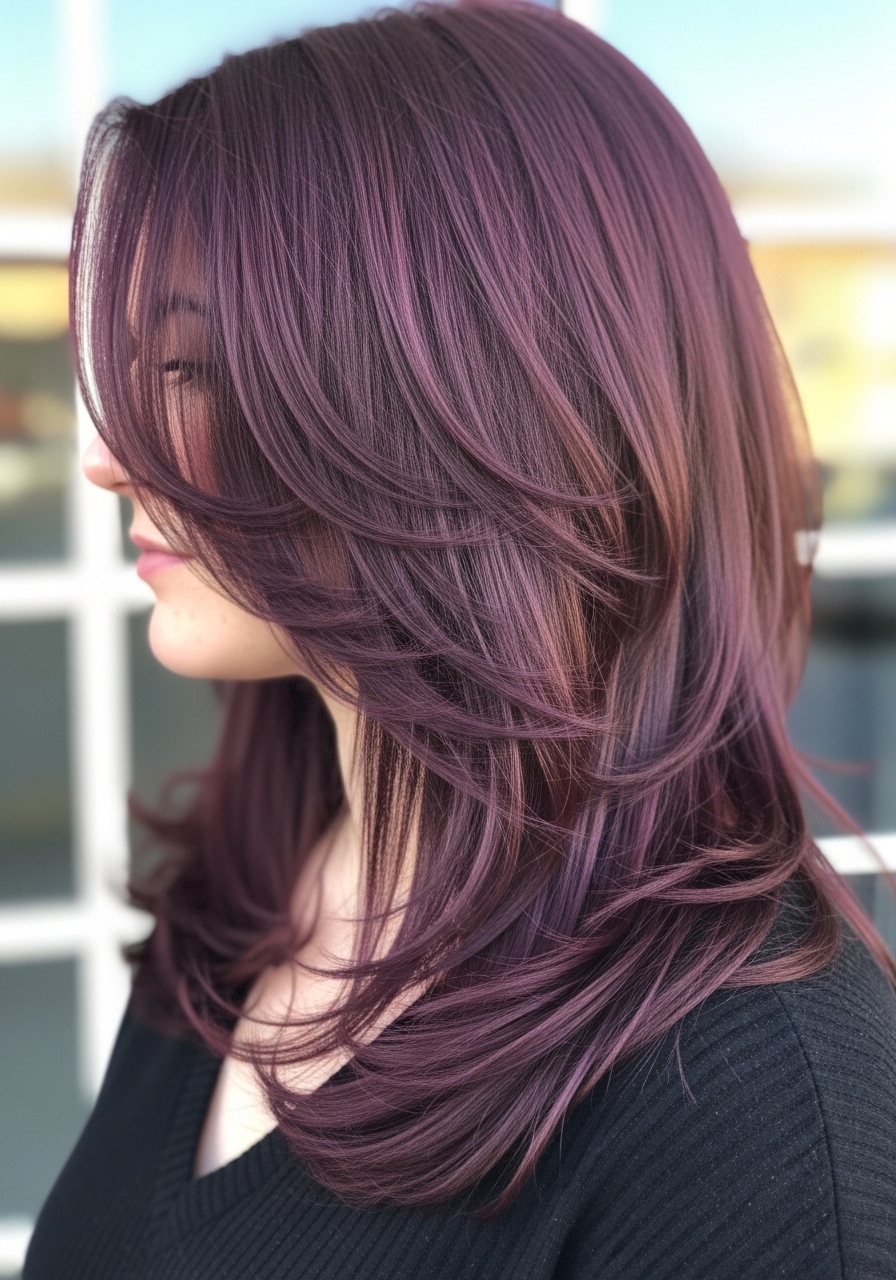
I wanted something moody but elegant. A deep plum gloss gave me that velvet sheen without looking purple at a glance. It reads as deep brown with a cool red flash.
On my coarse hair it hid brassy warmth and added polished shine. Fine hair shows the plum more quickly, which is fun if you want more obvious color.
Ask for a demi-plum gloss and a clear glaze. One insight: build the tone gradually over sessions. I tried to go full plum in one visit and it looked patchy until it settled.
10. Bronze-Brown Color Deposit for Warmth
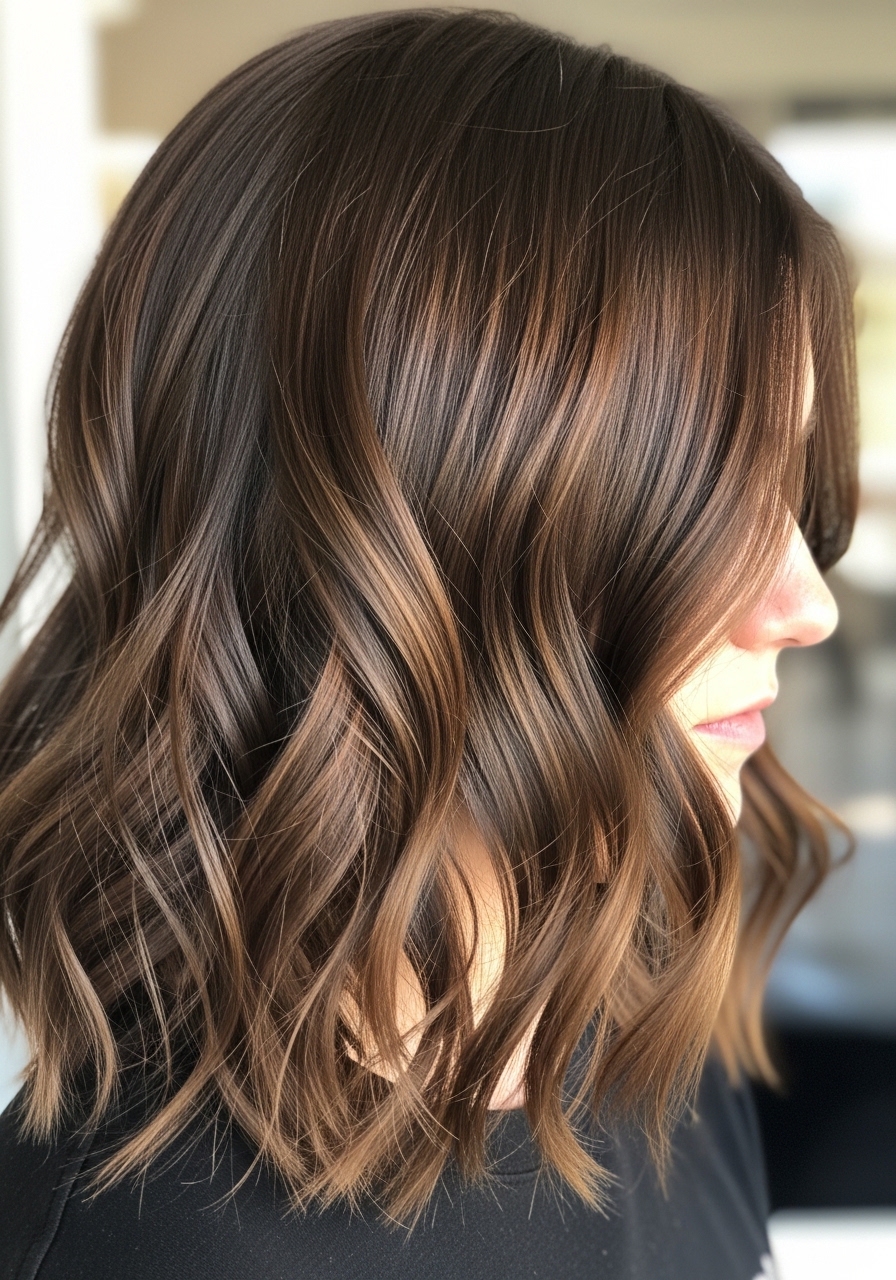
I used a color-depositing treatment to add bronze warmth between salon visits. It makes my black hair look sun-kissed without lifting. It’s maintenance-friendly.
This approach is perfect if your hair resists permanent change. The deposit builds up and fades predictably. It’s also forgiving if you over-apply—you get a deeper tone, not bright streaks.
Tell your stylist which shade family you like and pick a monthly mask to match. My mistake: used too much product once and ended up with darker mid-lengths for a week. Less is more.
11. Cinnamon Brown Glaze That Softens Features
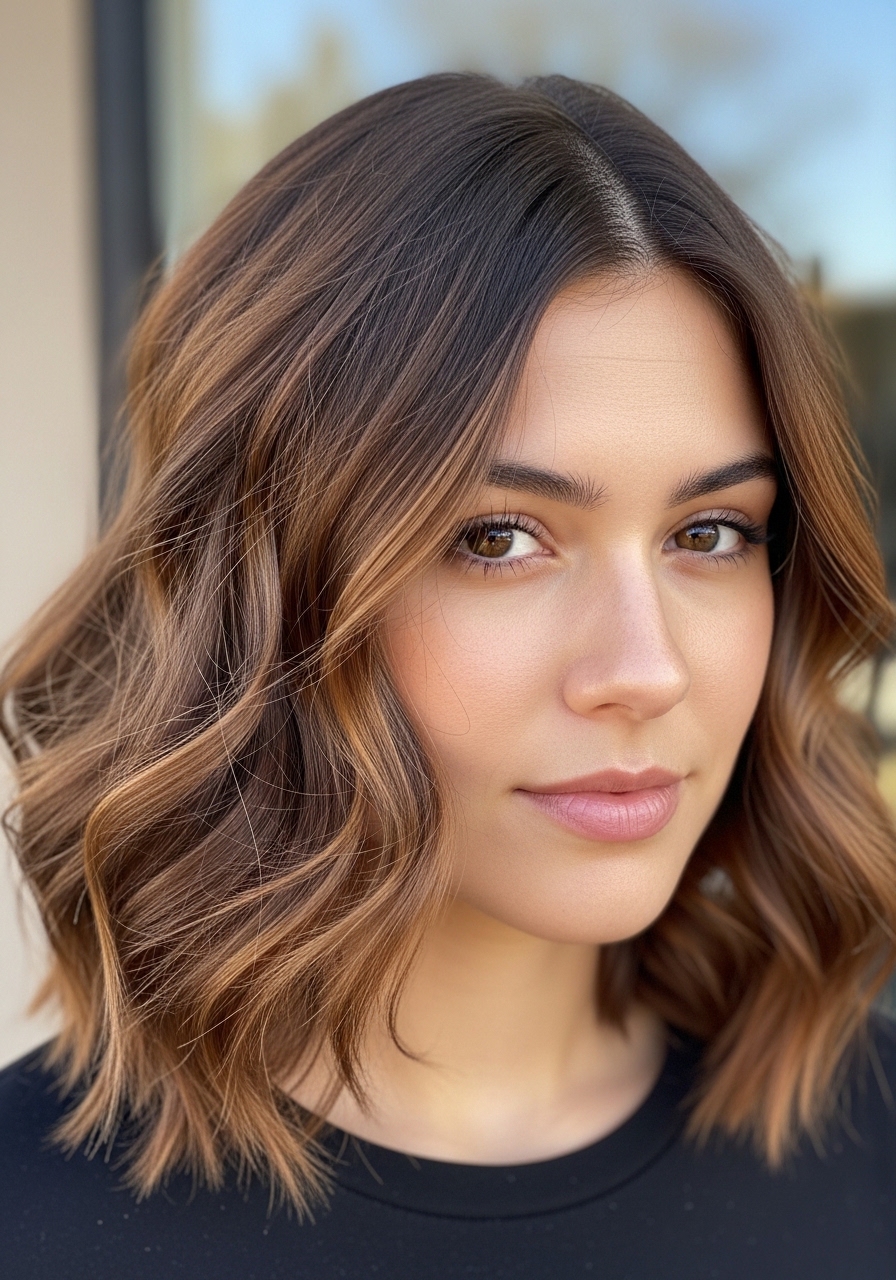
I wanted a warmer face without going orange. A cinnamon brown glaze added soft warmth and made my skin look healthier in close shots. It felt understated and clean.
On my medium-thick hair the glaze lasted about five weeks. It faded to a gentle brown rather than losing all warmth. The effect is subtle but noticeable to friends.
Ask for a demi-permanent cinnamon glaze and a split-end trim while you’re there. An insight: avoid over-washing—glazes live longer if you stretch shampoo days.
12. Satin Black with Red Undertone
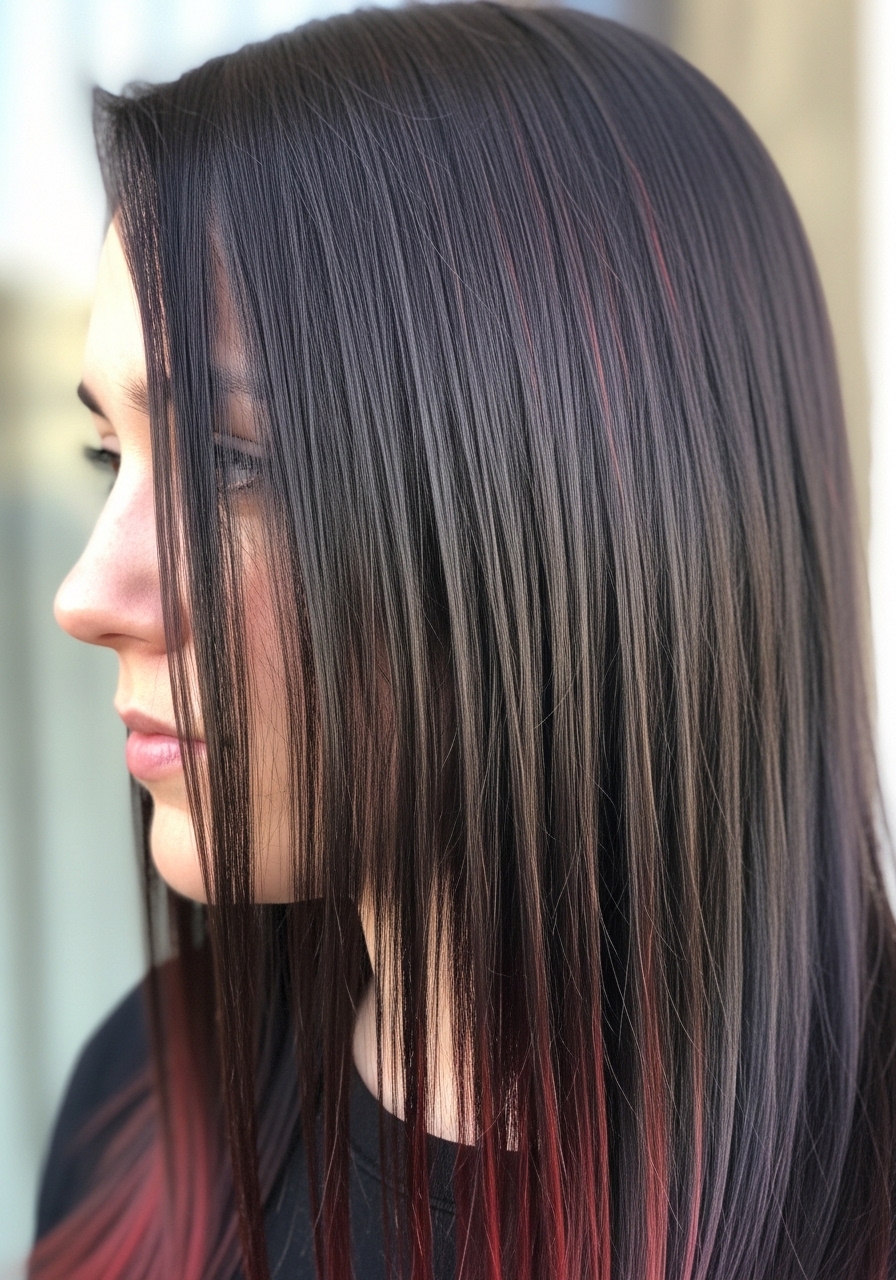
I wanted true black but with personality. My stylist added a red undertone that only appears when light hits it. It looked luxe and not heavy.
This suits people who want dark, classic looks with a twist. It’s low-maintenance because the black hides regrowth while the red sheen gives depth.
Tell your colorist “black base with red demi deposit.” My small mistake was choosing too bright a red undertone at first. I learned to pick a deeper red for subtlety.
13. Burnt Copper Lowlight Wash
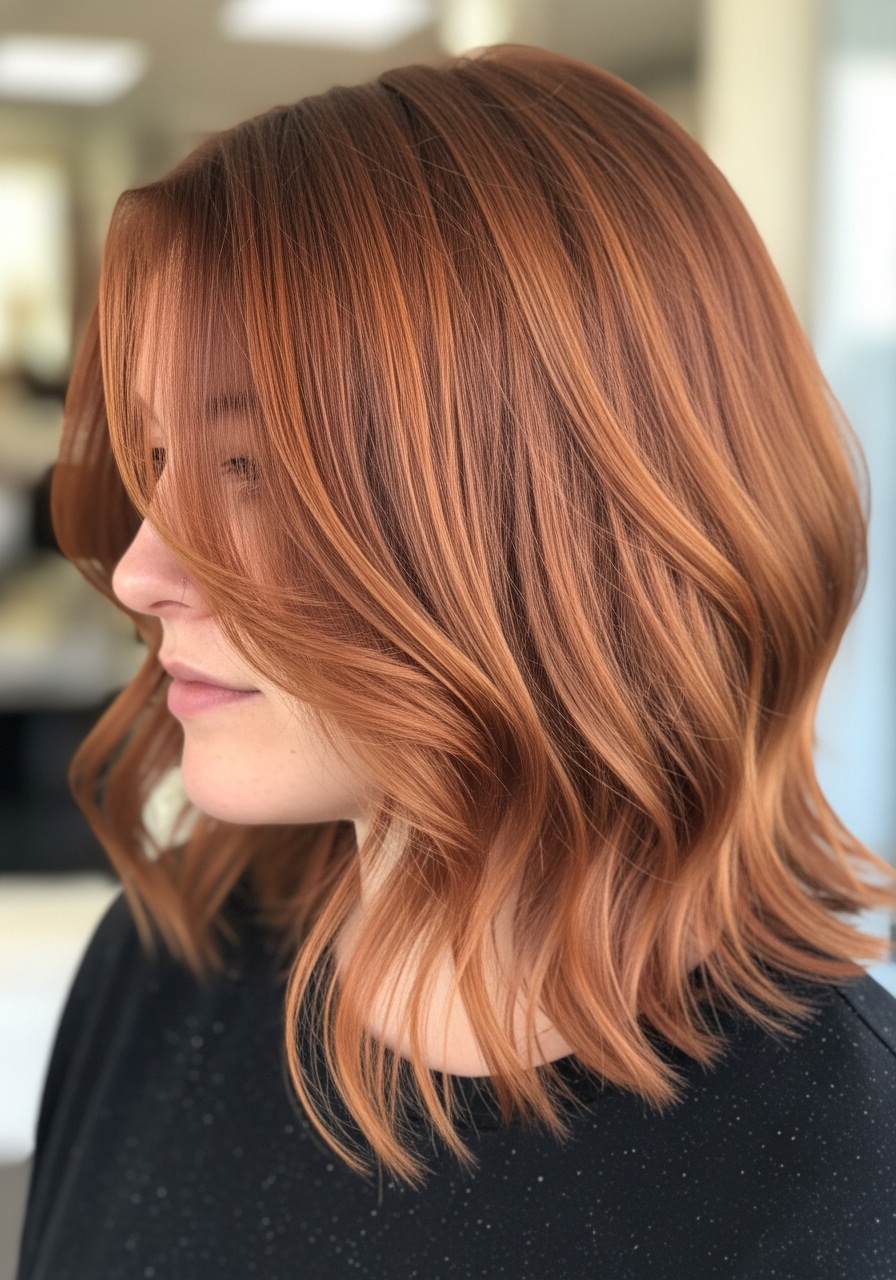
I wanted warmth without blonde streaks. We did burnt copper lowlights instead of highlights. On my base it read like warm shadows running through the hair.
This looks good on sun-faded or previously colored hair. It’s less risky than full copper highlights and blends with dark roots. The warmth keeps my face lively.
Ask for lowlights plus a gloss to blend. I once asked for high placement and they read too concentrated. Spread them out for natural depth.
14. Berry Brown Gloss That Ages Well
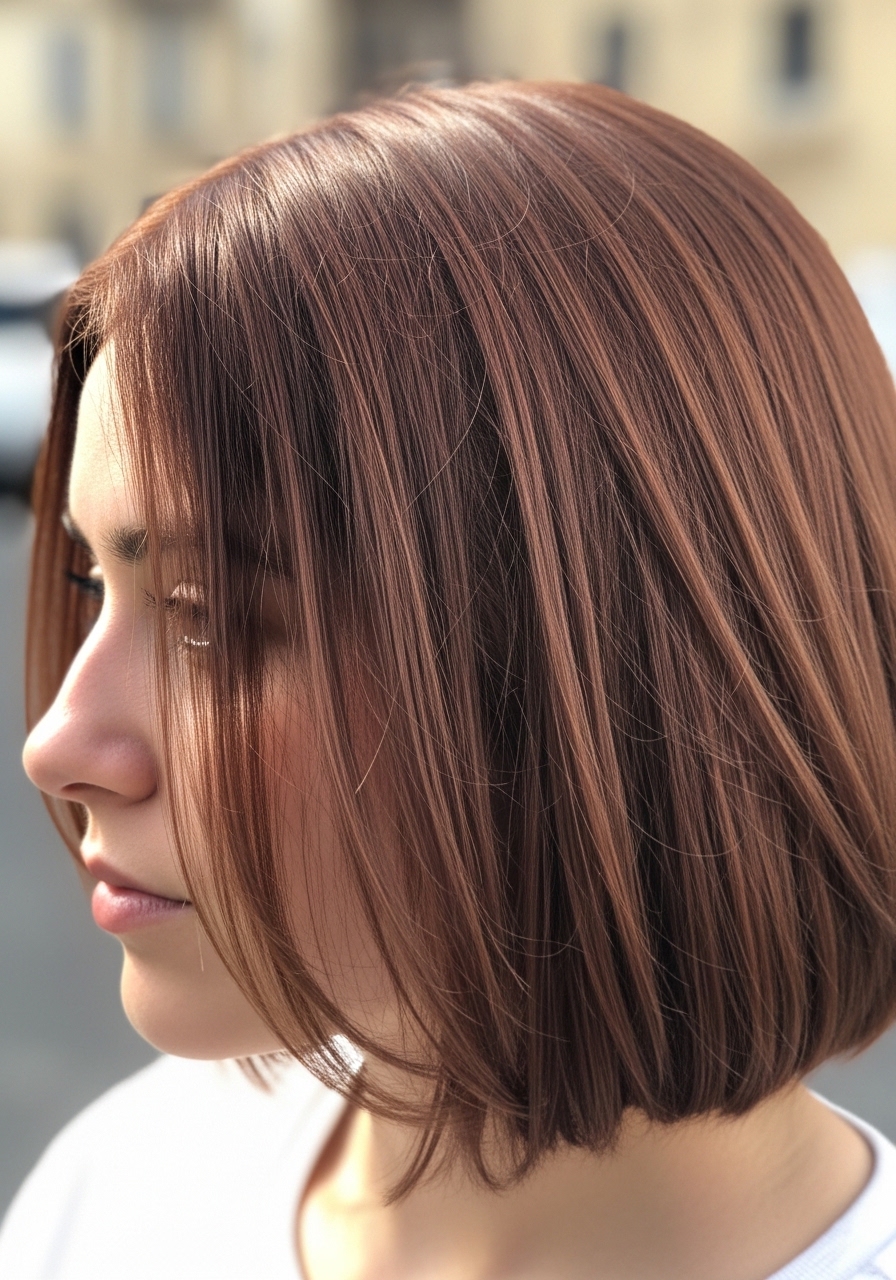
I wanted something modern but soft. Berry brown gave me a muted plum-brown that looked grown-up. It wasn’t loud, just a little dressier.
This is forgiving on different textures. Fine hair shows the berry sooner. Coarse hair gives a subtle sheen. It fades into a pleasant brown, not muddy.
Tell your stylist “berry brown demi-gloss.” An insight: keep brass-fighting products out of the routine. I mixed my shampoos and lost the berry quicker than I liked.
15. Copper-Infused Brown for Natural Red Hints
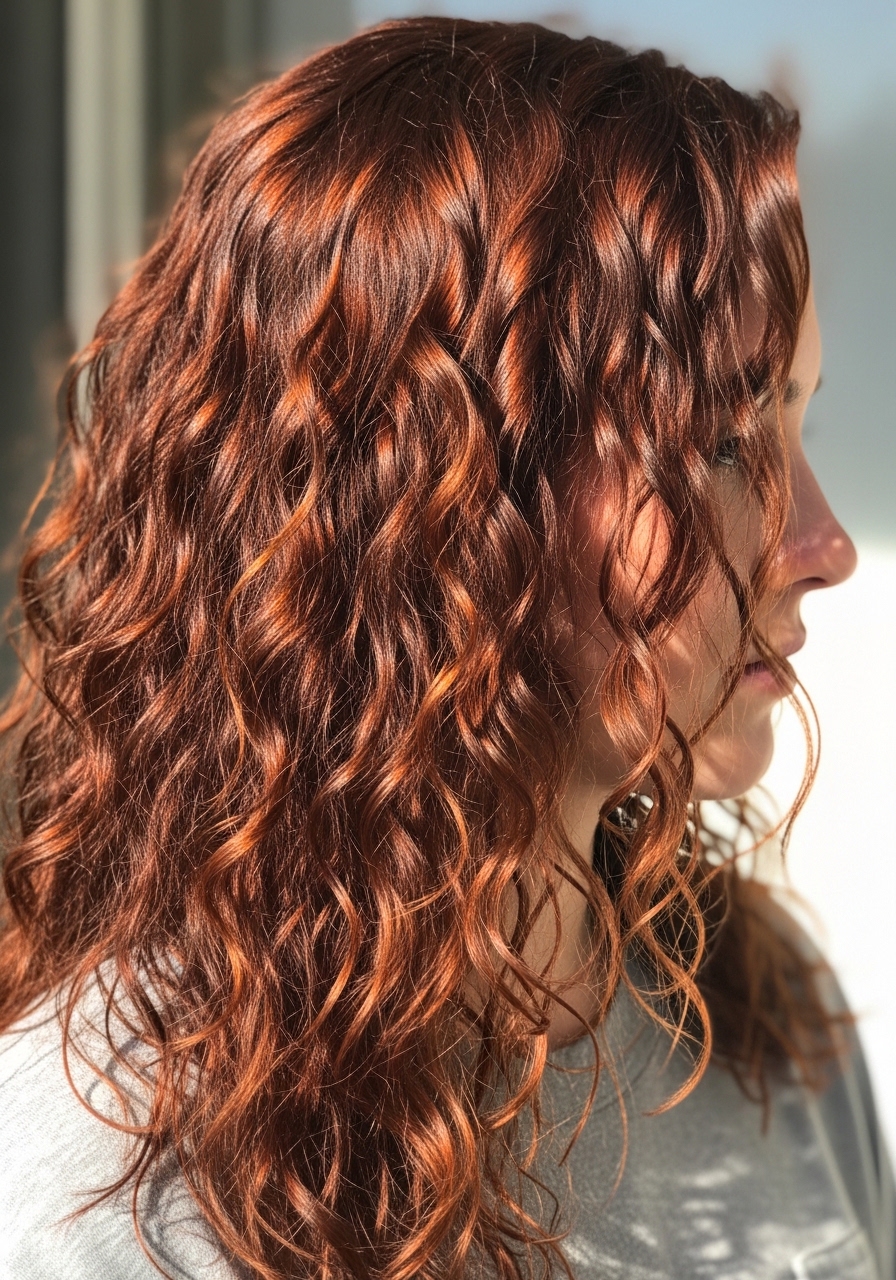
I wanted a natural hint of red without going full copper. My colorist added copper infusions into a brown base. It shows up when the light hits and disappears indoors.
This approach is gentle and lasts well on dark hair. It works on relaxed or natural textures. The result is low-maintenance and flattering.
Ask for “copper-infused brown, semi-opaque.” My mistake: I underused a color-safe mask and the copper dulled faster. A weekly mask kept the glow.
16. Mocha Bronze with Soft Face-Framing Lowlights
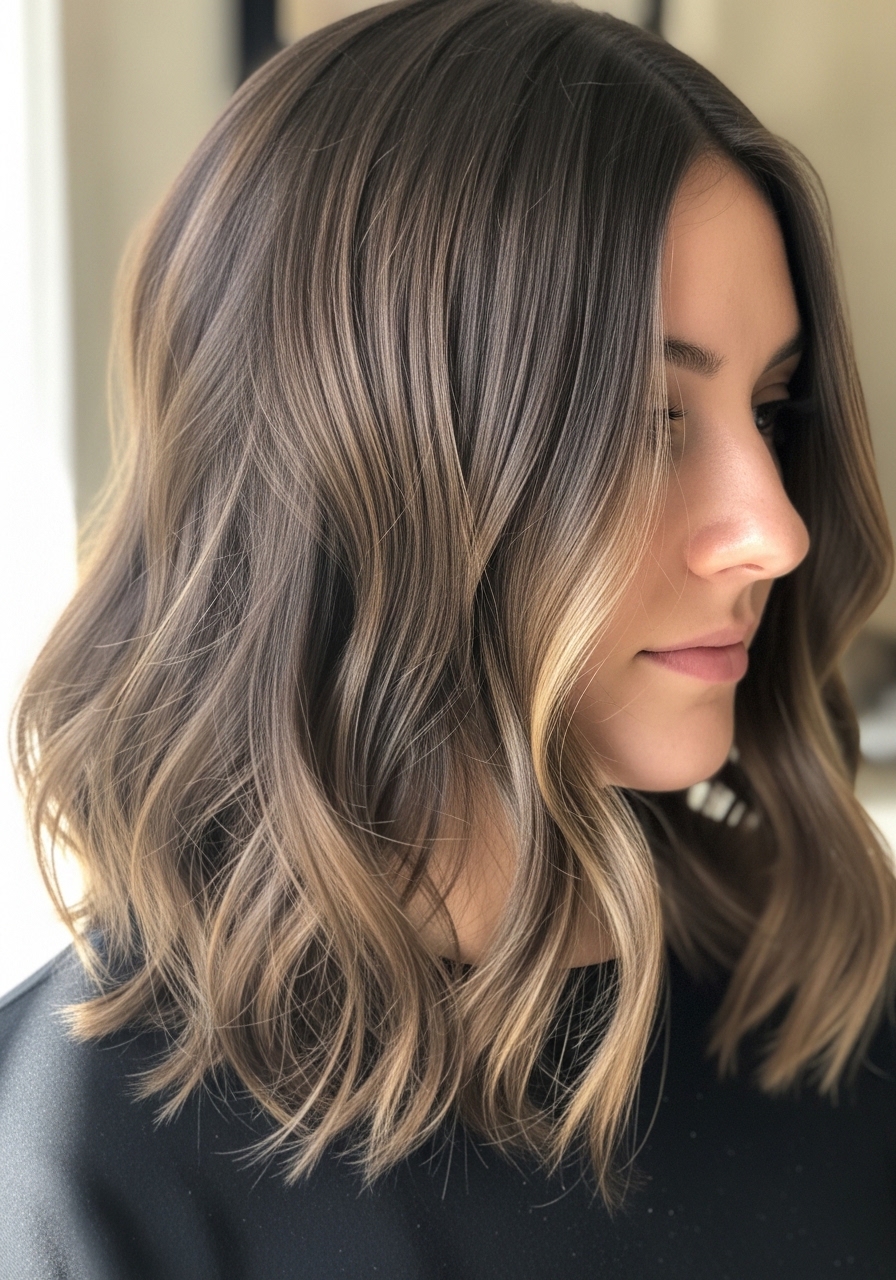
I wanted subtle sculpting. Mocha bronze with soft lowlights around my face added shape without heavy cutting. It brightened features gently.
This is great if you want contouring without hard lines. On my hair the lowlights blended as the day went on. It kept volume and texture intact.
Tell your stylist “mocha bronze overall, soft lowlights at the face.” An insight: ask for baby sections rather than chunky pieces. I learned that big sections looked dated.
17. Deep Sable with Honey Glint
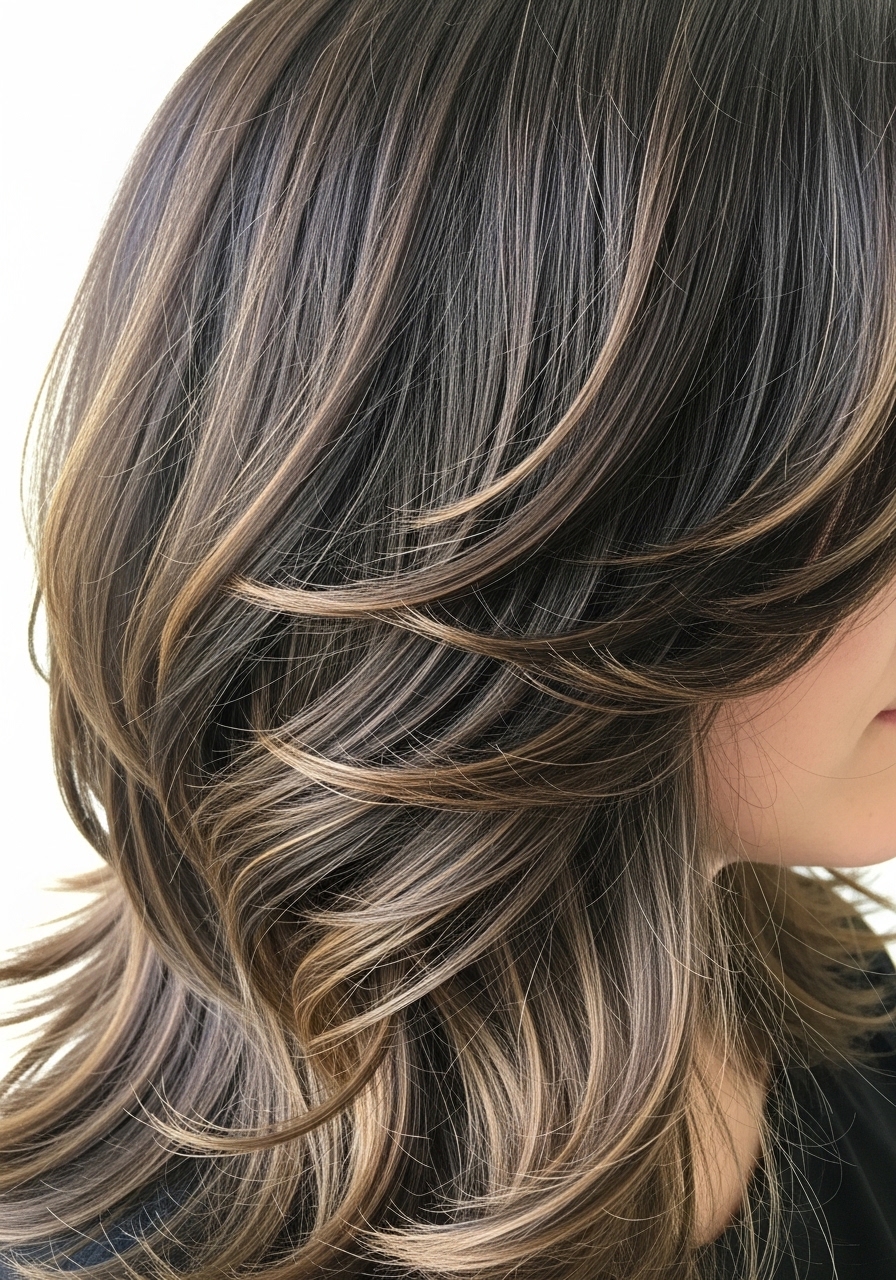
I wanted depth with a touch of brightness. A deep sable base with tiny honey glints at the ends did the trick. It’s visible only when I move, which I liked.
On my thicker hair the glints blended and felt natural. For finer hair the honey shows up more obviously. It’s a good test if you like subtle contrast.
Ask for “deep sable and honey glints—light-handed.” My mistake was asking for too many glints once. Less gave a softer finish.
18. Chocolate-Copper Ombre (Soft, No Bleach)
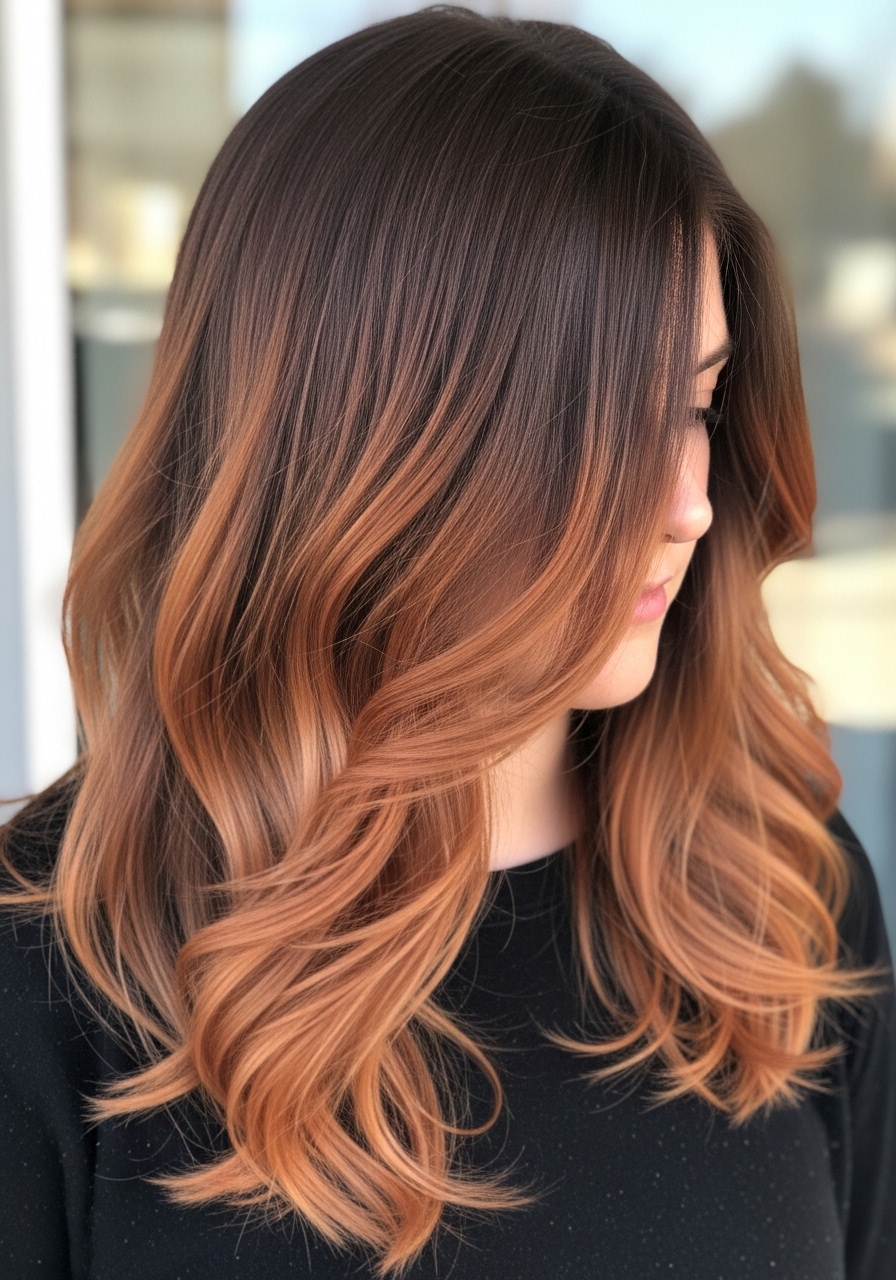
I wanted an ombre but didn’t want to bleach. We did a soft chocolate-to-copper using deposit-only color layered over several visits. It’s subtle and warm, not bright.
This requires patience. On my darker base it took a few sessions to build a visible copper. The payoff was natural-looking warmth that fades evenly.
Tell your stylist you want a gradual build with demi colors. An insight: expect multiple sessions and bring snacks. Rushing this can give uneven results.
19. Copper-Red Gloss with Heat-Activated Deposit
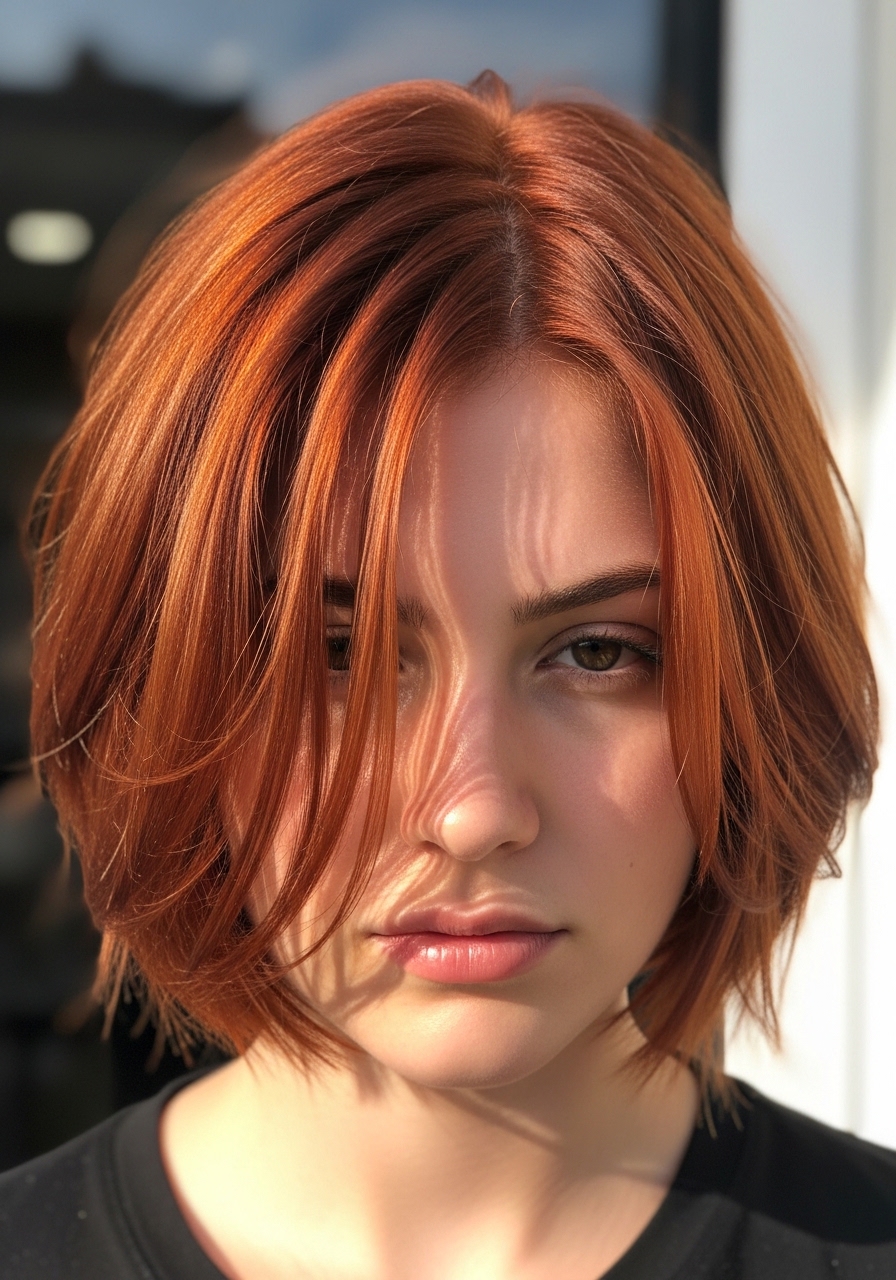
I tried a heat-activated deposit once to deepen red tones. My stylist used a warm copper-red that warmed up with blow-drying. It felt lively and held through styling.
This method is nice if you style with heat often. The deposit reacts better on dry, styled hair and gives a richer look after blow-dry. It’s less dramatic than full dyeing.
Ask for “copper-red demi that responds to heat.” My mistake: skipping heat left the color flatter. A quick blow-dry brought the tone to life.
20. Velvet Brown with Soft Ash Tint
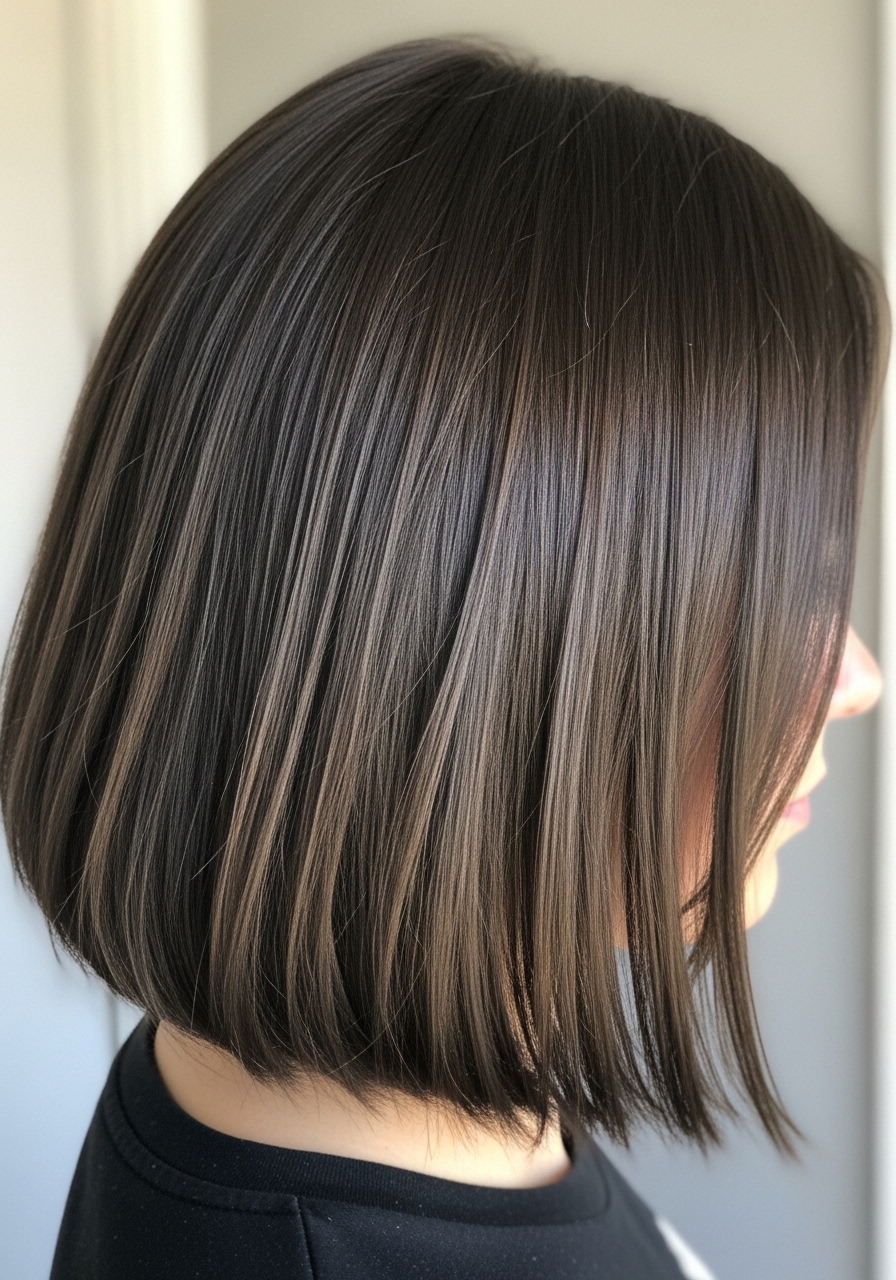
I wanted something grounded and neutral. Velvet brown with a soft ash tint muted any unwanted warmth and read sophisticated. Indoor light kept it rich; daylight showed cool undertones.
This suits people who fight brass or want a cooler palette without bleaching. My hair stayed glossy and the ash hid sun-fade brassiness nicely.
Tell your stylist “velvet brown with a soft ash demi-glaze.” An insight: ash tones can flatten if overused. I asked for light ash and kept some warmth for life.