
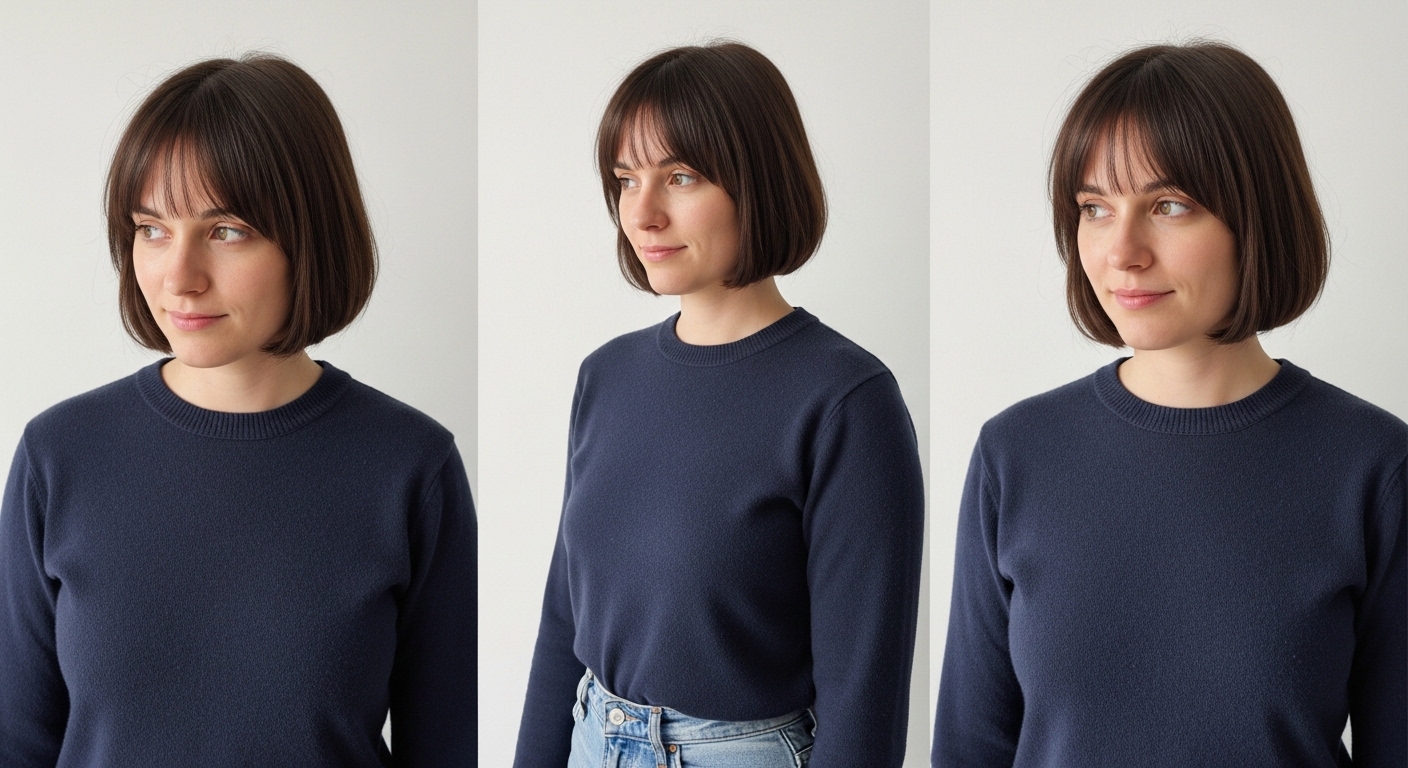
I used to over-style every morning. I’d straighten, spray, and still end the day with flat hair and regret.
Then I started keeping cuts simple and realistic for my life. It made mornings shorter and my hair happier.
H2
20 Rich Low Maintenance Haircuts For Fine Hair
These 20 ideas are genuinely low-maintenance. I’ve sat through most of them — the good, the awkward, and the easy wins. Read them as salon language and real-life wear notes so you know exactly what to ask for and what to expect.
H3
- Blunt Chin-Length Bob That Reads Fuller
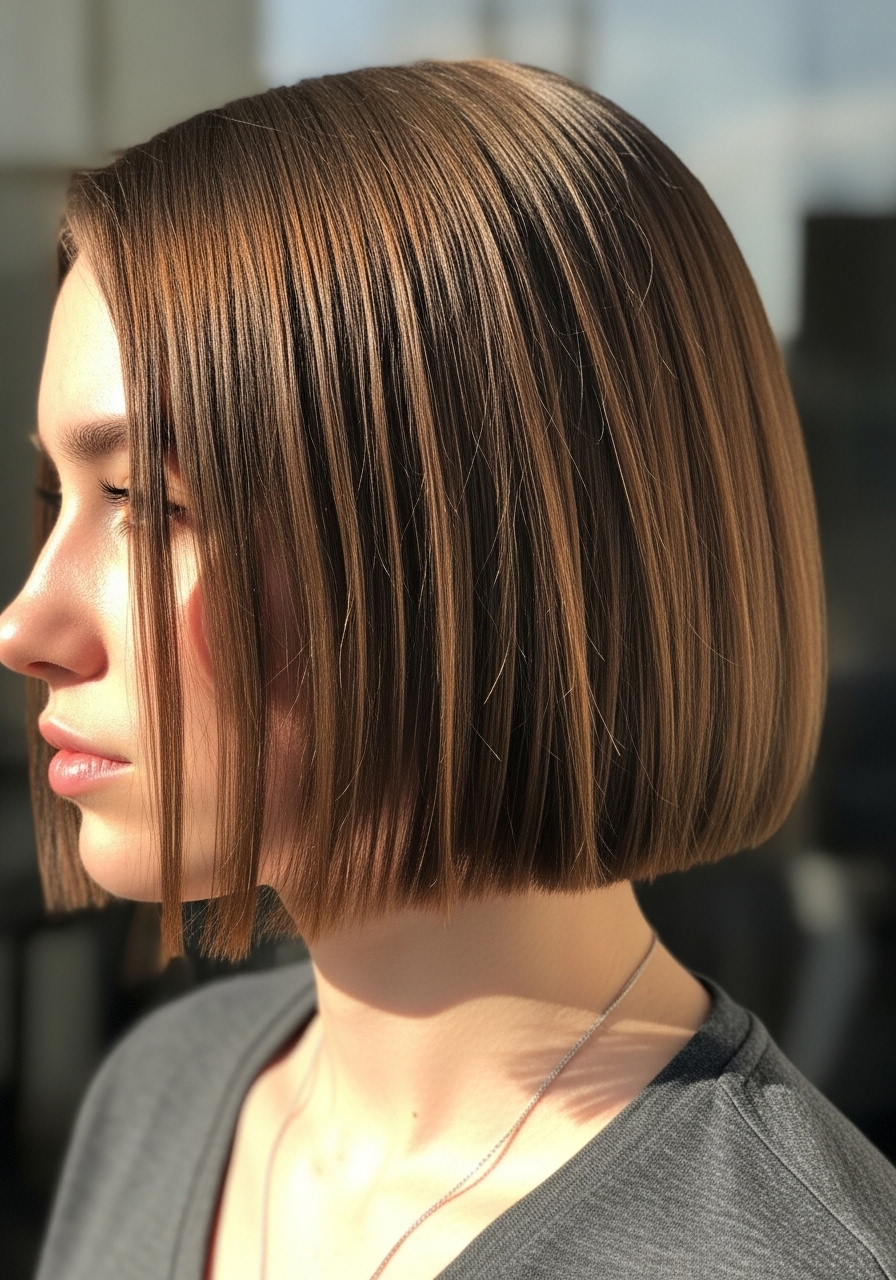
I asked for a blunt bob because my hair loses shape by noon. The straight, single-length edge gives the illusion of density at the ends. It sits clean around my jaw and never looks wispy like layered cuts used to.
In practice it grows out gracefully. It doesn’t need layers to feel alive. My tip: ask for a tiny internal weight removal so it doesn’t puff at the roots. Works best on straight to slightly wavy fine hair. I blow-dry with a round brush briefly and it lasts the day.
H3
2. Long-ish Lob with Soft Internal Layers
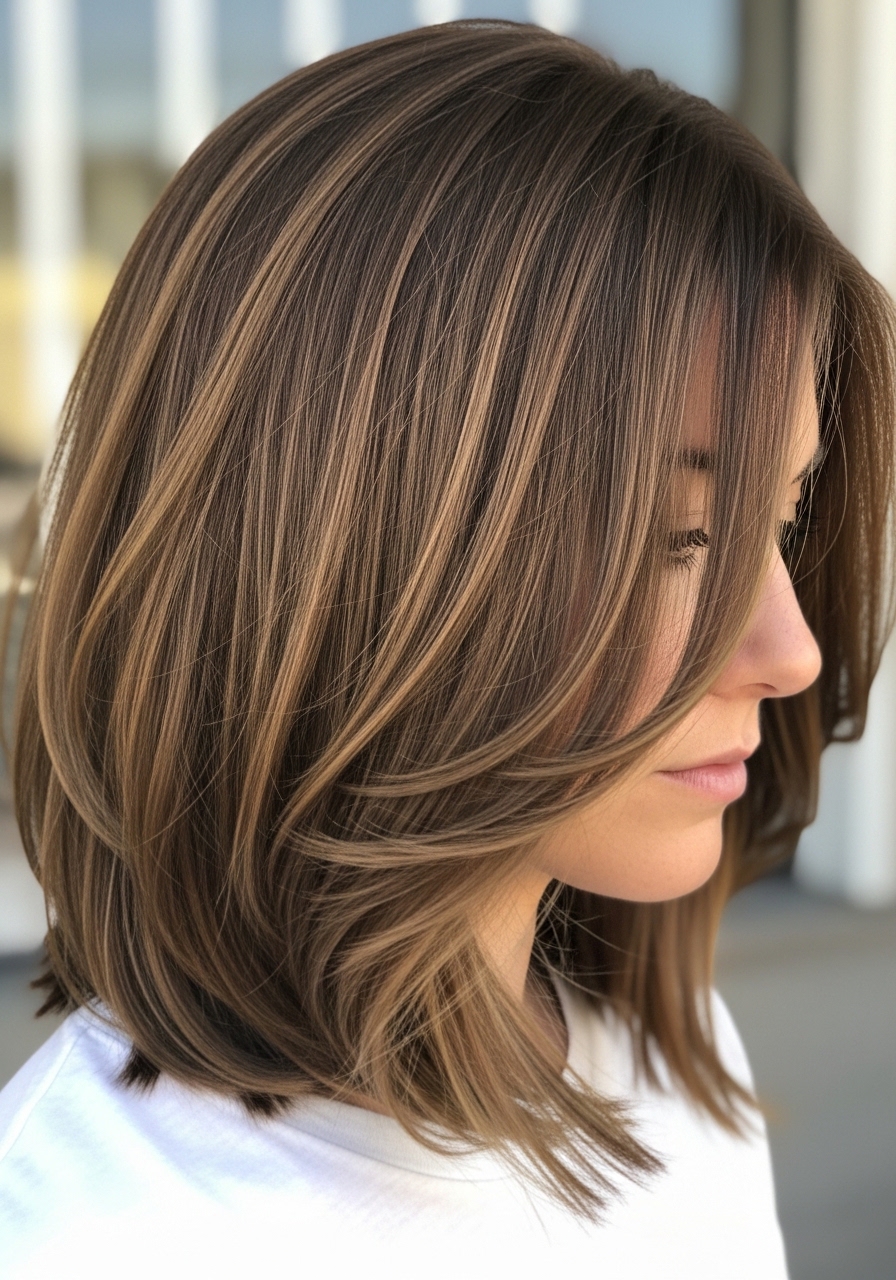
I wanted movement without losing length. My stylist added soft internal layers that remove weight but keep the ends blunt. It looks fuller midday because the layers let hair sit away from the scalp.
Real life: humidity can open those layers, so it’s not perfectly sleek. I made the mistake of asking for too many layers once and it got airy and stringy. Now I tell my stylist “one grade of internal thinning only.” Best for fine hair that wants to swing but not collapse.
H3
3. Stacked Bob with Tapered Nape for Instant Lift
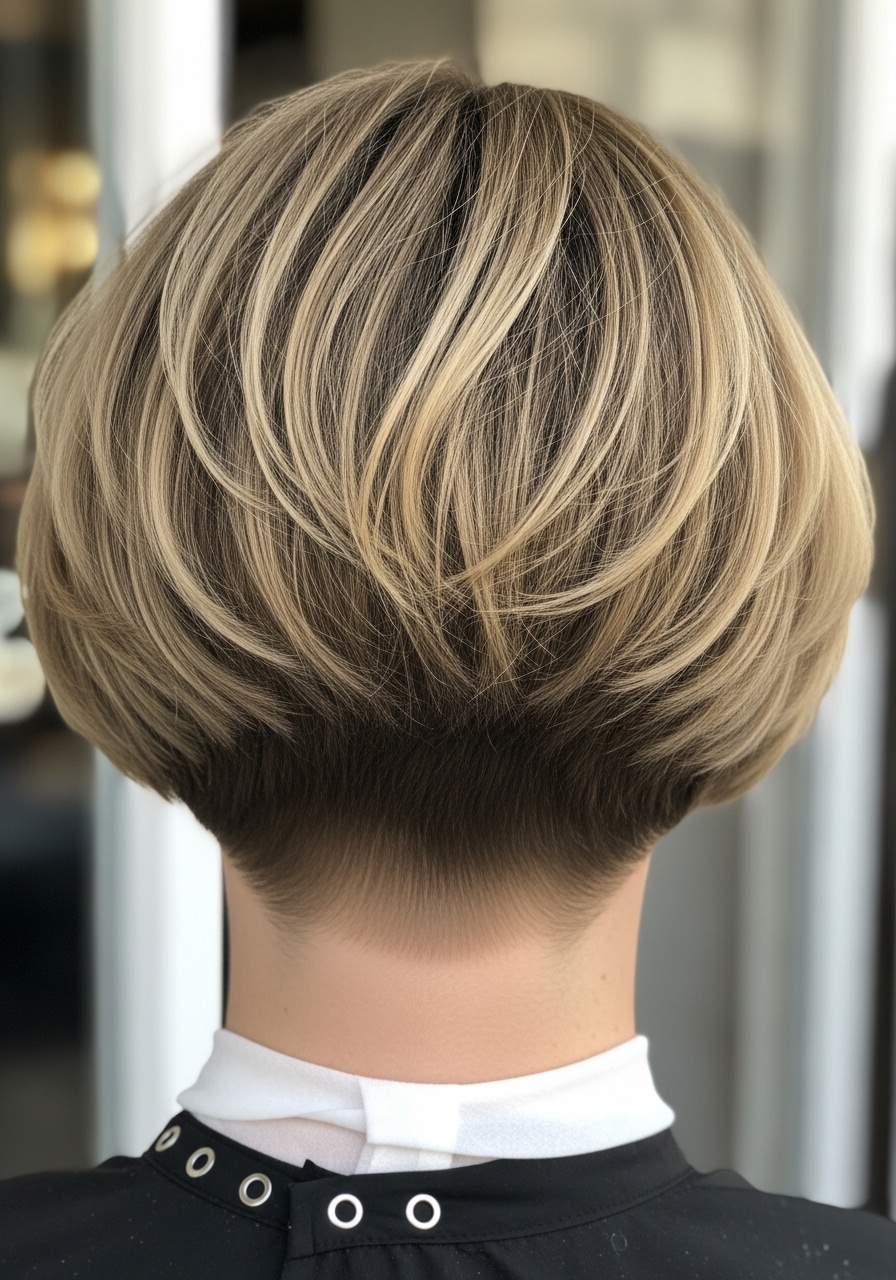
I was tired of flat crowns. The stacked bob gave immediate lift without daily teasing. The graduation at the back creates weight but also a little roundness that tricks the eye into density.
It’s low effort after the cut. I sleep on it and it still reads shape the next morning. This works best on fine, straight to slightly wavy hair. My stylist told me to let it grow no more than 2 inches before reshaping. Ask for soft stacking, not harsh graduation.
H3
4. French Bob with Slight Wave and No-Fuss Styling
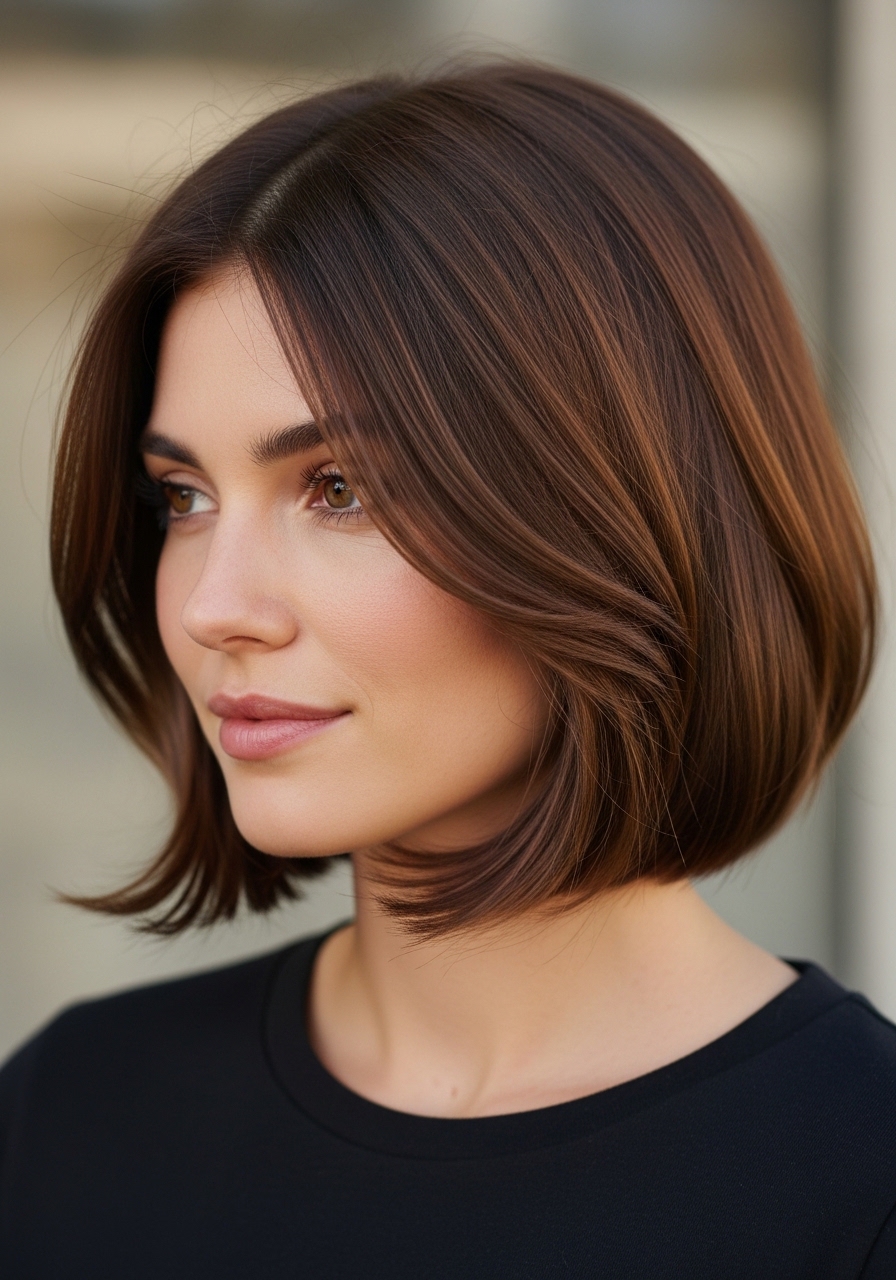
I tried the French bob on a whim. The short, blunt silhouette frames my face and hides thin mid-lengths. Because it’s short, I barely touch it in the morning. I let my natural wave do the work.
One thing I learned: skipping a light texturizer at the ends made it look too heavy and boxy. Once I had a tiny razor softening, it sat better. Best for fine hair with natural bend or slight wave. Tell your stylist “short, blunt, soften ends a touch.”
H3
5. Pixie with Longer Top and Tapered Sides
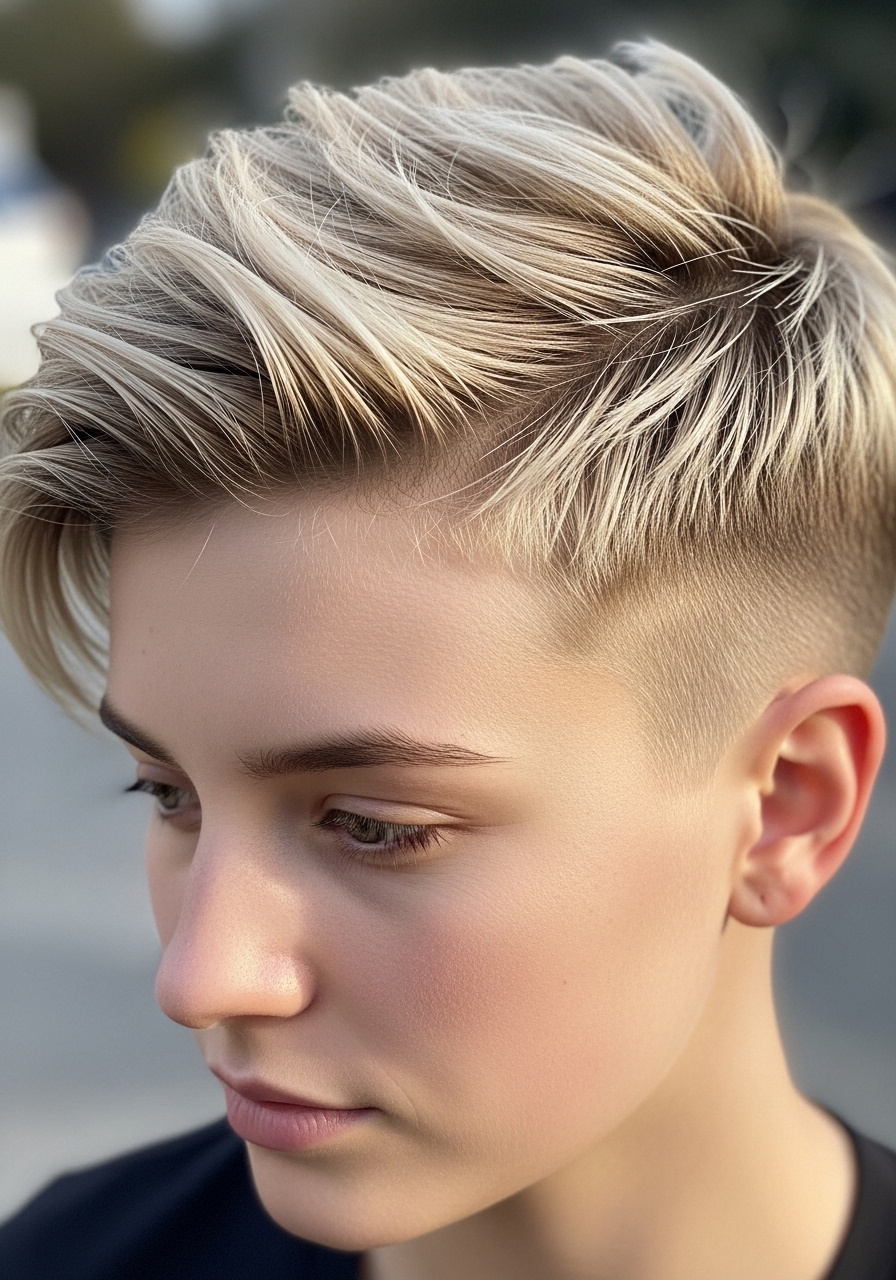
I cut most of my weight off and kept length on top. The longer top gives movement and the tapered sides keep things tidy. It’s actually low maintenance — five minutes to style with fingers and a dab of cream.
In reality it needs trims often to keep the shape. My hair looked great for two months, then the sides softened. That’s okay; I learned to schedule quick touch-ups. Works great on fine hair that holds a little texture. Ask for a soft blend not hard lines.
H3
6. Collarbone-Length One-Length Cut with Blunt Ends
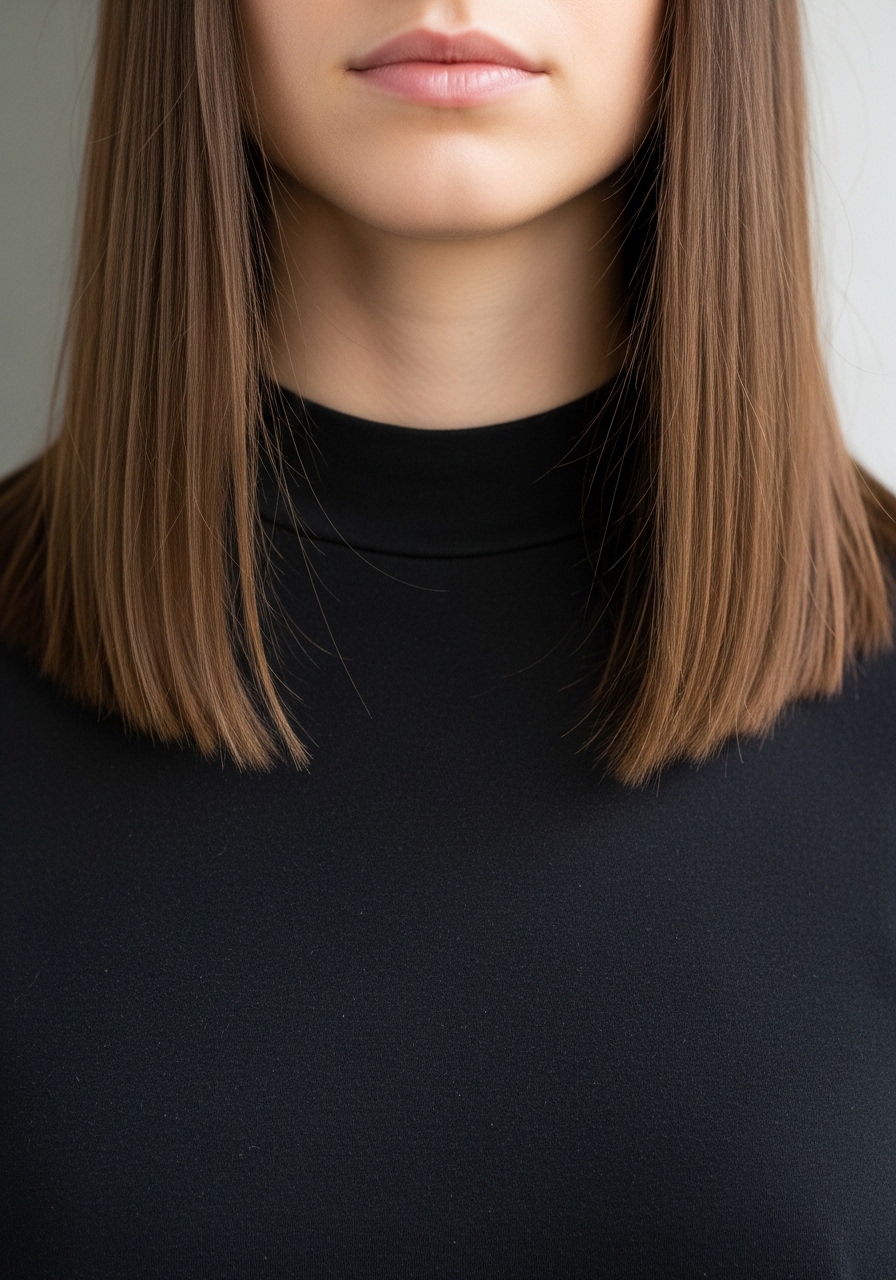
I kept my hair long but went back to one-length instead of layers. The blunt ends add apparent weight and my hair doesn’t look wispy. It’s the most forgiving when I’m lazy — wash, air-dry, go.
I once thought adding lots of face-framing layers would help. It didn’t; it made my ends disappear. My tip: keep the cut heavy at the bottom and trim every 8–12 weeks to retain that blocky look. Best for fine hair that wants length and apparent density.
H3
7. Soft Curtain Bangs with a Lob
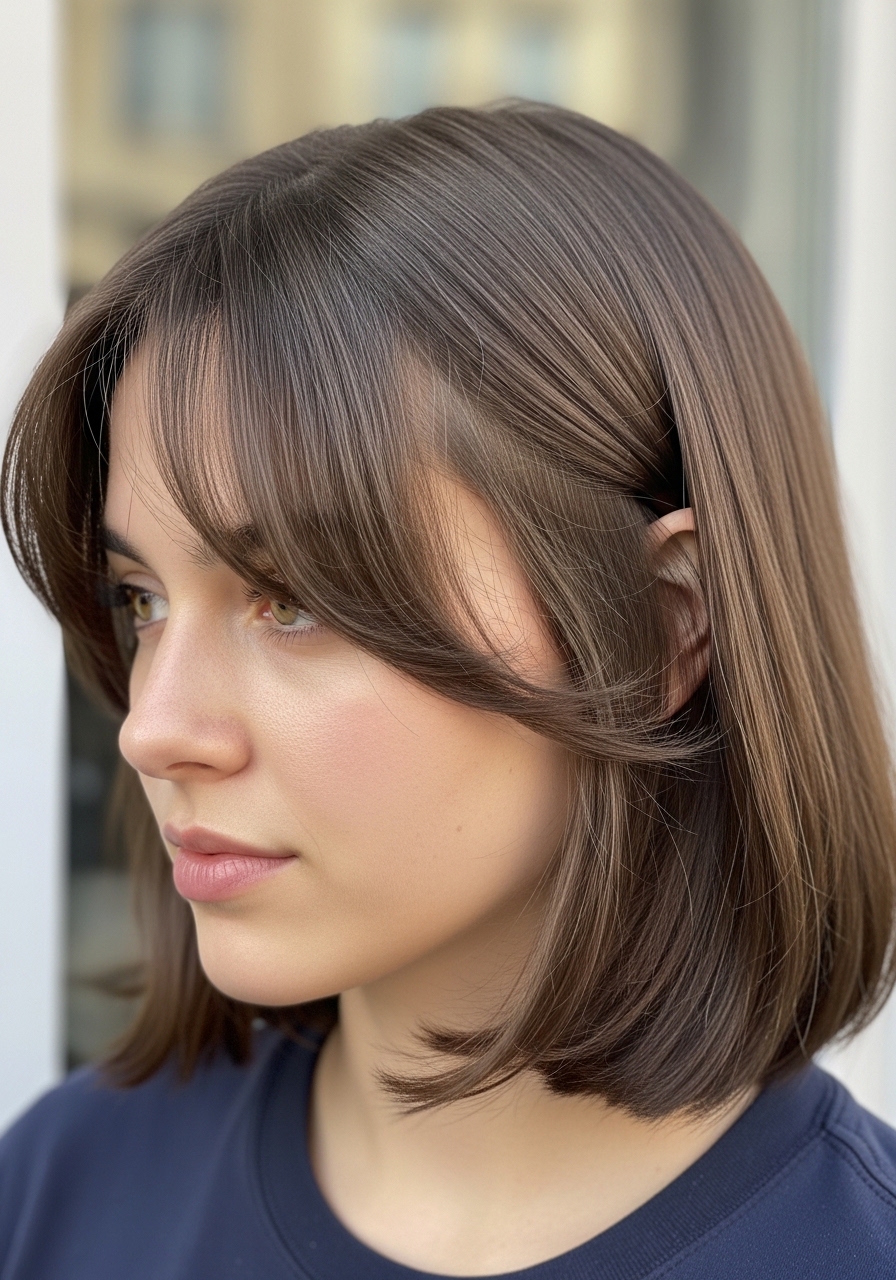
I was scared of bangs but curtain bangs felt safe. They soften my face without demanding constant styling. I part them in the middle and they sit naturally on my fine hair.
They do get limp if I skip product. My small mistake was cutting them too heavy the first time; they stuck together. Now I get them slightly longer and ask for feathering. Works well with a lob. Tell your stylist “soft, long curtain bangs, not blunt.”
H3
8. Short Shag with Face-Framing Layers
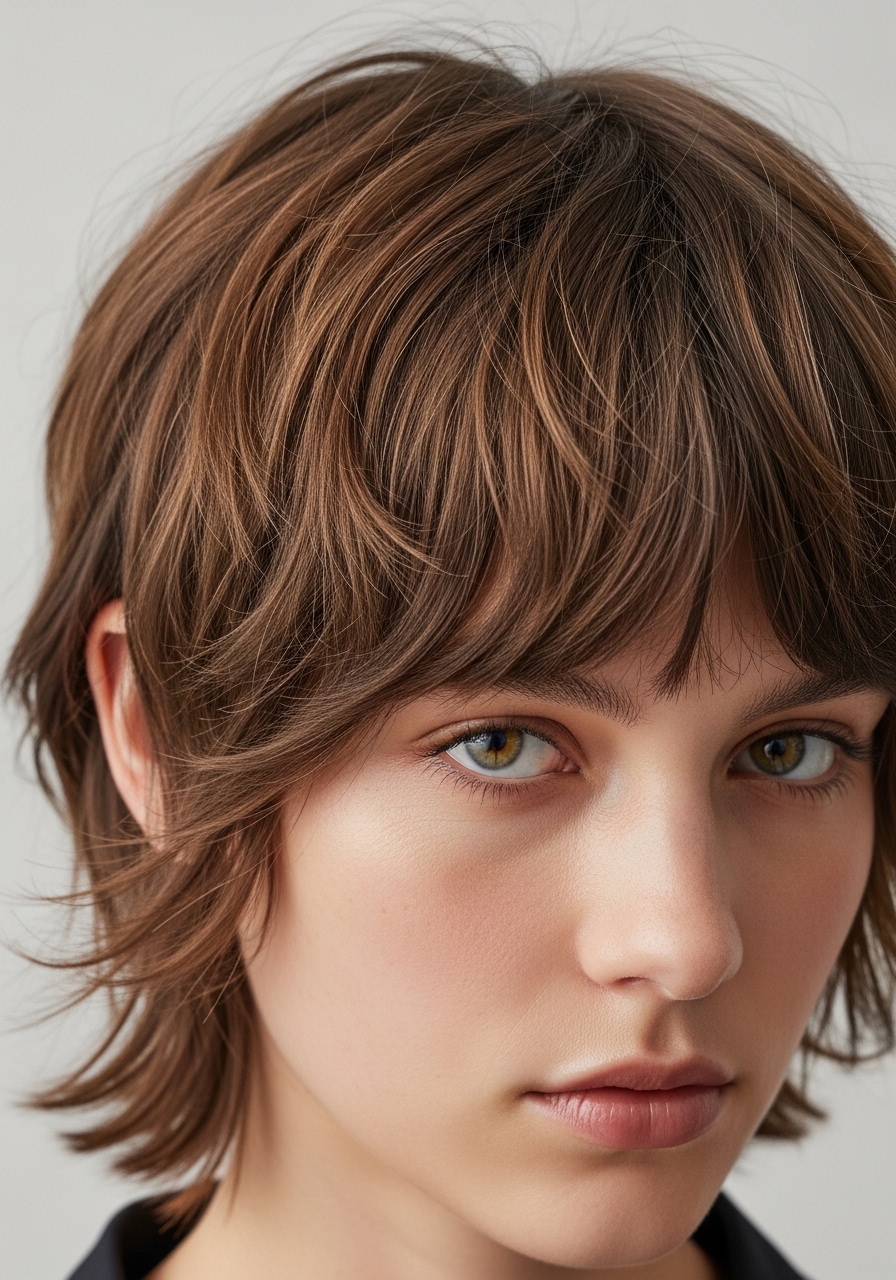
I wanted texture but hated thinning. The short shag gives movement without looking patchy. The choppy face-framing layers help volume at the crown and keep lengths light.
I messed up once by over-texturizing the mid-lengths. It looked straggly until it grew out. The key is leaving enough weight through the middle. Best on fine hair with natural wave. Ask for measured choppiness focused on the top and front, not the ends.
H3
9. A-Line Bob with Slight Angle for Flatter Faces
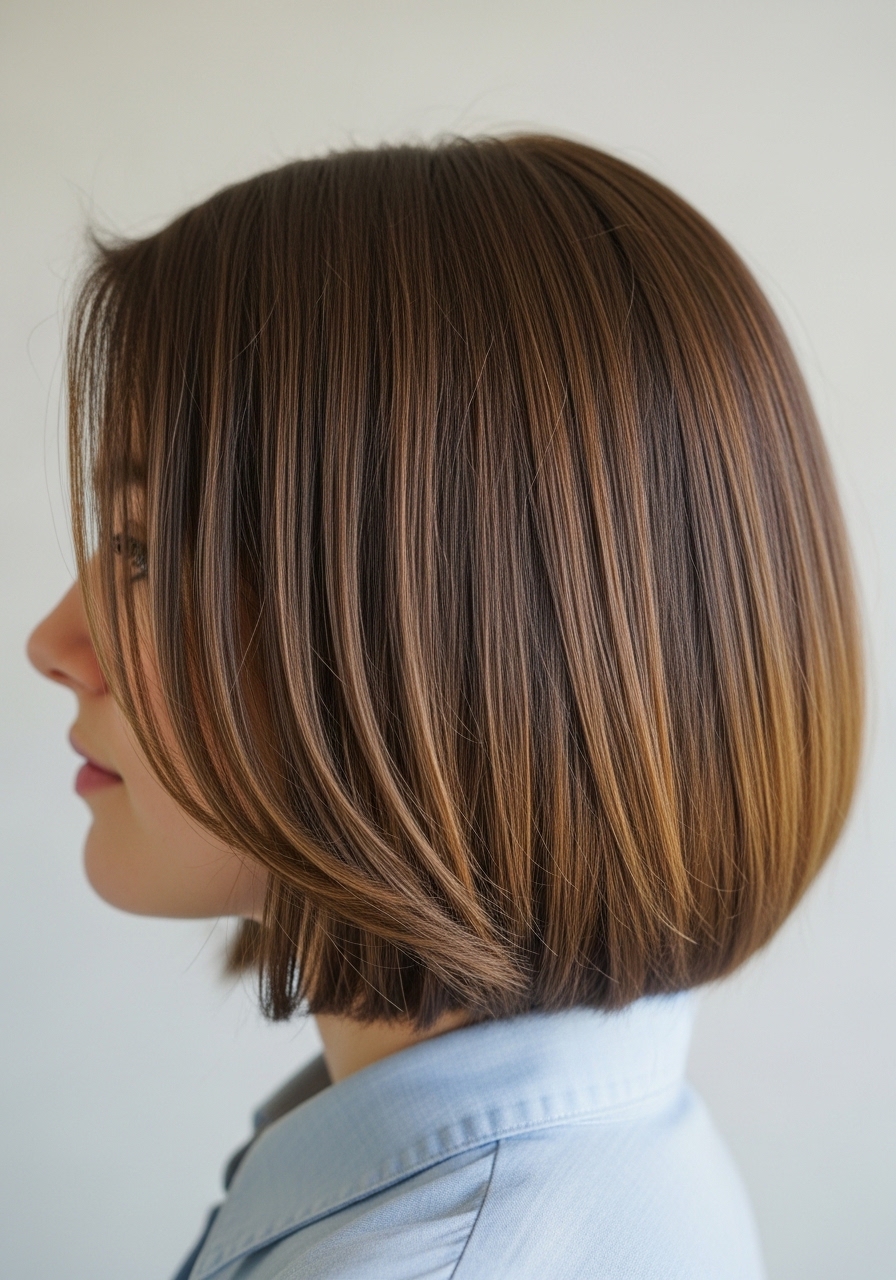
I chose an A-line to give structure to my round face. The forward weight elongates my profile and makes hair look fuller in front. It hangs clean without too much fuss.
Day-to-day it needs little more than a finger run through. On humid days it softens at the back but keeps the front shape. Good for fine, straight to slightly wavy hair. Tell your stylist you want a gentle angle — subtle, not dramatic.
H3
10. Sleek Mid-Length with Internal Weighting
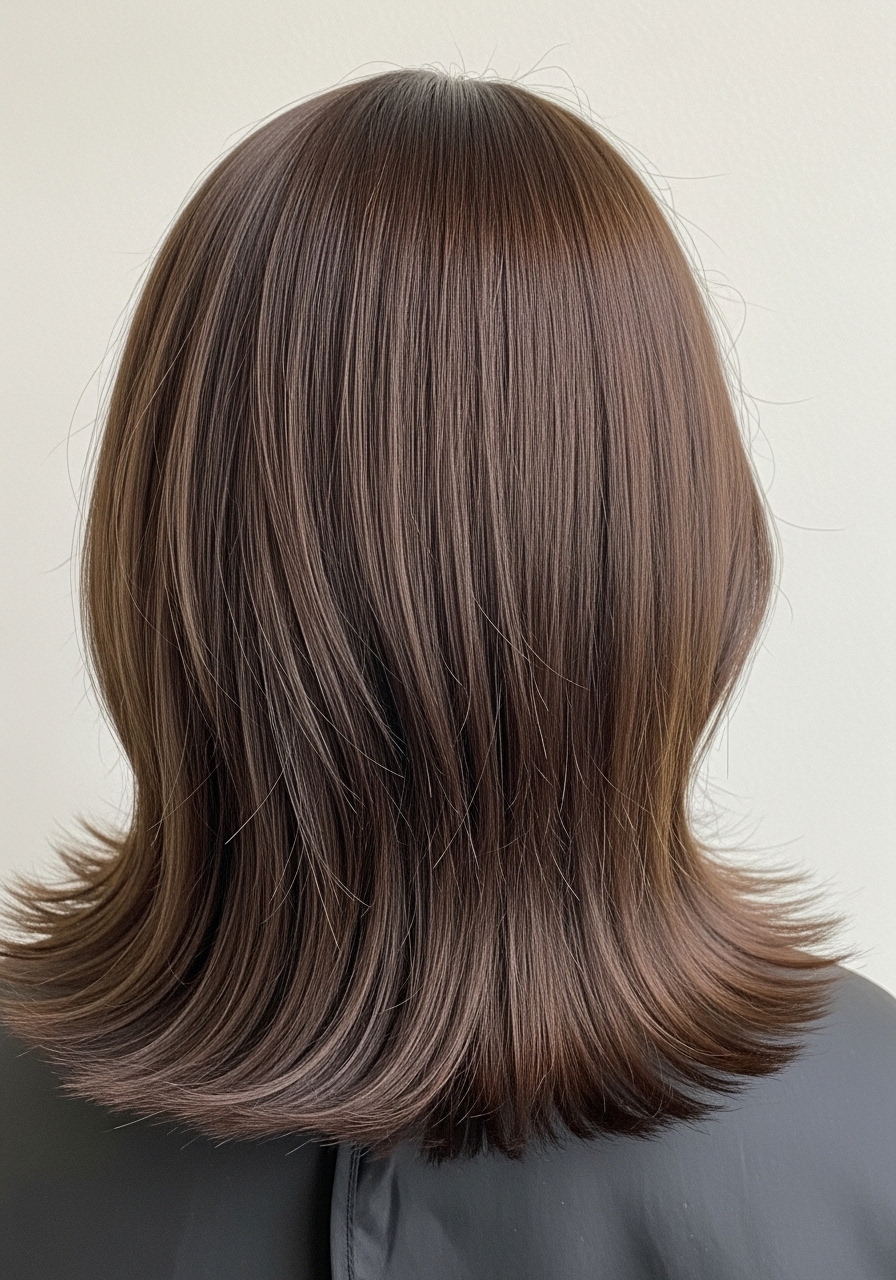
I wanted sleek but not flat. My stylist added internal weighting — small untouched sections that hold shape. It looks polished without layers that thin things out.
I learned the hard way that too much smoothing product can kill the lift. I now use a lightweight cream and a quick brush-through. This cut holds up through a workday and warms up when I run a straightener quickly. Best for fine hair that tolerates heat styling.
H3
11. Micro Bob That Hits Right at the Ear
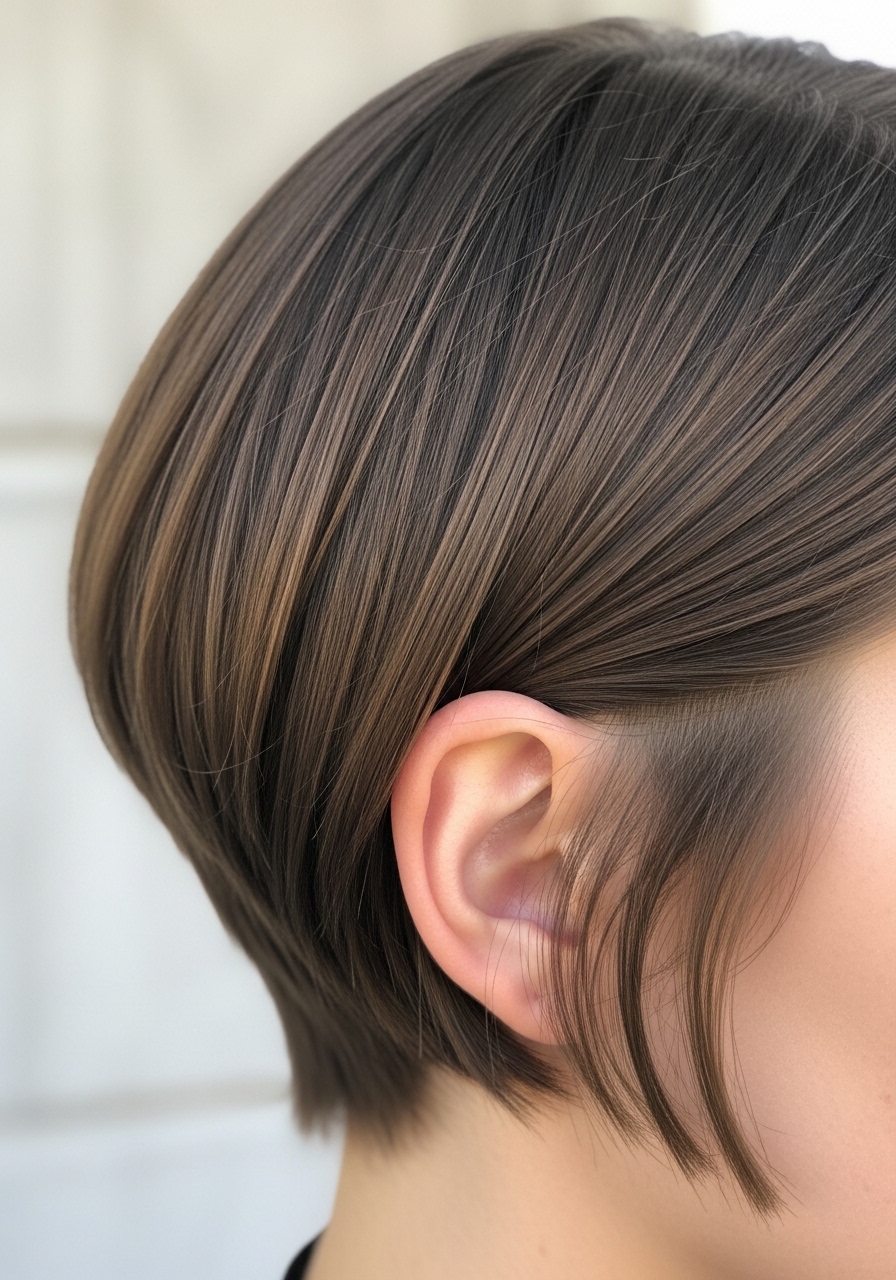
I went micro out of boredom. It’s bold and oddly simple to maintain. The short length makes styling a one-minute job; it falls into place or I give it a little finger tousle.
It’s not for everyone — my neck felt exposed at first. But fine hair reads thicker when it’s that short. Trims every 4–6 weeks keep it crisp. Tell your stylist you want a compact length that still grazes the ear, and keep styling minimal.
H3
12. Layered Lob with Subtle Face Framing
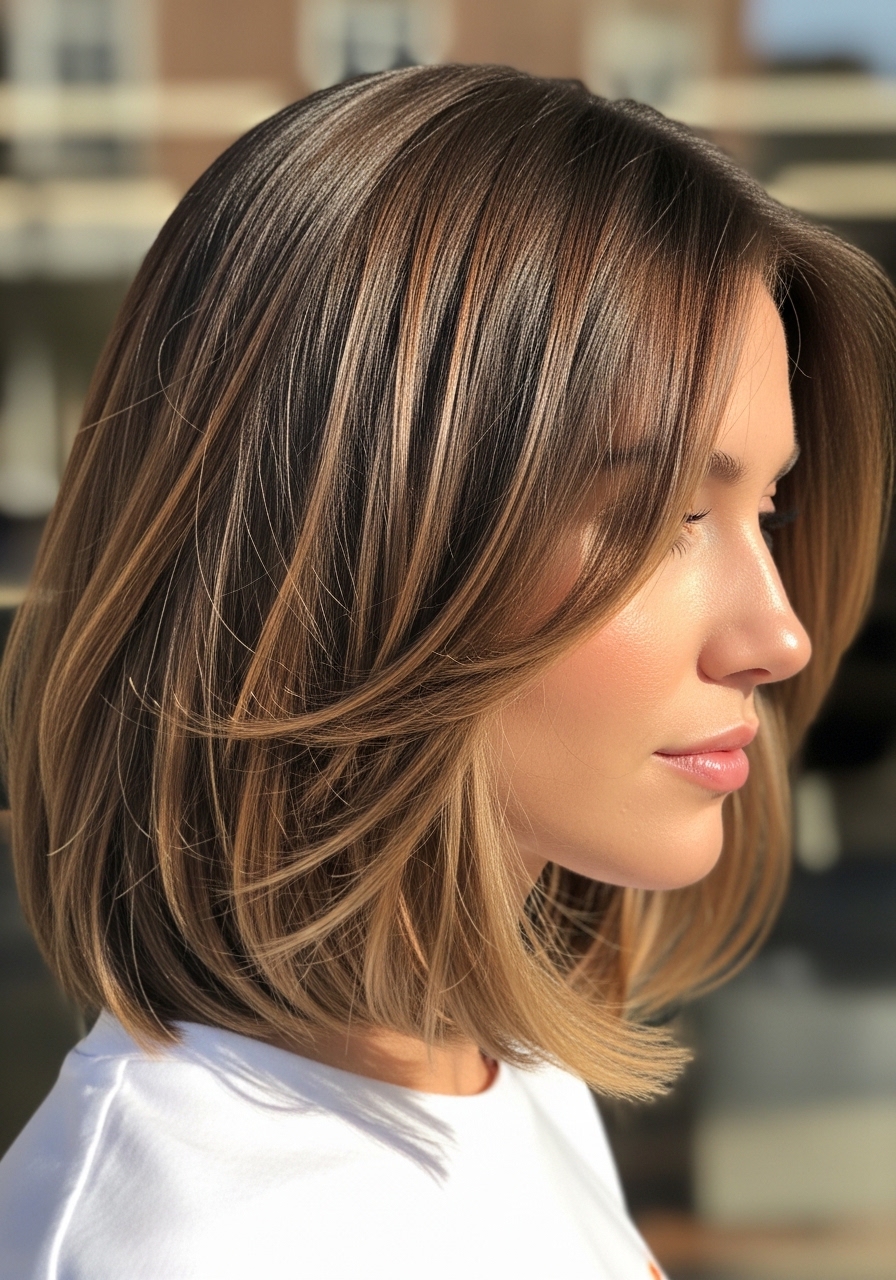
I asked for layers that breathe but don’t vanish. The layered lob gives movement and still looks weighty at the ends. The face-framing lifts my cheekbones and hides thin part lines.
I learned that too many short layers can show gaps. Once I toned the shortest layers down, it sat nicer. This works on fine hair with slight wave. Tip: ask for long layers focused on the top and front only, so the ends stay visible.
H3
13. Razor-Soft Ends on One-Length Mid-Length Hair
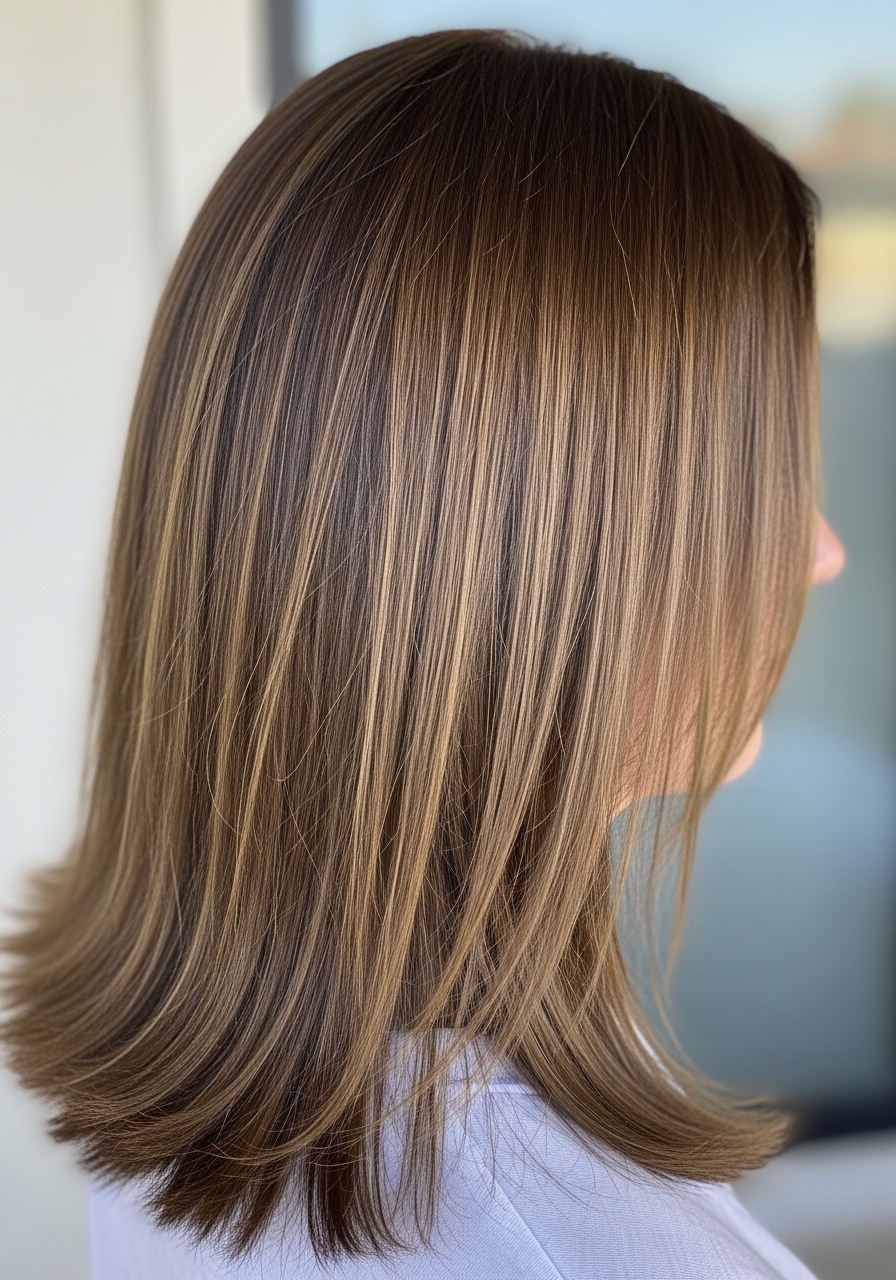
I wanted one-length but less blocky. The razor-soft ends keep the weight but remove blunt harshness. It’s a quiet change that makes daily wear more forgiving.
In real life it keeps a soft silhouette even when I sleep on it. I made a tiny mistake letting the stylist over-razor once; the ends got wispy. Now I request a subtle touch. Best for fine hair that wants length without the bluntness.
H3
14. Short Layered Pixie with Wispy Fringe
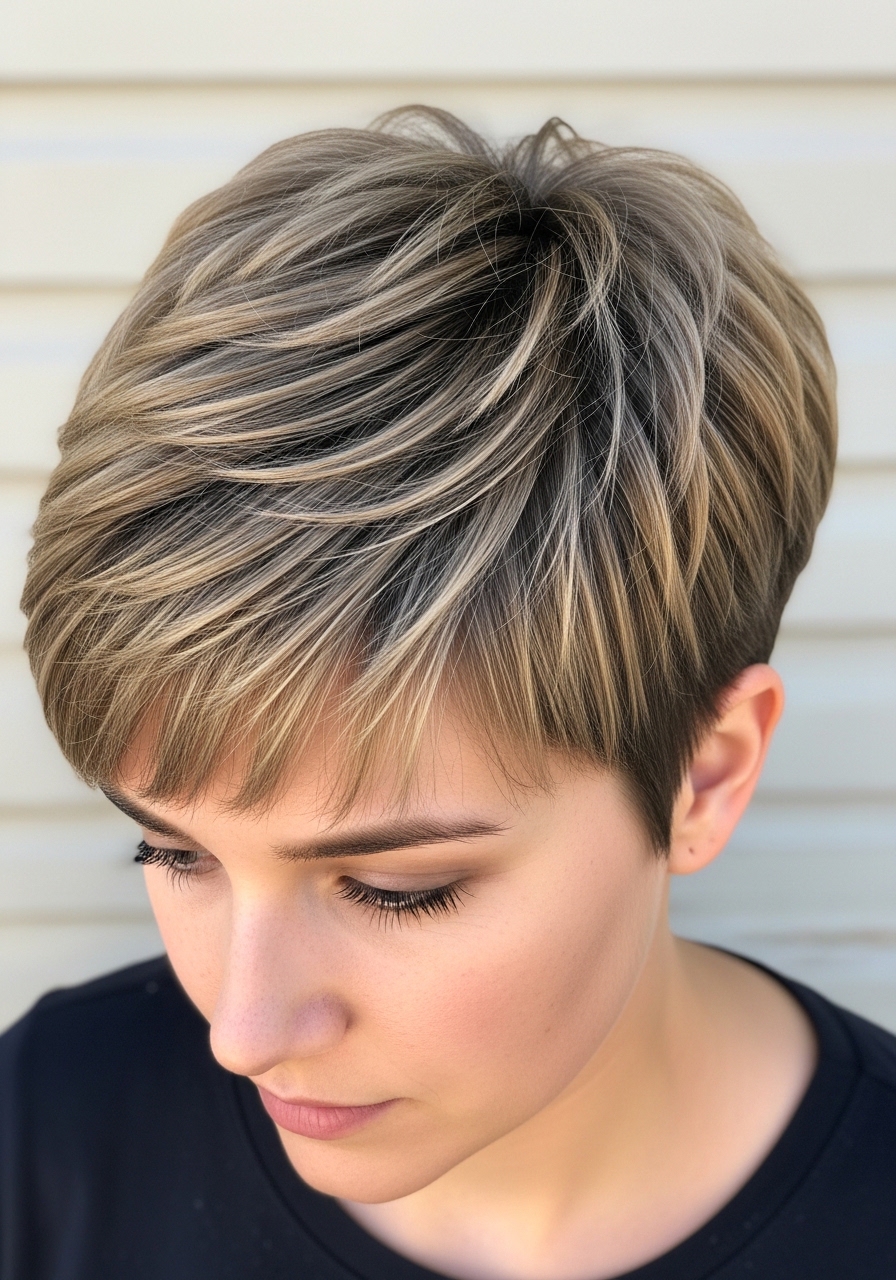
I kept my pixie playful by adding a wispy fringe. It frames the forehead softly and gives the rest of the cut a lived-in feel. Styling is nearly zero — fingers and a little paste.
I once used too much product and it looked greasy by noon. Now I use half the amount and dry shampoo if needed. This suits fine hair that wants a low-commitment short look. Ask for feathered fringe and textured but not choppy layers.
H3
15. Shoulder-Length Cut with Minimal Layers
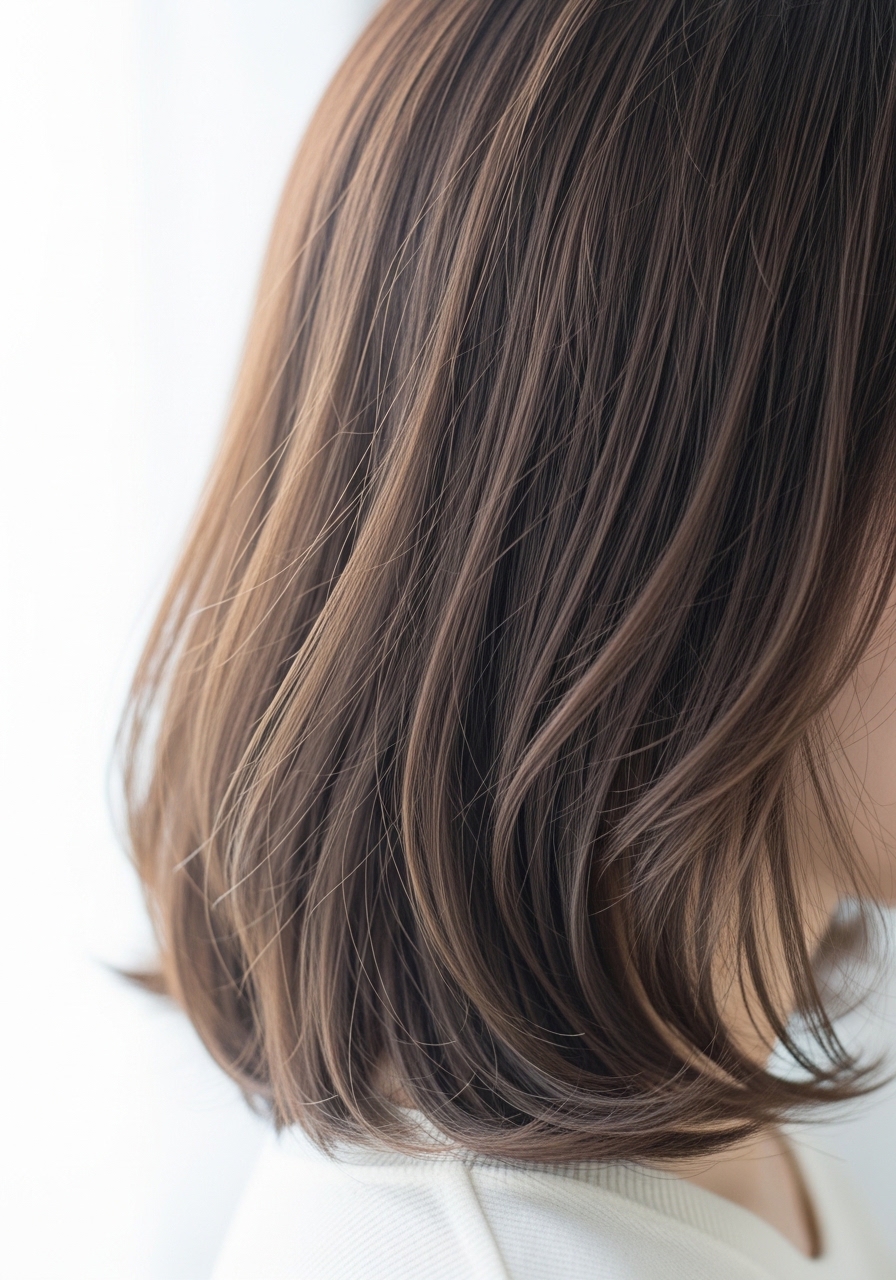
I kept layers minimal to avoid that wispy, chopped look. Just a few internal layers removed bulk and gave movement without losing the weight at the ends. It’s easy to wear with a quick air-dry.
Real-life note: it responds well to overnight braids for soft waves. My stylist told me to avoid heavy texturizing at the ends. This cut suits fine hair that wants a middle ground between long and short. Say “light internal layers only” at the salon.
H3
16. Angled Lob with Slight Underlayer for Volume
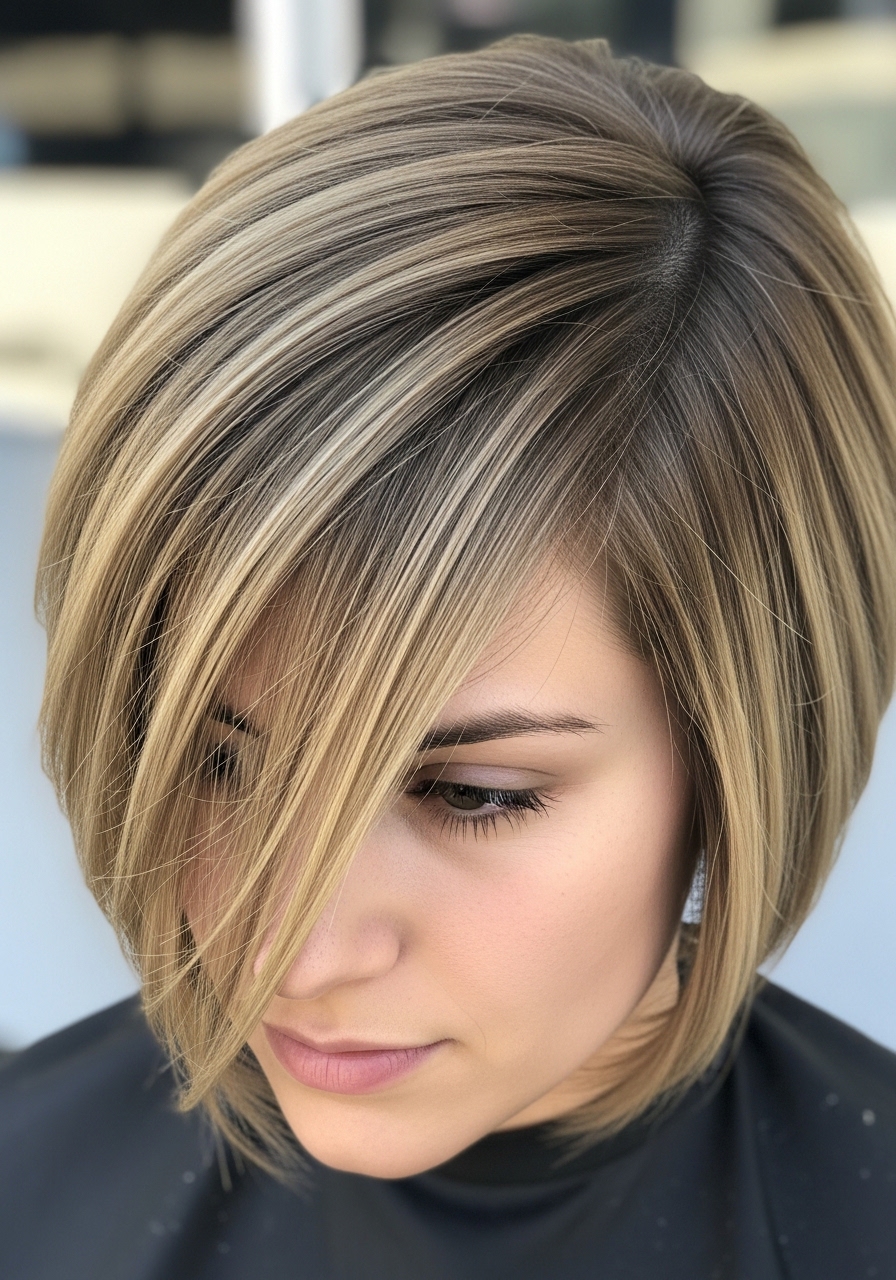
I liked the angle but needed lift. A subtle underlayer at the crown gives a little spring without chopping the top layers. It reads fuller in photos and my ponytails don’t float dead.
I made the mistake of asking for a heavy undercut once; it showed through and looked thin. Keep it subtle. This works on fine hair that wants shape and the option to pin hair back. Tell your stylist “hidden underlayer, gentle.”
H3
17. Classic Bob with Rounded Ends for Softness
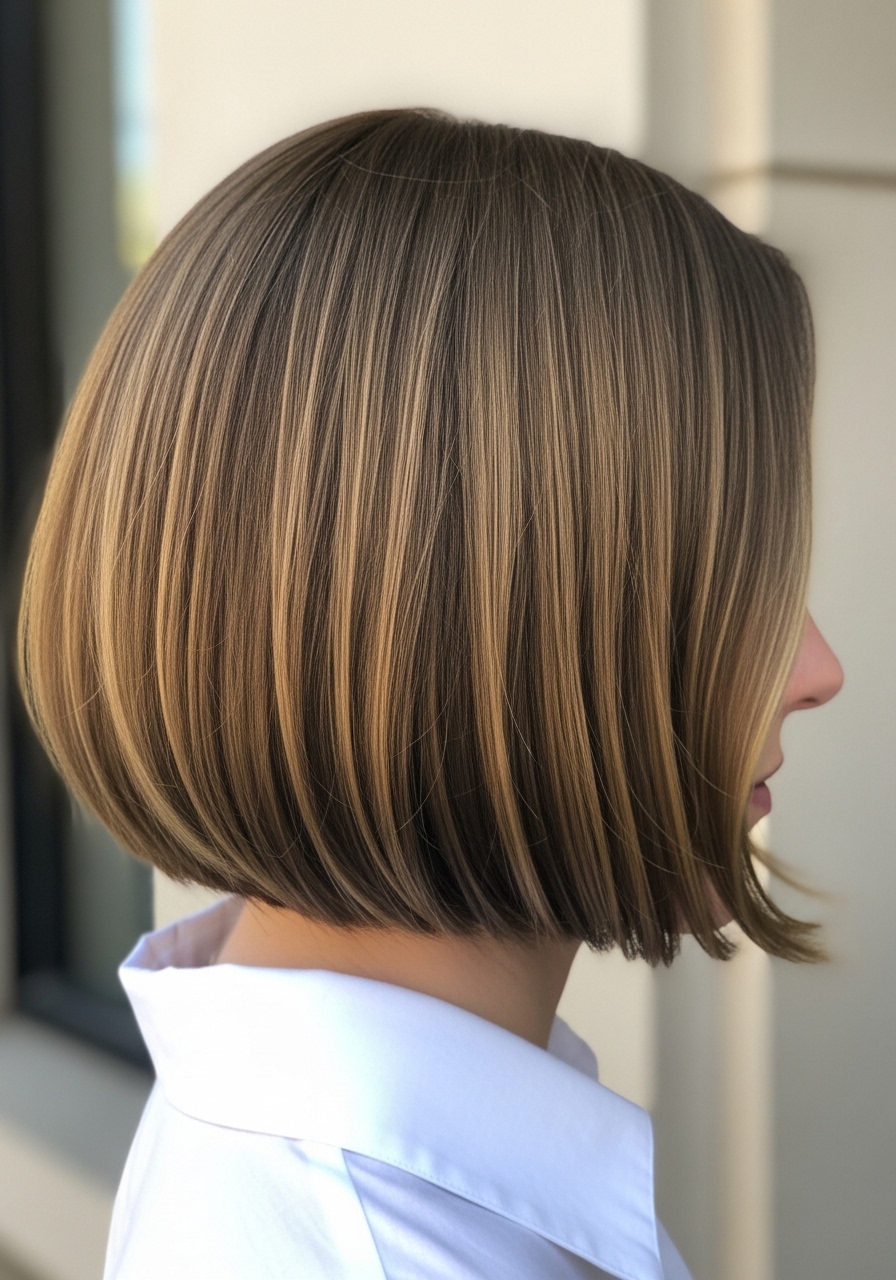
I wanted a classic look that didn’t need daily heat. The rounded ends create a soft silhouette that hides unevenness in fine hair. It looks polished even when air-dried.
The catch: if you sleep on it wrong, the ends can kink. I use a silk pillowcase and it saves me mornings. Best for fine hair that prefers a tidy, timeless shape. Ask for moderate rounding, not extreme bowl shape.
H3
18. Low-Maintenance Pixie-Bob Hybrid
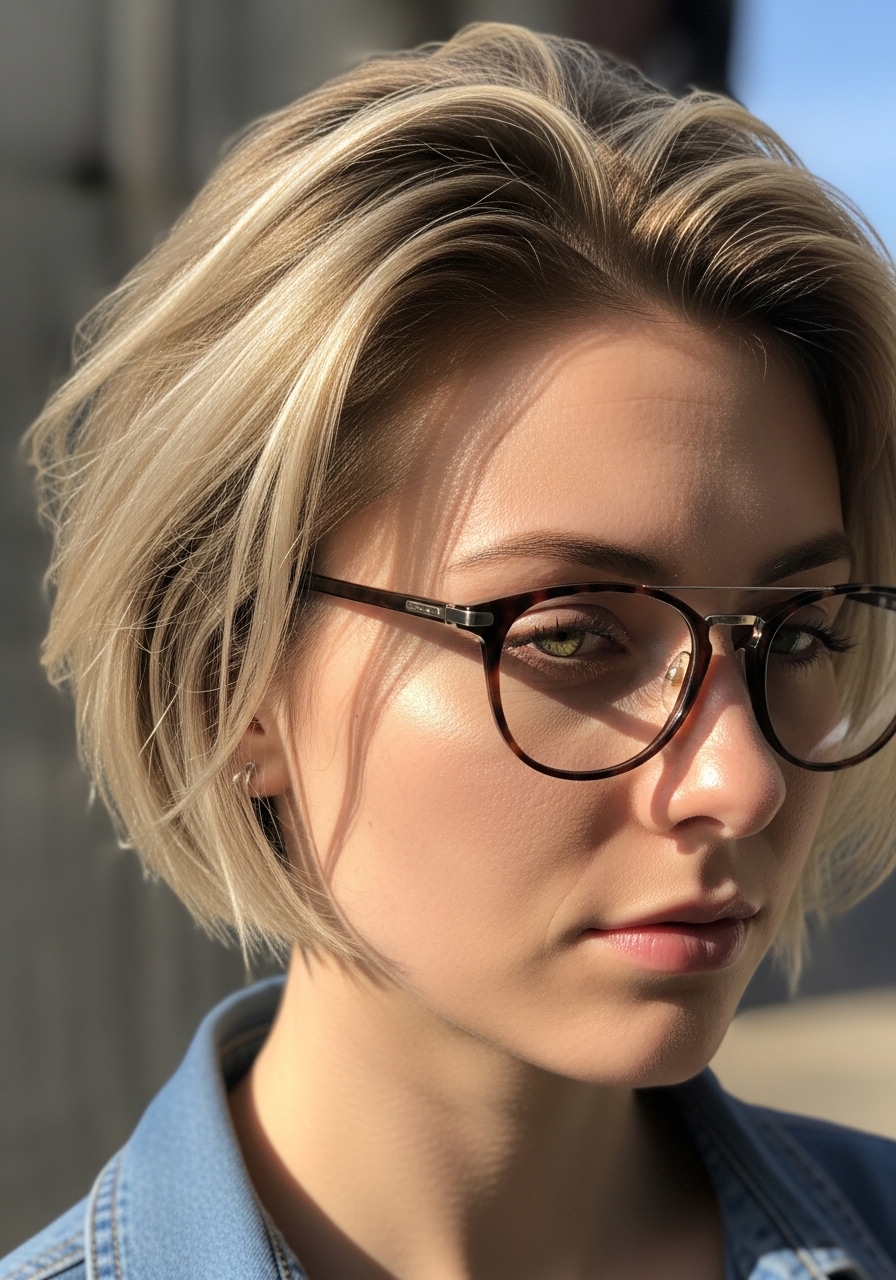
I wanted pixie ease but with bob options. The pixie-bob gives me short mornings and the ability to tuck behind ears when needed. It’s flexible and feels fresh.
I once neglected trims and it lost the hybrid shape, looking awkward. Frequent short trims keep the balance. This suits fine hair that likes variety without fuss. Tell your stylist you want convertible length — short back, longer front, light texture.
H3
19. Subtle A-Line Shag for Movement Without Thinning
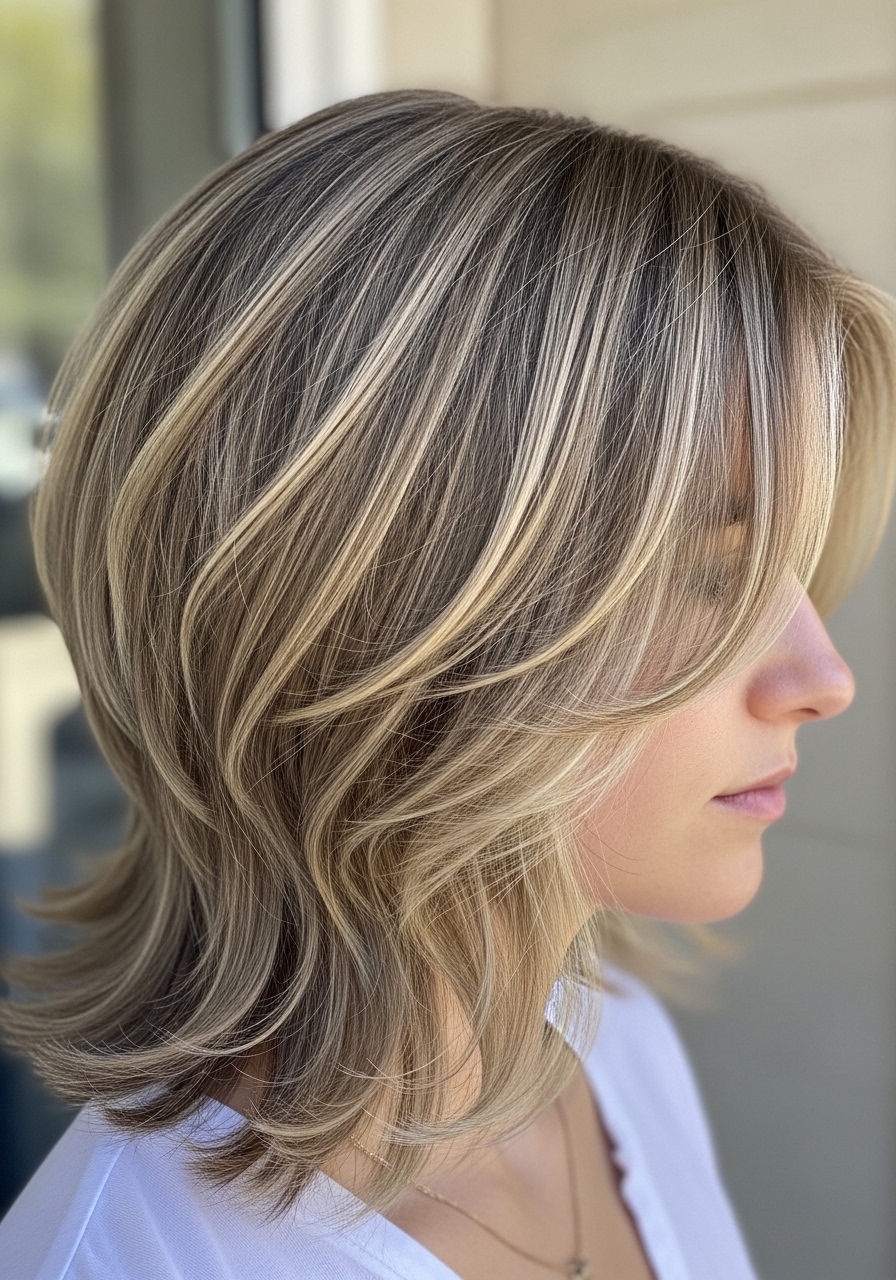
I wanted a shag that didn’t strip density. The subtle A-line keeps front weight while layers on top give movement. It looks lived-in and I don’t have to over-style.
A mistake I made was asking for choppy ends; they read too thin. Now I specify soft layering and ask for fullness at the ends. Great for fine hair that likes texture but not skeletal ends. Request measured layering concentrated at the crown.
H3
20. Mid-Length Blunt with Deep Side Part
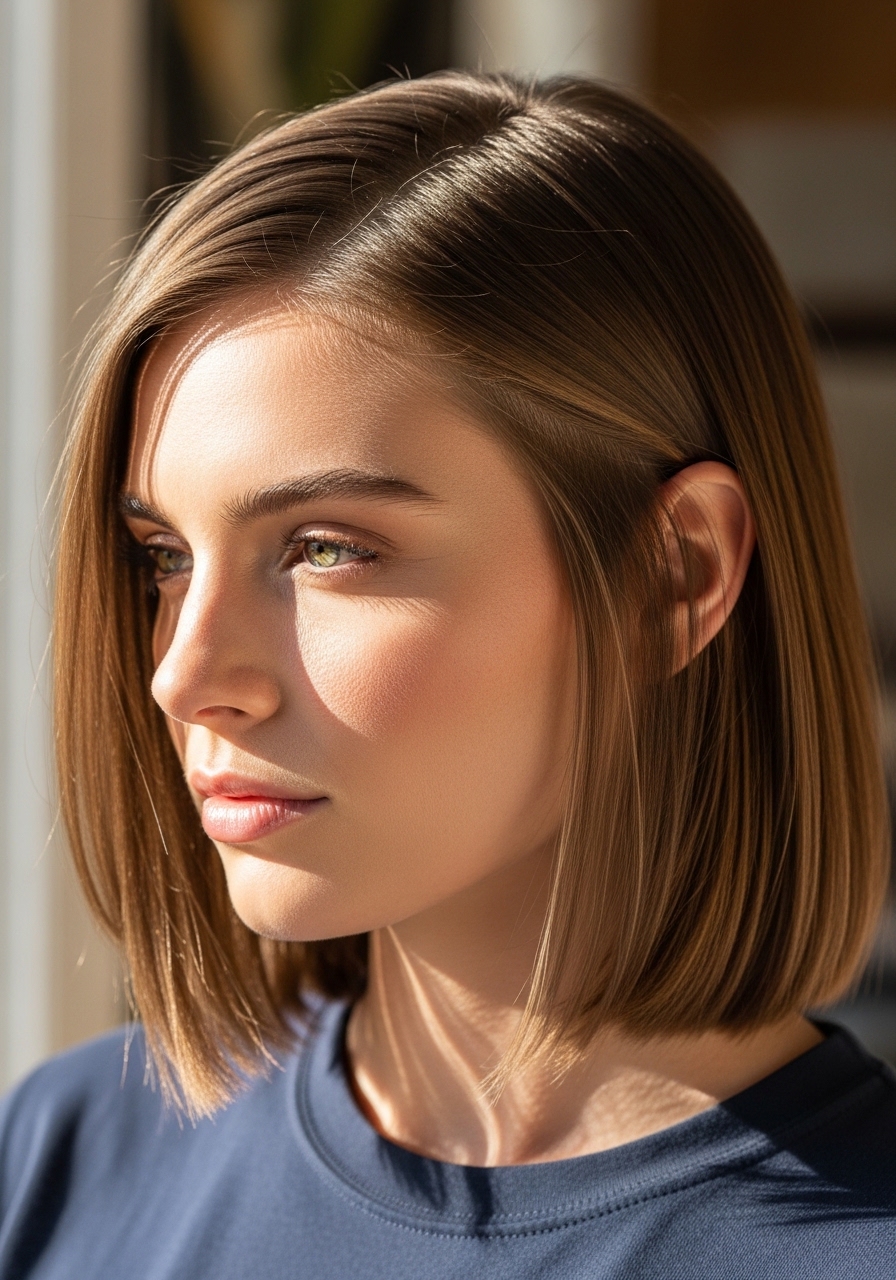
I learned the deep side part trick on a blunt mid-length cut. It creates instant volume and gives fine hair a fuller look without changing the cut. The blunt ends hold weight and the part hides a weak crown.
It’s low maintenance: a quick brush and part flip and I’m out. I once overdid spray to force the volume and it looked crunchy. Now I use a light root lift spray and finger it in. Tell your stylist “one-length mid-length, I’ll rock a deep side part.”