
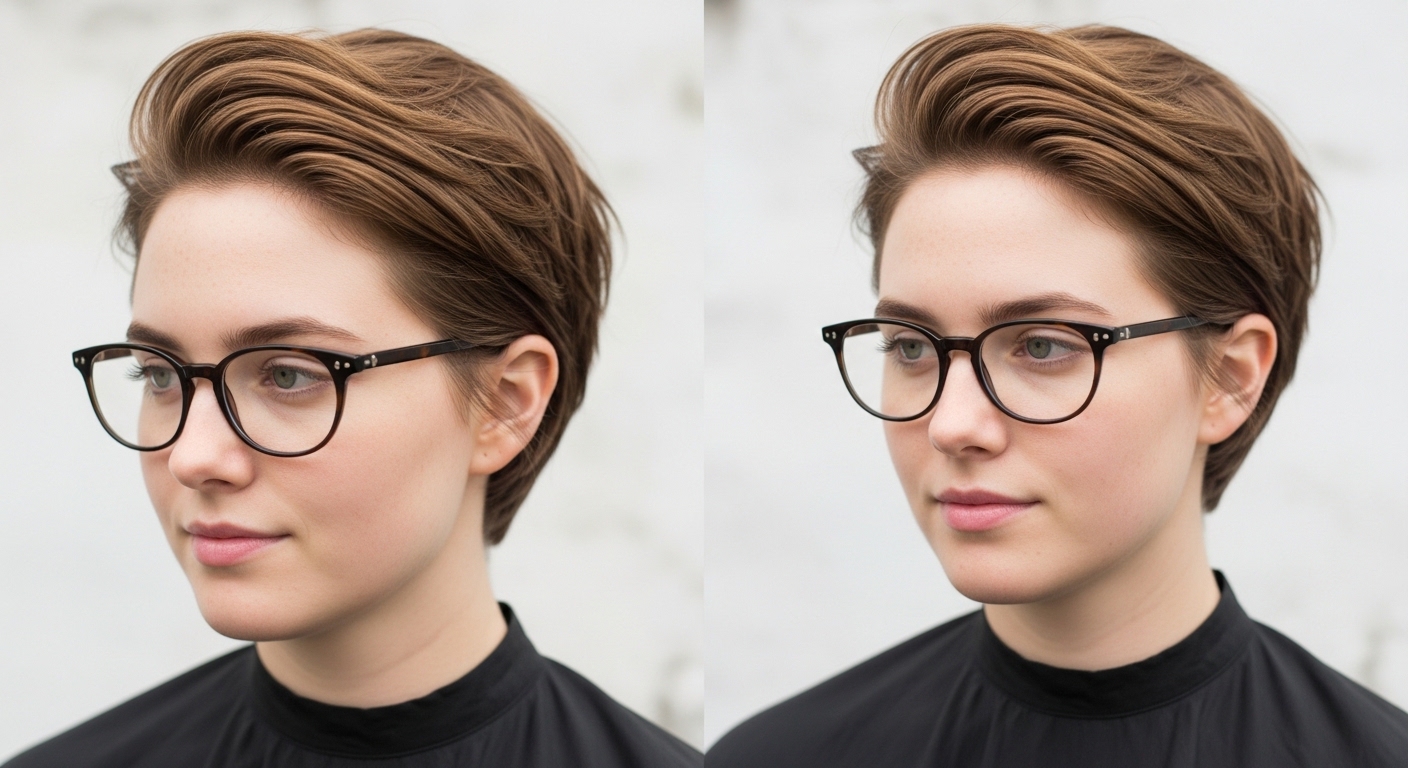
I used to think my fine hair needed drama. It just needed honesty.
After a few bad cuts and soggy mornings, I learned which shapes survive my rush-and-go life. These are cuts I’ve actually lived in and asked for at salons. They’re simple, wearable, and play nice with my natural texture.
15 Safe Best Wash And Go Haircut For Fine Hair
These 15 wash-and-go haircut ideas are ones I’ve tried or seen up close. Each is tuned for fine hair and everyday life. Expect clear notes you can say to your stylist and real wear observations. There are exactly 15 ideas here.
- Soft Layers Around the Face That Make Fine Hair Look Fuller
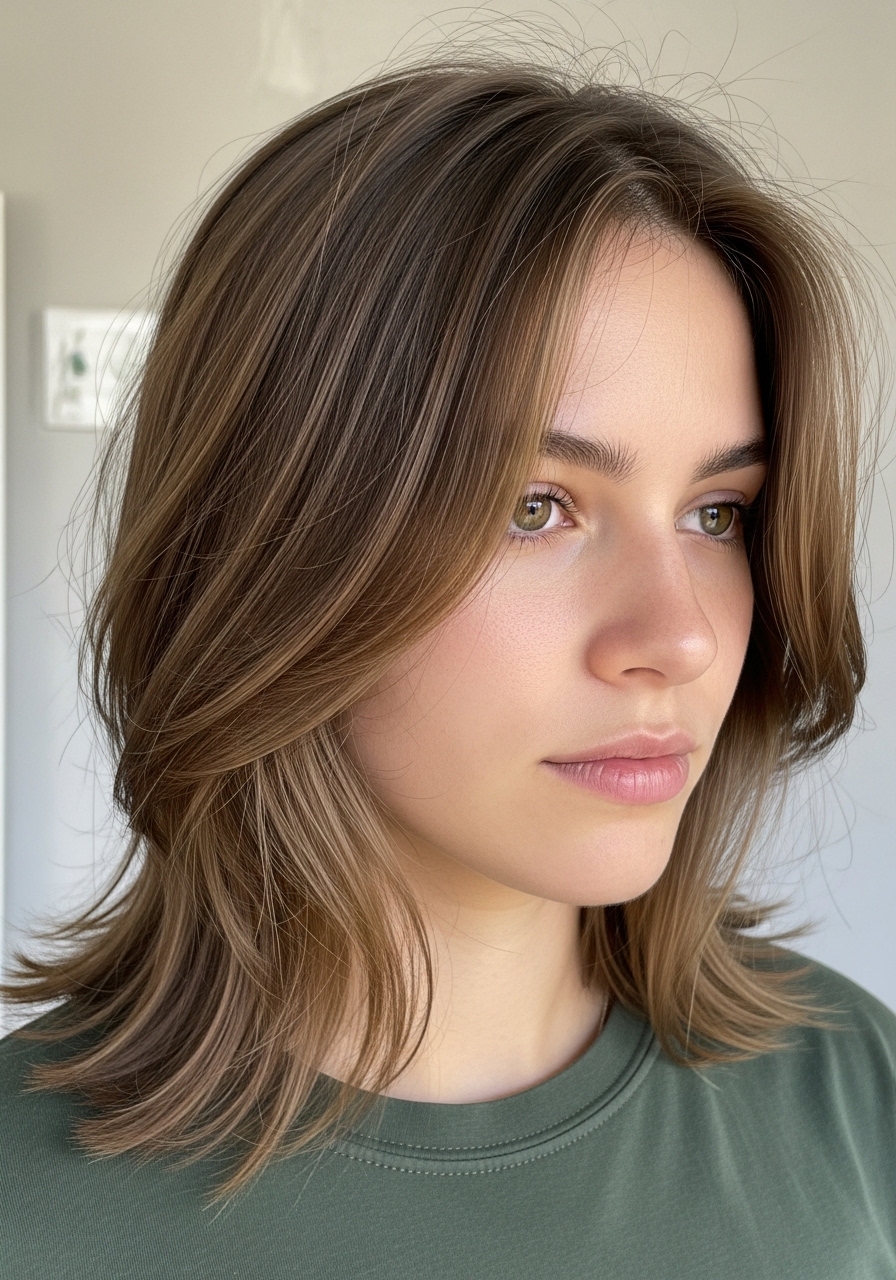
I asked my stylist for short, soft layers that stop at the chin. They add bounce without thinning things out. In photos it looks fuller. In real life it gives gentle lift at the roots and soft movement.
On humid days the layers can separate into thin pieces. My mistake was asking for too many face layers the first time. It made the top look wispy by midday.
Ask for face-framing layers that blend into one-length hair. Tell them not to over-texturize the crown. A light mousse and finger-dry keeps this looking lived-in.
- A Blunt Lob That Still Moves on Fine Hair
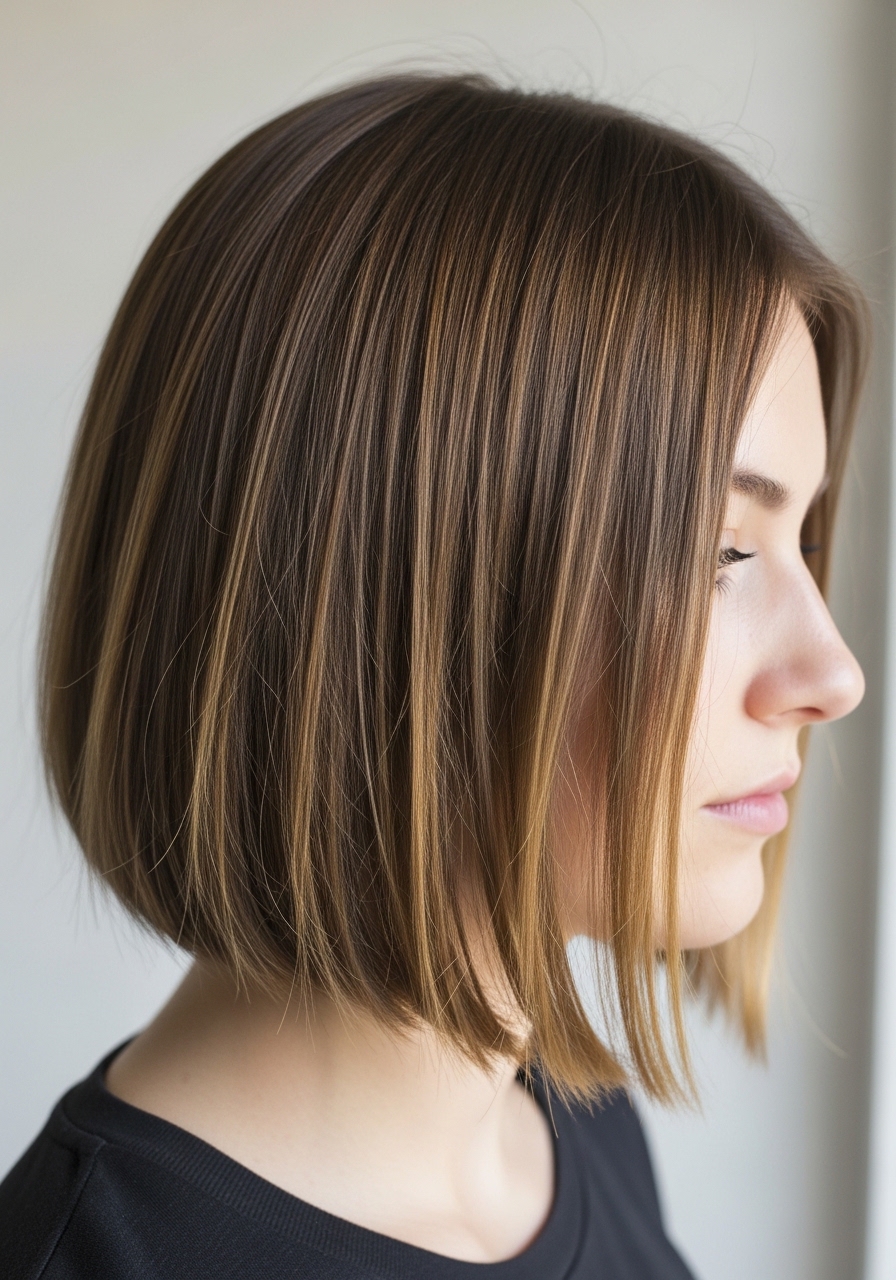
I went blunt because my ends looked healthier. The lob’s weight gives the illusion of density. It sits heavy at the bottom and swings when I move.
It doesn’t fluff up like layered cuts. That’s actually a relief. If I sleep on it, the ends flatten but the shape comes back after a quick shake and dry.
Tell your stylist you want a blunt lob with minimal internal thinning. Ask for a slight bevel at the ends so it doesn’t feel like a helmet. Use a leave-in spray and scrunch while drying for gentle movement.
- Short Textured Pixie With a Soft Top
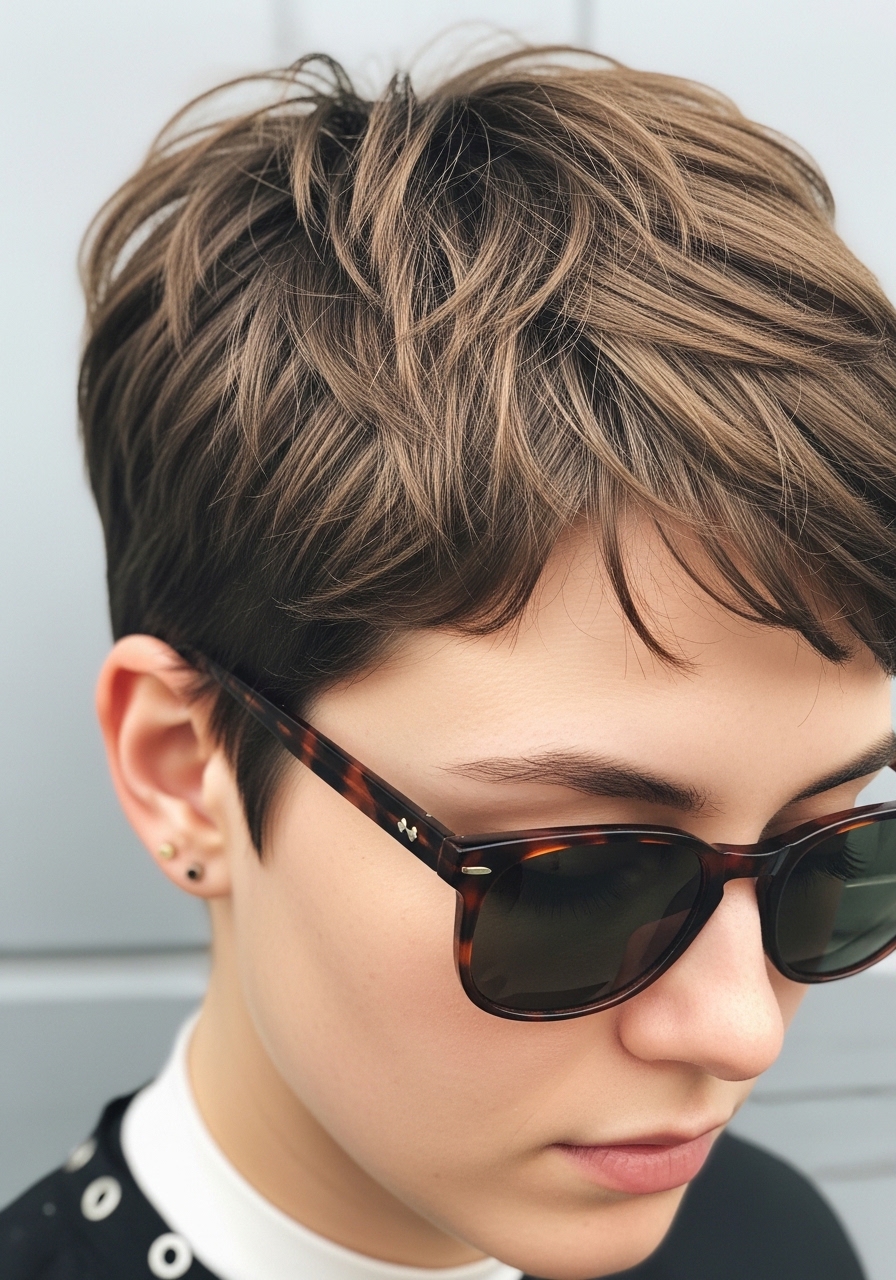
I finally cut my hair very short. The pixie gave me instant root lift. The soft top keeps it feminine. It’s surprisingly forgiving on fine hair.
My mistake was letting a stylist razor too much into the crown. It created gaps that didn’t blend. When done right, it’s low maintenance and dries quick.
Ask for short sides with a slightly longer, textured top. Request point-cutting instead of heavy razoring at the back. I use a pea-sized cream to define pieces and tame flyaways.
- Long One-Length Cut with Thick Ends
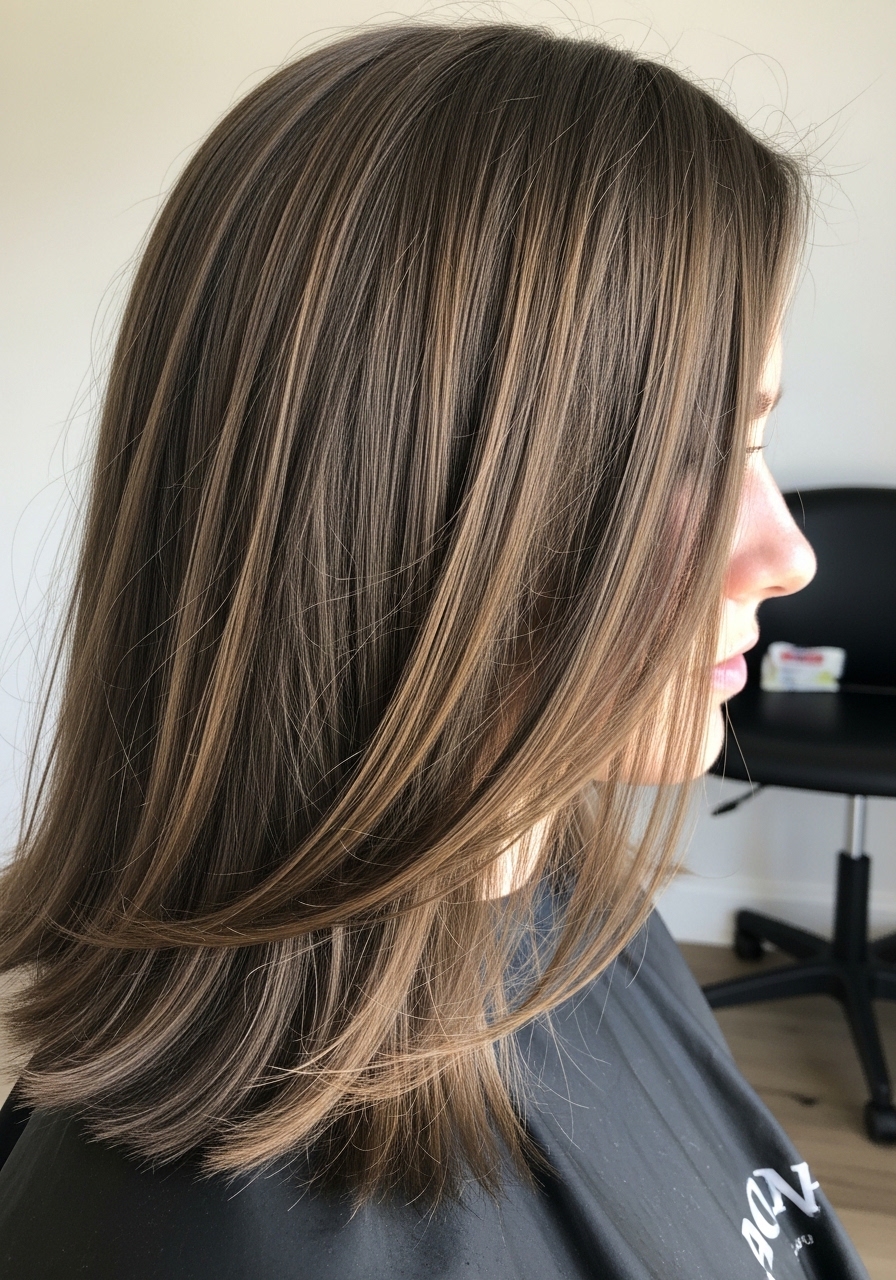
I grew my hair out and kept the ends blunt. The weight at the bottom makes my fine hair hang together. It looks sleeker than overly layered long styles.
It’s not bouncy. It’s calm and tidy. After sleeping, it keeps shape and only needs a quick brush. In humidity the length can droop but the line stays smooth.
Tell your stylist you want one length with healthy, blunt ends. Ask them to avoid face-framing layers. A light oil on the ends and finger-smoothing keeps this clean without grease.
- Graduated Bob for Subtle Volume at the Back
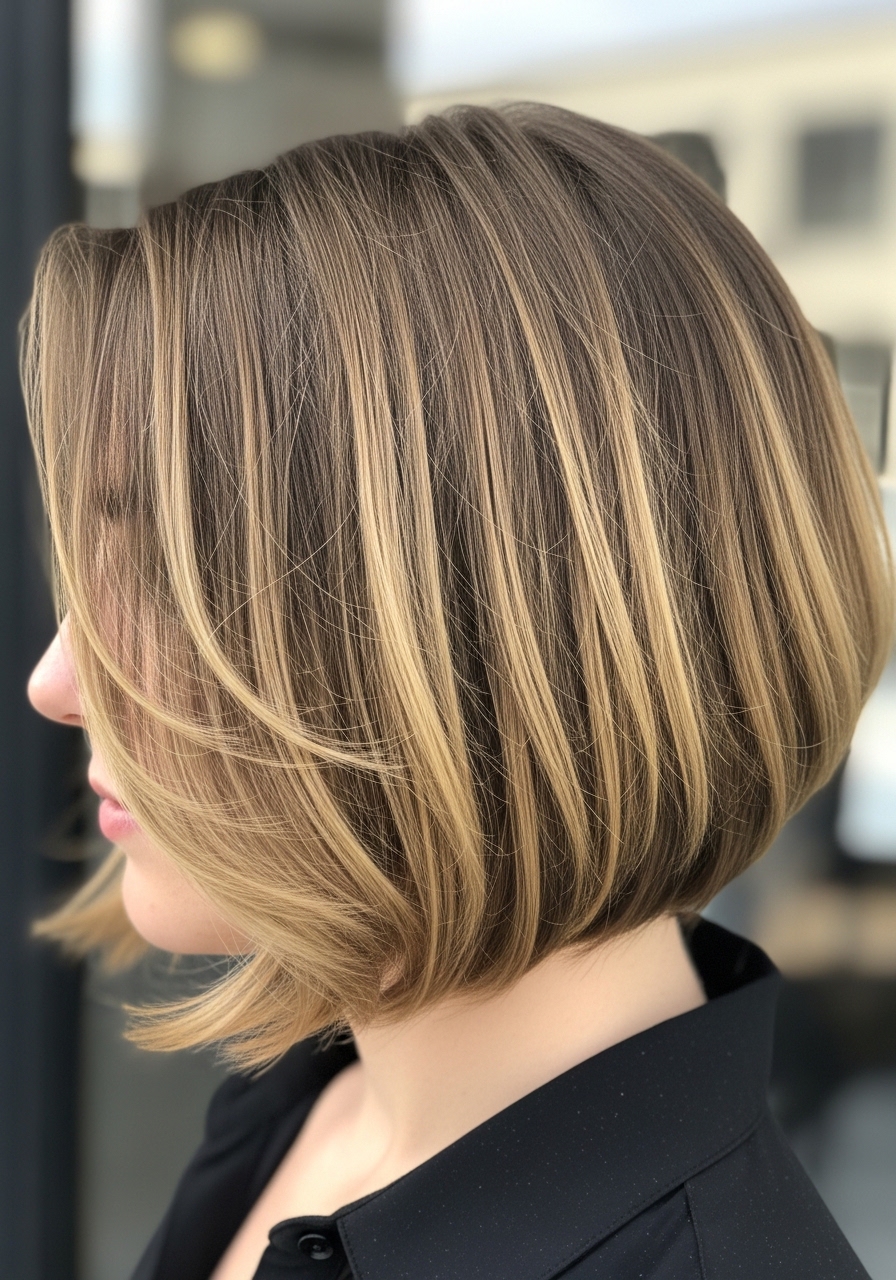
I got a graduated bob to fake a fuller crown. The stacked back lifts the roots and the front softens toward the face. It’s structured but still wash-and-go friendly.
At first I asked for too steep a stack. The back became too short and fluffed oddly. After softening the graduation it behaved much better in wind and humidity.
Ask for a subtle graduation with a rounded back, not a sharp stack. Request soft blending at the nape so it won’t spring up too much. A quick root-blow or a palm-scrunch while drying keeps it lively.
- Collarbone-Length Cut with Minimal Texturizing
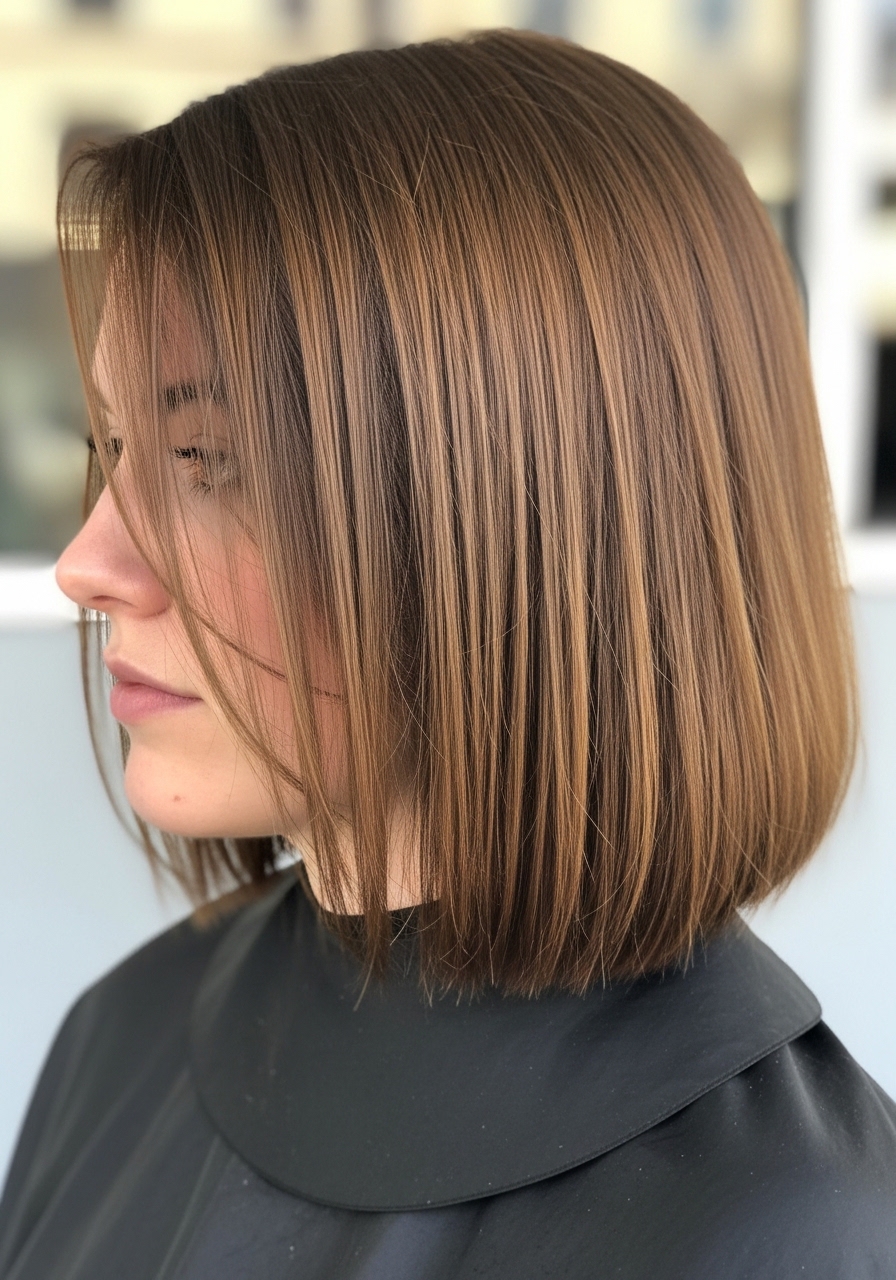
I kept this length because it’s forgiving. Fine hair at collarbone length hangs nicely and looks denser than shorter cuts. It moves without looking fragile.
I learned to avoid heavy internal texturizing. My hair developed hollow spots from too much thinning. Now I ask for clean weight with only surface texturing.
Ask your stylist for collarbone length with light face-softening layers. Say no to interior razoring. A spray moisturizer and finger-dry keep the natural shape without stiffness.
- Curtain Bangs Paired with a Soft Lob
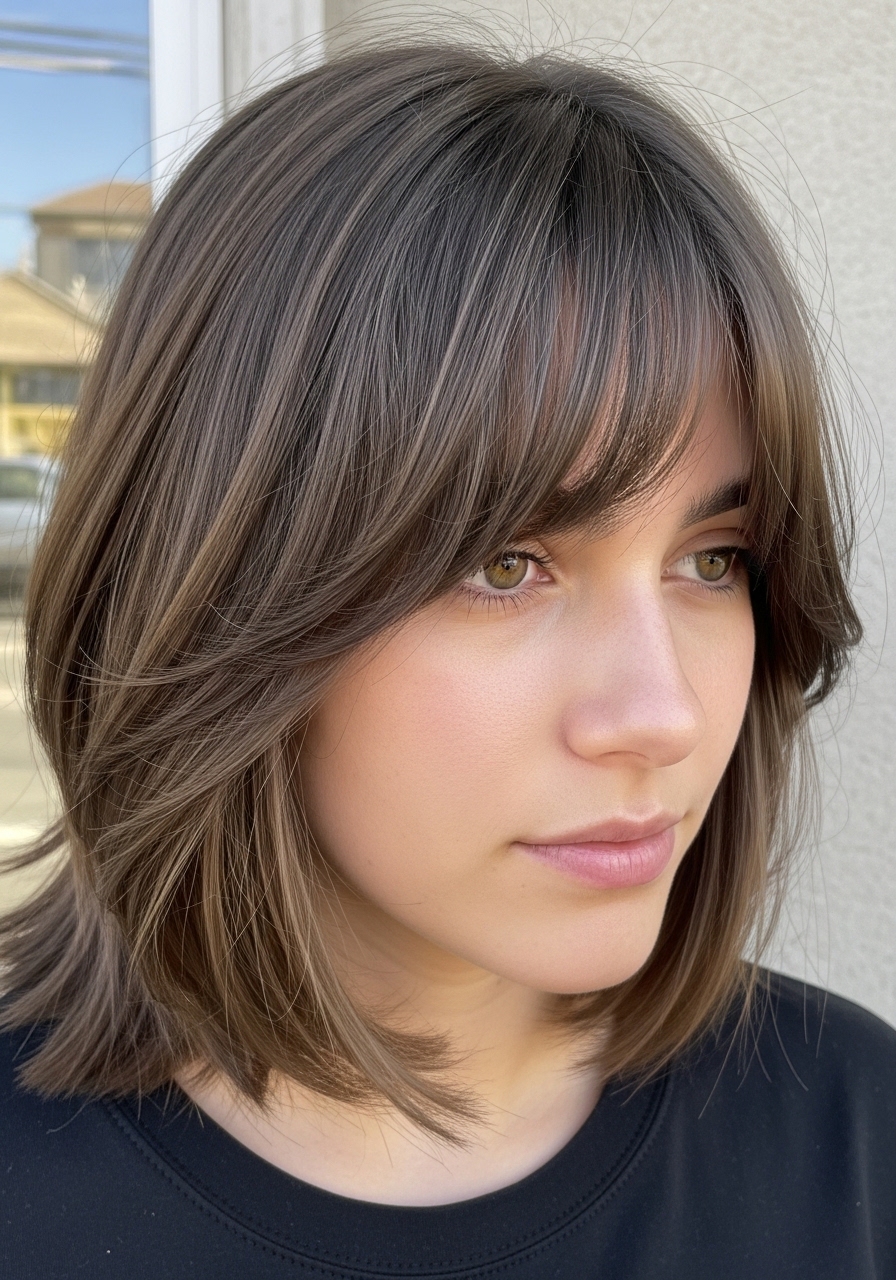
I tried curtain bangs because I wanted movement near my face. They frame my features without taking weight away from the rest of the hair. With a lob they create a casual shape.
Early on I trimmed them too short. They went piecey and needed more styling. Proper length falls to the cheekbones and blends into the lob.
Ask for feathered curtain bangs that start longer and blend into your lob. Tell your stylist you want a soft, stretchable part. I sweep mine with fingers while drying and it settles all day.
- A-Line Bob for Light Forward Weight
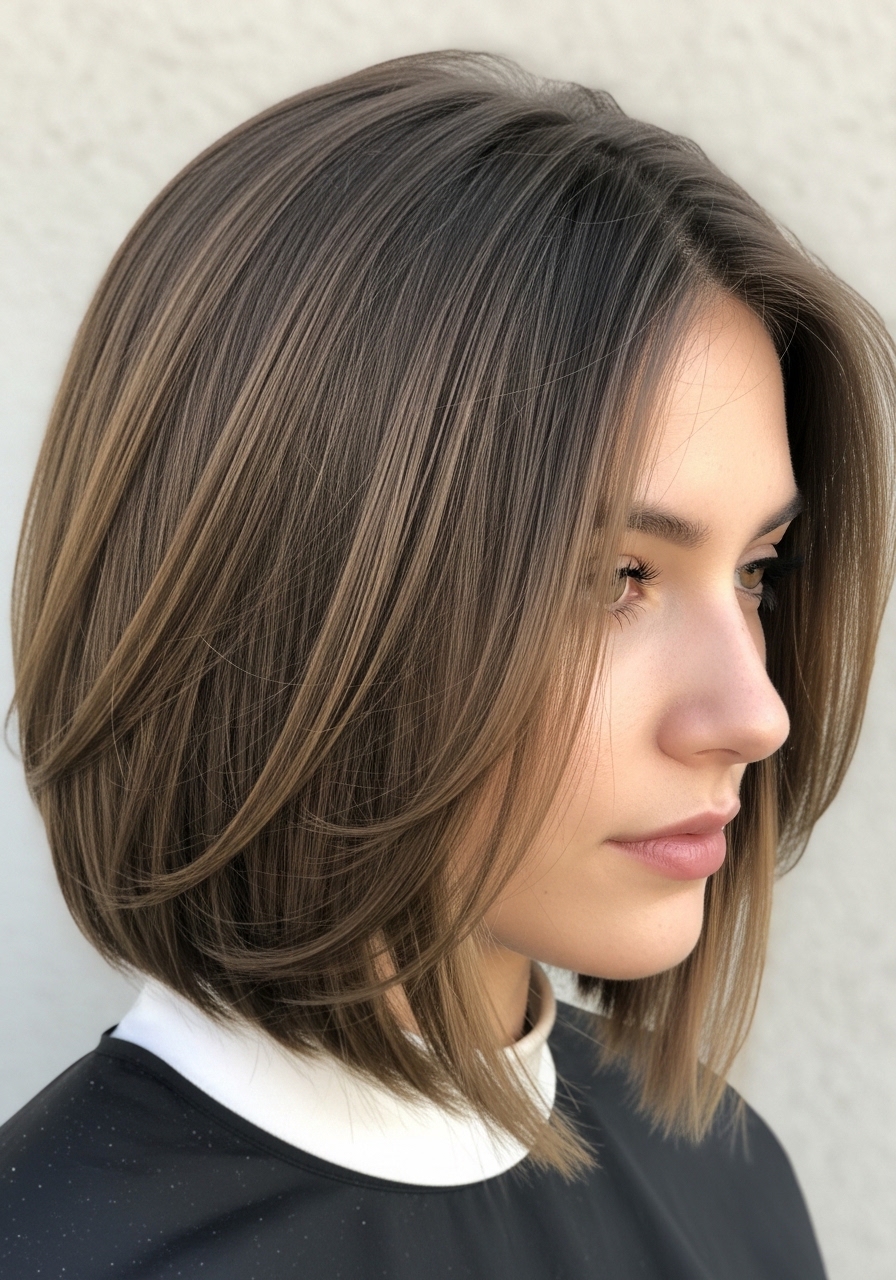
I liked how the A-line gives forward weight without bulk. The front panels fall toward the face and visually thicken my silhouette. It’s flattering when I want a bit of shape.
It doesn’t hide cowlicks at the crown, though. I had to learn to work with my part. But the angle keeps things tidy at the ends even after a long day.
Tell your stylist you want a gentle A-line, not severe. Ask for weight kept in the front panels. I finger-dry the front forward and let the back fall naturally.
- Soft Shag with Gentle Layers
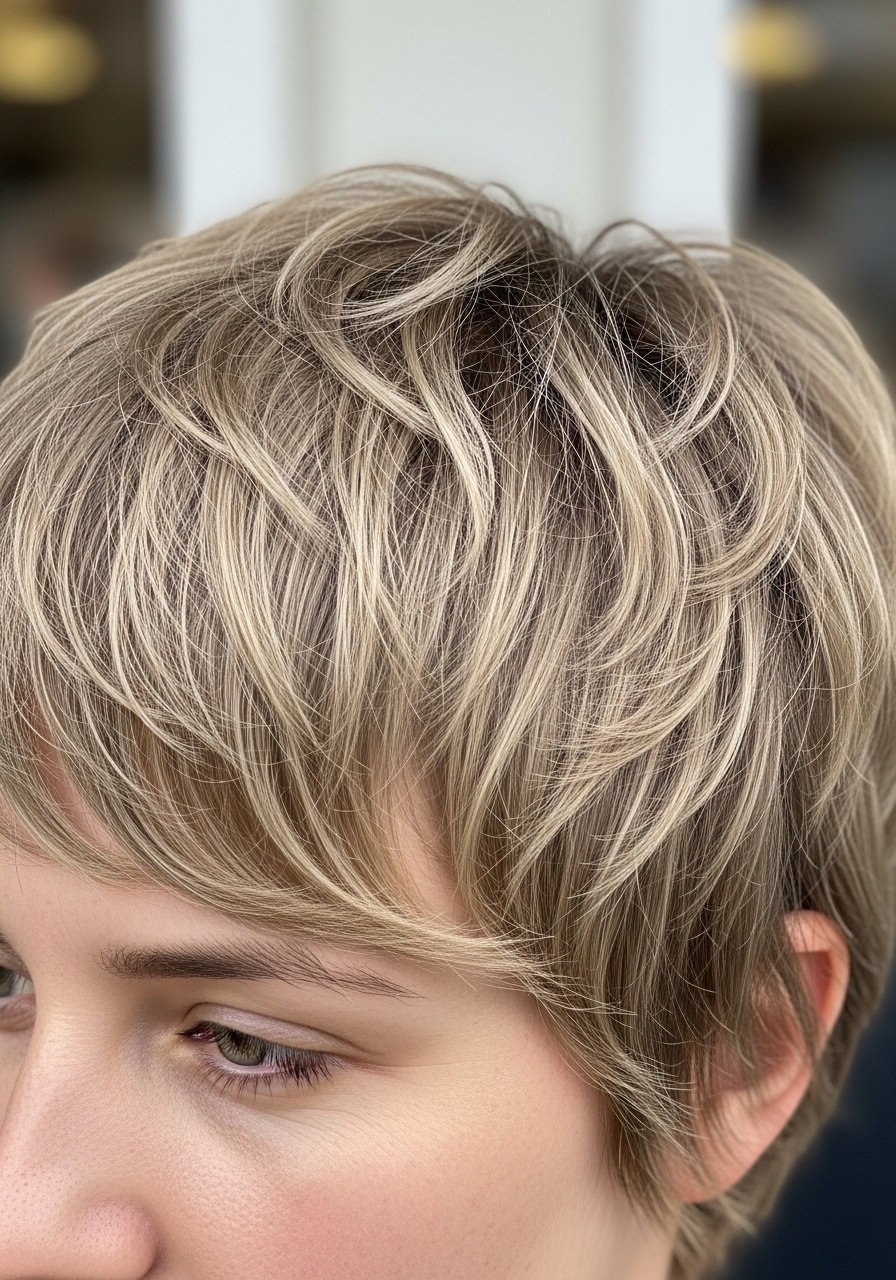
I went shaggy when I needed texture. The soft shag gives my fine hair body without thinning it out. It’s messy in a controlled way.
I once let a stylist over-shag my ends. They became too stringy and didn’t sit right. Now I ask for subtle layers and a little weight at the ends.
Request soft, short layers at the crown and longer pieces near the face. Ask them to avoid razor-thinning the ends. I towel-dry, add a small foam, and scrunch to get that undone look.
- Blunt Bangs with a Short Bob (If You Want Drama)
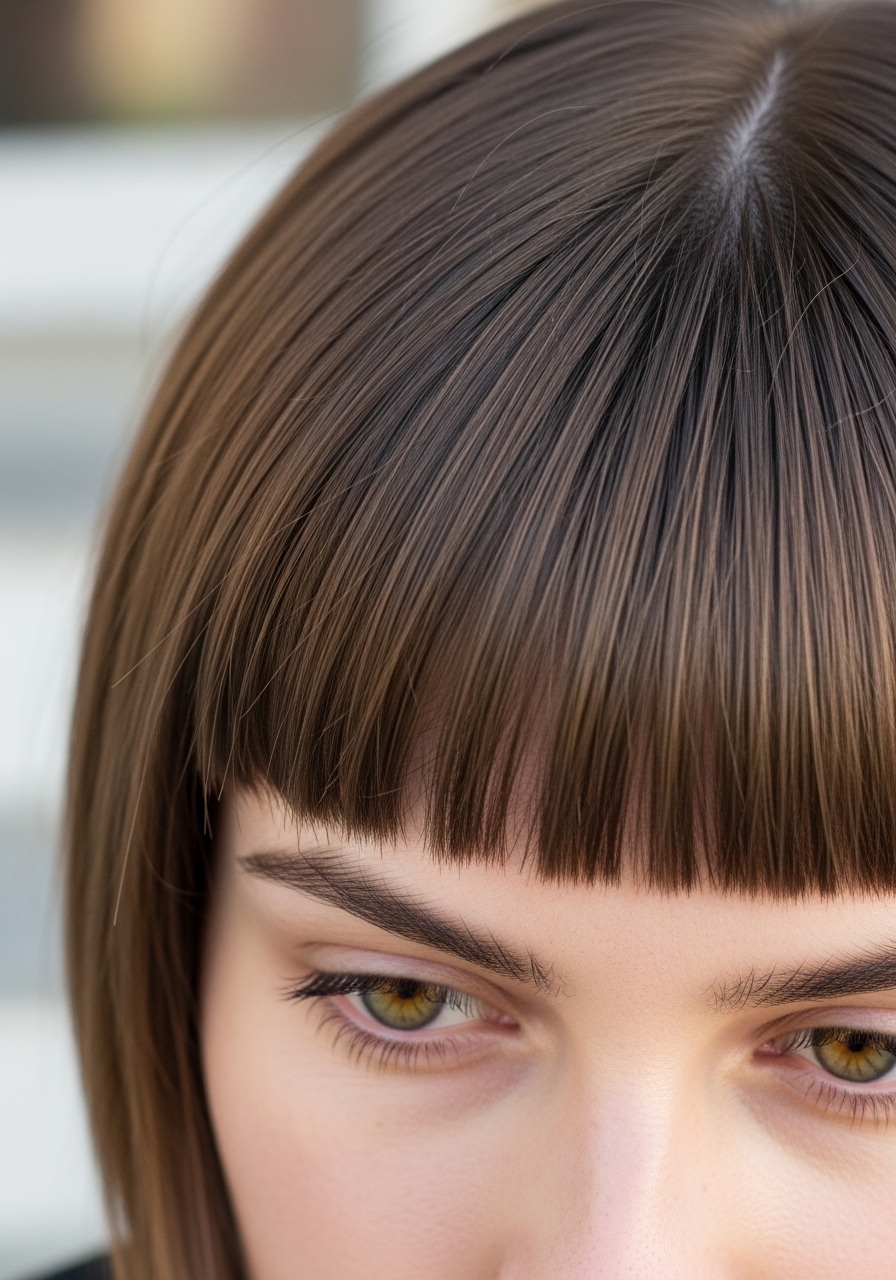
I cut blunt bangs once to test commitment. They make the face pop and the bob look thicker. On fine hair, blunt lines read denser than layers.
Maintenance surprised me. They need trims every 4–6 weeks. I also found that blunt bangs can separate at the part on humid days if I skip styling.
Ask for blunt bangs that are slightly longer than you think. Say you want them to sit just above the brows. A quick blast of a round brush or finger-smooth while damp keeps them together.
- Deep Side Part with Long Bob for Instant Volume
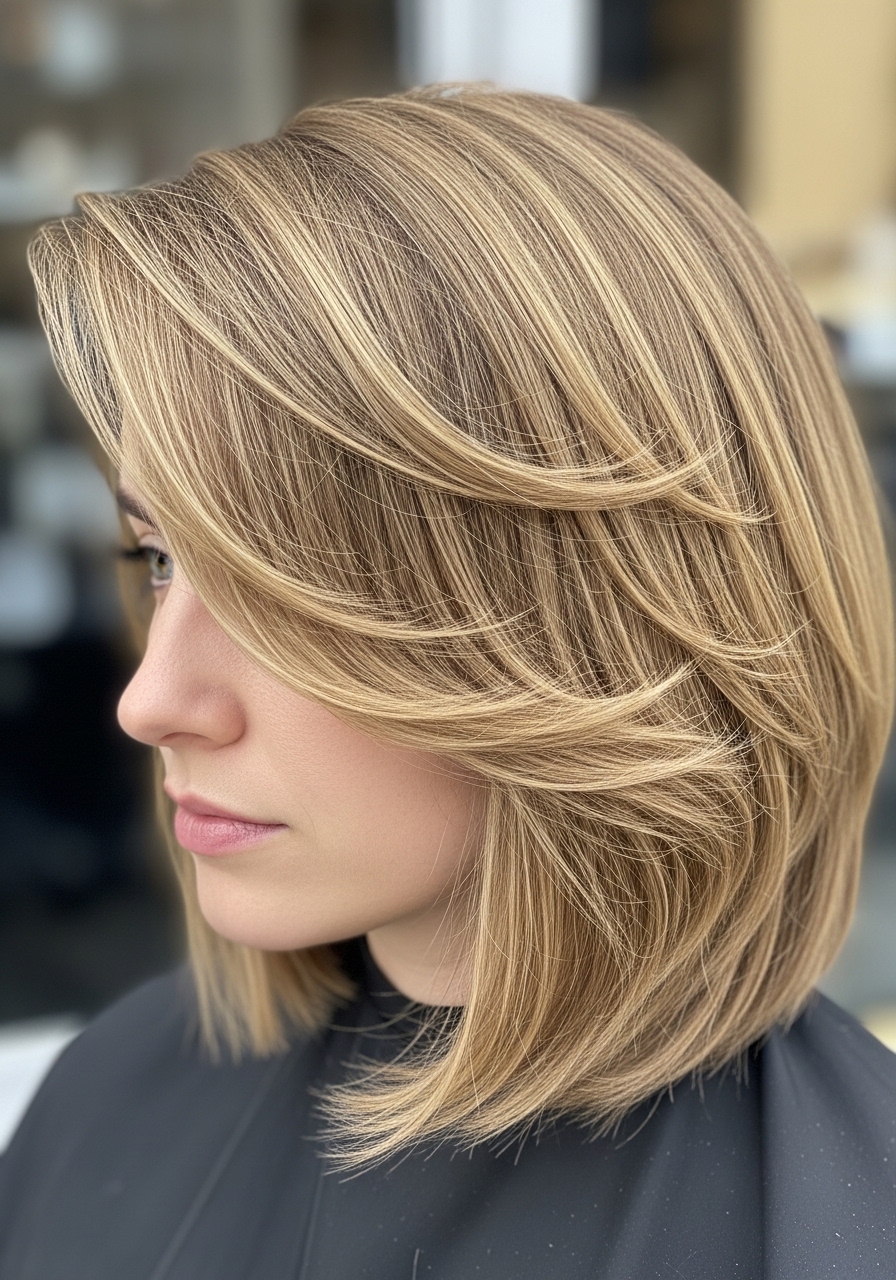
I discovered a deep side part by accident. It lifts one side and makes my roots look fuller. With a long bob it looks deliberate and polished.
I used to flip my part back too often. That made my hair oddly flat in the morning. Once I committed to the side, it held better and looked fuller all day.
Tell your stylist you want length to swing into a deep side part. Ask them to add subtle graduation to support the lift. I flip and dry the roots with my hand for a quick boost.
- Micro-Bob with Soft Tapered Ends
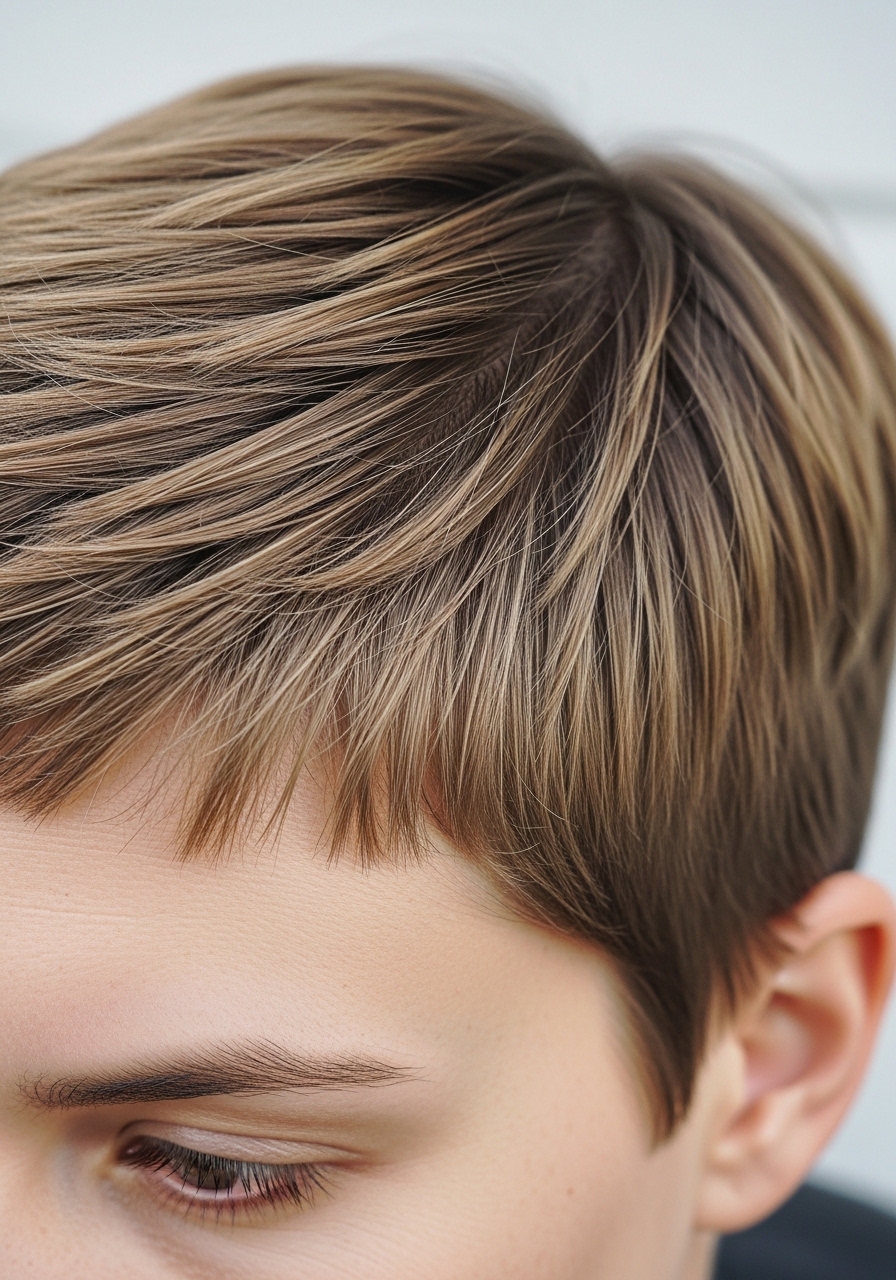
I trimmed everything into a micro-bob when I wanted low fuss. It makes my thin hair look thick because of the short, clean line. It dries in minutes.
It’s not forgiving of length mistakes. My first cut sat oddly because the taper was uneven. Once it was corrected, it held its shape through sleep and sweat.
Ask for a jaw-grazing micro-bob with soft tapering at the ends. Request evenness more than texture. A dab of lightweight paste and a quick scrunch is all it needs.
- Face-Framing Angled Cut with Subtle Internal Weight
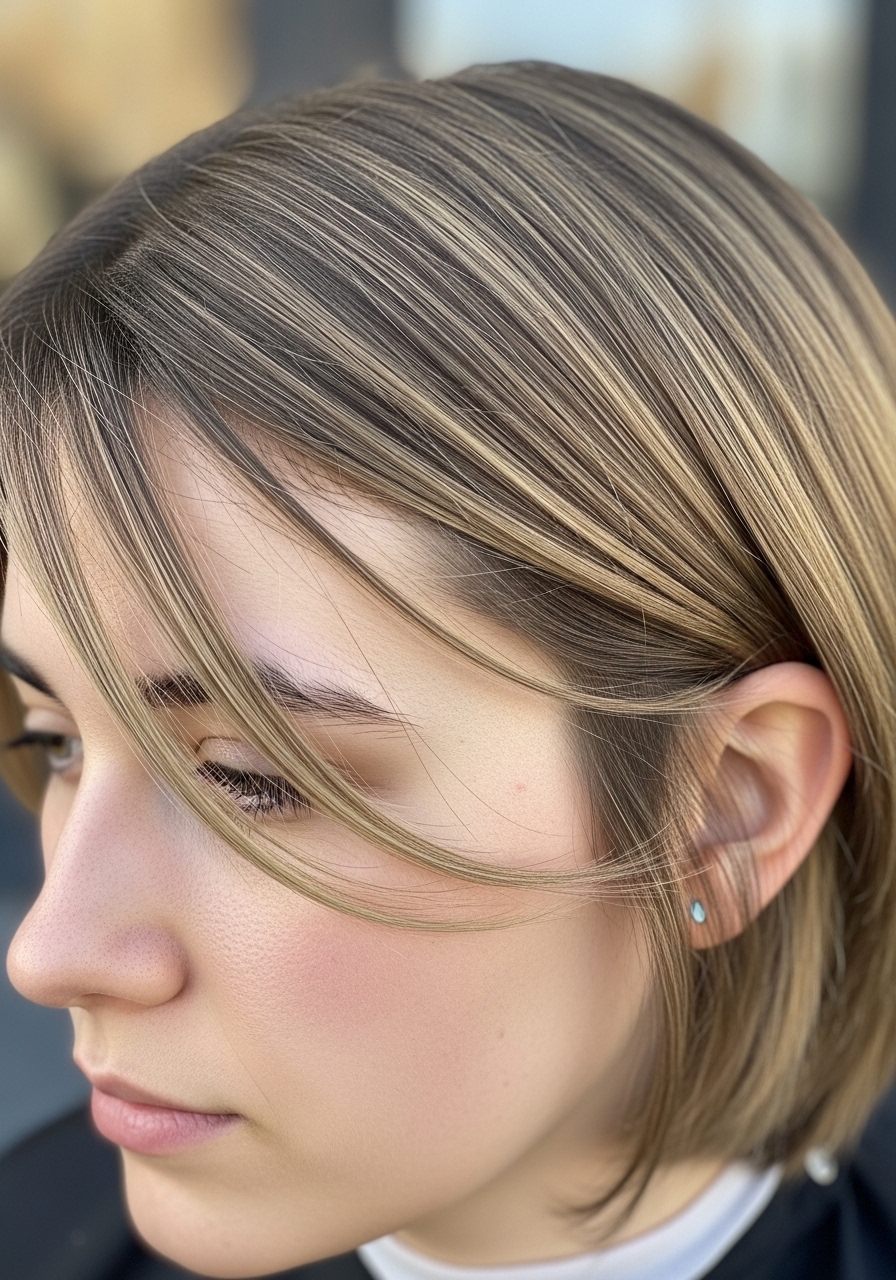
I told my stylist I wanted the front to hug my face. The angled pieces add focus and give the impression of thicker front hair. It’s a small change but very wearable.
I once asked for too much internal thinning under the angle. It made the front look thin when pinned back. Now I keep a bit of weight to preserve the illusion.
Ask for angled face-framing pieces that are blended into a slightly shorter back. Say you want internal weight preserved. I sweep the front pieces across my cheekbones for a quick, polished look.
- Wispy Ends with a Heavy Mid-Length Cut
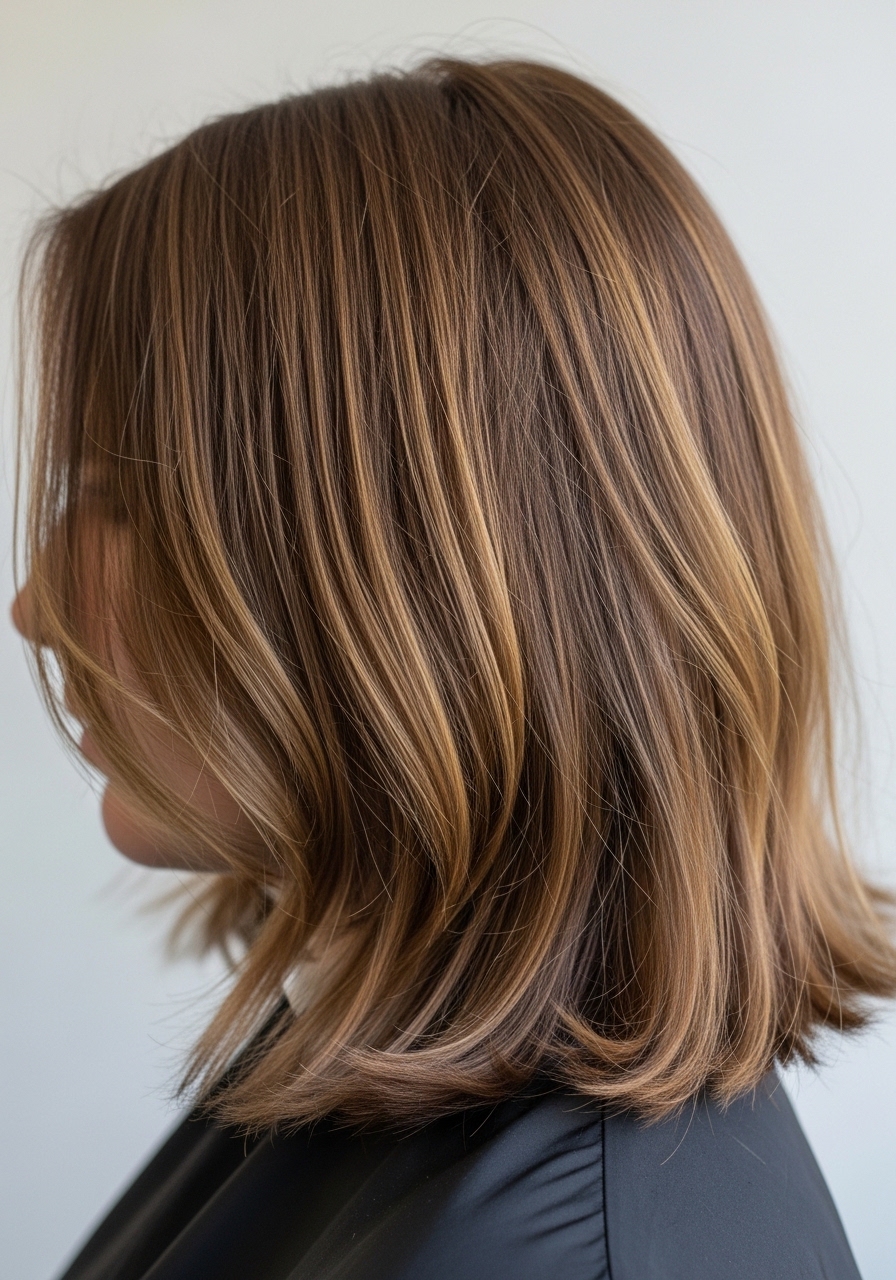
I kept the mid-length heavy through the middle and let the ends get a little wispy. It adds subtle movement without losing density. It’s my compromise between blunt and layered.
At first the wisps were too thin and looked frayed. My stylist corrected it by adding tiny amounts of weight near the mid-length. Now it behaves all day.
Ask for a mid-length cut with weight at the mid-section and gentle wisps at the ends. Request minimal texturizing so the wisps don’t go hollow. A light cream on the tips adds polish.
- Rounded Bob with Slight Internal Point Cutting
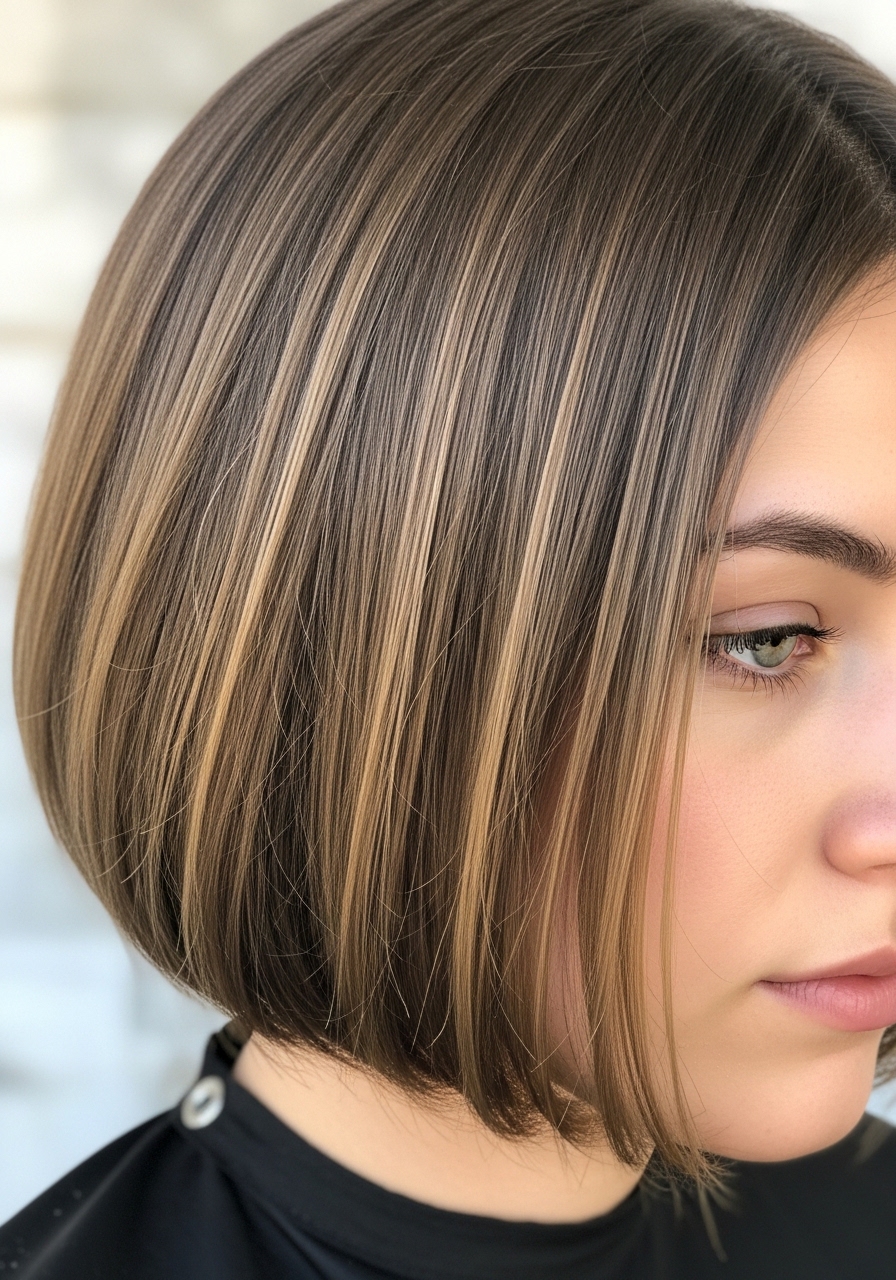
I kept going back to a rounded bob. It gives a soft halo and visually thickens fine strands. The roundness sits well around my face and survives humid mornings.
My mistake was asking for aggressive point-cutting inside. That left the interior looking thin. Now I request gentle point work so the outer shape stays full.
Tell your stylist you want a rounded silhouette with light point-cutting inside only. Ask them to preserve the outer weight. I finger-dry in circular motions to keep the roundness without heat.