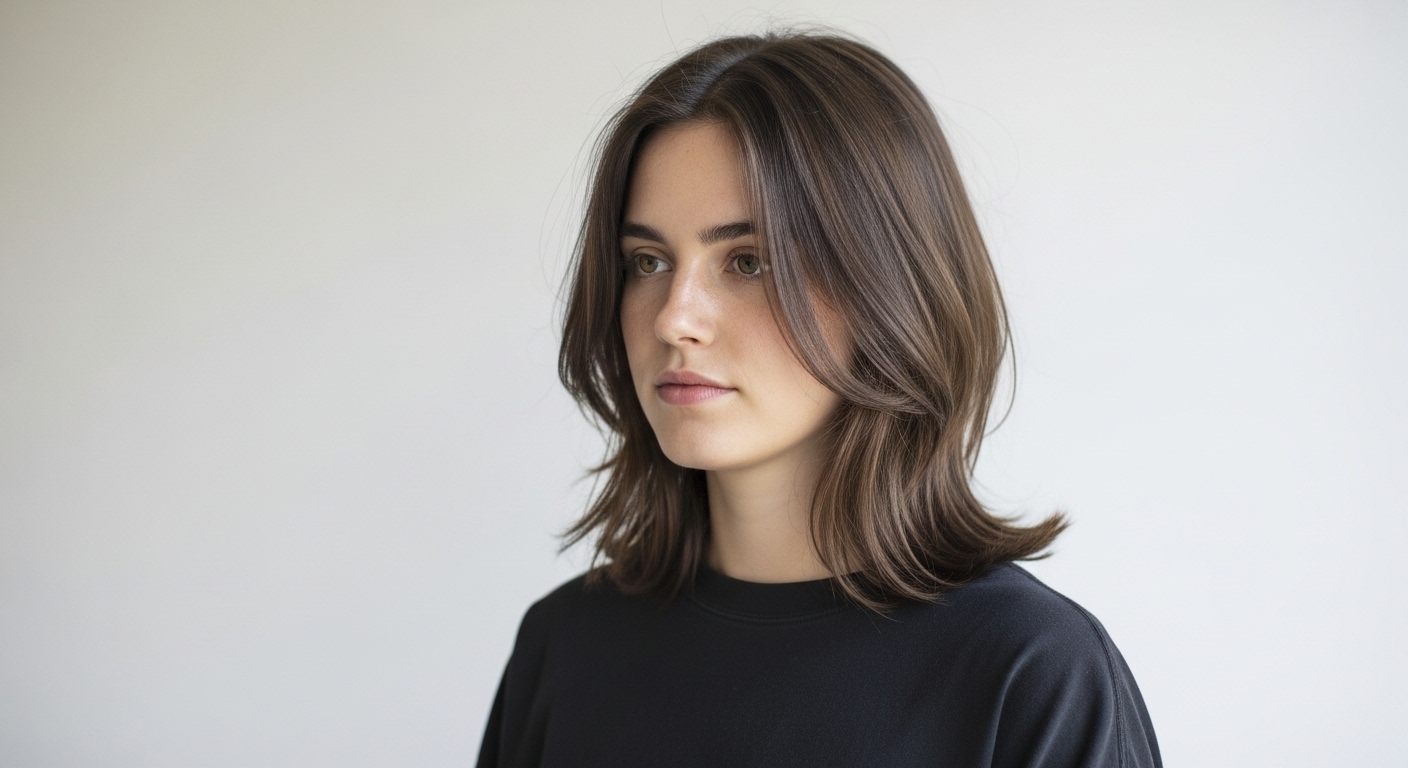
I used to think thin hair meant boring cuts. I sat through bad layering, too-much-texture moments, and slow grow-outs.
Then I started asking for simple, weight-aware layers and watching how they behaved after a night’s sleep. These are the ones that actually worked for my life.
12 Wise Layered Wash And Wear Haircuts For Thin Hair
These 12 layered wash and wear haircuts for thin hair are the exact styles I tested and kept. I’m listing each one because it behaved in real life — at the gym, in humidity, and on rushed mornings. Expect honest notes on what I asked my stylist and what to avoid.
- Soft Layers Around the Face That Make Fine Hair Look Fuller
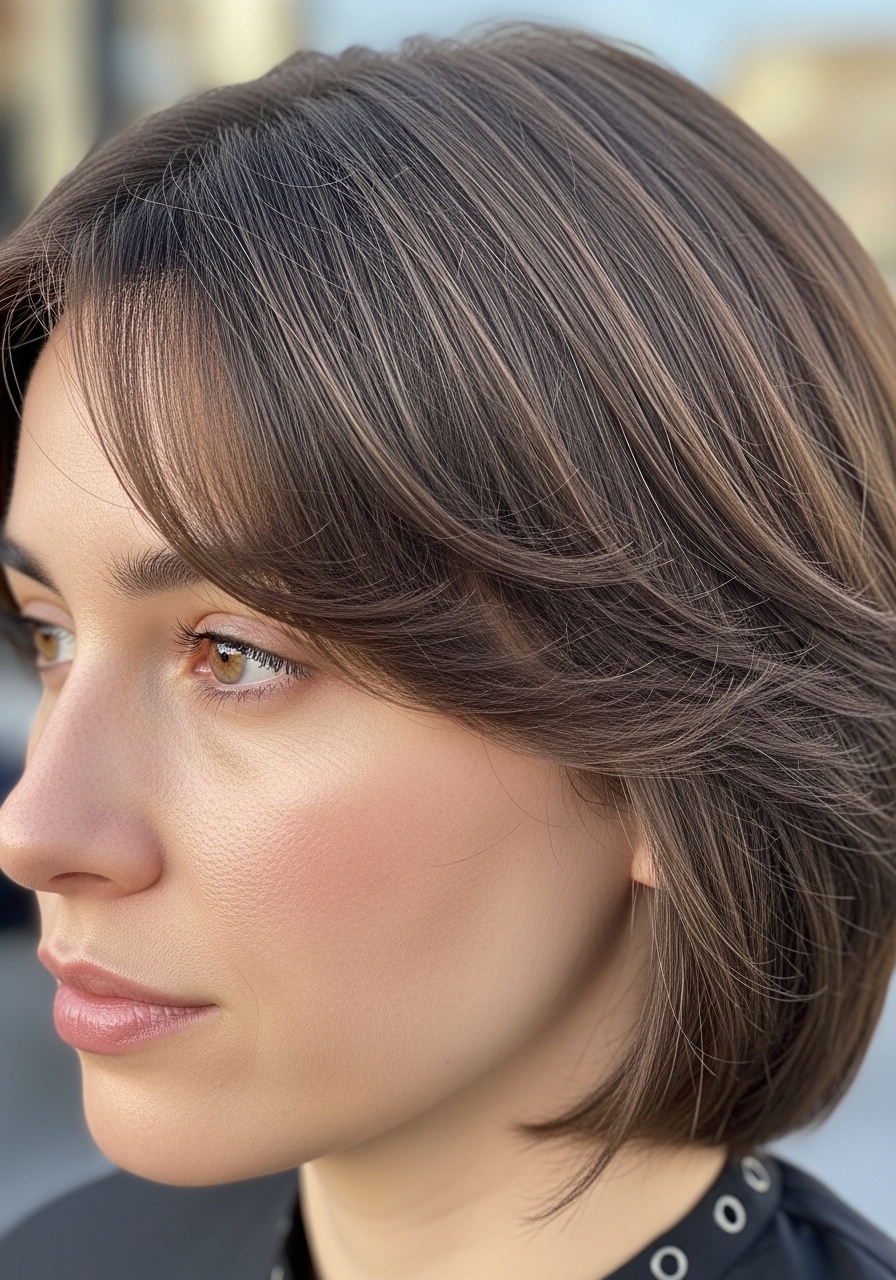
I asked for short, feathered layers around my face and nothing dramatic behind the ears. It gave my hair an instant cheekbone lift without losing bulk at the crown. The layers fall softly and hide thin spots when I shake my head.
In real life it flops less than expected. In humidity the front holds shape; the back can flatten by evening. I learned to scrunch a tiny bit of mousse into damp roots and air-dry.
My honest mistake: I once let the layers get too short and it looked choppy. Now I ask for long face-framing pieces and minimal point-cutting.
- Blunt Lob with Subtle Internal Layers for Movement
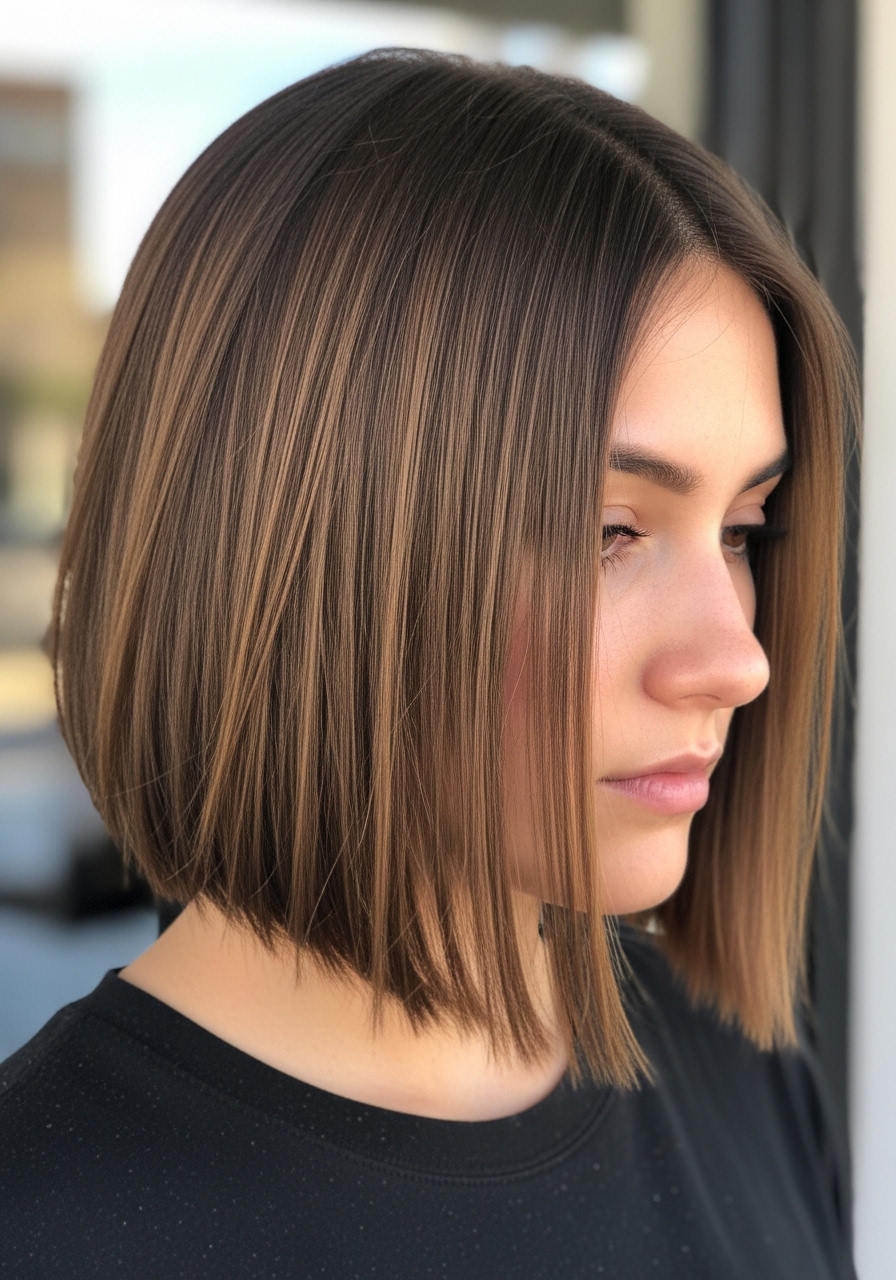
I wanted density without stiffness, so I asked for a blunt lob with a few hidden internal layers. It keeps the silhouette clean but lets the ends move when I turn my head. Washing and letting it air-dry gives a tidy, polished look.
The lob holds up through commute days. My hair keeps weight where it matters, and the internal layers prevent the cut from looking helmet-like. In contrast, over-texturized lobs on me always went wispy.
My tip came from trial: ask for internal layers rather than surface razoring. That small change cut morning styling time in half.
- Short Stacked Bob with Weight Removed at Nape
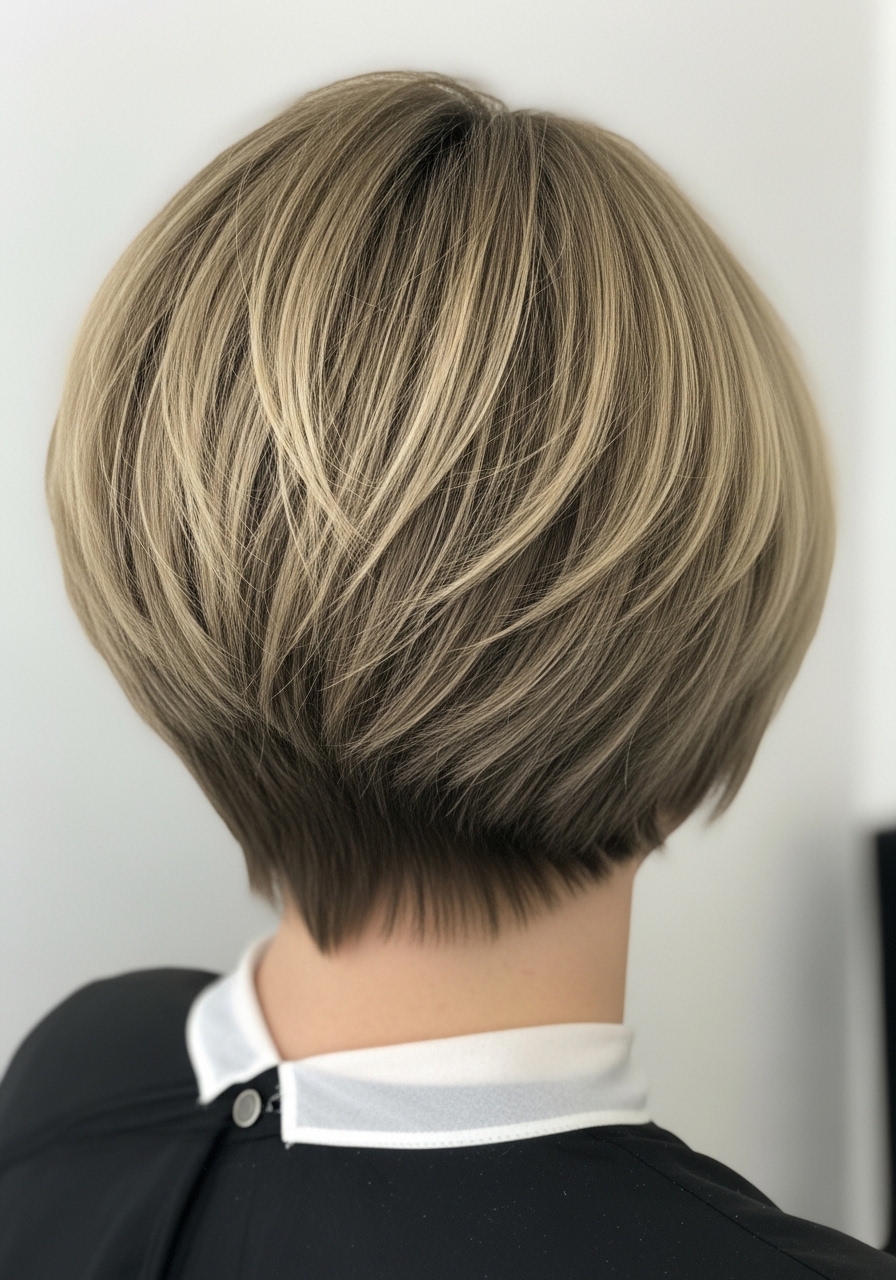
I tried a stacked bob during a summer when I wanted less bulk. My stylist took weight out of the nape and kept a rounded crown. The result felt lifted without daily backcombing.
In practice it gives a fuller profile from the side and looks tidy after a quick towel-dry. It does lose a bit of bounce overnight, but a few finger lifts at the roots fix it fast.
My error: I once asked for too much layering and it went triangle-shaped. I now ask for controlled stacking and tell them to keep the weight on top for fine strands.
- Long Shag with Gentle Layers for Airy Volume
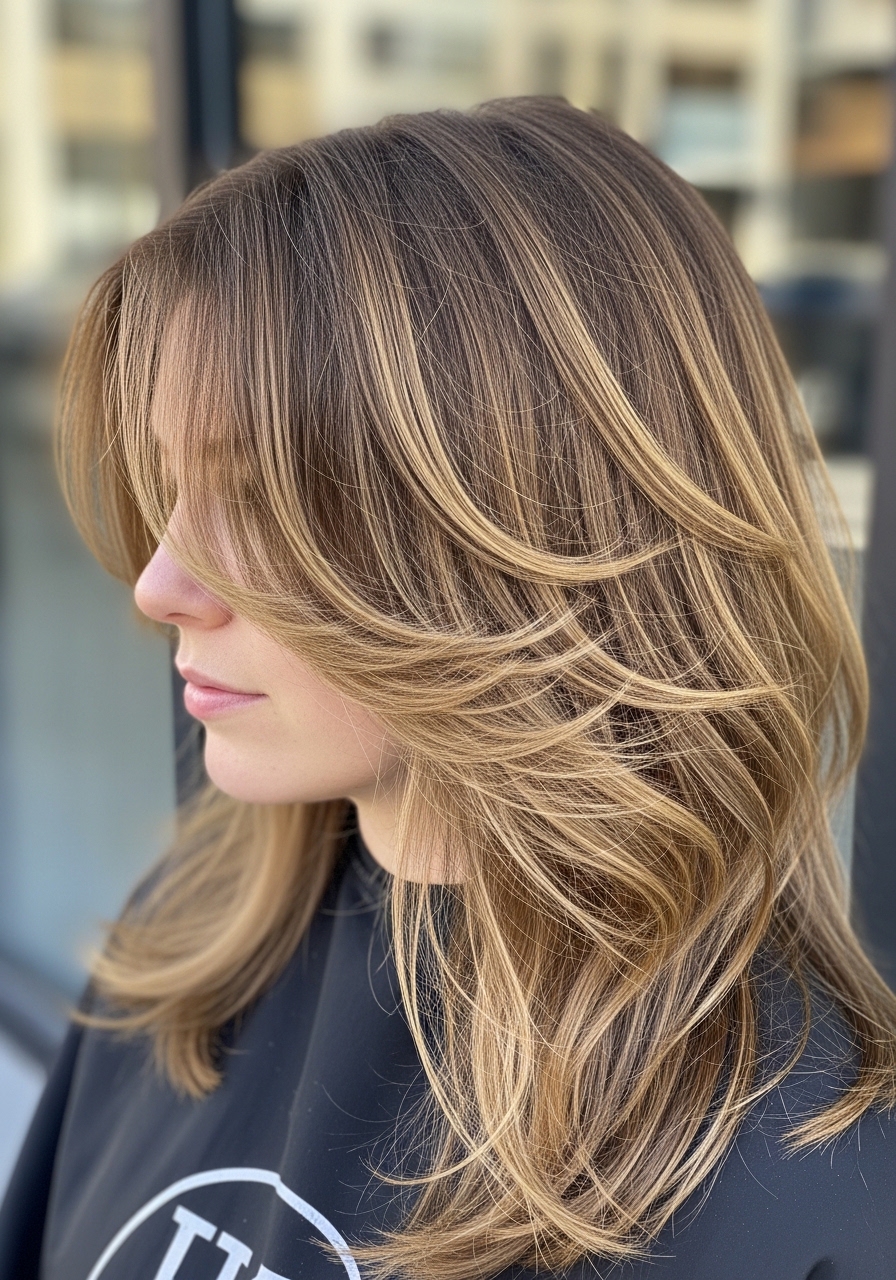
I avoided shags for years because I feared frizz. Then I tried a long shag with soft, even layers and low-contrast texturizing. It added movement and simplified my mornings — shake, finger-comb, go.
It works especially well on hair that has a hint of wave. On straight days it still reads as deliberate movement rather than messy. Humidity slightly amplifies texture, which I began to like.
Honest insight: I used to over-razor the ends and it looked shredded. The better move was soft shears and leaving most length intact for weight to hold shape.
- Collarbone-Length Soft Layers That Grow Out Nicely
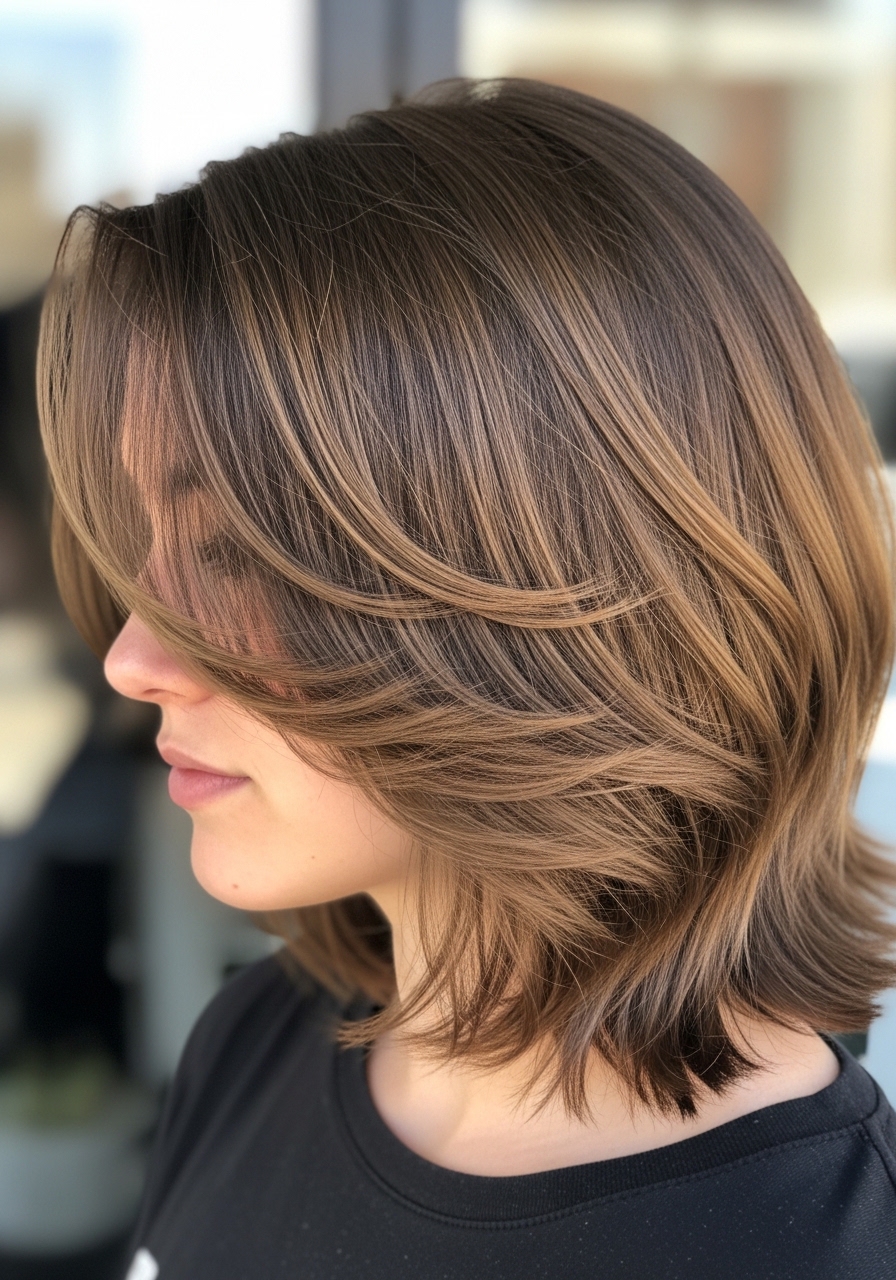
I grew my hair to the collarbone and asked for soft, long layers that keep shape but avoid losing volume. This length gives weight where thin hair needs it while adding gentle swing at the ends.
In daily life it air-dries with a subtle inward curve at the tips. After pillow-squish, a quick root-flip brings the shape back. It’s forgiving between trims, which I appreciated when I skipped appointments.
I once asked for face framing that was too heavy and it flattened my sides. Now I request very light layering around the jaw to keep bounce without sacrificing bulk.
- Blunt Bob with Curtain Fringe for Lift at the Roots
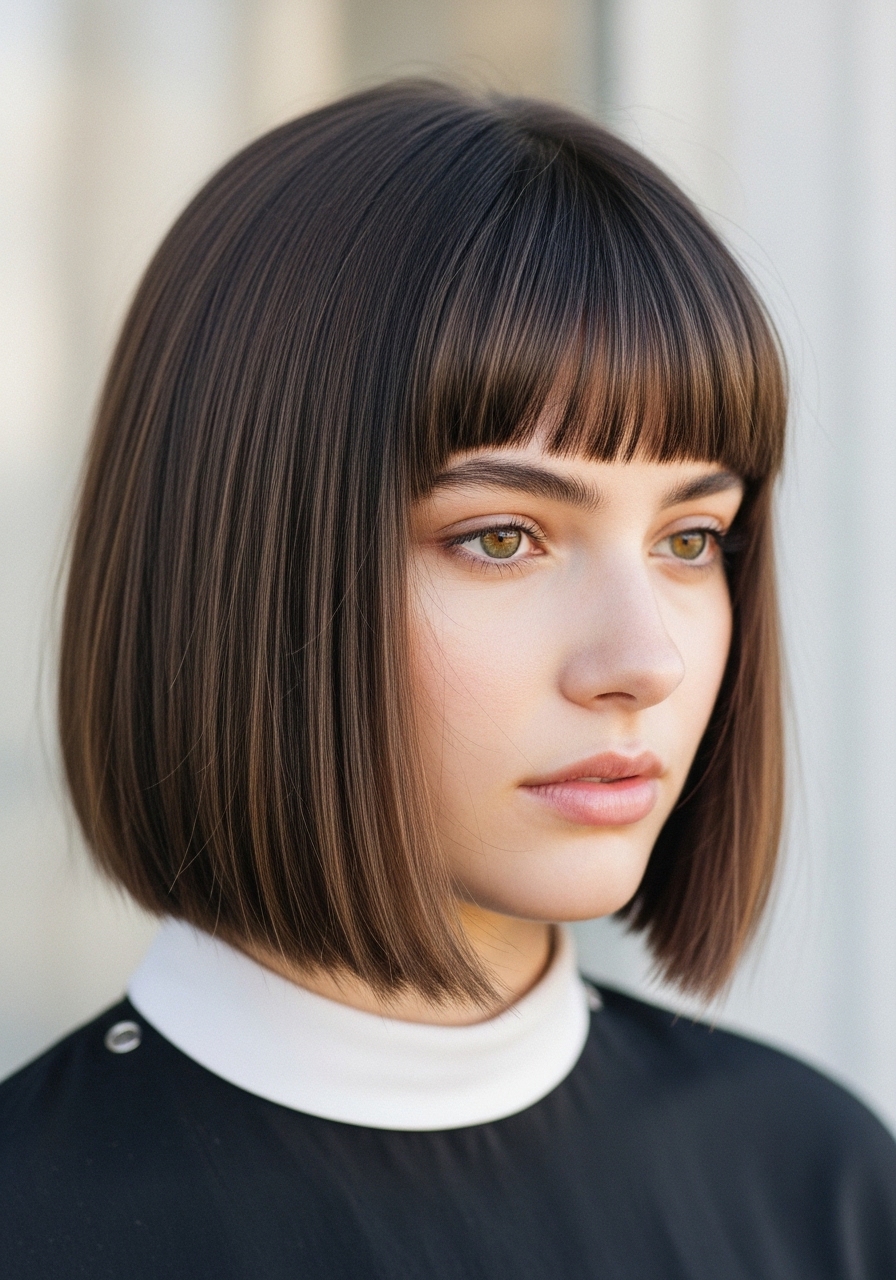
I took the plunge on a blunt bob and added a curtain fringe to create root lift without daily styling. The fringe frames my face and the blunt edge makes hair appear thicker at the ends.
It behaves well after washing — the fringe sits into place with a bit of fingertip drying and the bob keeps a smooth line. Humidity can soften the fringe, but that relaxed look suits me on casual days.
Practical note: I stopped asking for heavy, blunt bangs. The curtain fringe adds movement and keeps mornings simple while maintaining the bob’s dense silhouette.
- Pixie with Longer Top and Soft Textured Sides
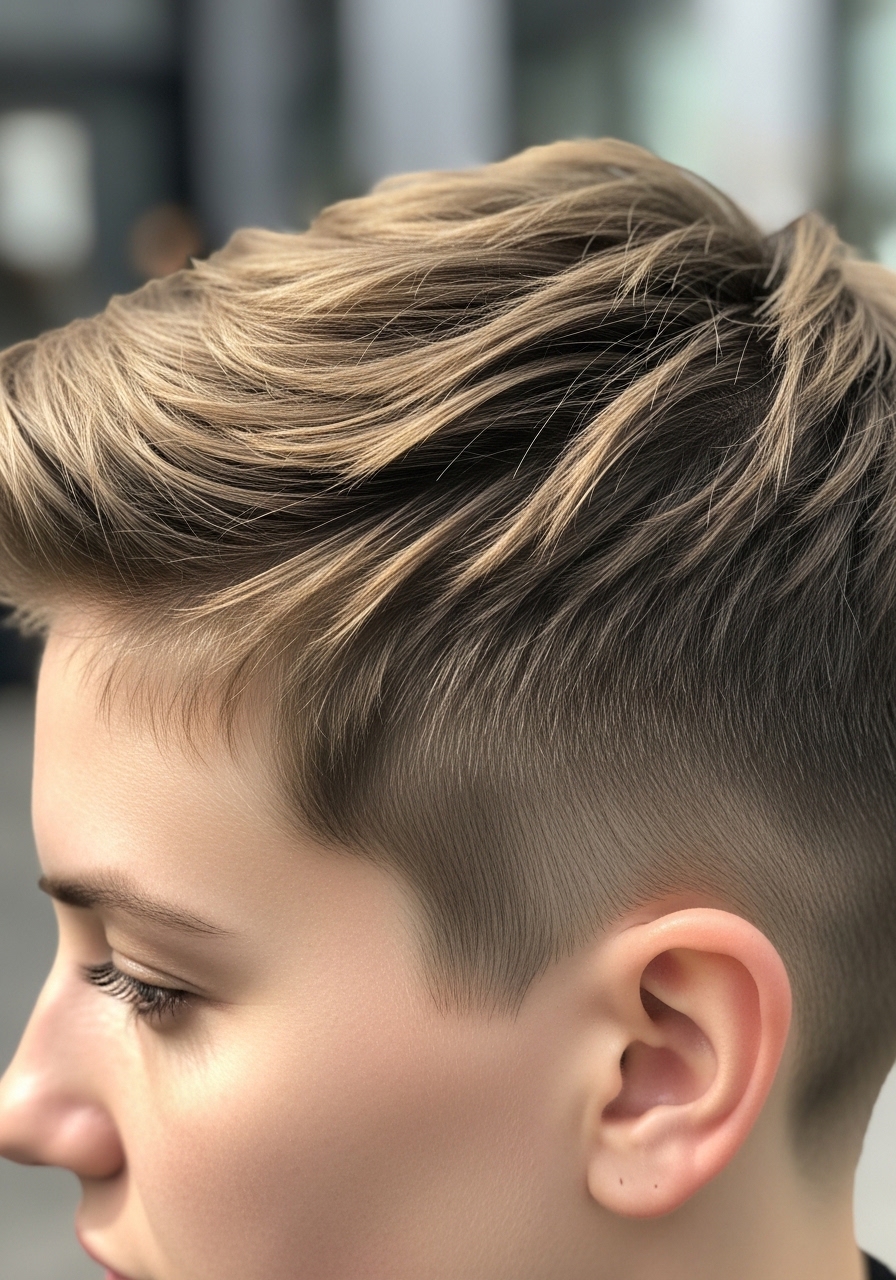
I went short and kept the top long enough to sweep. The contrast makes my crown look fuller and keeps styling to a minute with finger-styling paste. It’s the most liberating cut I’ve tried.
In humidity the sides stay neat and the top develops soft waves that I actually prefer. Sleep creases flatten after a quick run-through with fingers. The trade-off is more frequent trims to keep the shape sharp.
Small mistake I made: I once had the top cut too short and it revealed my scalp. I now ask for length on top and just a tidy taper around the ears.
- A-Line Lob with Minimal Thinning for Shape
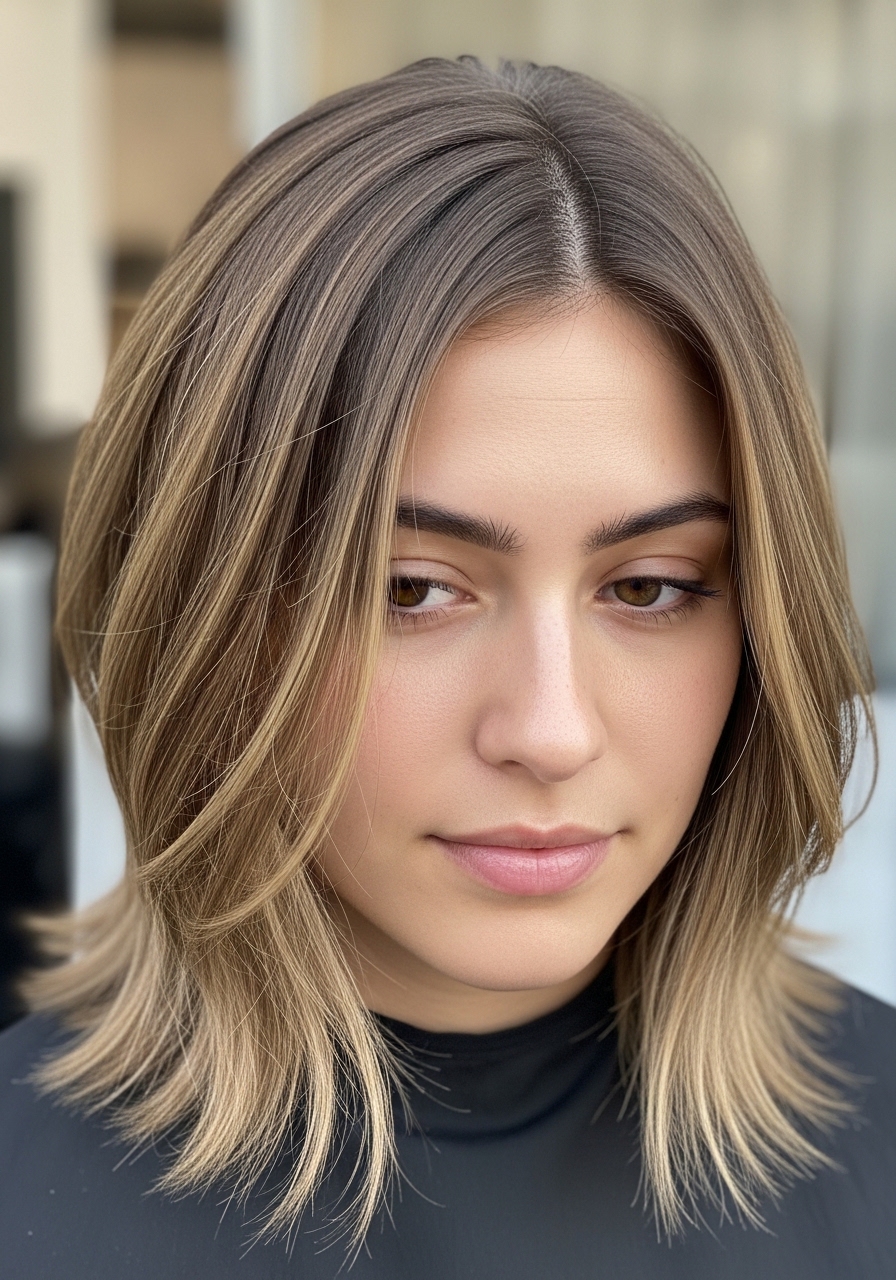
I wanted a silhouette that still swung but didn’t go light. The A-line lob gave me a forward weight that reads thicker at the ends and keeps my profile defined. It’s low-fuss to wear.
It dries into a soft curve that looks intentional without a brush. After workouts it relaxes but keeps the angle. The slight graduation prevents the ends from looking fluted or floaty.
My tip: I learned to avoid aggressive thinning along the length. I request only targeted internal layering so the A-line stays solid at the ends and fuller overall.
- Feathered Ends on Medium Hair for Natural Bounce
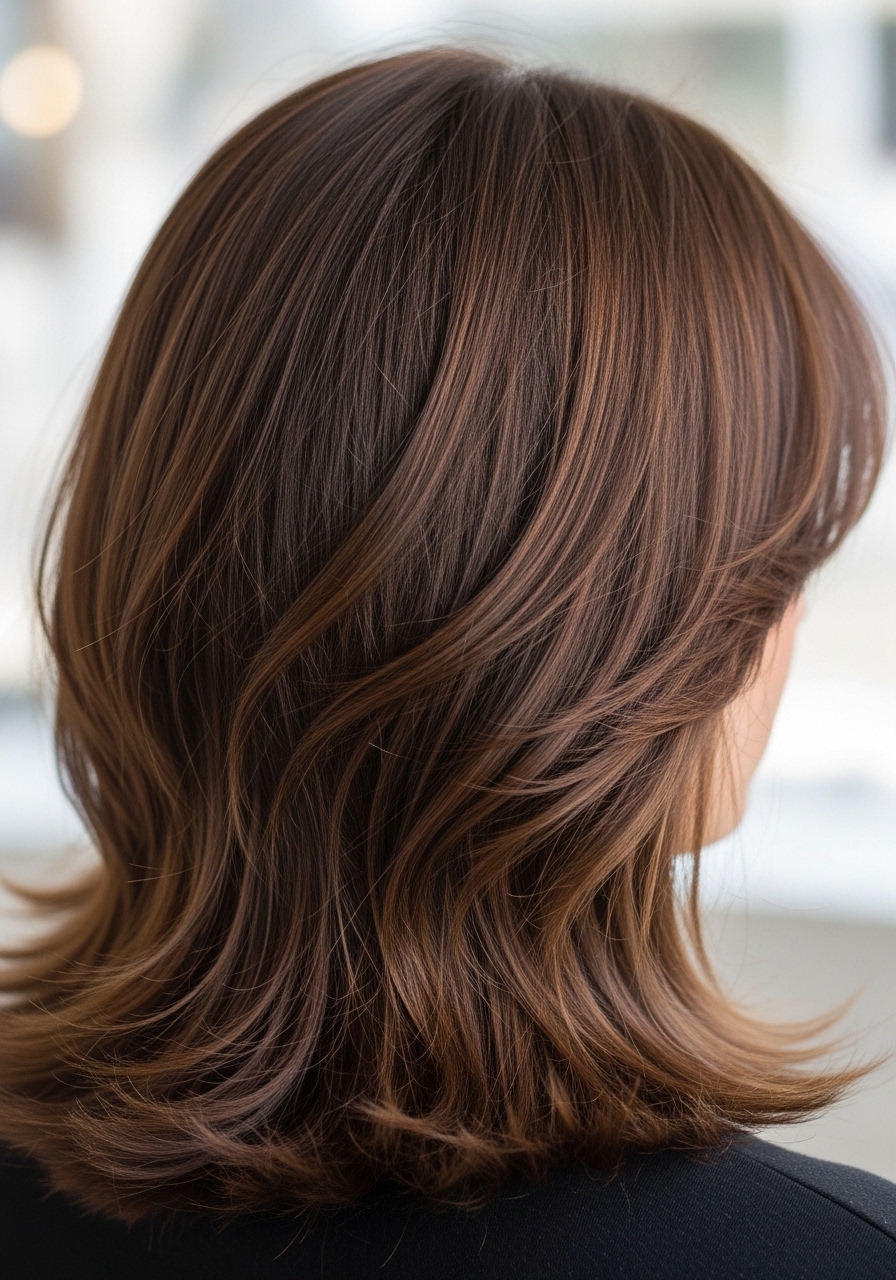
I asked for feathered ends to get movement without losing density. The technique softens the edge and gives a little spring when I toss my hair. It’s ideal for hair that’s neither ultra-fine nor coarse.
In practice it translates to a lived-in finish that survives pillow time. The ends separate just enough to suggest fullness. On humid days the feathering blends into soft waves that I no longer fight.
Confession: I used to over-style with a flat iron to create bounce. Feathering saved me that time by letting the cut do the work.
- Low-Maintenance Layered Mullet for Fine Hair
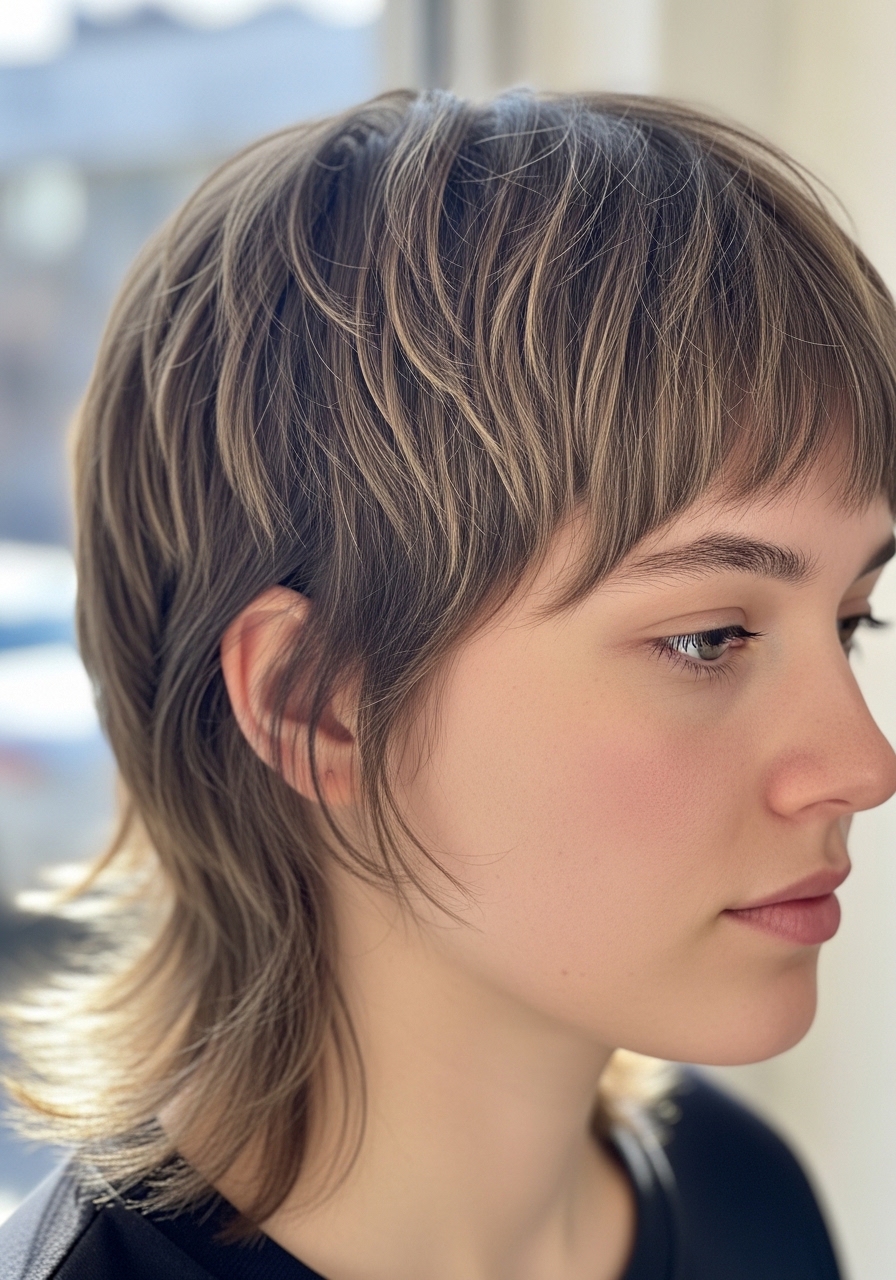
I embraced a soft mullet because it gives playful volume at the back without heavy upkeep. The layers are graduated gently so the back has movement and the front stays wearable for daily life.
It behaves like a short style in the front and longer in the back — I towel-dry and fingersculpt the crown, then let the back air-dry. That mix of lengths hides thinness while staying easy.
Honest insight: the first cut was too punky for my office. I toned it down with longer face pieces and softer graduation to make it truly wash-and-wear.
- Face-Framing Layers with Slight Angle for Cheekbone Boost
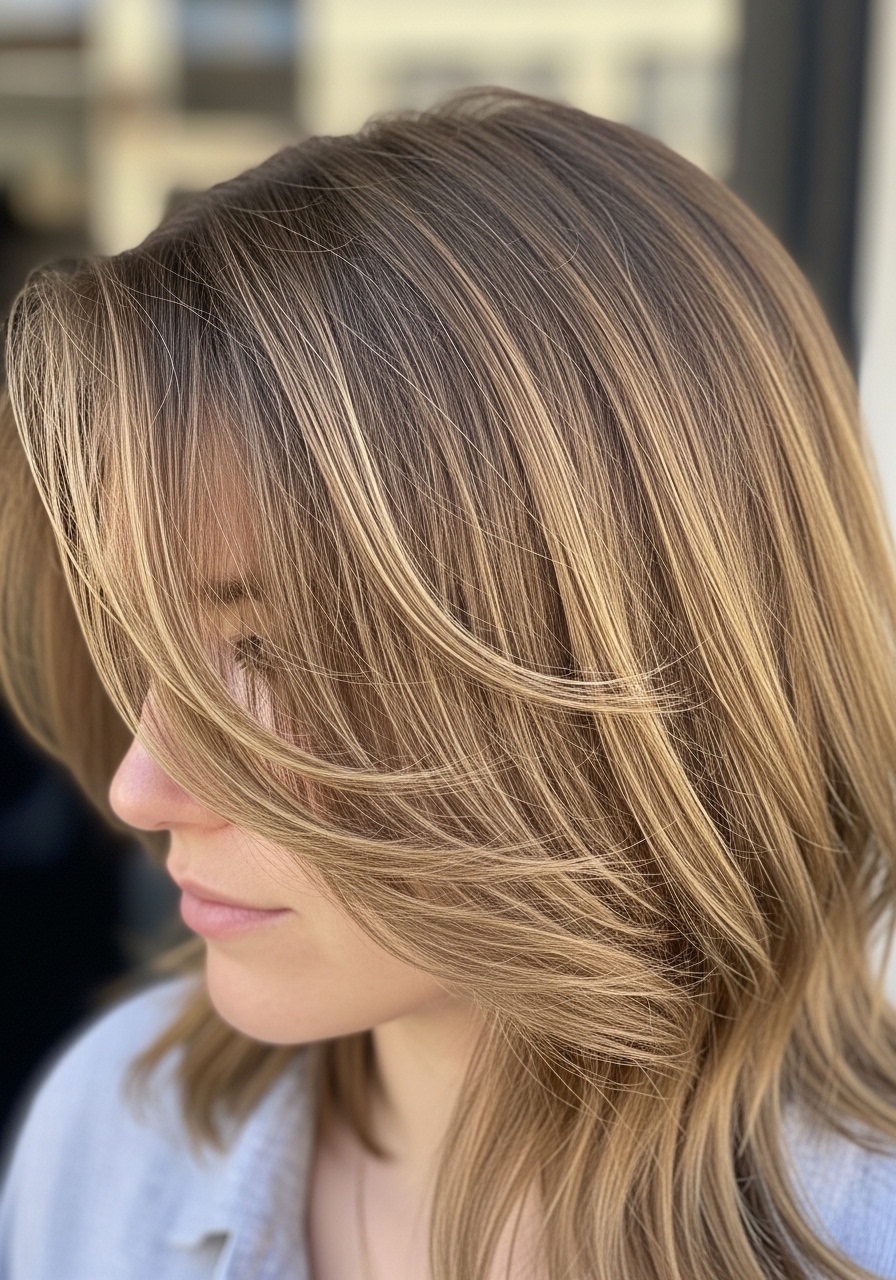
I requested long face-framing layers cut on a subtle angle. The effect lifted my cheekbones and kept hair from looking flat at the temples. It reads intentional without daily styling.
All day the layers move away from my face and add shadow that hides thin spots. Sleep flattens things, but a quick root-snag with my fingers fixes the shape. It’s a gentle look that still feels modern.
Mistake I made early on was asking for too much angle, which exaggerated the thinness at my jaw. Now I keep the angle soft and the layers long enough to blend.
- One-Length Base with Short Internal Layers for Lift
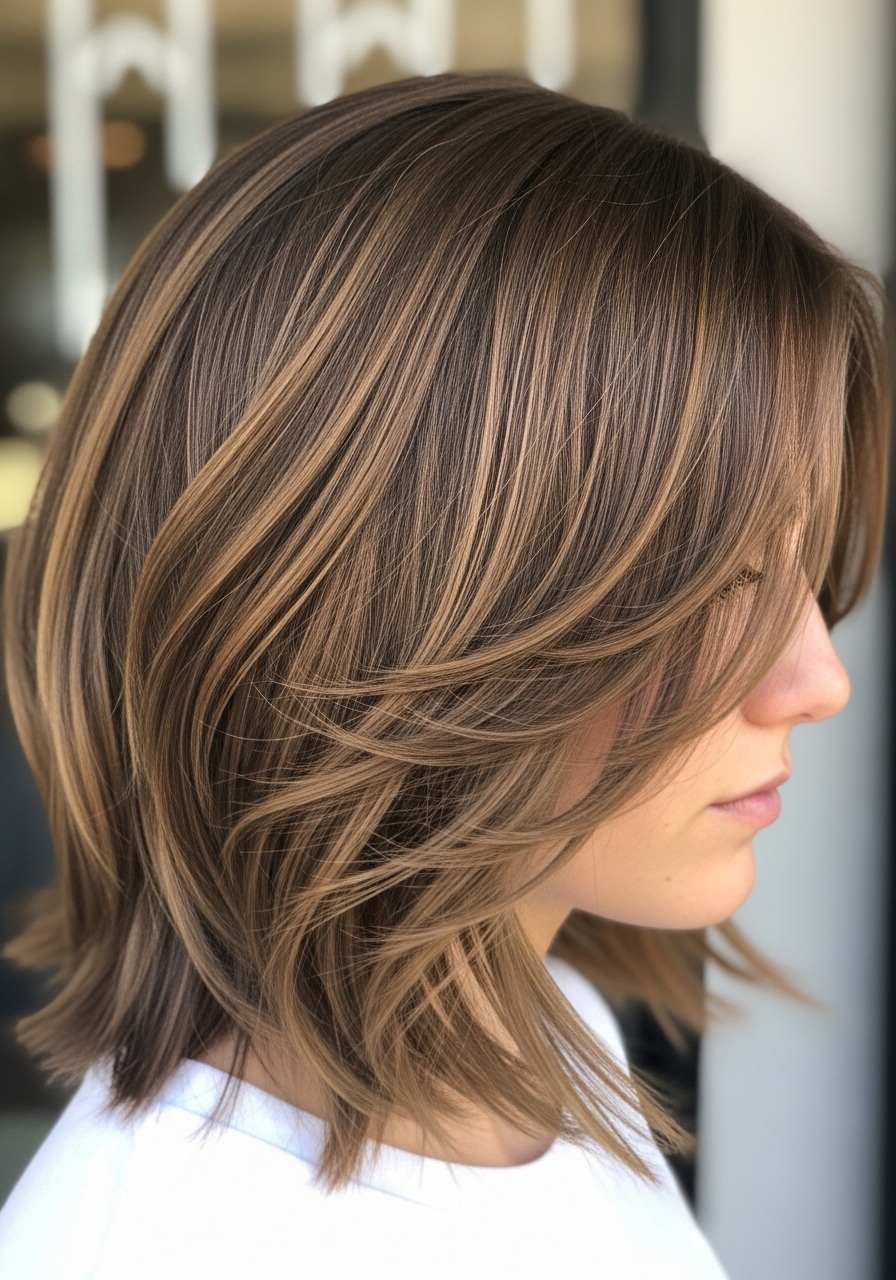
I learned that a mostly one-length cut with short internal layers at the crown gives lift without visible thinning. The outside stays blunt and healthy-looking, while the inside adds life at the roots.
In daily wear the shape keeps a clean line and a subtle crown puff that I can revive with fingers. It’s forgiving between trims and looks refreshed after a quick rinse-and-go.
Practical note: I once let the internal layers be razor-thinned and it looked patchy. Now I ask for measured internal graduation only at the crown for natural lift.