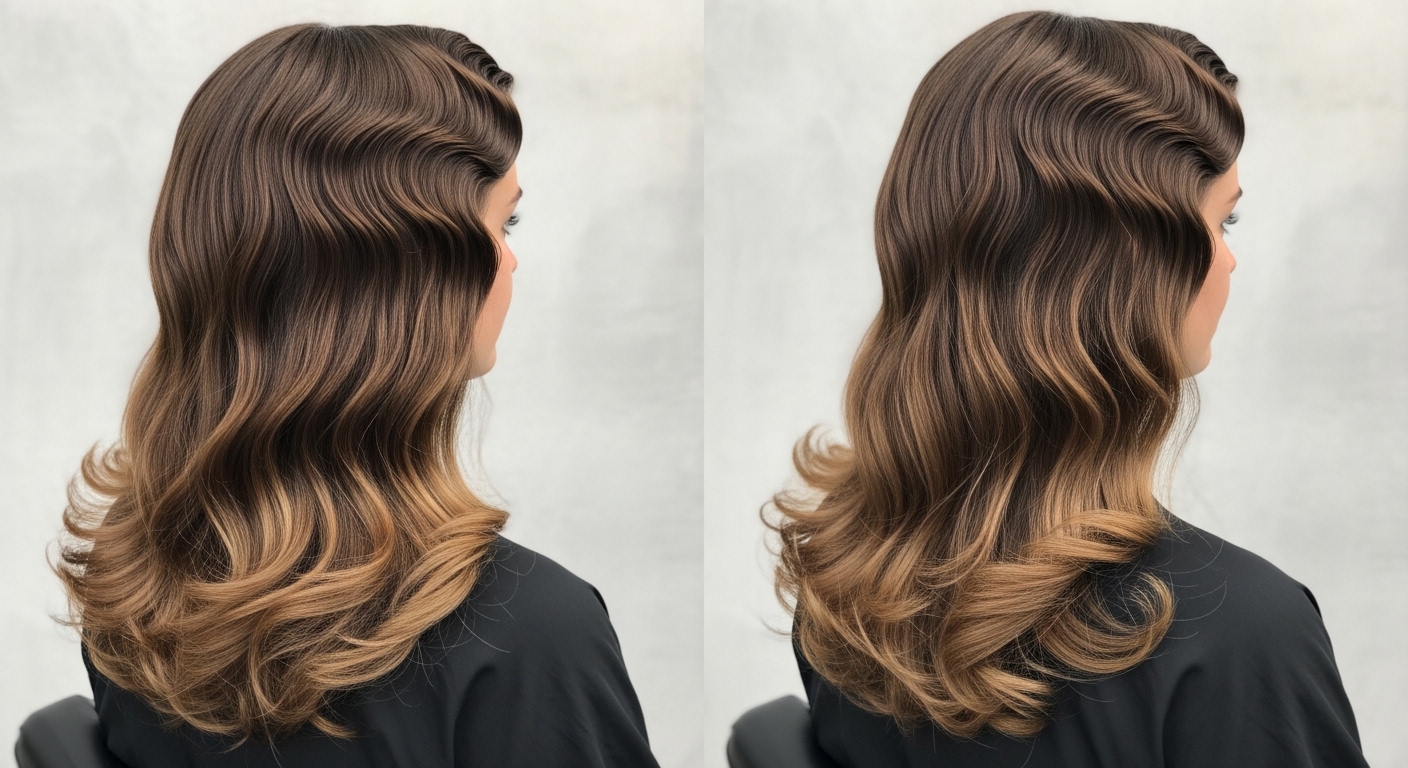
I used to fight my natural wave and lose so much length to bad trims. Then I learned one thing: long hair can feel vintage without looking costume-y.
I started keeping shape, not sacrificing movement. These looks are the ones I wear when I want a classic mood that holds up during a real day.
20 Rich Vintage Hairstyles For Long Hair
These 20 rich vintage hairstyles for long hair are styles I’ve tried, reworked, and lived in. I picked looks that actually last through commutes, sleep, and humidity. You’ll get exactly 20 ideas you can ask for at the salon and recreate at home.
1. Classic Finger Waves Across the Crown
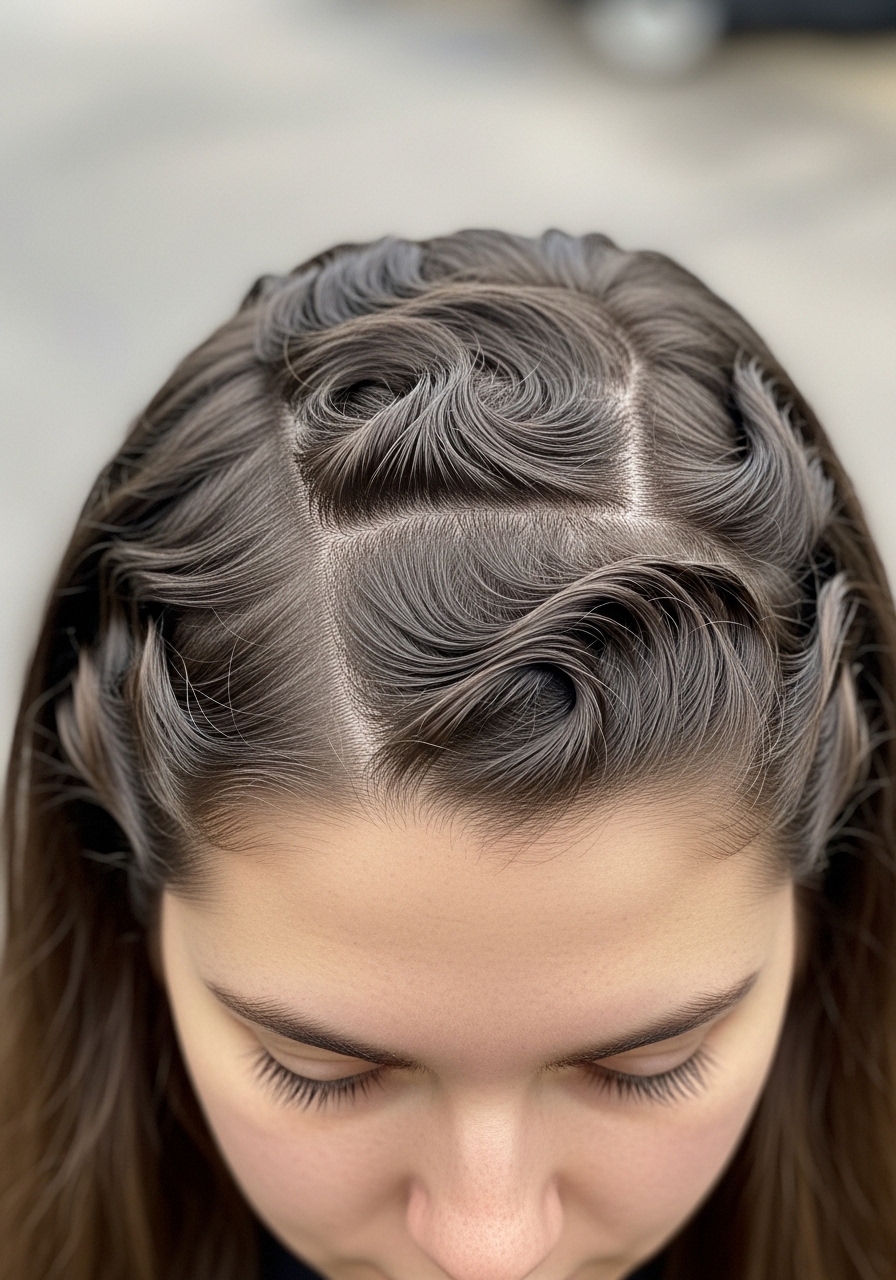
I asked my stylist for real finger waves, not the flattened kind from too much gel. The first time, she mapped out the S-shapes across my crown and left the lengths loose. It looked old Hollywood in photos but felt wearable in daylight.
In real life the waves relax a touch by midday. On my finer sections they softened more, so I used a light mist to reset them. On thicker hair, they stay defined but need careful parting.
Tip: tell your stylist you want "structured waves on top, soft at the ends." I learned the hard way that too much product makes the waves crispy.
2. Soft Hollywood Waves with a Deep Side Part
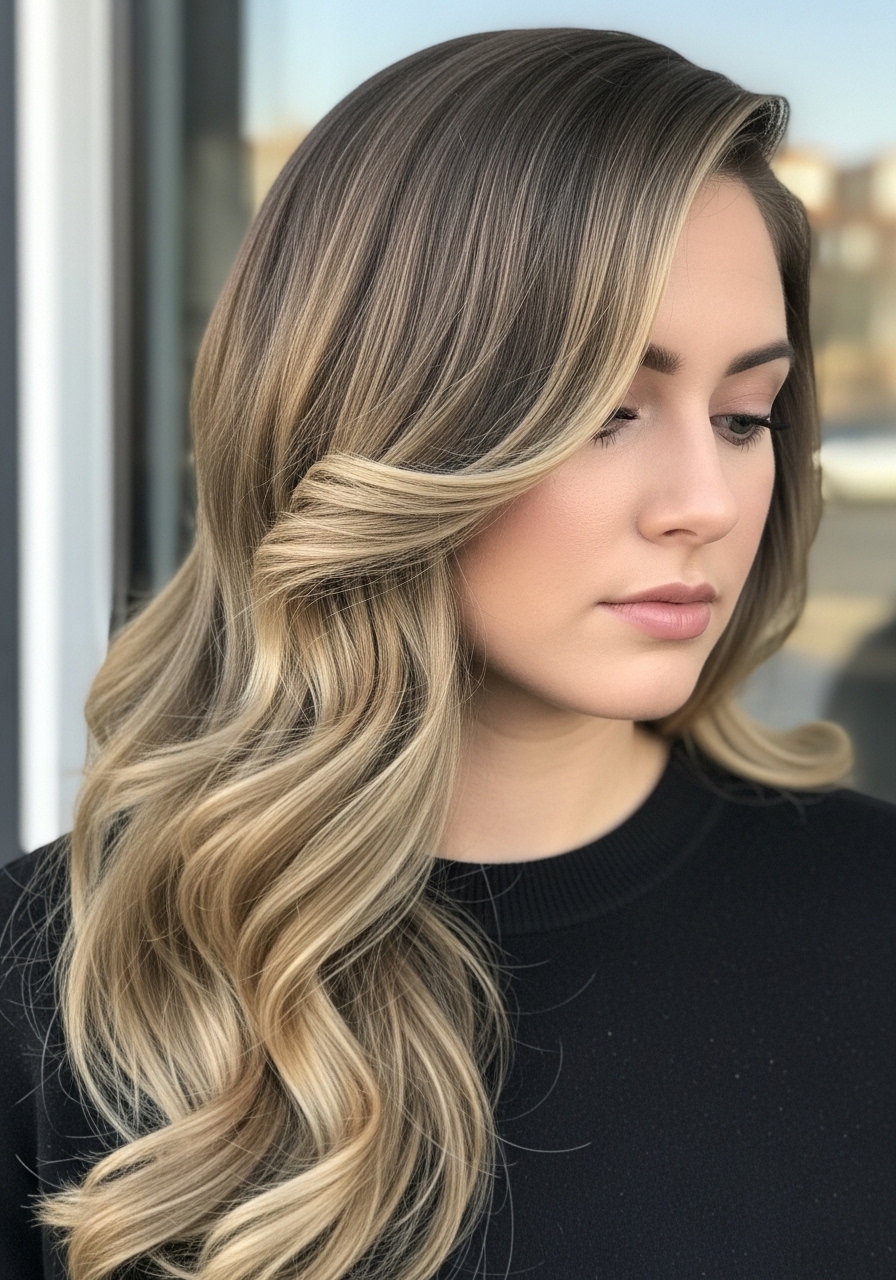
I chased this look after seeing old film stars. I ask for smooth, carved waves that start mid-length and finish with loose ends. My first attempts were over-brushed and lost all shape. Now I set the direction with clamps and brush just the face-framing section.
This style holds on second-day hair. On humid days the waves loosen into a soft wave instead of frizzing. My thicker sections keep a lot of body; fine hair needs a root lift spray.
Stylist tip: request a deep side part and a single-pass iron technique. I learned to clip each wave while it cools—big difference.
3. High Victory Rolls with Loose Ends
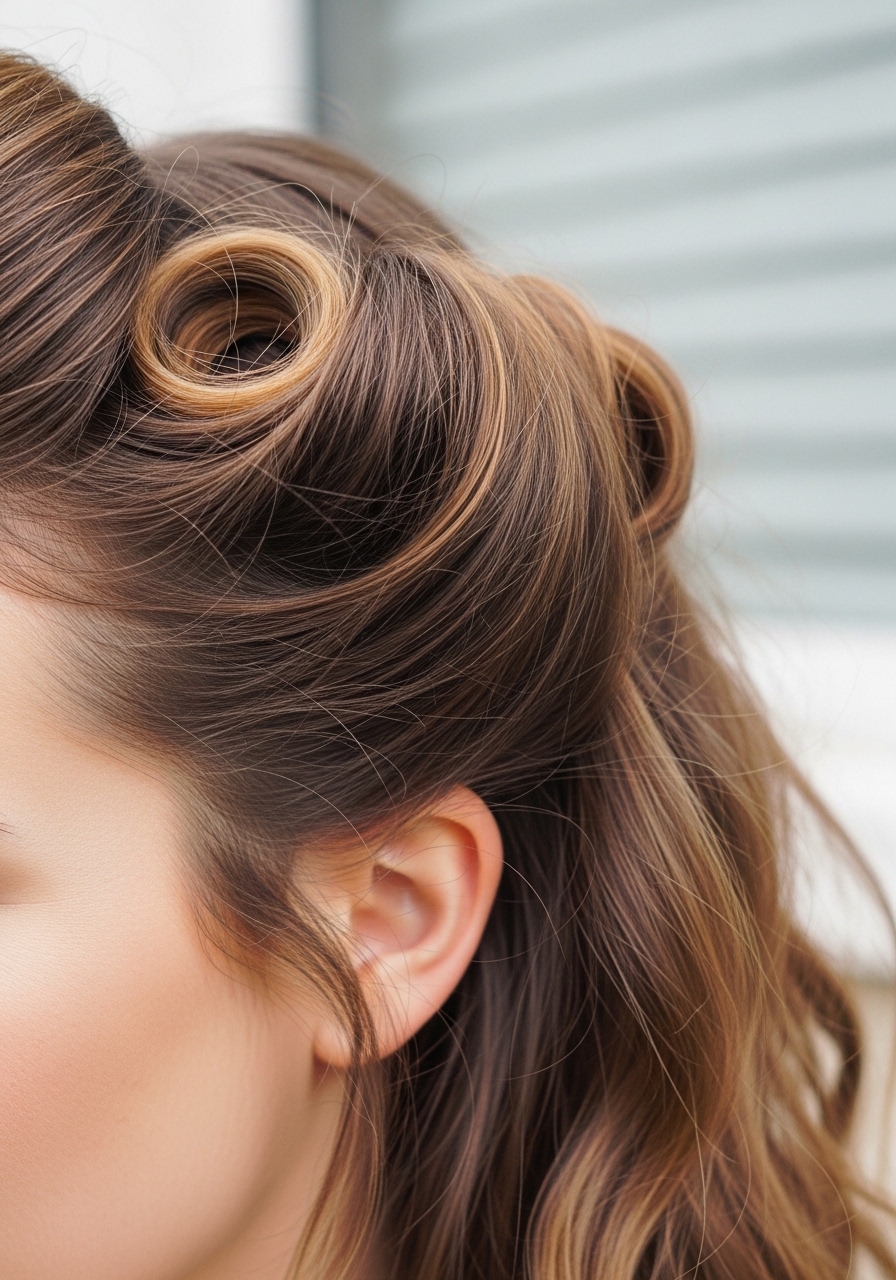
I did victory rolls for a party and kept wearing them for weeks. I ask for two structured rolls near the front that blend into my long, loose hair. The first time I made the rolls too tight and they pulled at my temples. Lesson learned: loosen the base.
During the day the rolls settle but still read as vintage volume. On fine hair they need a little backcombing inside. On thicker hair I pin more discreetly so the weight doesn't flatten the roll.
Real tip: plan for touch-ups. I carry two bobby pins and a mini comb. My stylist taught me how to anchor without feeling stiff.
4. Low Gibson Tuck with Face-Framing Tendrils
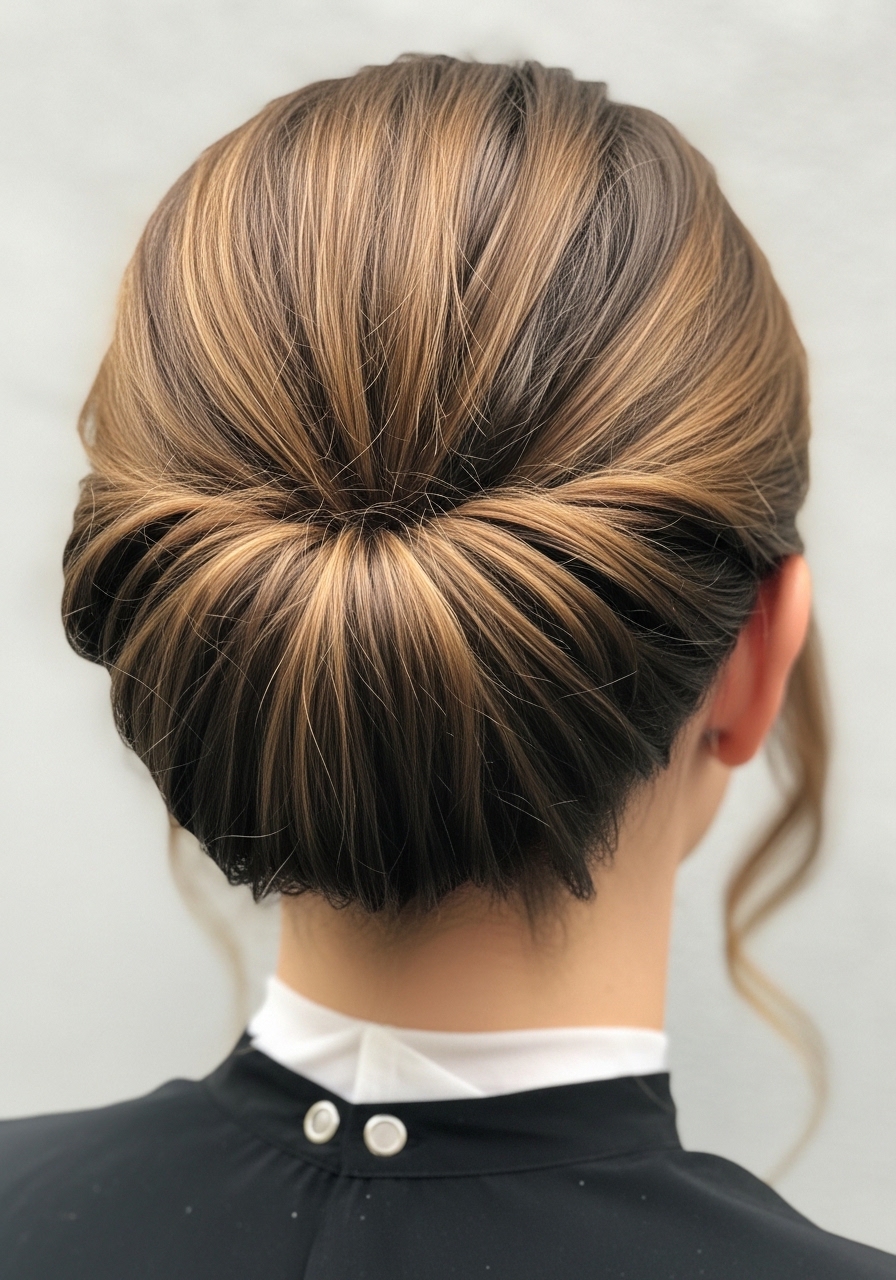
I walk out of the salon with a neat Gibson tuck and feel like my hair knows how to behave. I ask for a low tuck with intentional face-framing pieces. The first version I tried had tendrils too short; they looked accidental. Now I ask for long, soft pieces that skim my cheek.
In real life the tuck loosens after a few hours if I move a lot. It’s forgiving on most textures. Curly hair needs a touch of smoothing serum; straight hair needs a bit of texture spray.
One honest insight: practice tucking once at home. My first attempt used too many pins. Fewer pins, better tension.
5. All-Over Pin Curls for Long-Lasting Bounce
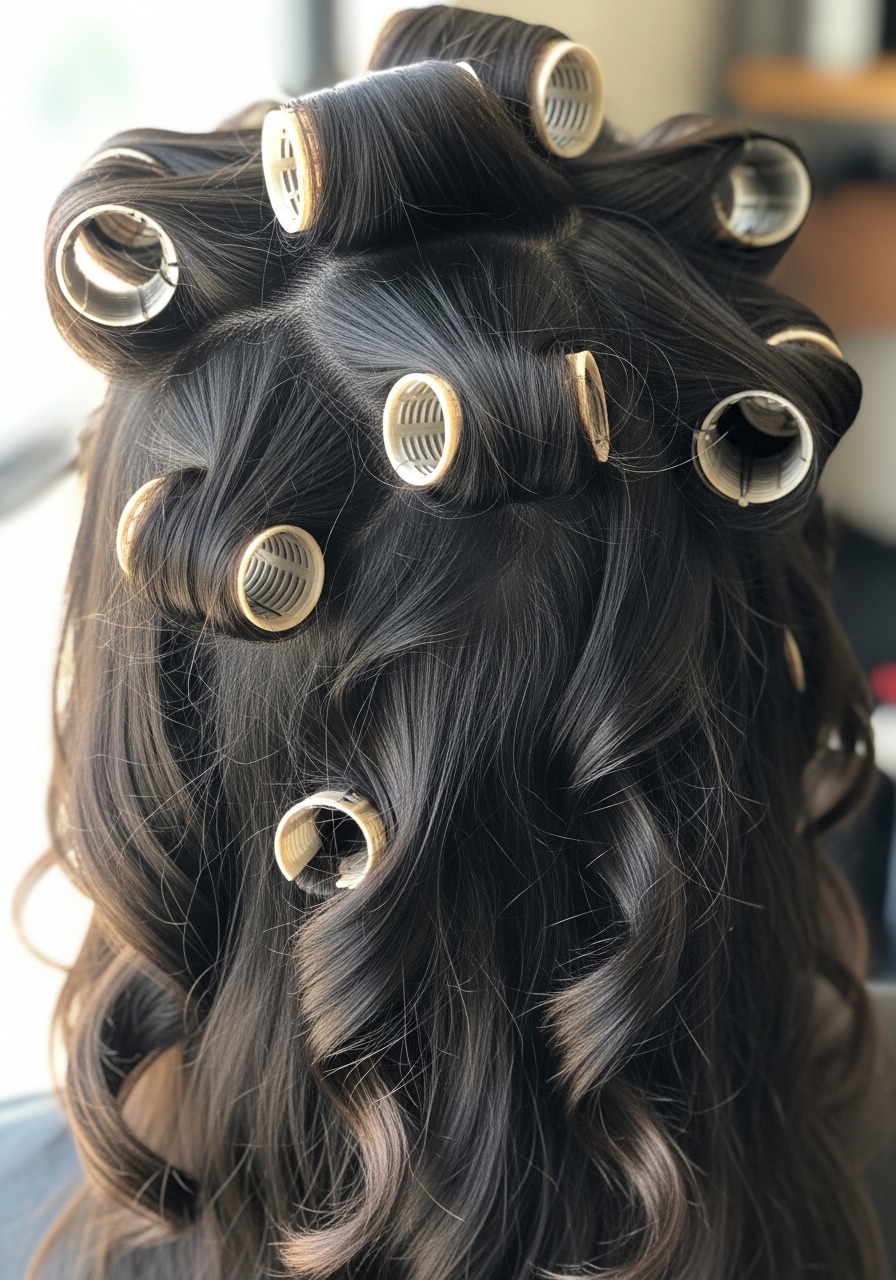
I set my hair in pin curls for a trip once and was shocked how long the shape lasted. I asked my stylist to vary the curl sizes: tighter by the face, larger toward the back. My mistake on the first try was using too-tight pins; it left dents. I switched to open clips and it changed everything.
After sleeping on them the curls settle into a bouncy shape that survives day two. On heavier hair the curls loosen more quickly. On fine hair they hold like glue.
Stylist tip: ask for loose pin sizes on the ends and a firmer set near roots. It gives movement instead of a helmet.
6. Marcel Wave Sweep Pinned to One Side
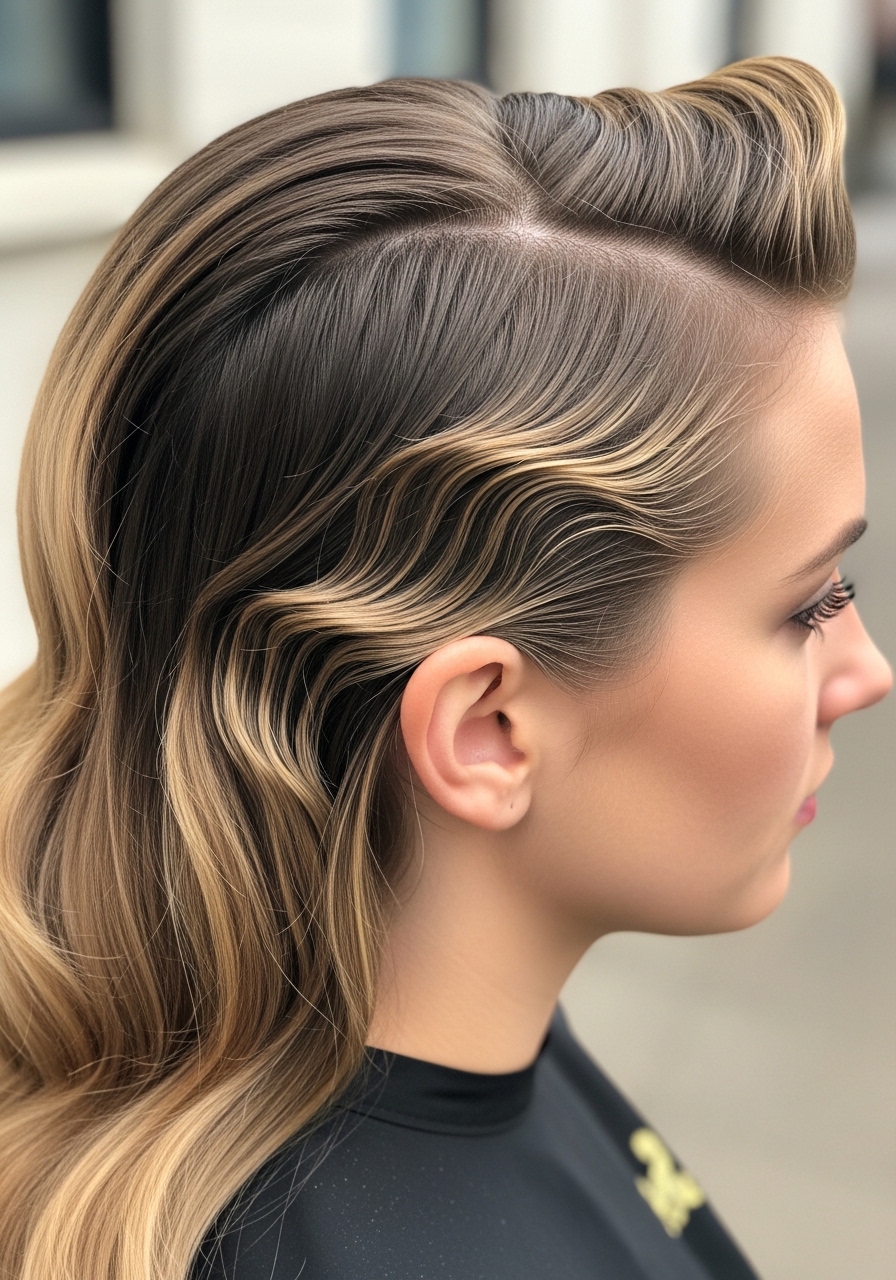
I love the sharp S-line of a Marcel wave. I asked my stylist for a sweep pinned to one side for drama without fuss. The first time I tried a DIY iron and created uneven ridges. After that I let the pro show me the right heat and clip pattern.
Once set, the sweep stays in place through a commute. It softens with movement into softer waves. It suits thick, straight or slightly wavy hair best. My fine patches needed root padding to keep the wave’s height.
Outside tip: bring a small clip to reset the pinned side after rain. I learned that the hard way.
7. Rolled Low Chignon with a Center Part
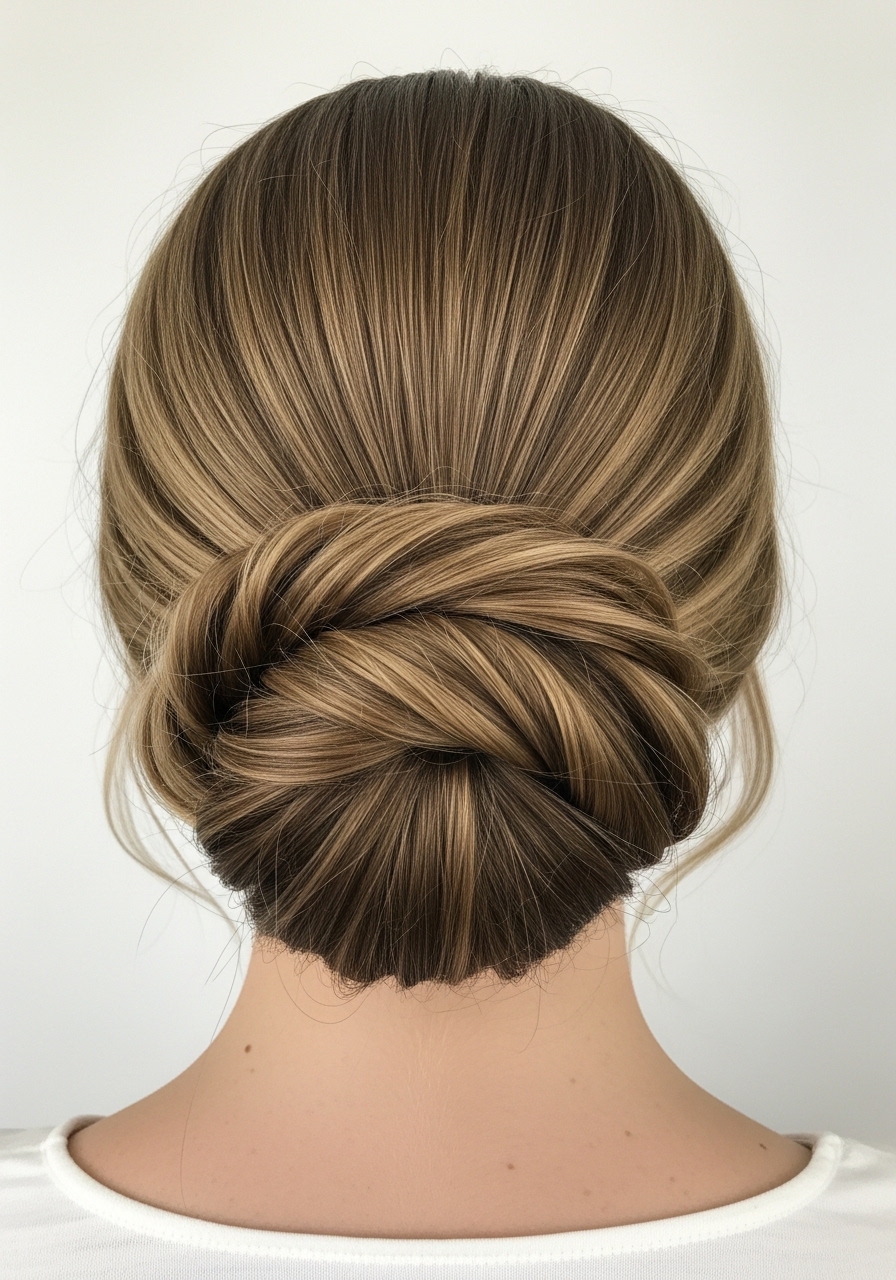
I wear a low rolled chignon when I want neat and vintage. I asked for a soft roll at the nape with a clean center part. My first attempt leaned too high and read formal. Lowering the roll made it feel lived-in and relaxed.
In daily life it survives hugs and hats. My hair texture affects whether it stays smooth or needs a touch-up spray. Curly sections can peek out, which I now let happen on purpose.
Real note: don’t over-tighten. I used too many pins once and felt pressure. Two well-placed pins hold better than a handful.
8. Bouffant Half-Up with Light Teasing
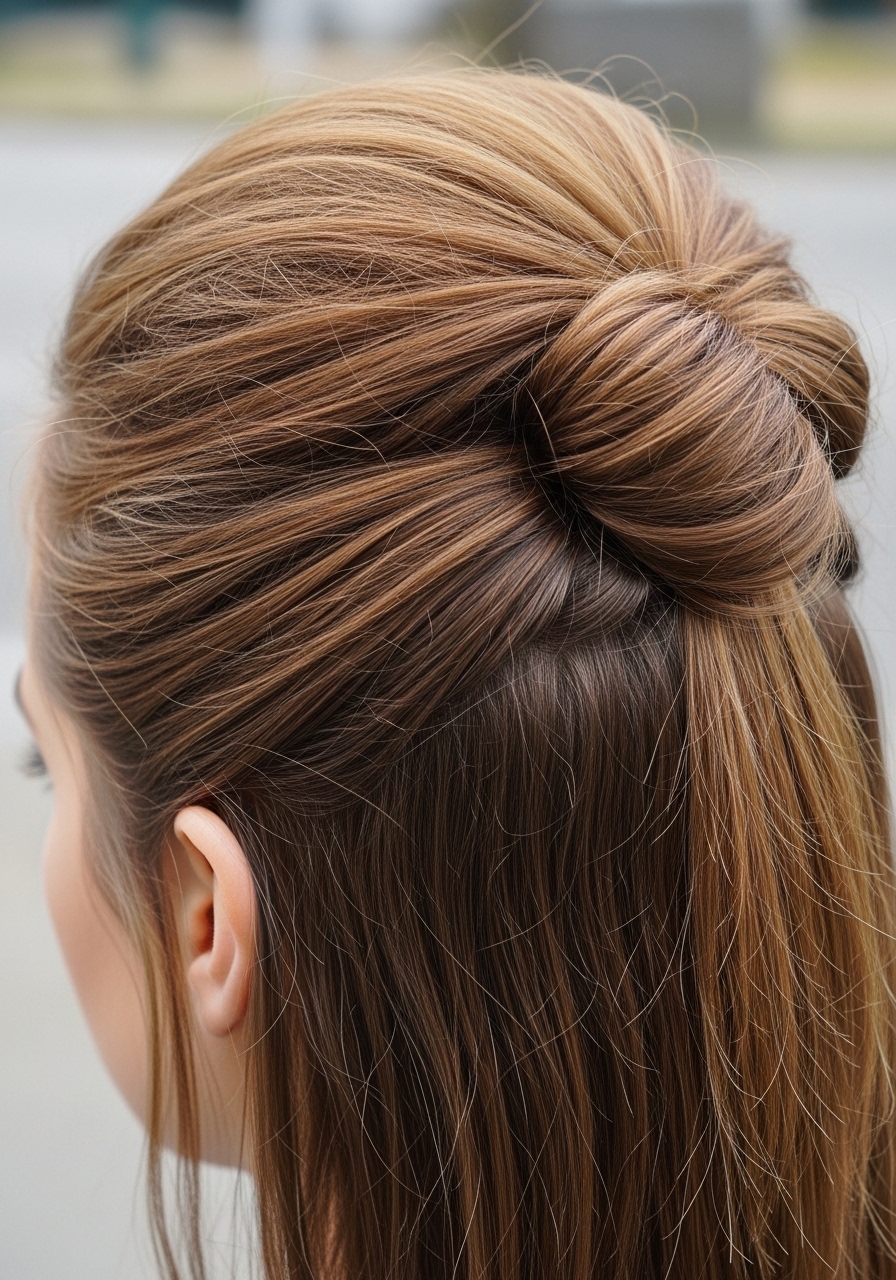
I flirted with a full beehive and retreated to a half-up bouffant. I tell my stylist to tease the crown, but keep it soft. Earlier I teased too aggressively and it looked helmeted. Now I do light backcombing and smooth the top layer.
This holds well on medium to thick hair. Fine hair needs a root-lift product before teasing. By evening the bouffant relaxes into a flattering lift rather than deflating.
Tip: ask for “soft volume, not a hard dome.” I learned that phrasing saved me from foam-hair photos.
9. Vintage-Inspired Sleek Pompadour and Long Ends
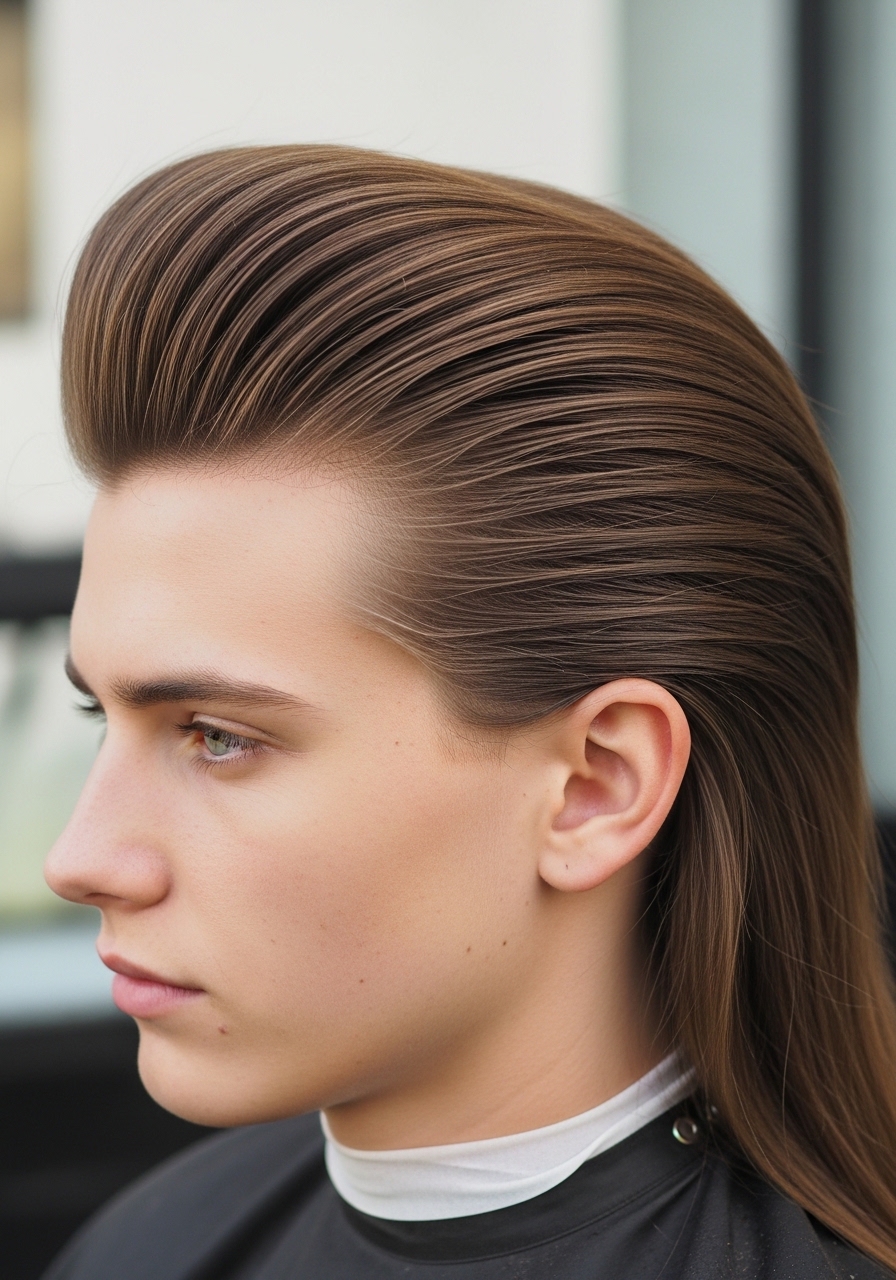
I wanted a pompadour without losing my length. I asked for a lifted front that blends into long, sleek ends. My first try used too much wax and it looked greasy. I switched to a lightweight cream and that gave lift without shine.
In my real life the front keeps shape with a couple of hairsprays and a quick comb. If I sleep on it I wake with a softer roll that still reads vintage. Thick hair carries the height easily; thin hair needs a volumizing primer.
Stylist line: “soft, smooth pompadour, not sculpted.” That saved me from a structured look I didn’t want.
10. Side-Swept 1940s Glam with Barrette Accent
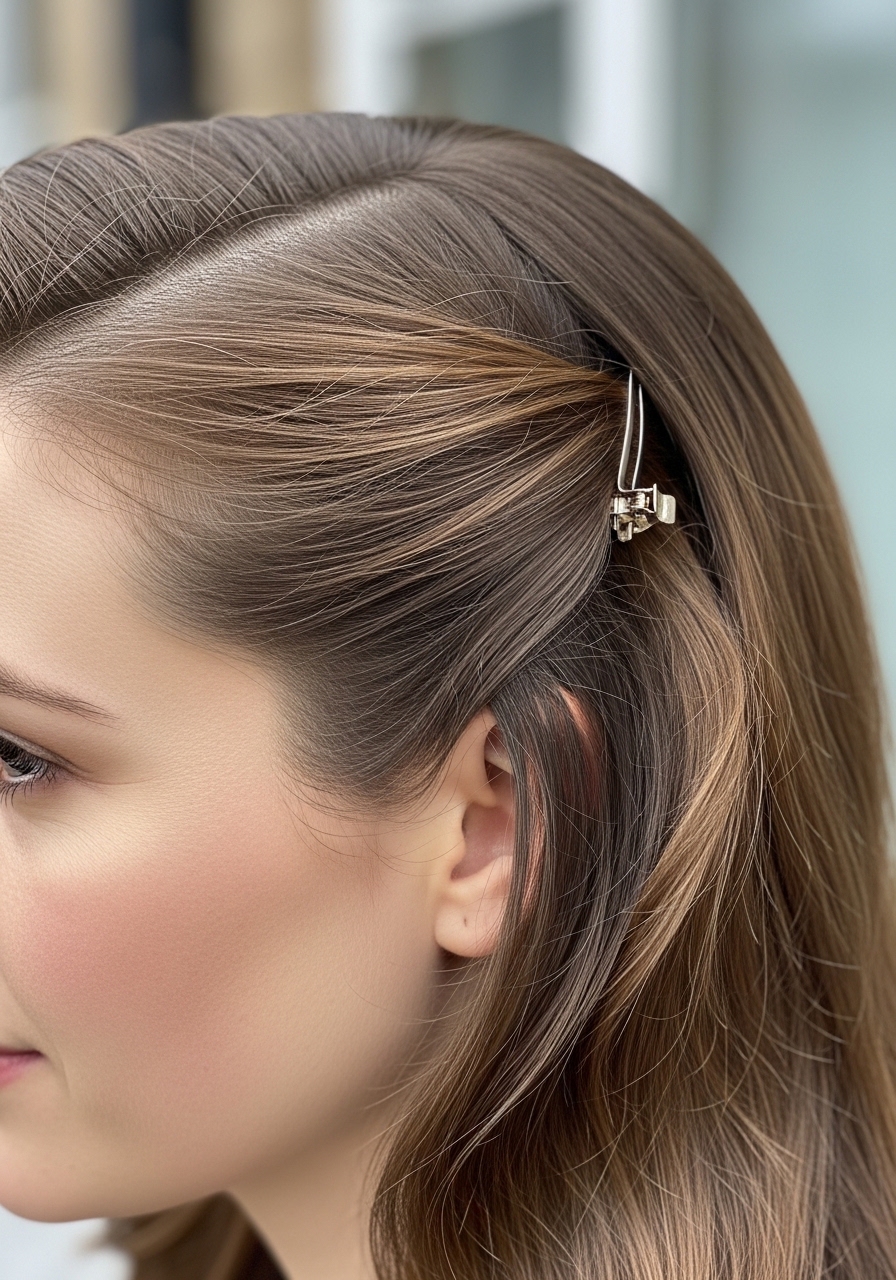
I wear a side-swept 1940s style when I want a simple, put-together look. I ask for a deep side part and a soft roll at the temple, pinned with a small barrette. Once I used a heavy clip and it pulled the hair down. Lightweight clips are my fix.
All day it feels tidy and slightly glamorous. In humidity the front softens but still reads deliberate. It works on most textures; curly hair may need smoothing at the rolled section.
Practical tip: pick a barrette that matches your hair weight. Mine used to slide until I switched to textured metal.
11. Barrel Curls Cascading Over Shoulders
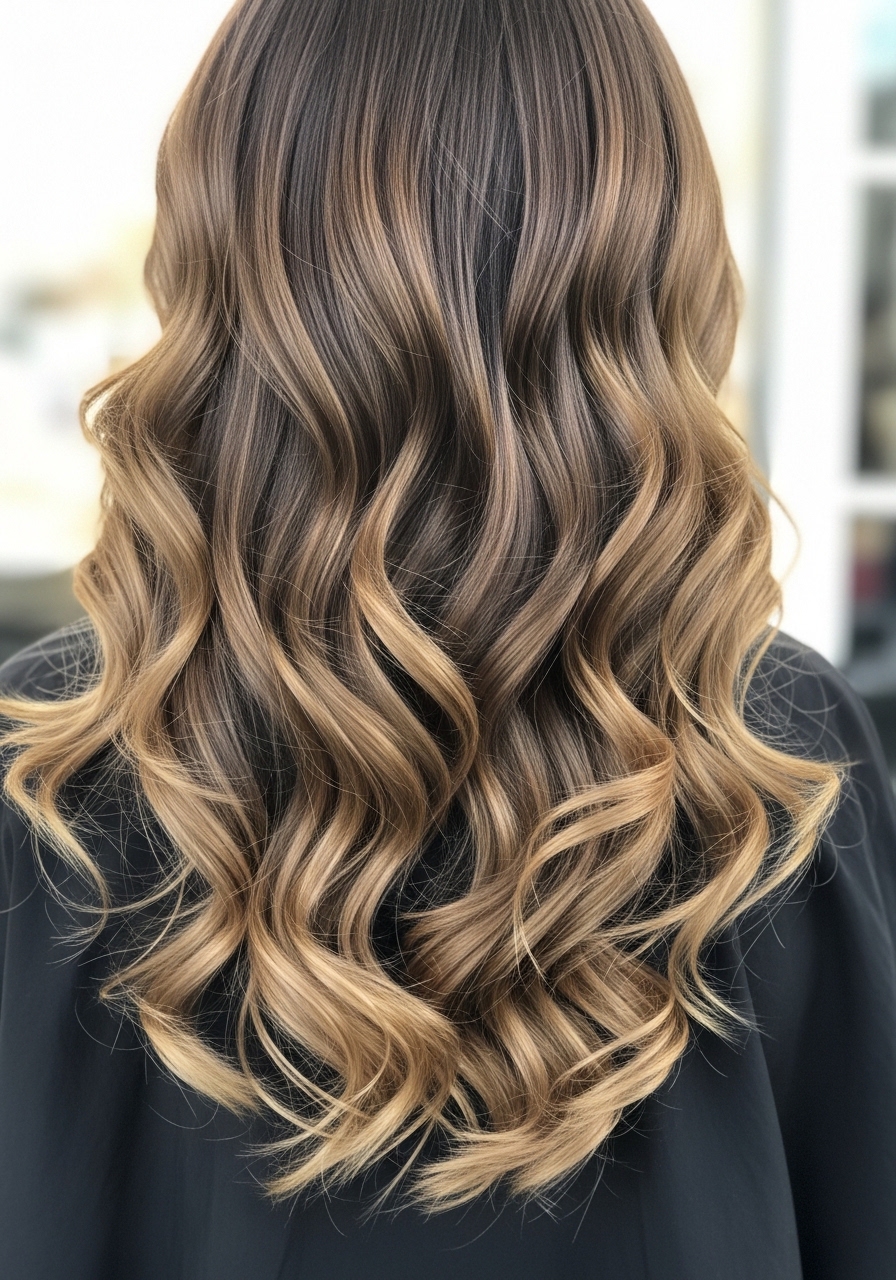
I booked barrel curls for a weekend event and kept them the whole week. I asked for uniform, big-diameter curls from mid-length. My first mistake was brushing them out too soon; they lost their shape. Now I let them set and only separate with fingers.
In everyday wear the curls relax into soft barrels that still have spring. Heavy hair loosens faster; lighter hair keeps the shape. I sleep with a loose braid and that helps maintain the curl definition.
Stylist tip: request clips while curls cool. I learned that letting them cool in place matters more than the initial curl size.
12. Half-Up Victory Roll Halo
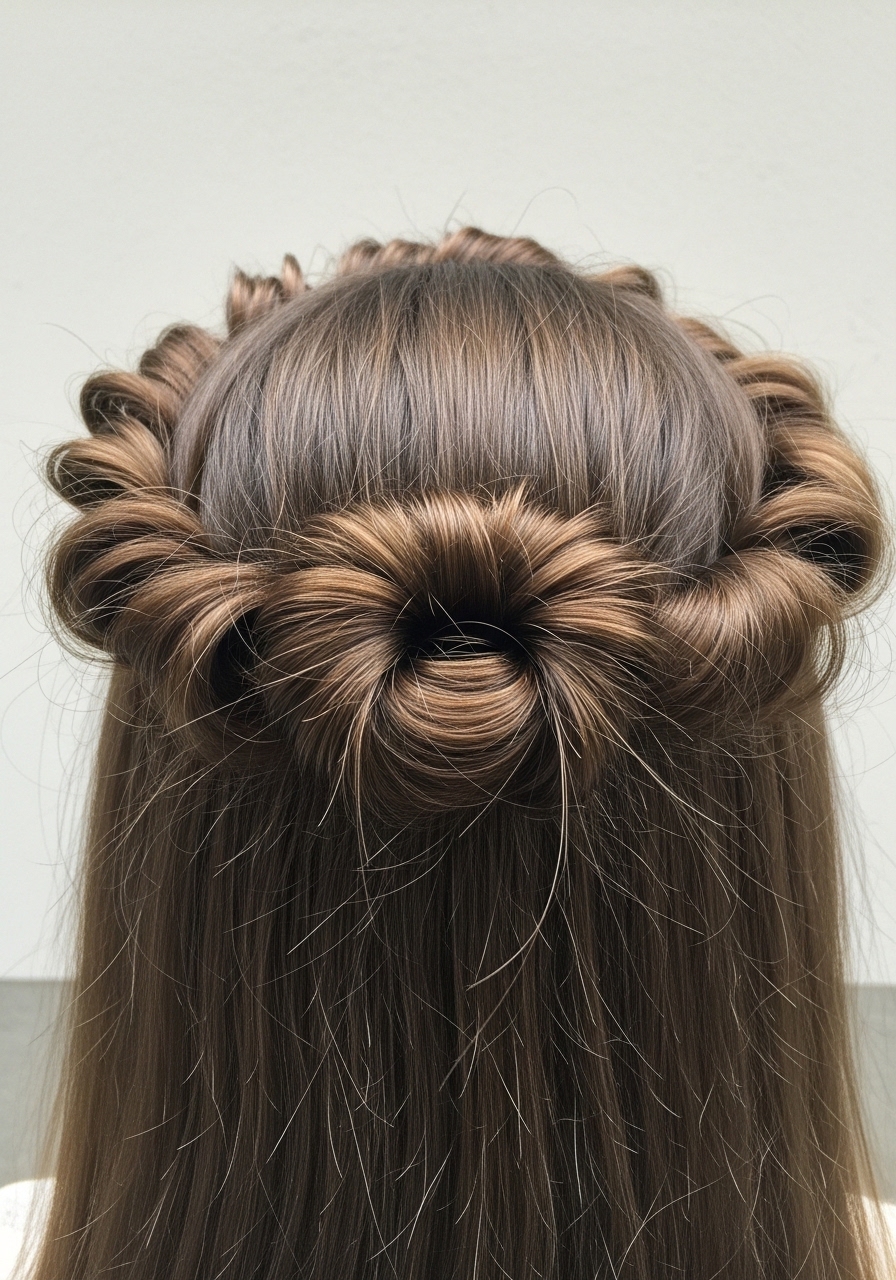
I sometimes want the roll look without the full commitment. I ask for small victory rolls that form a halo while the rest of my hair stays down. My first attempt used too-high rolls and felt dated. Lowering them made the whole style wearable.
It holds through the day and looks good after running my hands through it. On windy days the rolls can loosen; a discreet pin solves that. Fine hair needs padding to lift the rolls; thick hair needs fewer pins.
Real trick: ask for "two small rolls, soft edges." That keeps the style modern and comfortable.
13. Soft Flipped Ends and Curtain Bangs
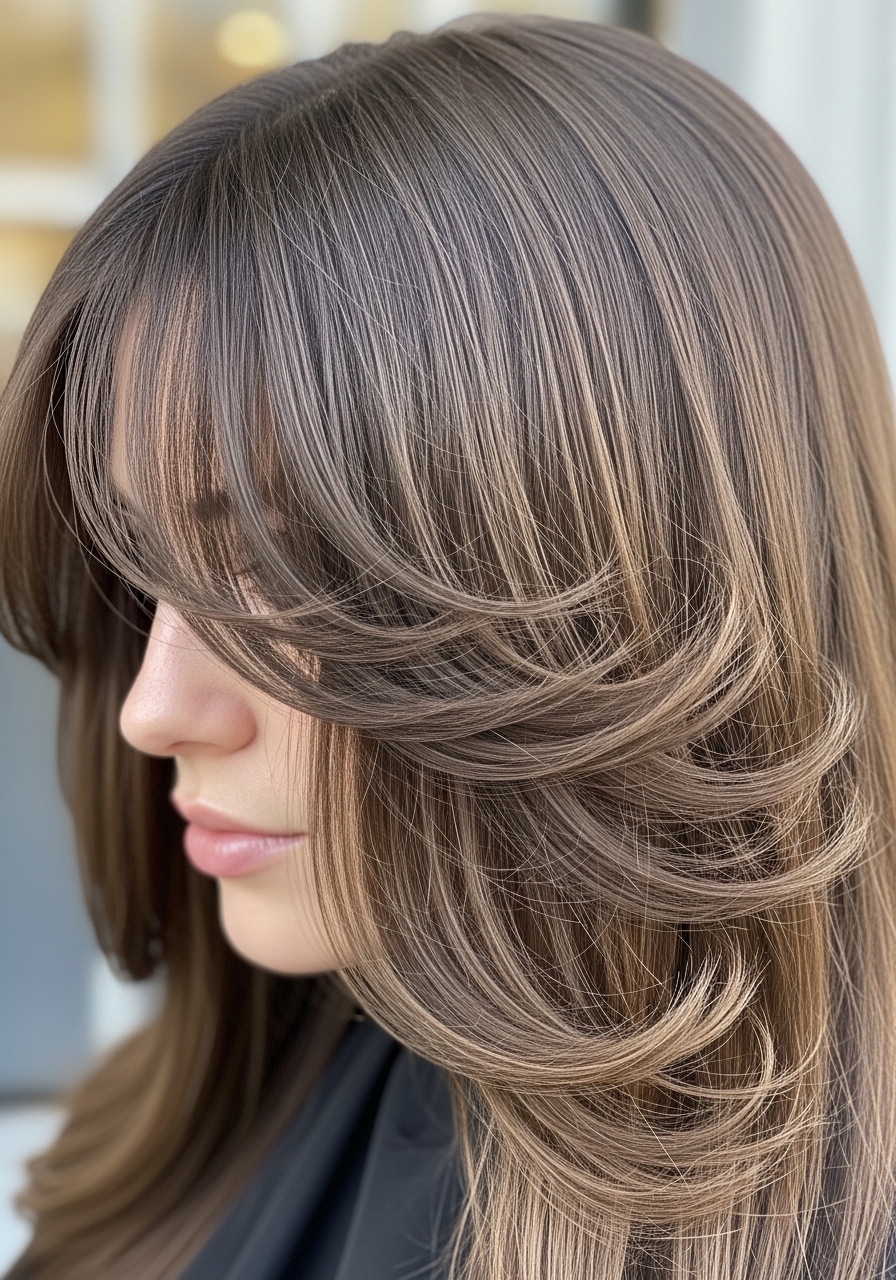
I got bangs and was scared. I asked for curtain bangs and soft flipped ends so the look felt vintage and fresh. My early mistake was cutting bangs too short. They grew into a flattering frame, but I learned to ask for longer initial length.
Throughout the day the flips move with me. On humid mornings the flips relax into a gentle wave. Works best on straight to slightly wavy hair. Curly hair will need more smoothing to get the flipped look.
Salon line: “long curtain bangs, soft flip at the ends.” That got me the exact look without a sharp line.
14. Braided Crown with Rolled Nape
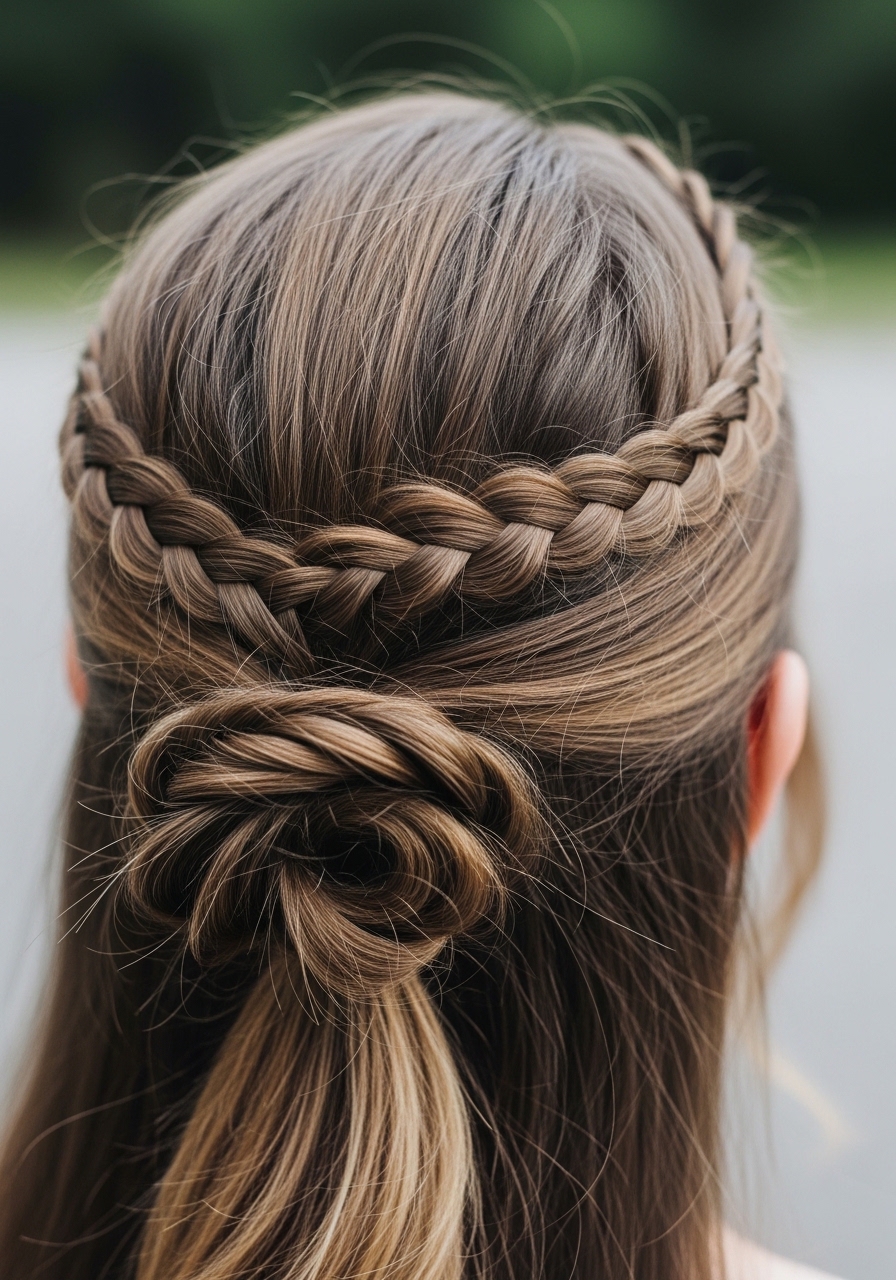
I like a braid because it feels structured but loose. I asked for a crown braid that flows into a rolled nape. At first I braided too tightly and it looked severe. Loosening the braid gave a softer, vintage halo.
It holds well during long days and keeps hair off my face. On thick hair the roll at the nape needs careful pinning; on thinner hair I add padding to keep volume. After dancing the braid loosens in a flattering way.
Honest tip: ask the stylist to leave a couple of long tendrils. They make the braid read relaxed instead of formal.
15. Polished Low Pony with a Rolled Wrap
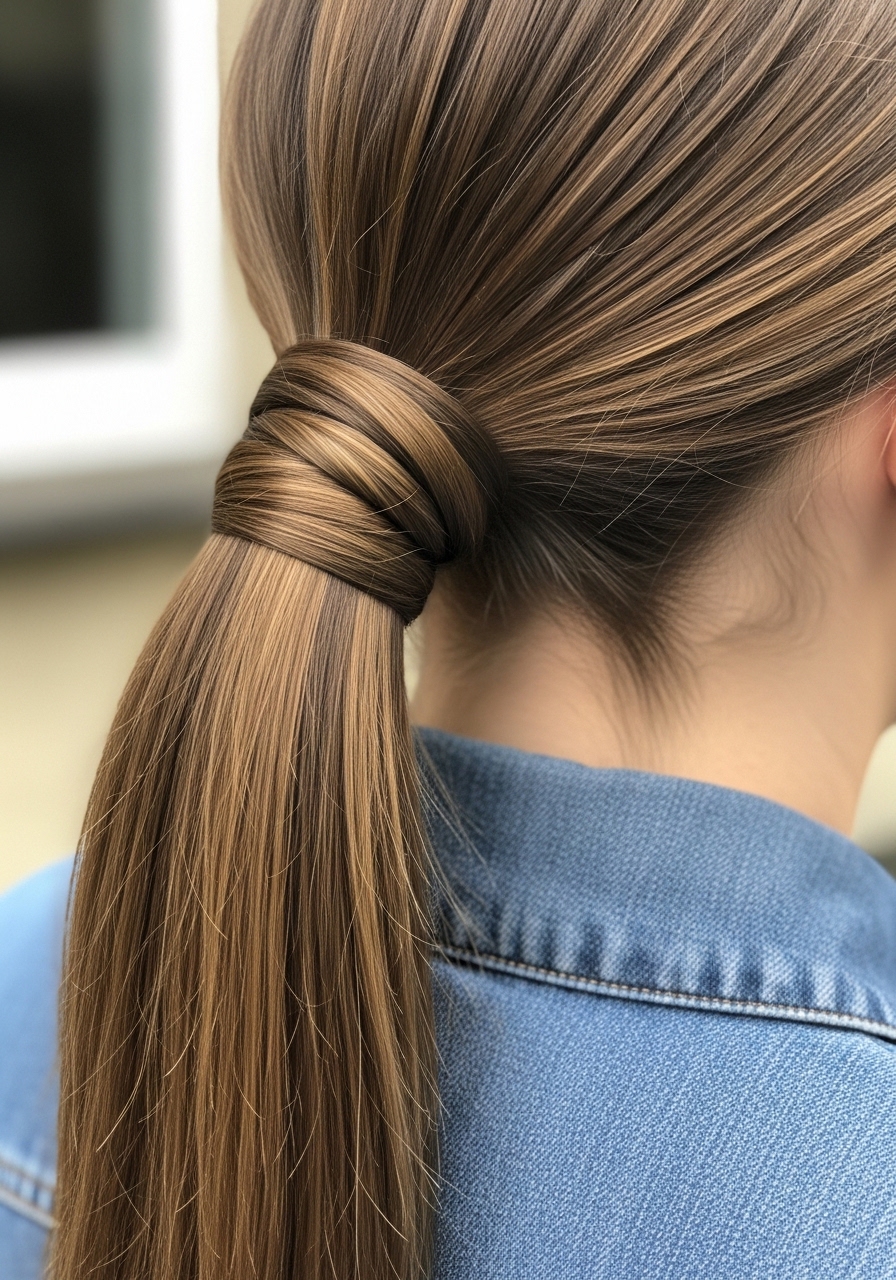
I wore a rolled-wrap pony to a rehearsal and it felt both vintage and clean. I asked for a low pony with a piece of hair rolled around the base. My first attempt had the wrap too small and it popped loose. I now pin the wrap discreetly inside.
In daily life the pony stays sleek if I smooth the sides first. Curly hair needs straightening on the band area; straight hair holds naturally. This look survives humidity better than you'd expect if you use a smoothing milk.
Stylist note: ask for a generous piece to wrap. I learned that a short wrap looks like an afterthought.
16. Retro Headscarf Wrap with Volume at the Crown
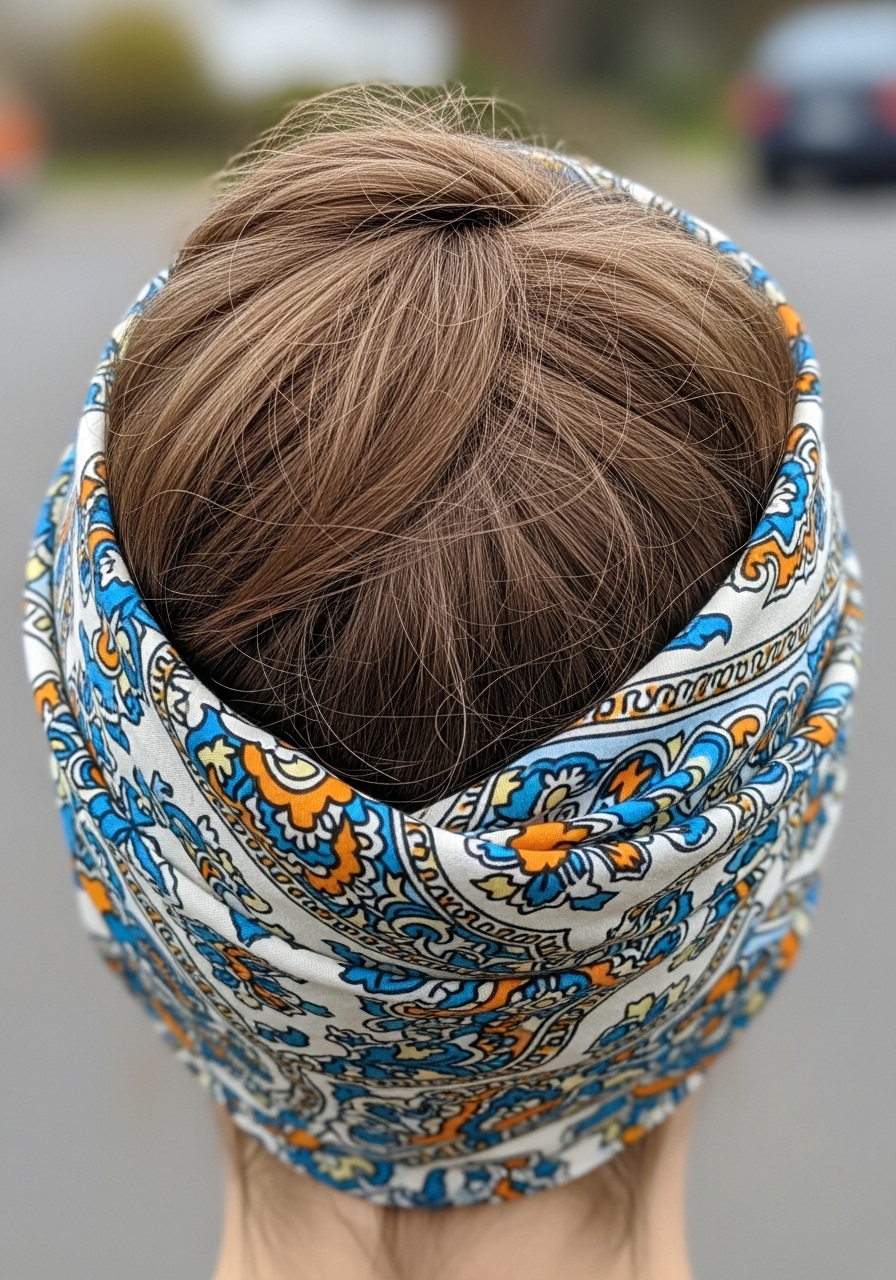
I throw on a headscarf when I want instant vintage vibes. I ask for a little crown lift and tuck the rest under the scarf. Once I wrapped it too tight and flattened the volume. Now I pad the crown slightly before tying.
This holds through errands and sweaty commutes. The scarf hides any messy second-day texture and makes long hair feel styled. Works on all textures; curly hair peeks out charmingly.
Practical advice: bring a thin comb to fluff the crown after tying. I used to skip that and lost the intended silhouette.
17. Textured Gibson Knot with Loose Nape Pieces
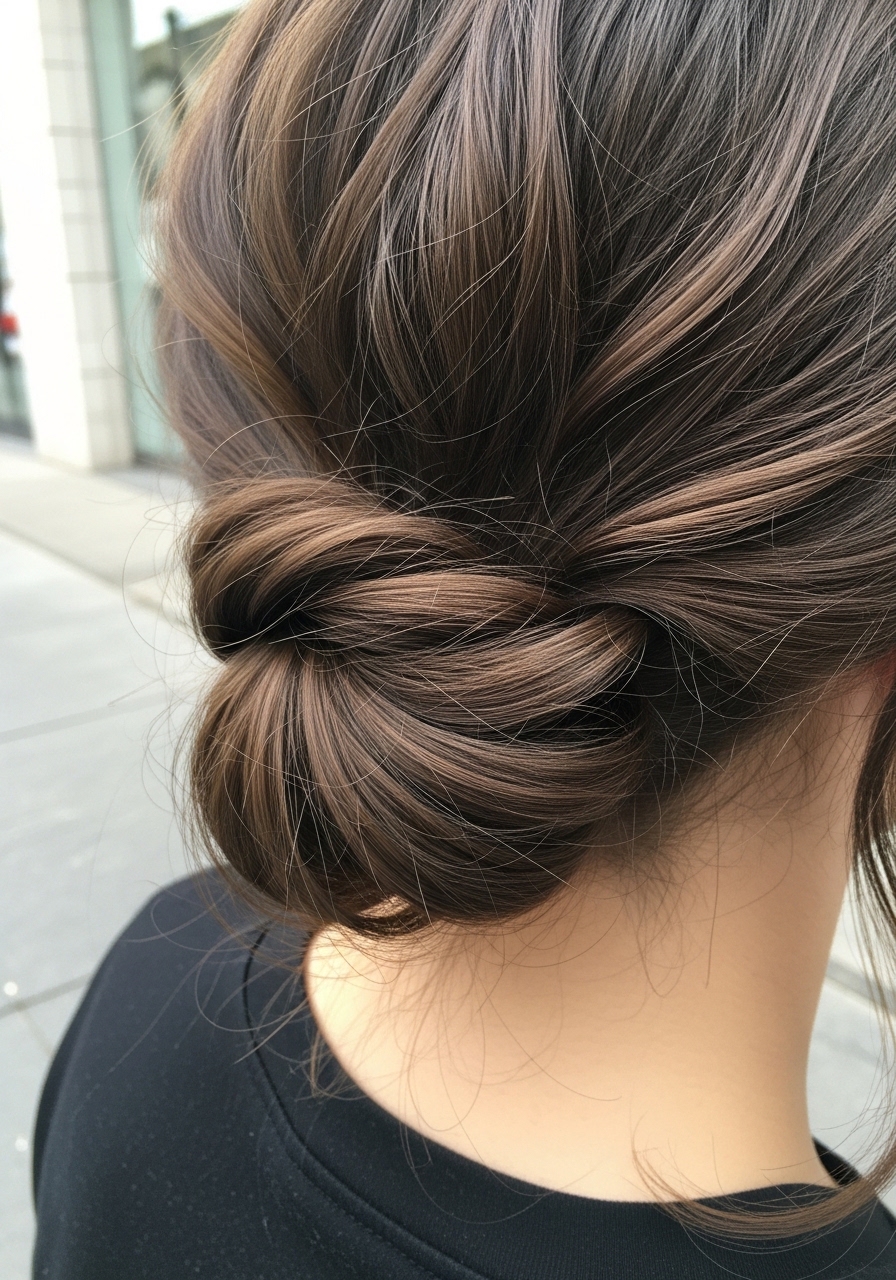
I like a Gibson knot because it feels like an old note passed along. I asked my stylist for texture through the mid-lengths before knotting. My first knot was too tight and looked stiff. I loosened it and let nape pieces fall free.
This style wears well and looks better as the day goes on. On fine hair I add a bit of dry shampoo for grip. On thick hair I twist more than once to keep the shape.
One insight: ask for “soft, undone knot” not “neat bun.” That phrasing got me the relaxed vintage look I wanted.
18. Long Finger Waves with Deep Sideswept Sweep
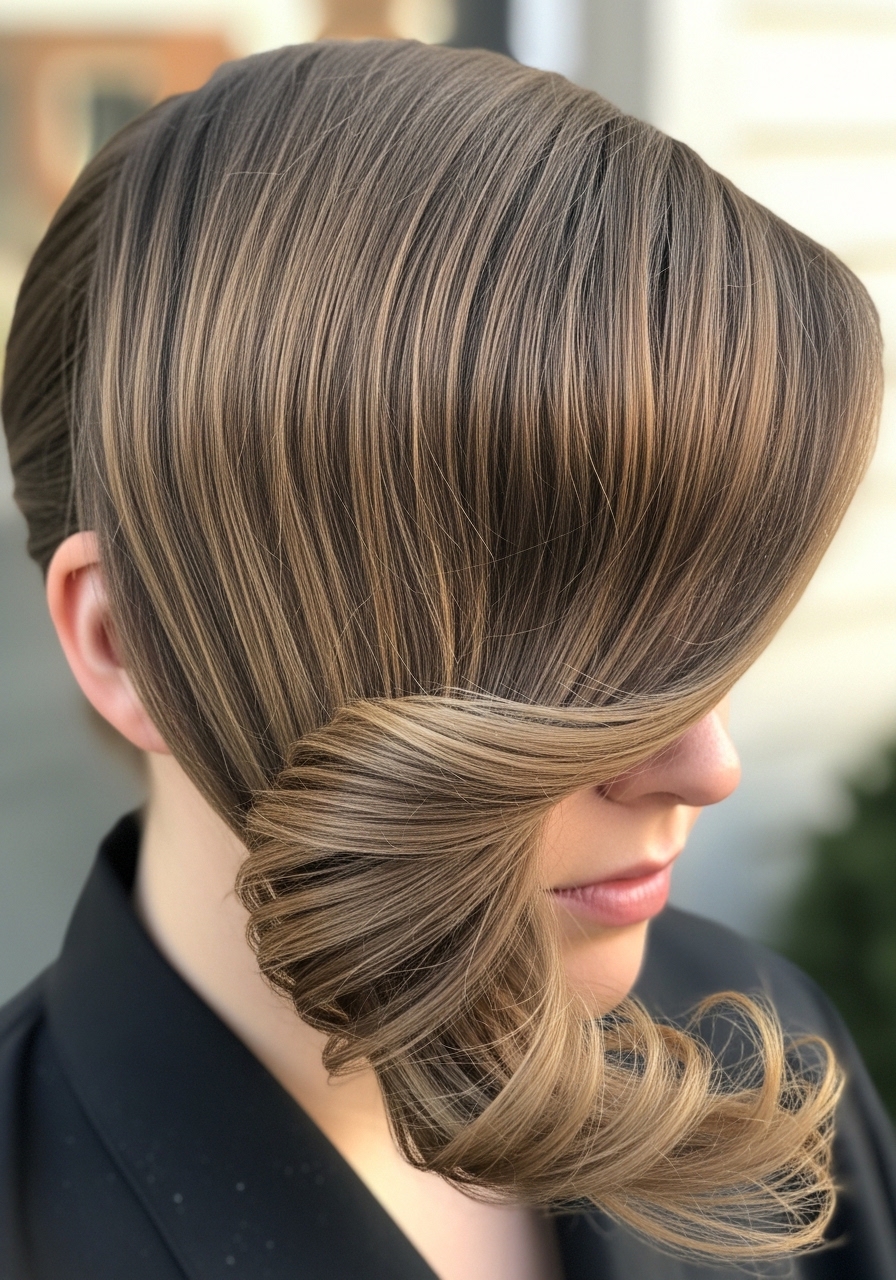
I returned to finger waves with a sideswept finish. I asked for defined waves that flow into one big sweep down the shoulder. My mistake early on was overlapping too many waves and creating bulk near the ear. My stylist thinned the area and it sat right.
On most days the sweep stays in place with a clip. If I sleep on it, the waves soften but still read intentional. Works best on straighter textures or wavy hair that’s been smoothed.
Stylist cue: request waves with "space between rows" so the sweep moves instead of stacks. That changed the whole look for me.
19. Rolled Fringe with Long Flowing Back
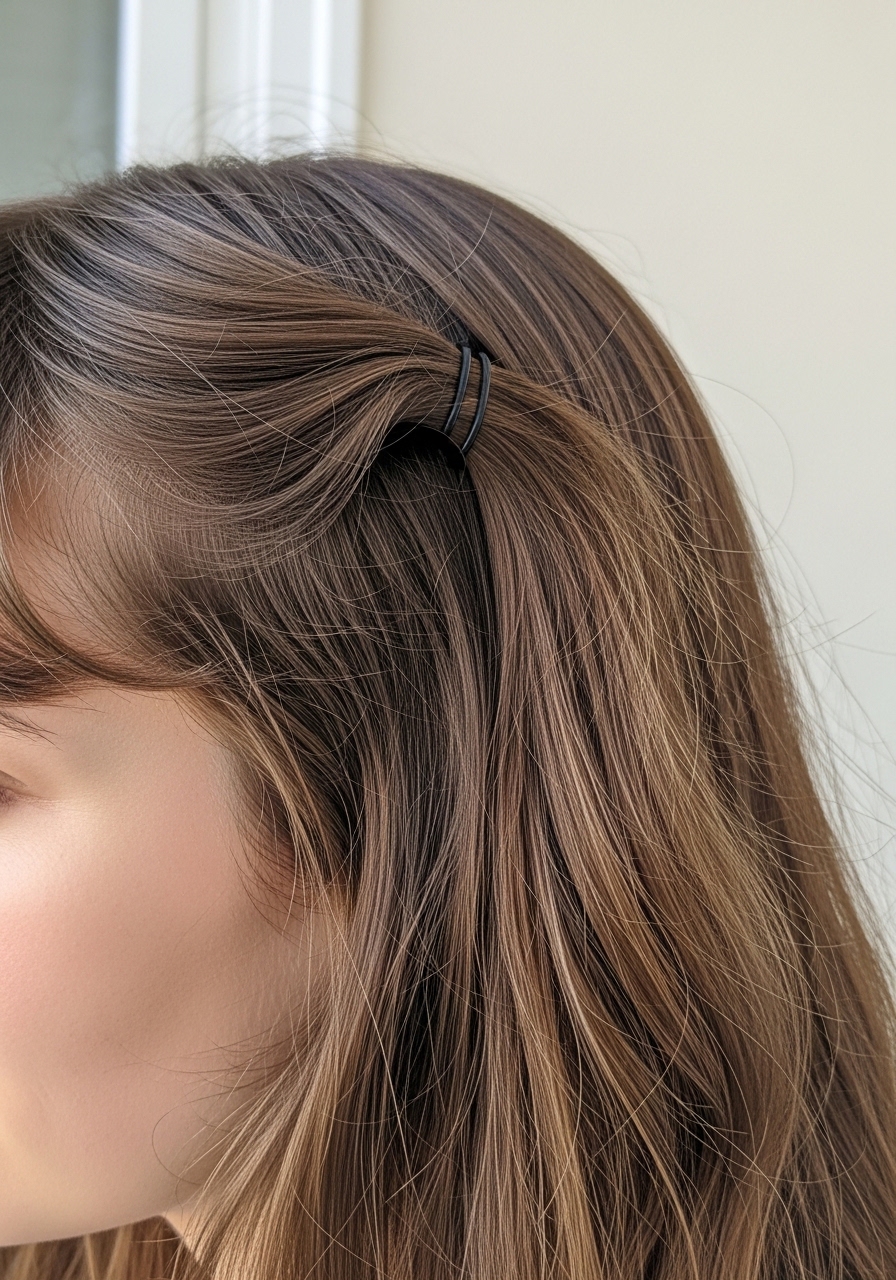
I added a small rolled fringe once and it became my favorite detail. I asked for a short roll just at the hairline and the rest left long. My first roll was too heavy and hid my forehead. Trimming and softening the roll helped balance my face.
Throughout the day the fringe keeps its curve but relaxes at the edges. On humid days the roll softens into a gentle wave. Fine hair needed a touch of mousse to hold the shape.
Salon phrase: “delicate roll, not a full bang.” That produced a light vintage nod without commitment.
20. Low Retro Knot with a Twist and Shine
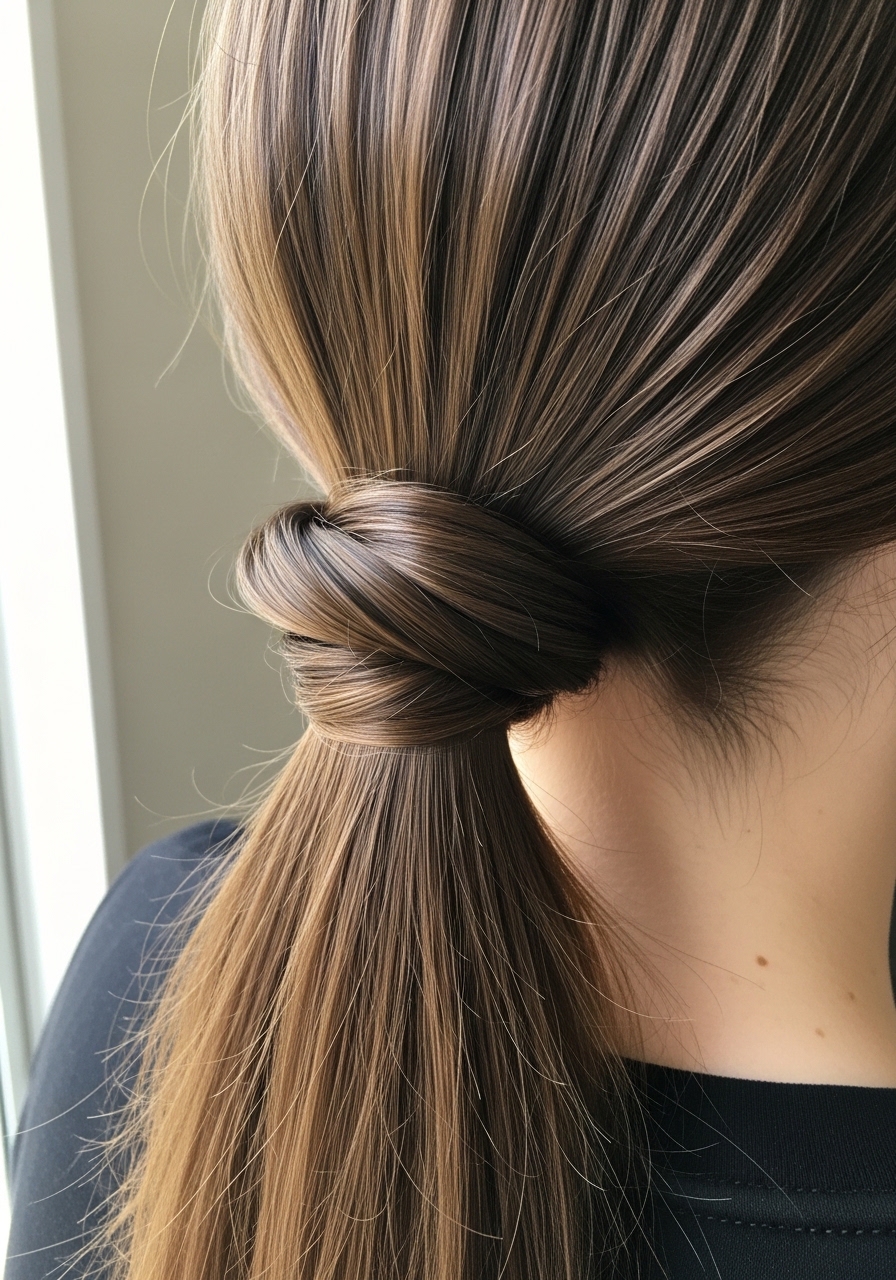
I like a low retro knot when I want structure with polish. I ask for a single twist that ties into a small knot at the nape, finished with a light shine spray. Once I used too much oil and it looked flat. I now use a mist that adds sheen without weight.
This knot survives long meetings and walks. On thick hair it sits heavier and needs a stronger pin. On fine hair the knot can look delicate and airy.
Final tip: ask for “low twist with shine, not heavy oil.” That line kept the finish clean and wearable for me.