I fought with limp lob after limp lob. I grew out cuts that meant more mornings with dry shampoo than style.
Then I learned small changes matter. The right length, the right edge, and one easy styling habit made a lob wearable for my fine hair.
20 Fast Best Lob Haircuts For Fine Hair
These 20 fast lob ideas are the exact looks I tried and kept. They’re simple to explain at the salon and easy to wear day-to-day. I tested each one on fine hair and noted what actually holds up — 20 specific lob ideas below.
- Blunt Collarbone Lob with Slightly Rounded Ends

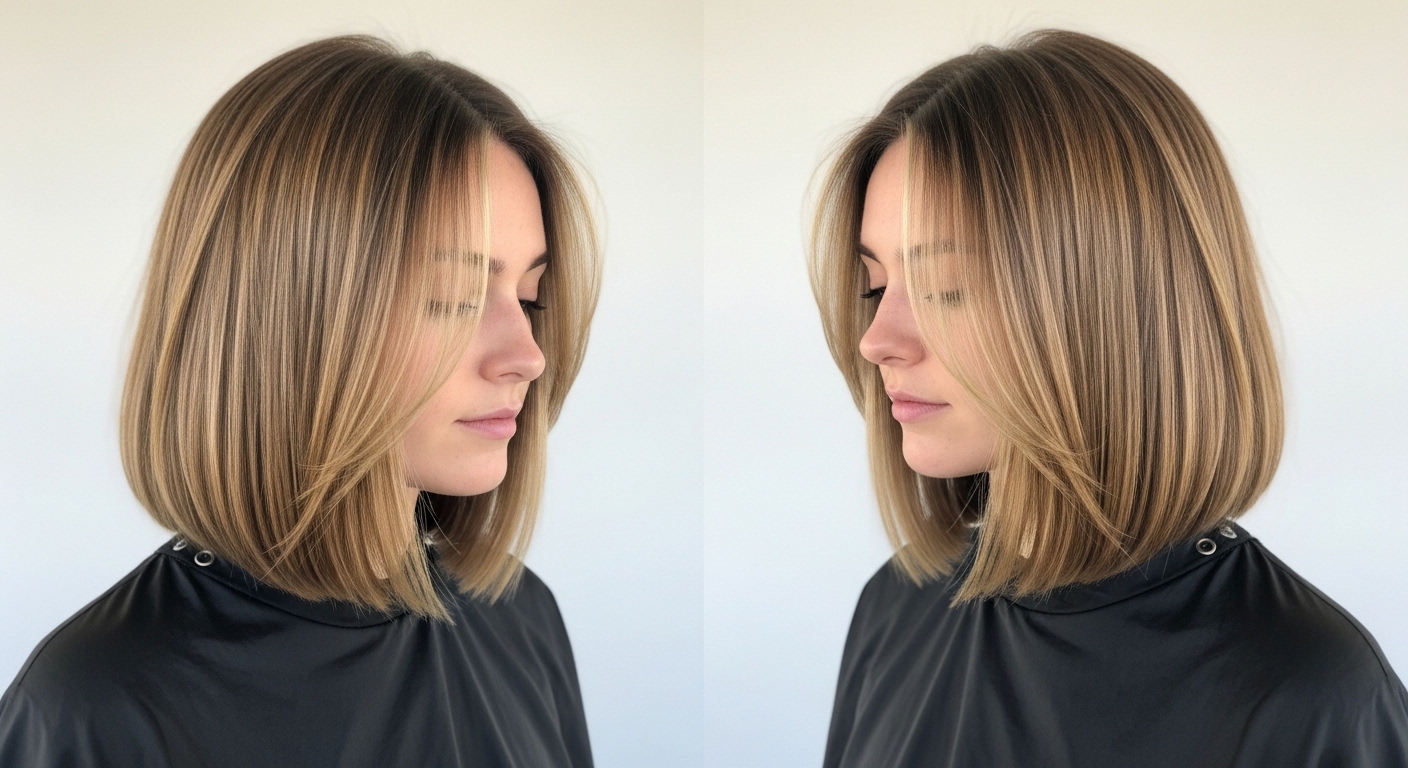
I asked my stylist for blunt ends that hit my collarbone. It looked so crisp in photos. In real life it gives the illusion of thicker hair at the ends.
The rounded corners stop it from looking boxy. My hair still moves. It lays flat when humid, but the weight hides limp roots.
Tell your stylist to avoid internal thinning near the ends. I blow-dry with my head down for volume and finish with a mist of sea-salt spray. Small mistake I made: too much product flattened the blunt line. Use less.
- Long Lob with Soft Face-Framing Layers
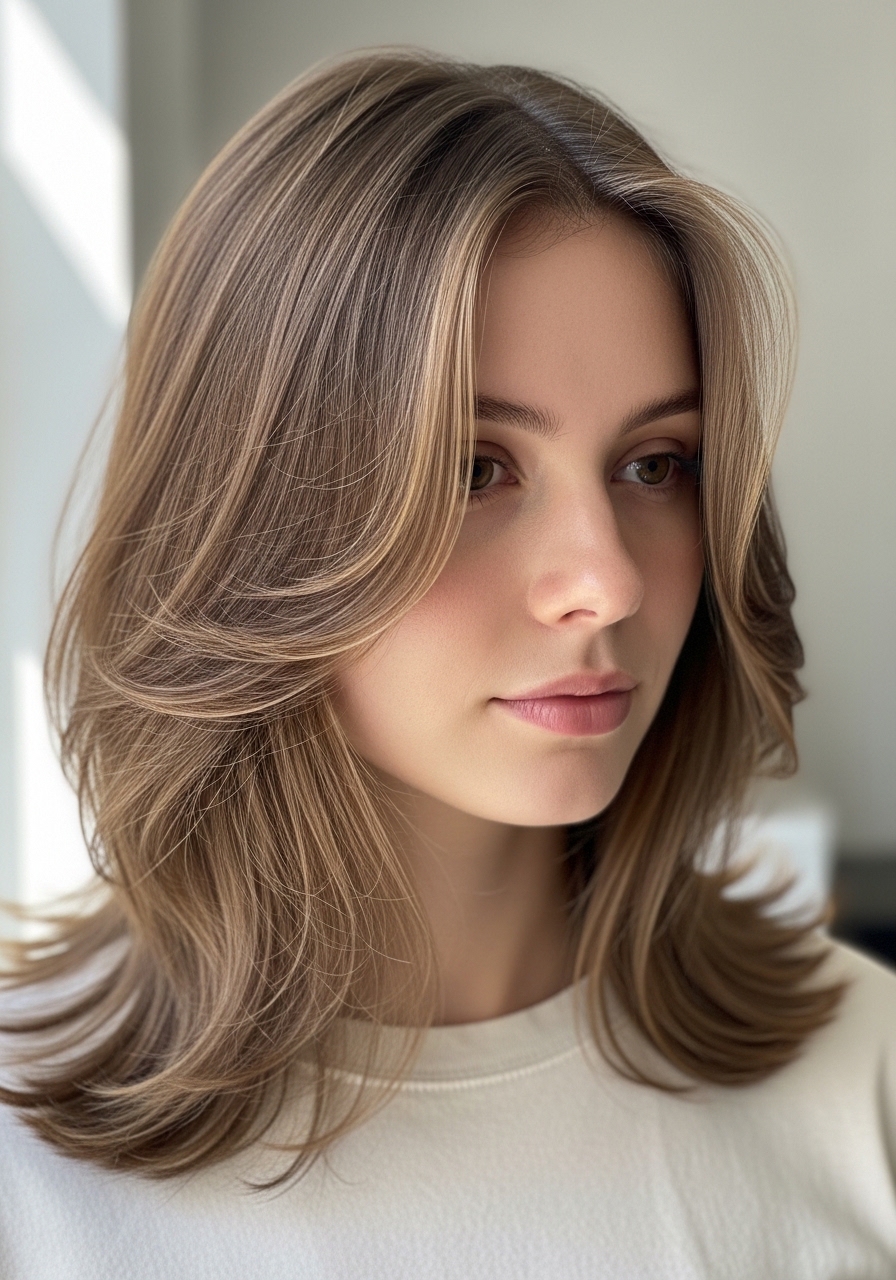
I wanted movement without losing length. I asked for subtle face-framing layers only near the front. It softens my cheekbones and stops the lob from looking lifeless.
In photos it reads layered. In my life it keeps a clean silhouette while letting the front pieces bounce when I turn. It suits fine hair that’s straight to slightly wavy.
I tell stylists: "Layer just two inches in front, blend into the ends." I dry with a round brush at the roots. Pro tip: don’t ask for lots of layers or it will thin your ends.
- Slightly A-Line Lob for Natural Lift
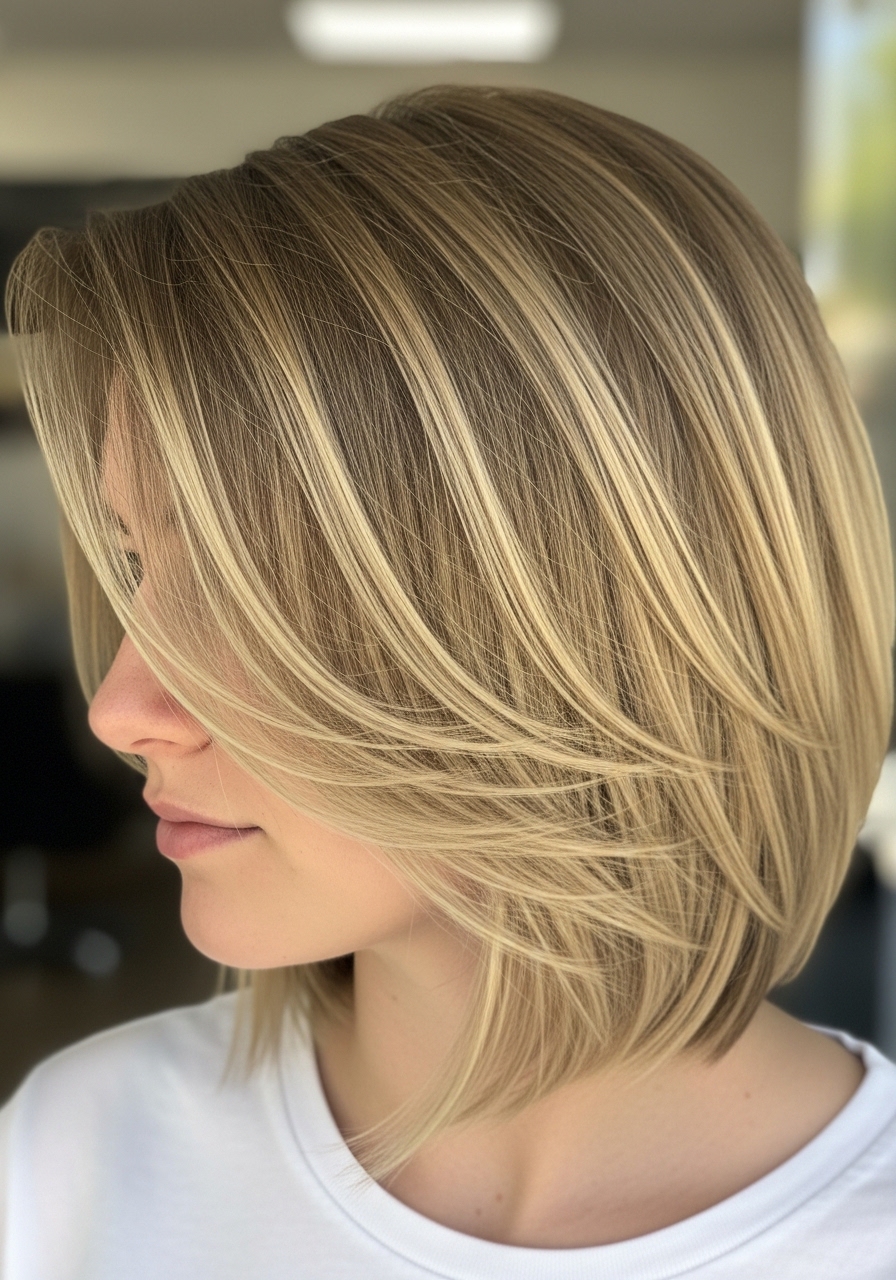
I tried an A-line when my hair felt flat. The front sits a touch longer and frames my face. It tricks the eye into seeing more fullness up front.
It’s low-maintenance. My hair still flips under after a day, but the angled shape keeps it flattering. In humidity it softens but doesn’t go limp.
My styling insight: ask for a very subtle angle, not dramatic. I learned the hard way — too steep an angle looked heavy. I blow-dry lifting at the crown and use a light foam for hold.
- Blunt Lob with Micro-Bangs
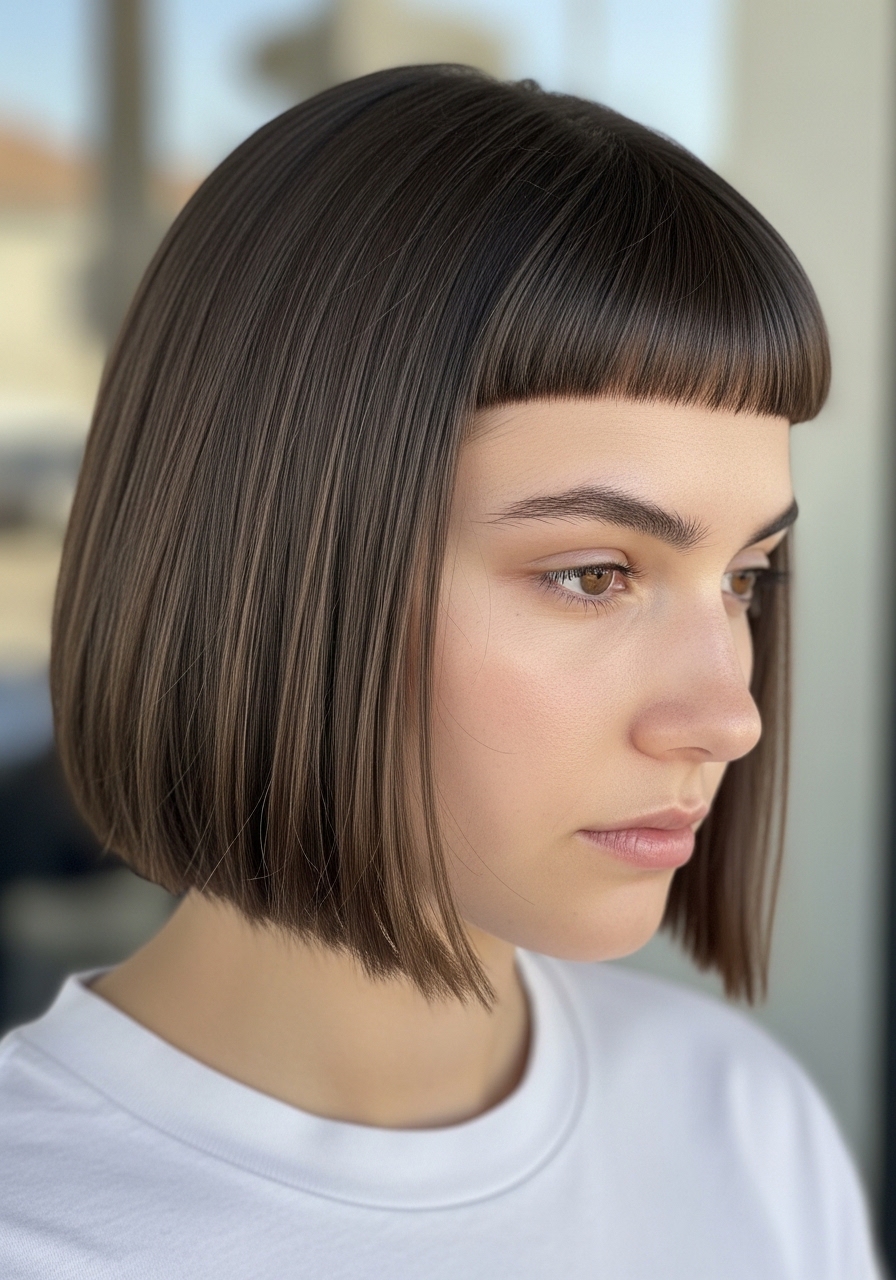
I did micro-bangs because I wanted an edge. They’re short and blunt but thin enough not to swamp my forehead. The lob balances the look.
In reality the bangs need trimming every 3-4 weeks. My fine hair lets bangs lie flat, which I like. They add interest without bulk.
Tell your stylist to keep bangs soft and thin at the tips. I brush them with a small round brush while blow-drying. Small mistake: I once over-textured the bangs and they went too wispy. Don’t go too far.
- Collarbone Lob with Internal Texturizing

My stylist used internal texturizing to remove weight without chopping length. It made my lob feel lighter and breathe more.
In real life it keeps shape for two days. It can get stringy if I use heavy cream. It’s best for straight or slightly wavy fine hair that needs lift.
I tell the stylist: "Light internal texturizing, not surface razoring." My mistake was letting them texturize the ends too much — it lost shape. Use a light mousse and rough-dry for volume.
- Blown-Out Lob with Slight Under-Curve
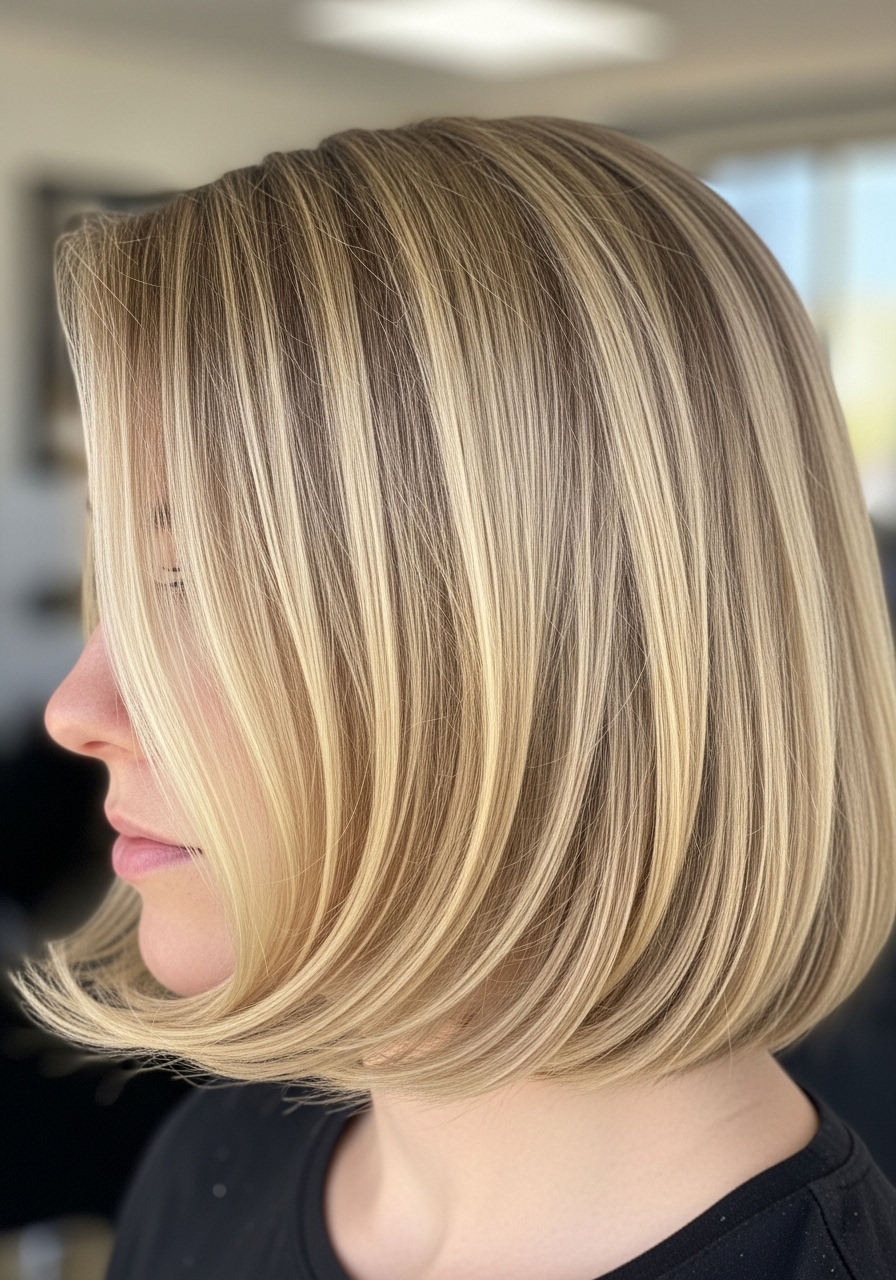
I learned the under-curve trick at a blowout. My lob flipped under just enough to look polished. It reads fuller at the ends and hides thin tips.
It holds best when I use a medium heat and a round brush. After sleeping it flattens, but a quick heat touch-up brings it back. In humidity it softens but keeps the curve.
I ask for minimal layering and a clean edge. My tip: dry roots first, then roll the ends under. One time I over-brushed and lost the curve. Go slow.
- Face-Framing Lob with Long Curtain Bangs

I wanted bangs but not baby bangs. Long curtain bangs blended into the lob and gave me movement without weight. They hide a cowlick at my hairline.
In day-to-day life the bangs separate into a soft curtain. They look good second-day with dry shampoo. Works great on fine, slightly wavy hair.
I tell my stylist to keep the bangs long and feathered. Styling trick: blow-dry bangs with a flat brush and lift at the roots. Small mistake: I once used too much balm and the bangs clumped. Keep them light.
- Textured Lob with Soft Choppy Ends
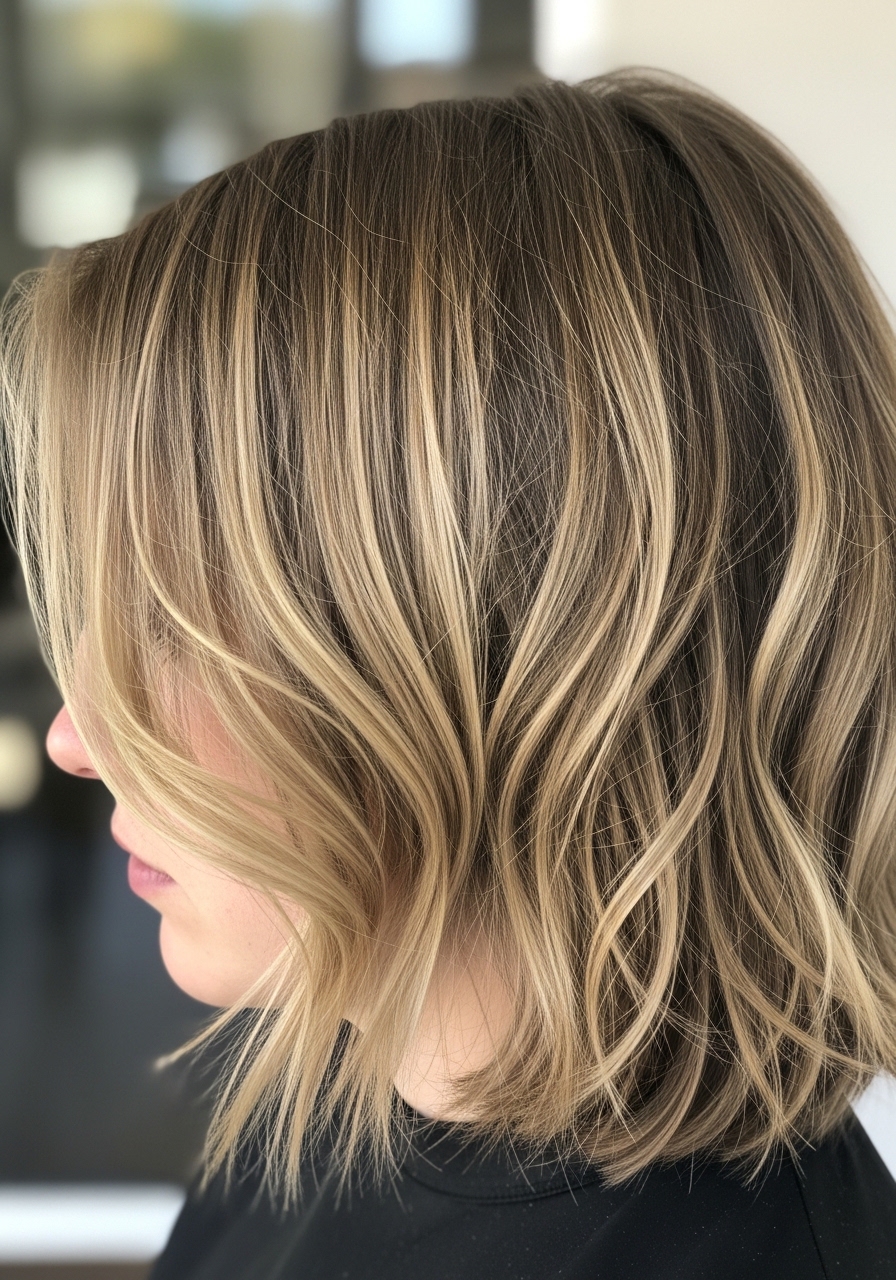
I wanted texture without sacrificing density. My stylist chopped subtle pieces into the ends, giving me movement and an undone look.
It looks great on casual days and for air-dried hair. The texture helps waves hold, but straight styles can look slightly messy if I overuse products.
Tell your stylist to keep the choppiness at the very ends only. I use a 1-inch iron to add gentle bends. Insight: don’t texturize too close to the scalp — you’ll lose visual density.
- Sleek Lob with Deep Side Part
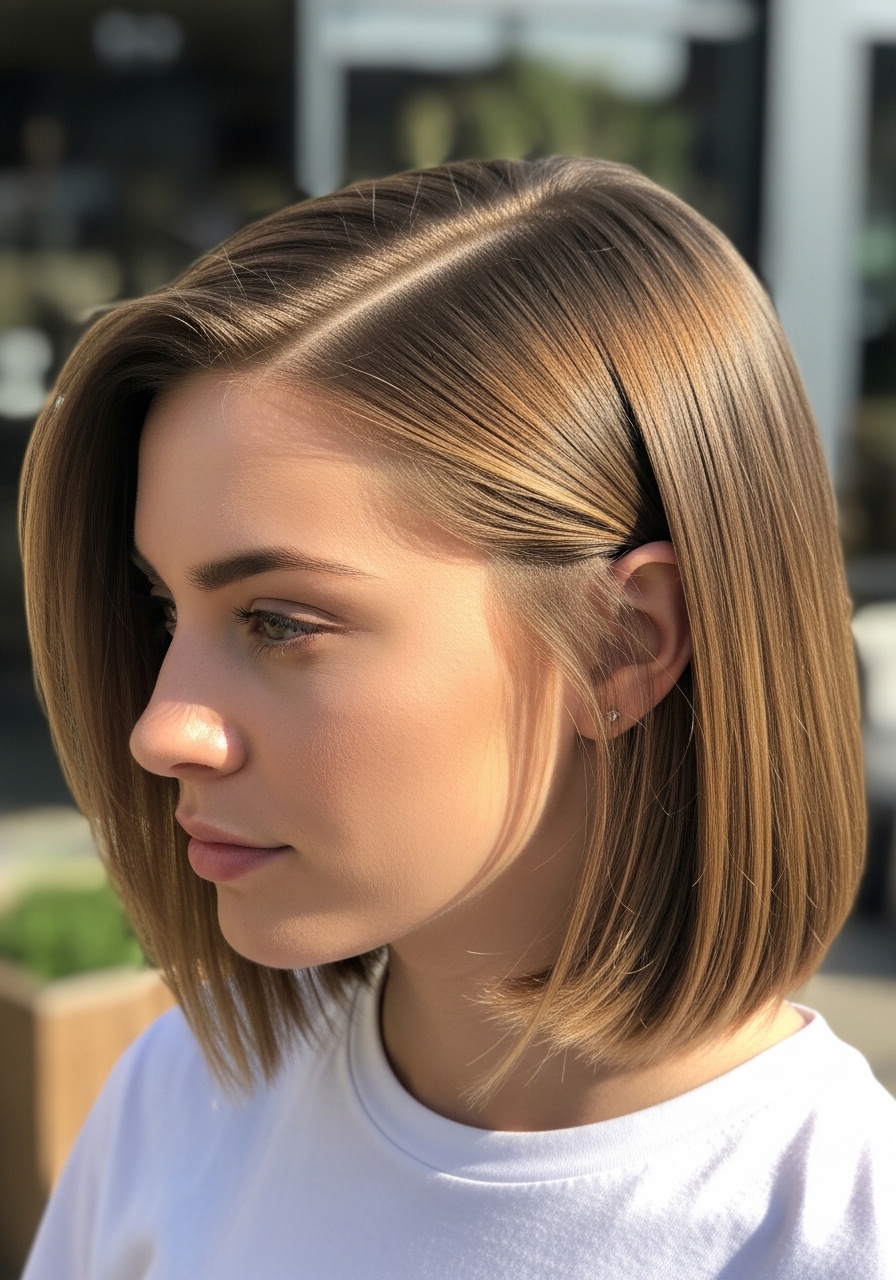
I tried a deep side part to fake volume. It lifts one side and gives my fine hair a fuller look. It’s simple and chic.
In real life it stays polished if I use a tiny amount of smoothing serum. On windy days it can separate. It’s best for straight fine hair or for days when I’m styling intentionally.
I asked my stylist for a clean, blunt line and kept the length even. Tip: dry part into place and finish with cool air. Small mistake: too much serum equals limp hair. Use a dab.
- Beachy Lob with Loose Waves
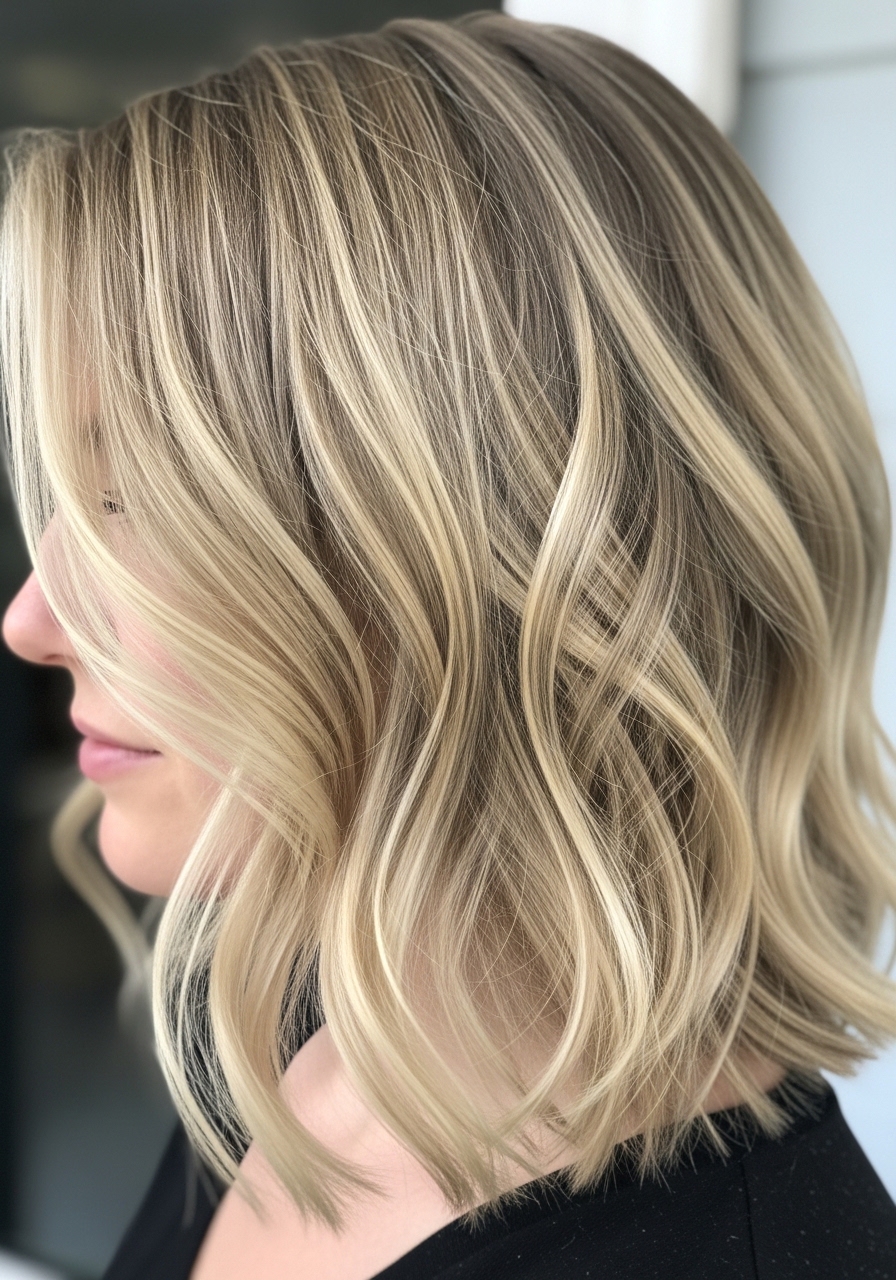
I wanted a relaxed look. Loose waves on a lob add body without weight. I use a large-barrel iron and alternate directions.
It looks lived-in after a day. My fine hair holds a soft wave for 24 hours if I add a light sea-spray. After sleeping, I tousle with fingers and it comes back.
Tell your stylist to leave length and add soft ends. My mistake early on was using too small a barrel — it made the waves tight and thin-looking. Bigger iron, less product.
- Inverted Lob with Subtle Graduations
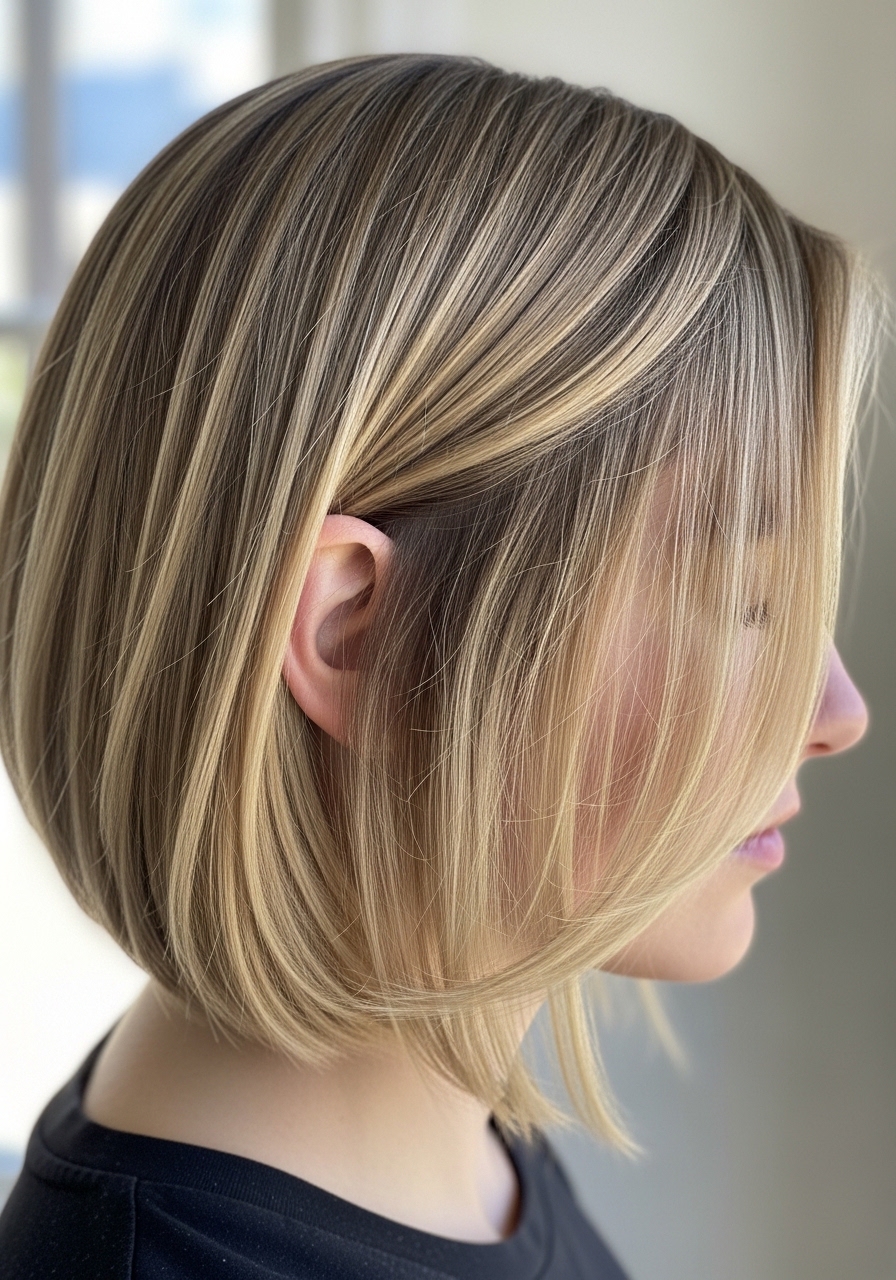
I went inverted but kept the graduation subtle. The back is trimmed shorter, which gives me a faint lift without sacrificing front length.
In reality the short back needs occasional trims. It helps in photos and in real life gives the illusion of more volume at the crown.
I tell the stylist to avoid heavy stacking. I style by lifting at roots with my fingers while blow-drying. Small insight: too steep a drop made my neck look exposed. Keep it soft.
- Soft Layered Lob for Natural Movement
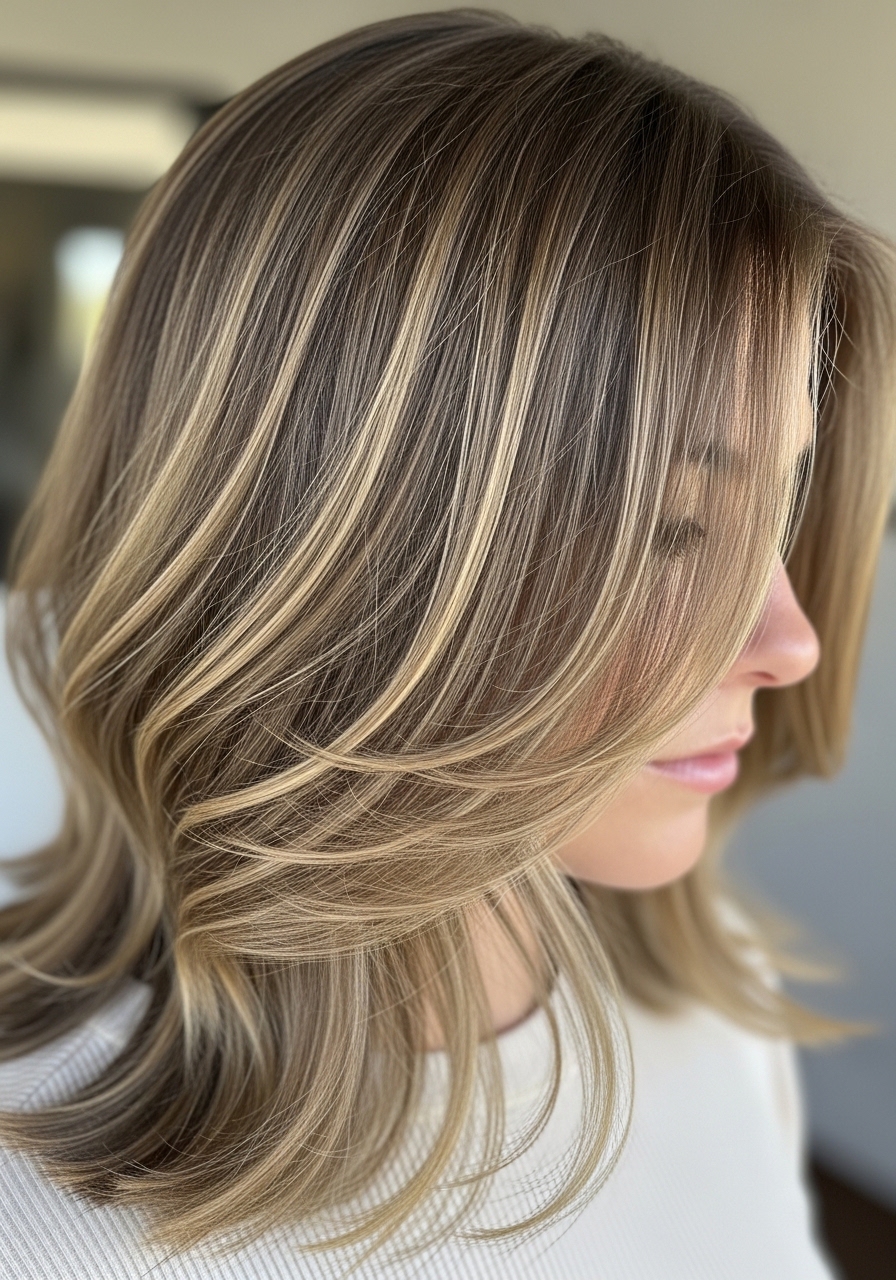
I kept long, soft layers through the mid-lengths. It moves when I turn my head and doesn’t look overly styled.
In daily wear it looks effortless. It suits fine hair that gets greasy quickly because the layers help distribute oil. The shape holds for a couple weeks between trims.
Tell your stylist to cut long layers that start below the chin. I rough-dry and run fingers through for finish. I once asked for too many layers and it thinned my ends — don’t overdo it.
- Lob with Face-Slimming Angled Ends
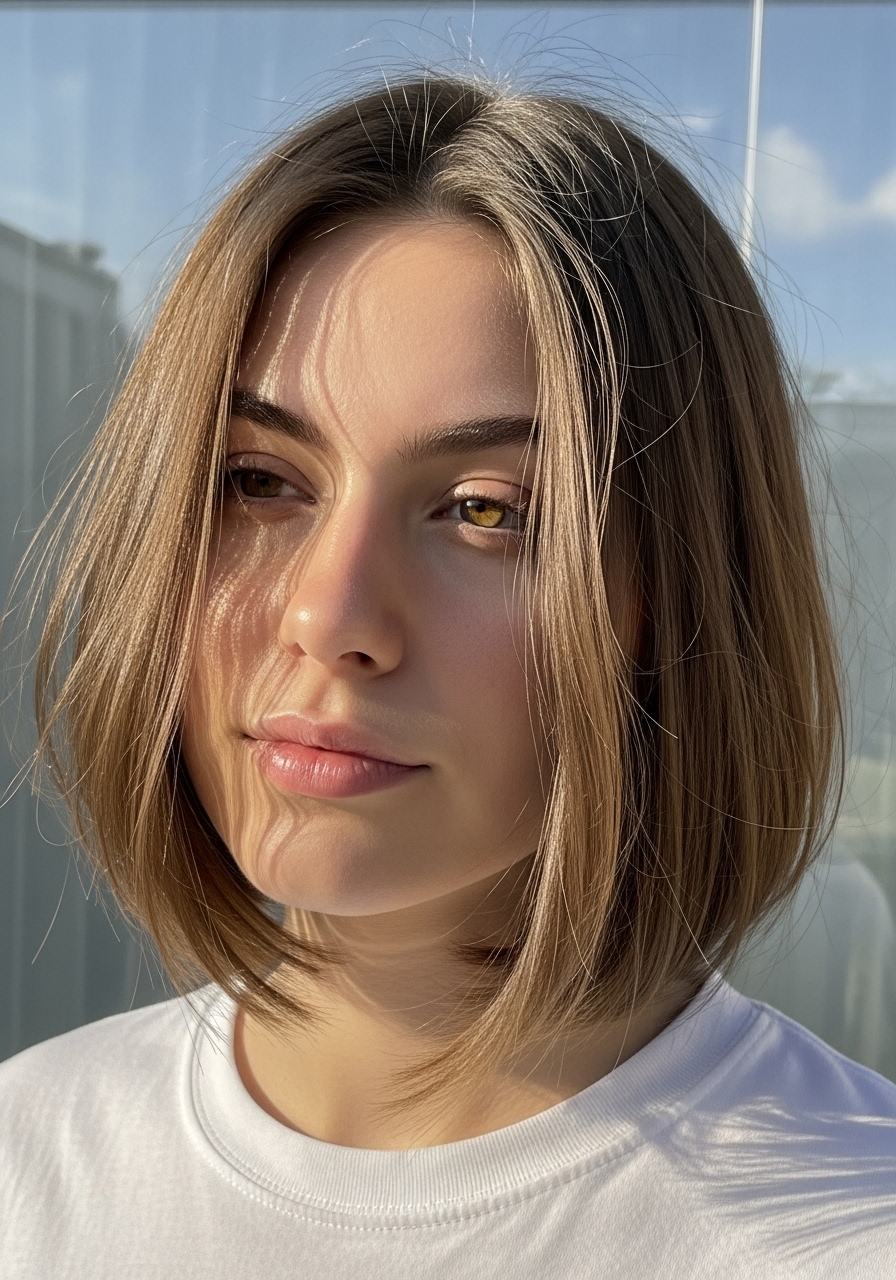
I asked for angled ends that hit my jaw. It slims my face and gives the impression of weight at the tips.
In reality those angles need clean maintenance or they look uneven. Fine hair benefits because the angle creates the look of density at the front.
I tell the stylist: "Angle but keep the edges blunt." I style with a paddle brush and a quick root lift. Small mistake: I once let the front grow too long and lost the framing. Trim on schedule.
- Collarbone Lob with Subtle Highlights
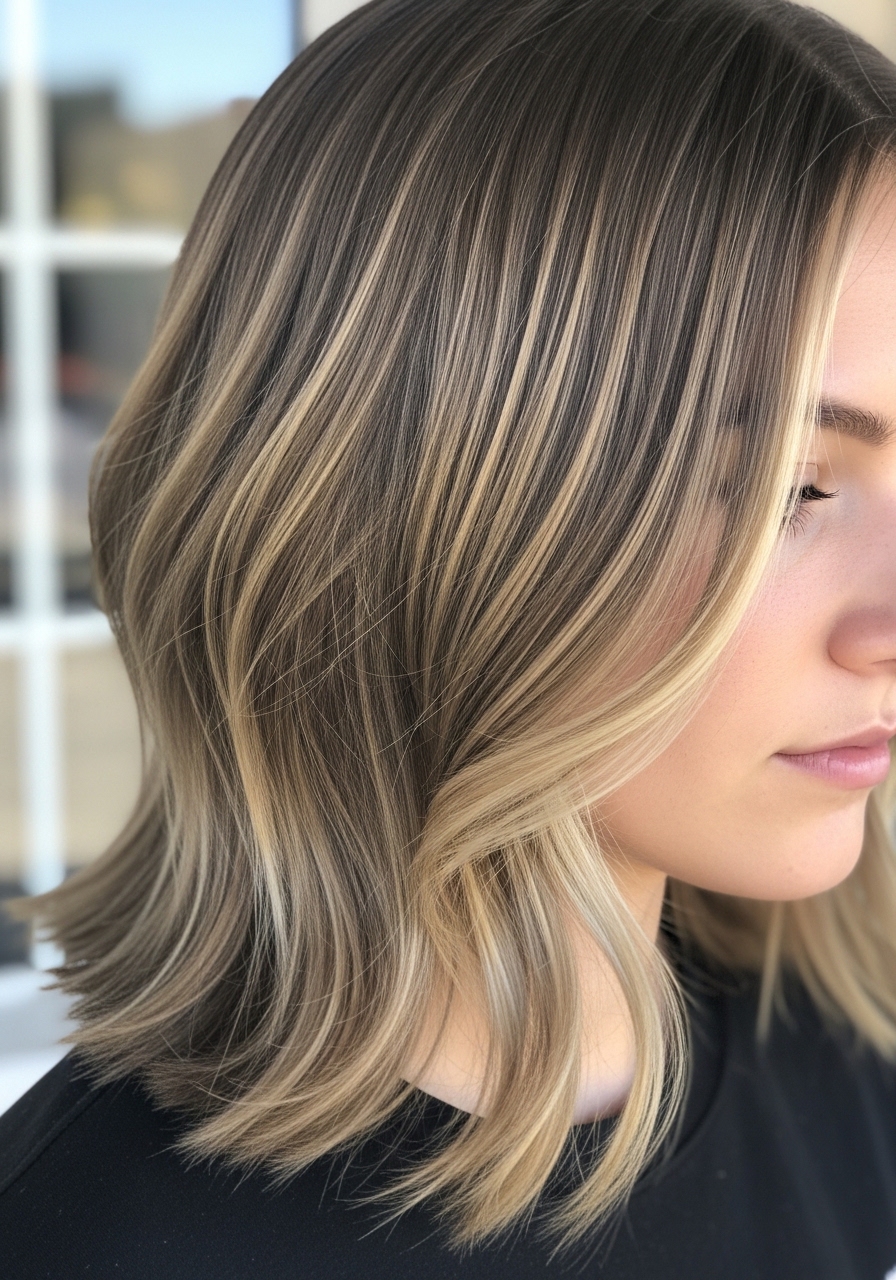
I added subtle highlights to a collarbone lob. The color gives dimension, so my fine strands look thicker from a distance.
It’s low-key in daylight and adds depth around the face. It didn’t make my hair feel drier because I kept the highlights fine and sparing.
Ask your colorist for baby-light highlights and low-contrast tones. I use a lightweight leave-in to keep ends smooth. Avoid heavy full-head color unless you want more maintenance.
- Short Lob with Rounded Ends for Volume
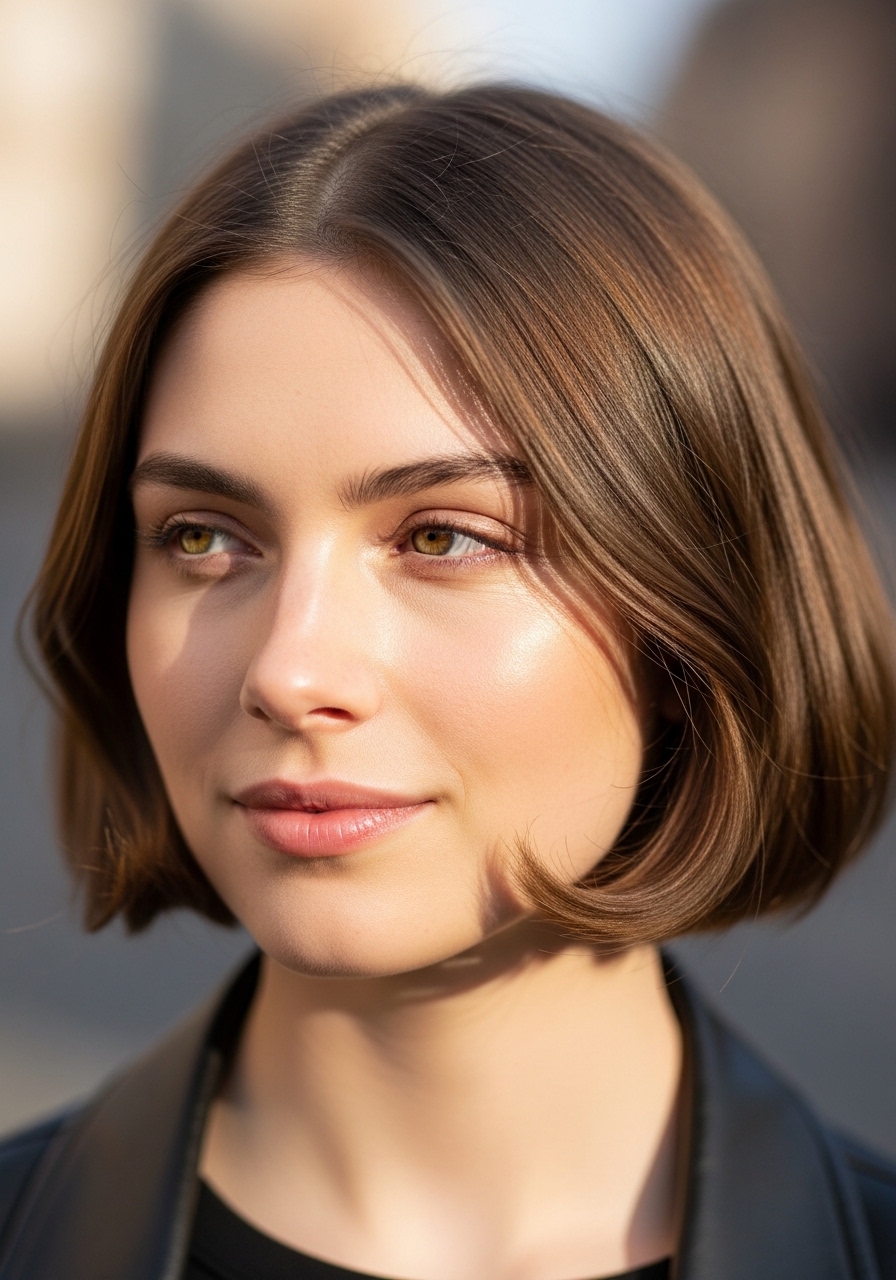
I chopped it shorter to just kiss my shoulders. The rounded ends sit full against my neck and give instant volume.
In real life it feels bouncy for a few days after the cut. As it grows, the shape loosens. It’s perfect for fine hair that needs visible lift.
I told my stylist to round the ends instead of thinning them. Small insight: avoid razor at the tips — it reduces the rounded appearance. I blow-dry with a medium round brush for body.
- Asymmetrical Lob for Visual Interest
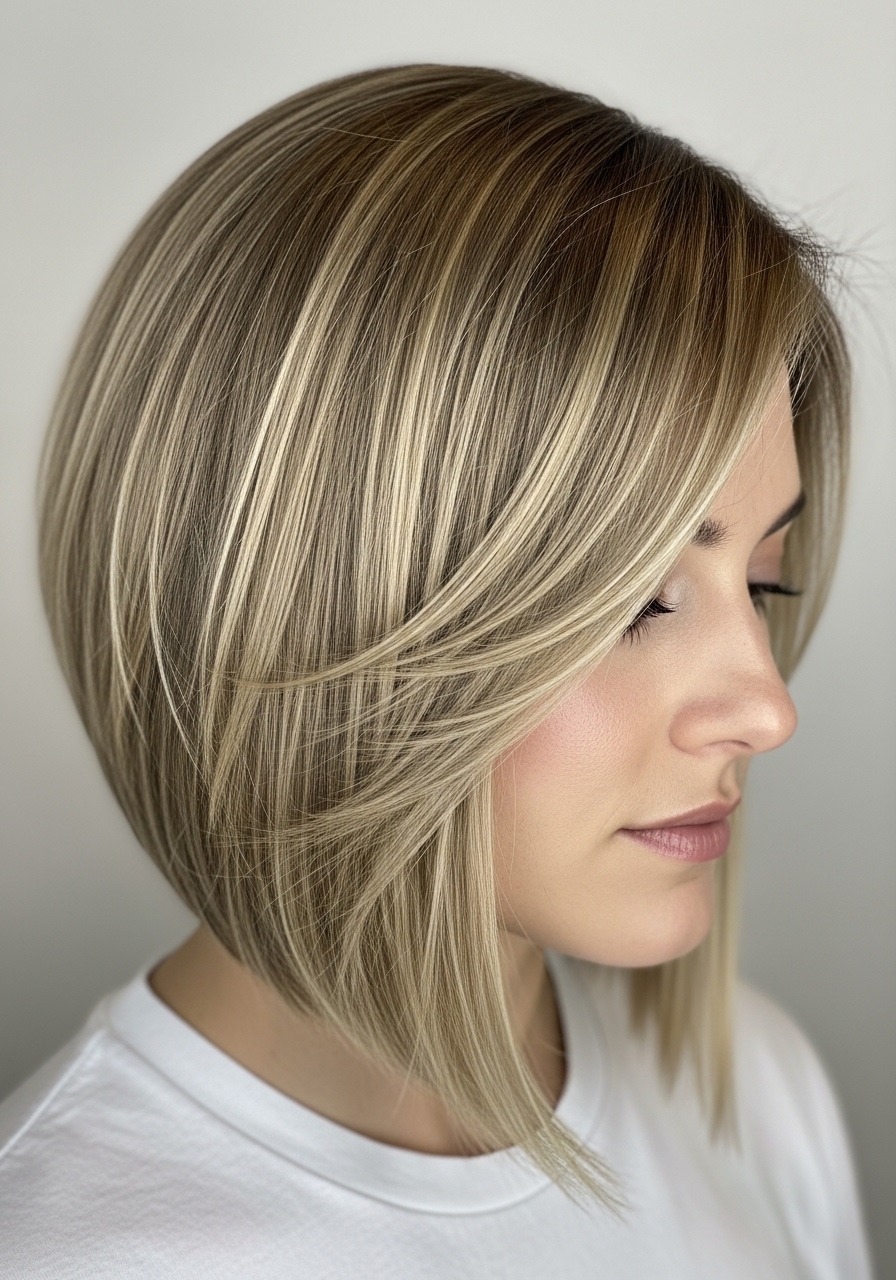
I tried an asymmetrical lob when I wanted a little edge. One side was a touch longer and it made my hair read thicker on camera.
In wear it’s subtle, not dramatic. It’s easy to tuck the shorter side behind my ear. It holds on most days, though I avoid heavy conditioners that weigh it down.
Ask your stylist for only a half-inch to an inch difference. I style with a flat iron and add a root-lift spray on busy mornings. Small mistake: too much difference felt unbalanced. Keep it mild.
- Lob with Slightly Razor-Textured Tips
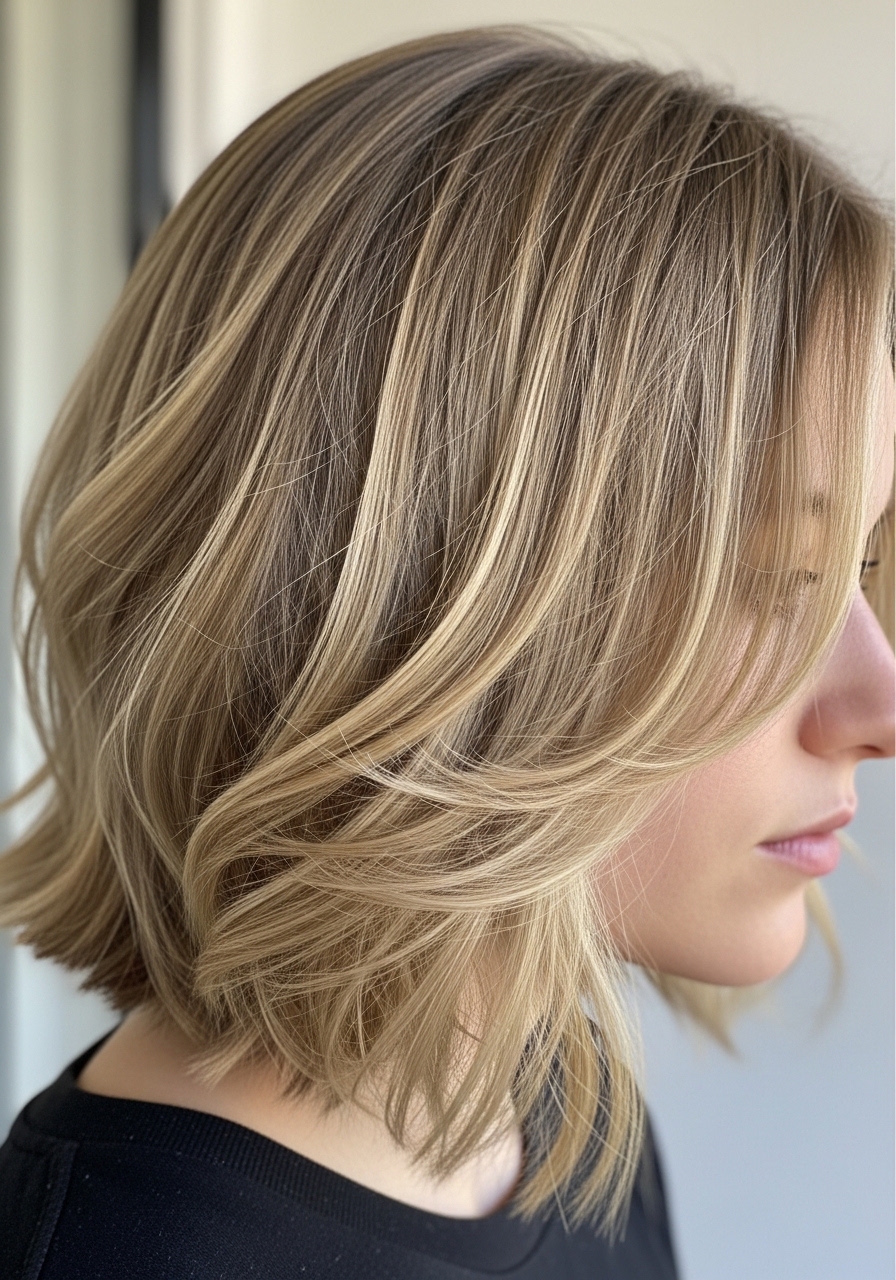
I let my stylist lightly razor the tips for texture. The ends breathed more and looked natural when air-dried.
In daily life the tips have movement without being frail. It can look frizzy if I over-texturize at home with heat. It works best on hair that’s not too fine or brittle.
I said: "Feather the tips very lightly." Small insight: the first time they went too thin and I regretted it. Keep it minimal. Finish with a drop of oil applied to the ends only.
- Lob with Blunt Front and Soft Back Layers
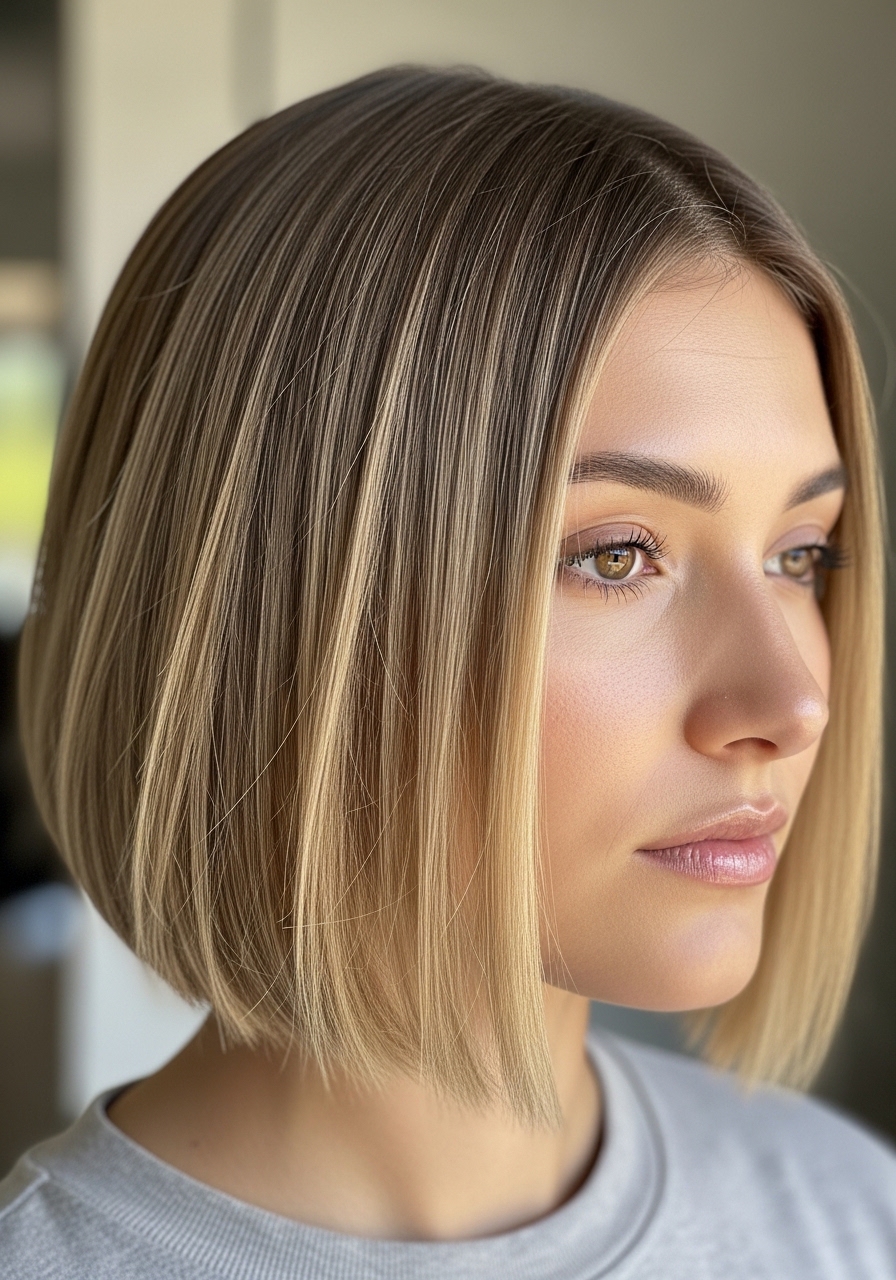
I asked for a blunt front to anchor the look and soft whisper layers in the back for lift. The combo gave structure and volume.
It behaves well during a workday. The blunt front frames my face, and the back layers add a tiny bounce. It’s low-fuss to style.
Tell the stylist exactly where you want the blunt line and to keep layers behind it. My tip: dry roots and smooth the front with a flat brush. Avoid layering the front too much.
- Shoulder-Grazing Lob with Invisible Layers
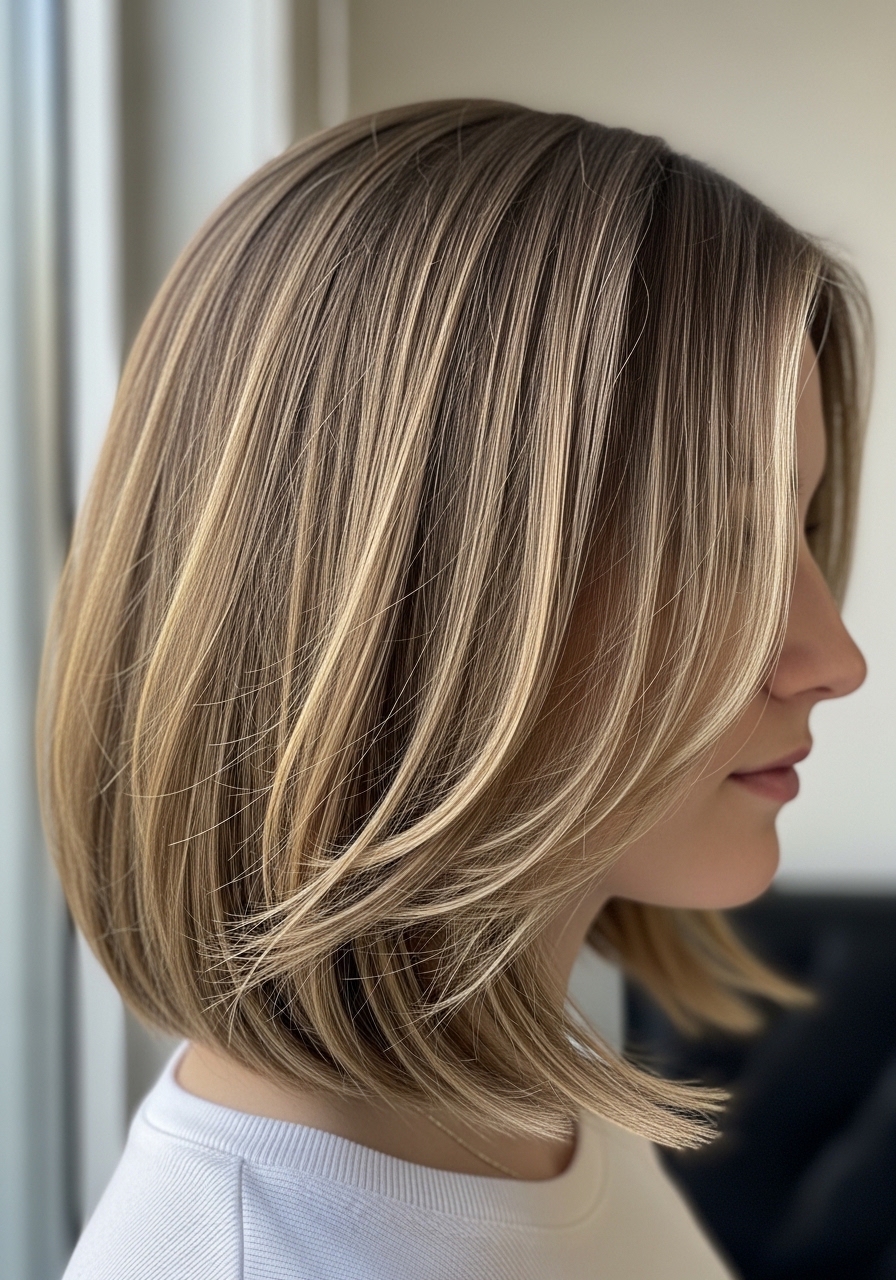
I kept the lob at shoulder length and asked for invisible layers — they’re cut inside the hair, not visible at first glance. It gives subtle movement without losing density.
In practice it moves more naturally. It’s forgiving when I skip styling. The invisible layers help waves hold and prevent a helmet look.
I tell my stylist: "Use internal layering only." Small mistake: once I let them layer too far out and I lost the clean edge. Keep it concealed and use a light mousse for texture.
- Sleek Center-Part Lob for Balanced Shape

I went center part for balance. It makes my features symmetrical and the lob look deliberately neat. It’s simple, and I can wear it sleek or textured.
In real life the center part shows thinning at the crown on bad days. A light root lift and dry shampoo help. On calm days it looks polished and even.
I asked for a precise middle part and even length. My tip: use cool air to set the part after blow-drying. Avoid heavy conditioners that hide the part’s clean line.