
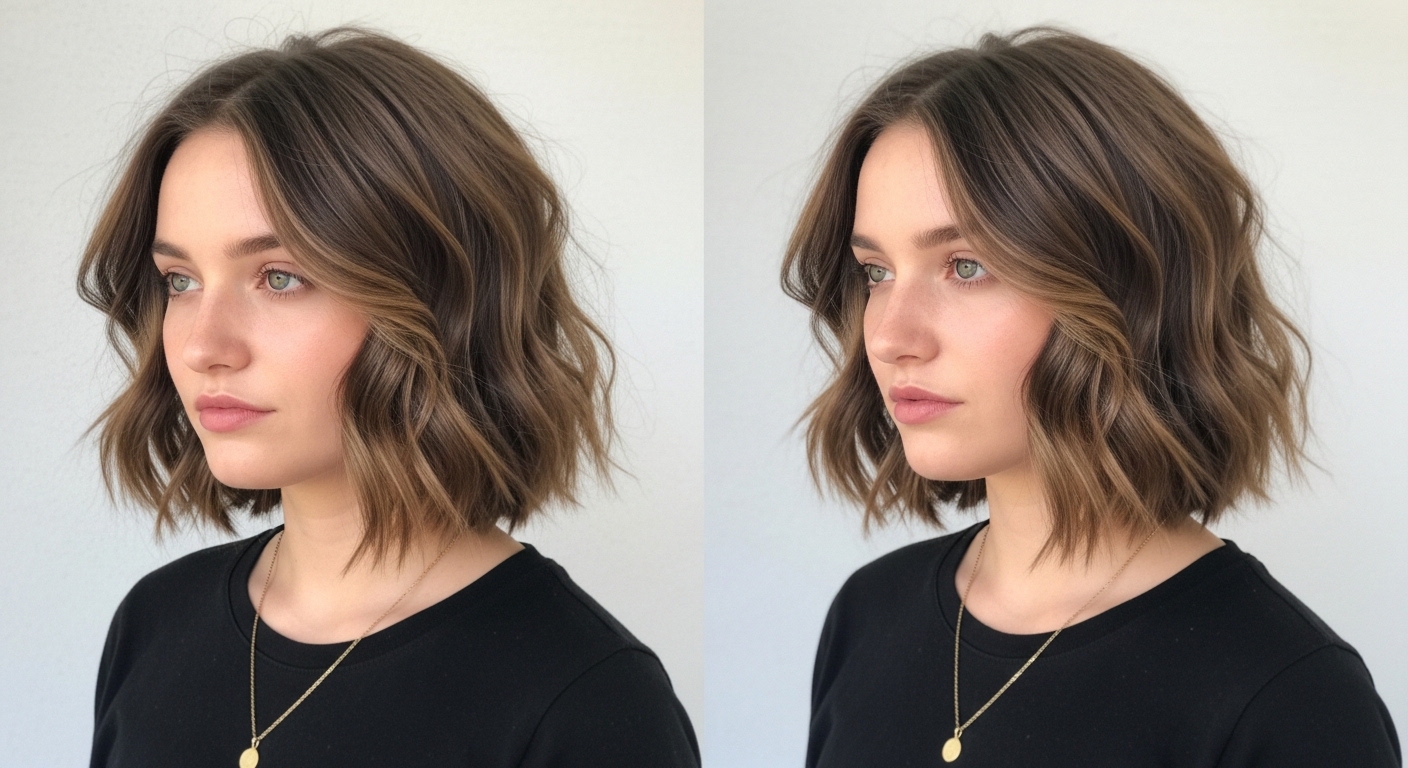
I spent years chopping off too much, then growing out a bunch of bad choices. I finally learned what actually makes my fine hair look full and like me.
These are cuts and small styling moves that worked for my hair. Honest, wearable, and easy to ask for.
12 True Textured Lob For Fine Hair
These 12 textured lob ideas for fine hair come from my salon chair mistakes and wins. Each one is a slightly different shade of volume, movement, or edge. I tested them all on limp hair and report back what actually lasts through humidity, sleeps, and busy mornings.
- Soft Layers Around the Face That Make Fine Hair Look Fuller
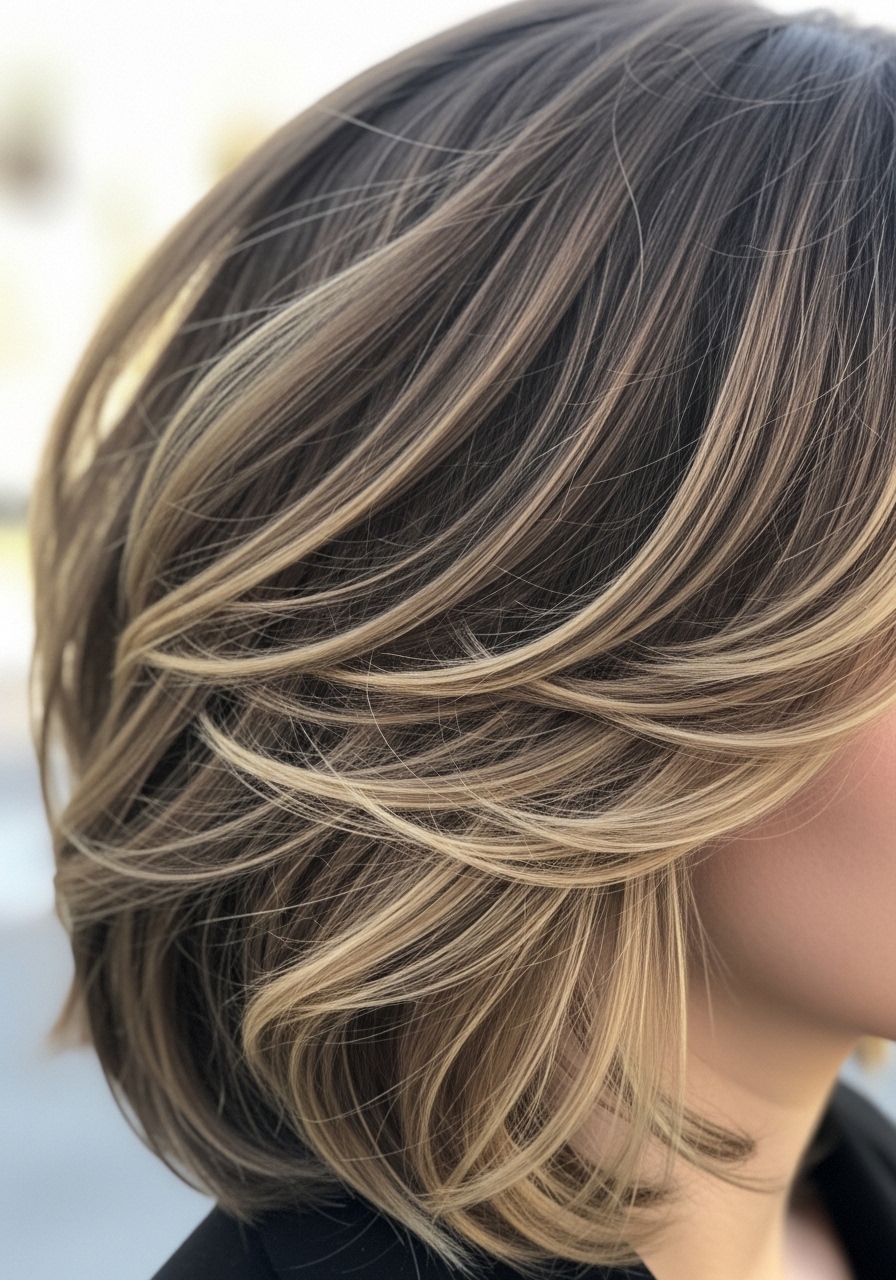
I asked my stylist for gentle face-framing layers, not choppy pieces. The goal was lift without losing weight at the ends. It gave my hair movement when I turned my head.
In real life it looks soft, not spiky. On humid days the layers separate nicely instead of clumping. On straighter fine hair it reads as body. On wavy fine hair it becomes effortless.
Tip: tell them “shorten toward the jaw, keep length behind.” I dry with a round brush at the roots and a cool blast. Small mistake I made: asking for too-many skinny layers once — that left it wispy and limp. Don’t over-layer.
- Blunt Lob with Razor-Textured Ends for Body
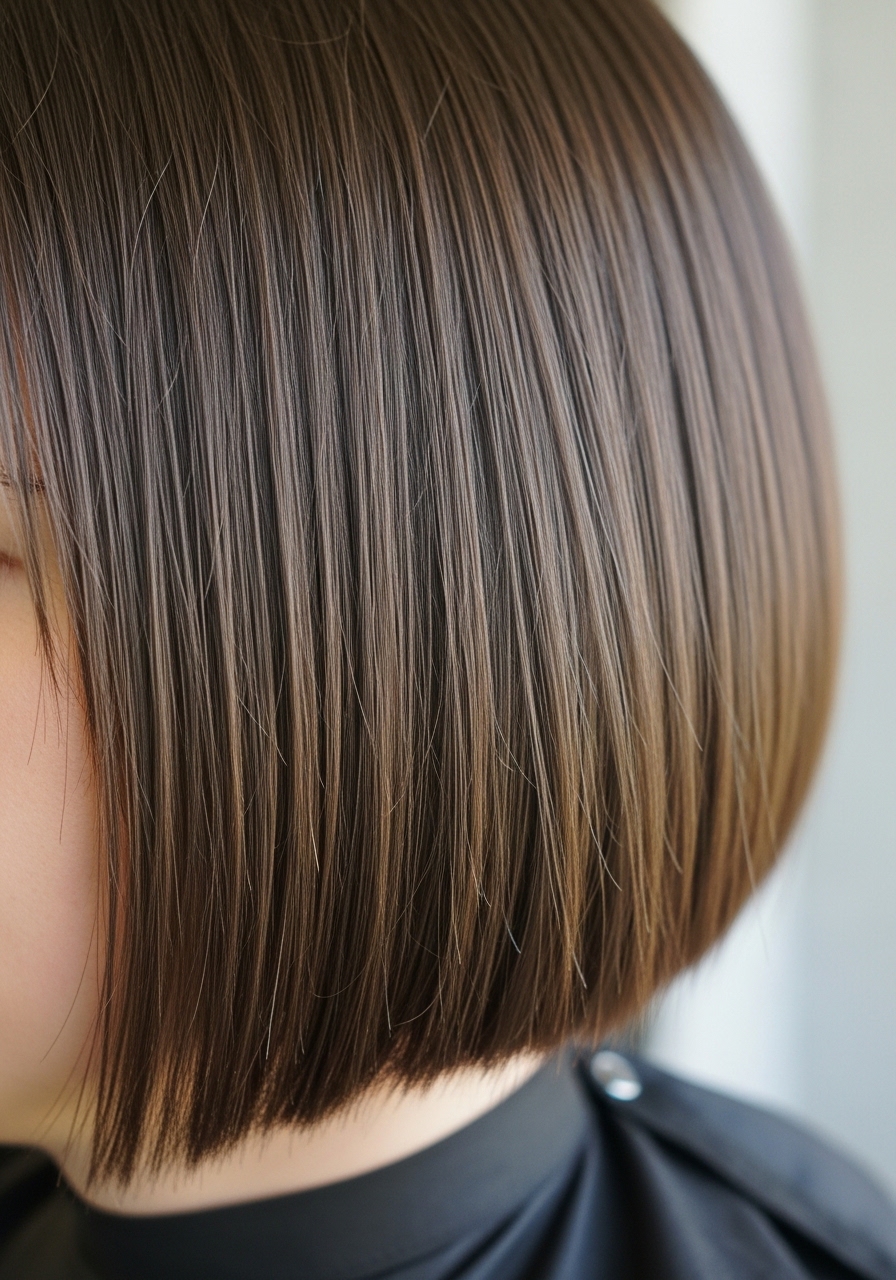
I wanted a clean base but not a blocky finish. My stylist cut a blunt line and then very light razor texturing into the ends. It keeps the shape but lets the hair move.
On me it looks thicker at first glance because of the blunt base. The razor tips stop it from feeling heavy. By afternoon it still reads full, unless I sleep on it flat.
Tell your stylist “blunt at the ends, subtle razor texture only.” I rough-dry with my fingers and a bit of lightweight mousse. I used too much texturizing powder once and it got crunchy. Less is better.
- Curtain Bangs with a Collarbone Lob for Soft Volume
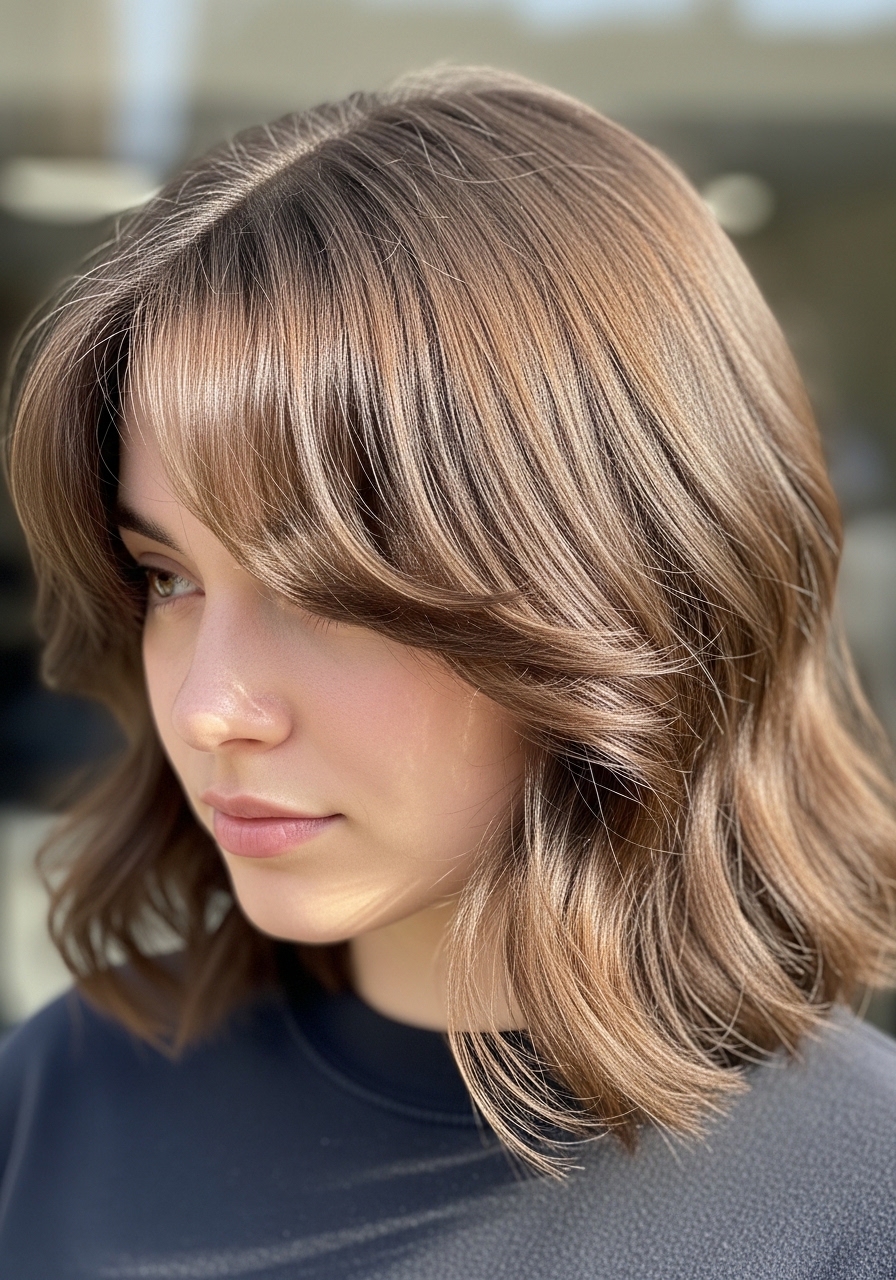
I kept my lob at collarbone length and added long curtain bangs. I wanted the bangs to sit softly, not a heavy fringe. They frame my face and give the illusion of width.
In photos it looks relaxed. In reality the bangs can separate in humidity. I push them back with my fingers or tuck them behind one ear. They grow out kindly and hide a limp crown.
Ask for “long curtain bangs that start near the cheekbones.” Dry them with a round brush and finish sideways. My first mistake was trimming them too short—don’t rush the bang trim.
- Short Stacked Lob That Gives Root Lift
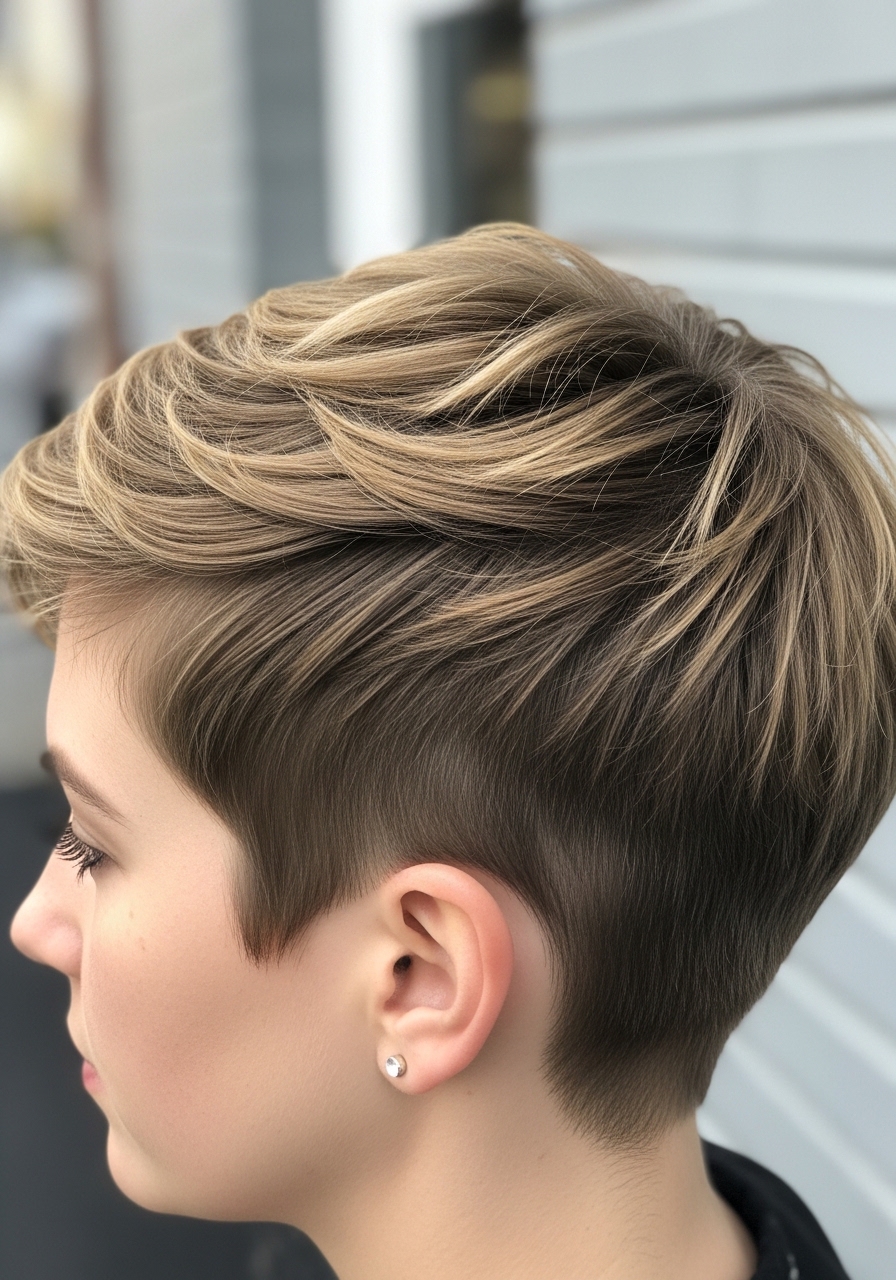
I tried a short stacked lob when my hair needed serious lift. The back is tapered and stacked to encourage volume at the crown. It’s the one that made my fine hair look like it had a real root lift.
It behaves like a full haircut for a few days after a wash. After three or four days I need a quick dry-styling session to refresh the stack. It works best on straighter fine hair that holds a shape.
Tell the stylist “moderate stack, no heavy feathering.” I used to over-backcomb to fake volume and ruined the smooth shape. Now I use a dryer and a bit of root powder instead.
- Choppy, Piecey Ends That Hide Thinness
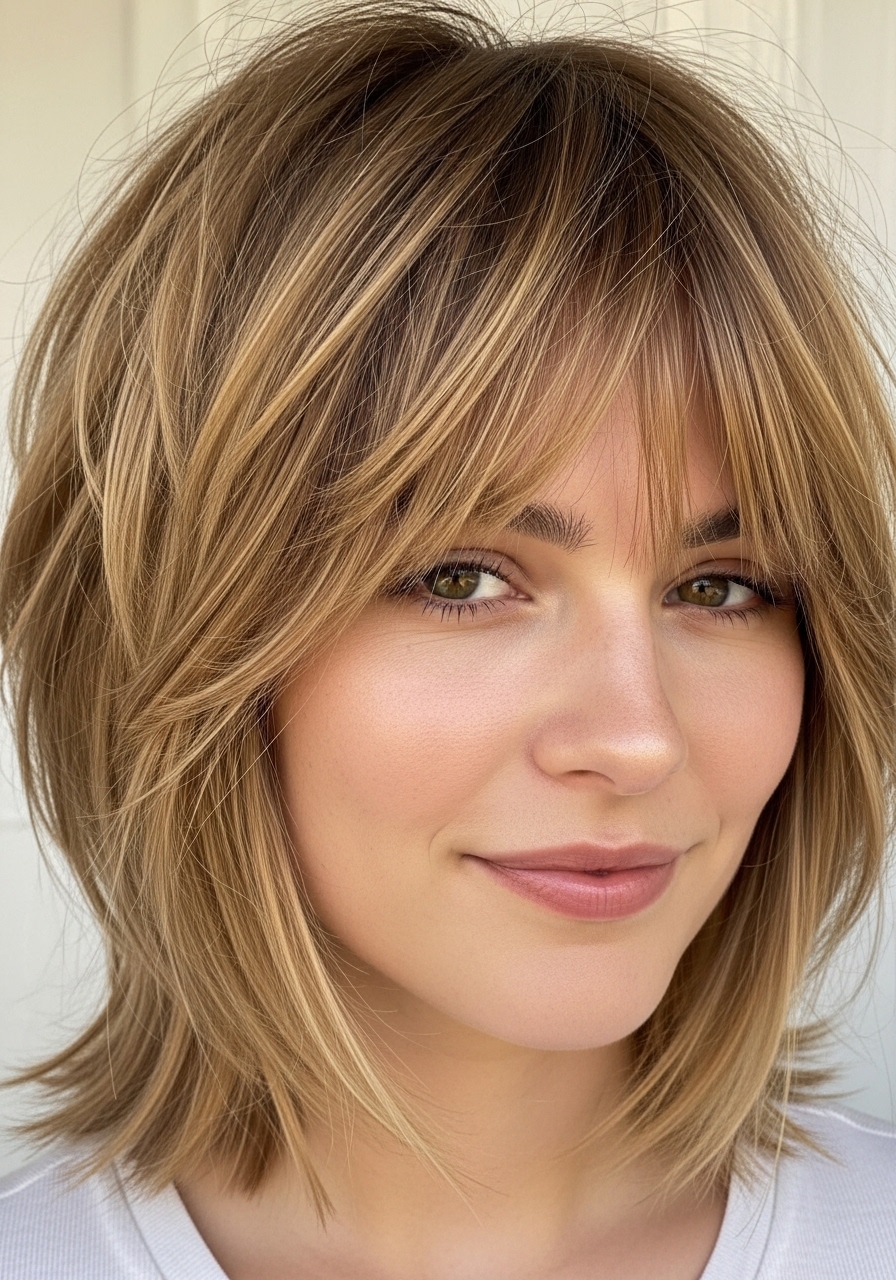
I went for choppy ends when my hair felt too flat and uniform. The pieces add separation and make the ends look denser. It reads like lived-in texture, not damage.
In real life it softens as the day goes on. The choppiness disguises thin patches and works well with salt spray or a light texturizer. On humid days it can get a bit frizzy if over-sprayed.
Tip: ask “short, uneven texturing at the ends.” I once piled too much product on to hold the pieces and it flattened everything. Now I use a tiny amount of spray and scrunch with my fingers.
- A-Line Lob with Longer Front Pieces to Frame the Face
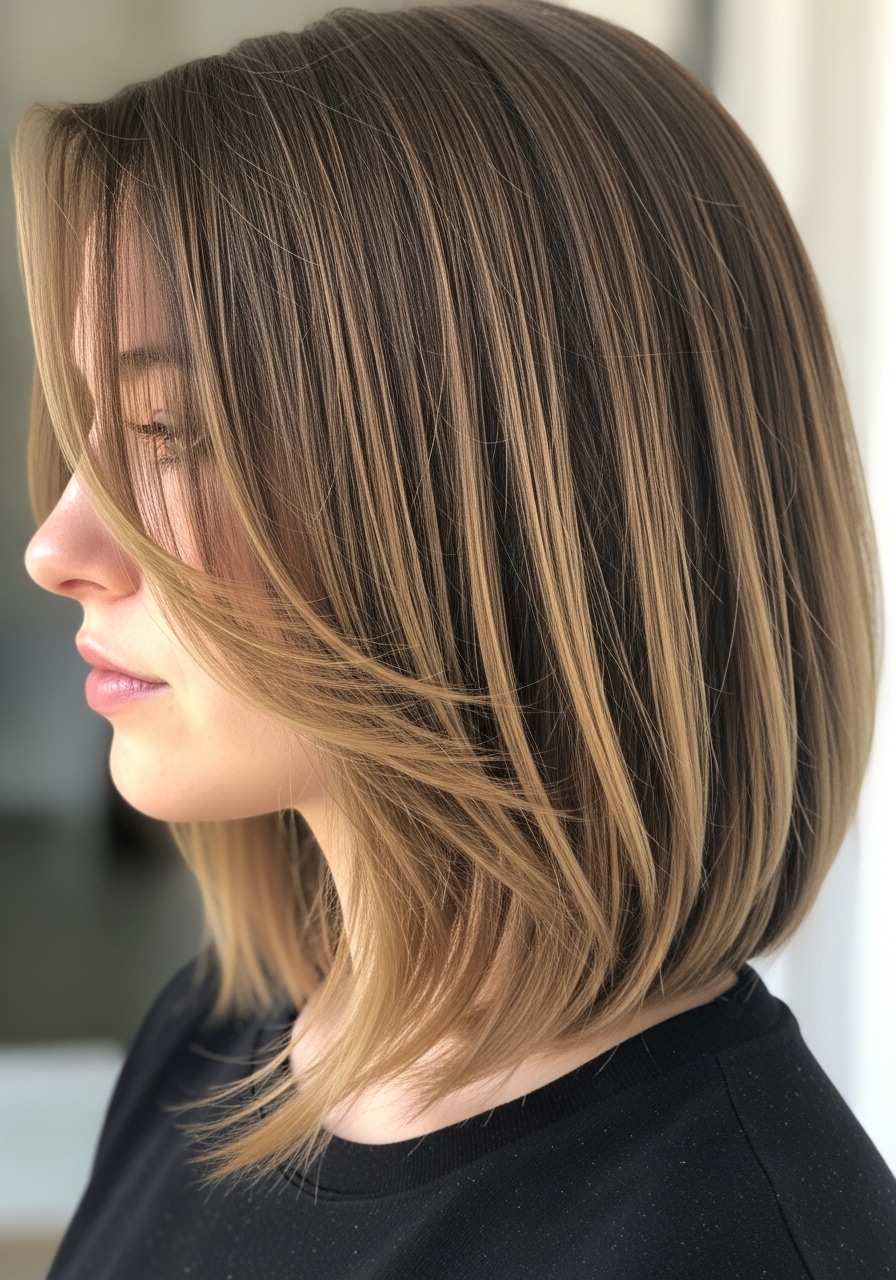
I asked for a subtle A-line because I wanted shape without losing length. The front pieces graze the collarbone and the back sits higher. The angle makes my face look longer and gives hair a hint of drama.
It feels slightly heavier at the front, which actually helps fine hair look thicker. During the day the front keeps its weight and the back feels light. It’s low-maintenance if I accept the angle.
Say “soft A-line, keep weight forward.” I blow-dry by tipping my head forward for root lift, then smooth the front. Small insight: don’t ask for too steep an angle or the front looks too heavy.
- Micro Layers at the Crown to Fake Fuller Roots
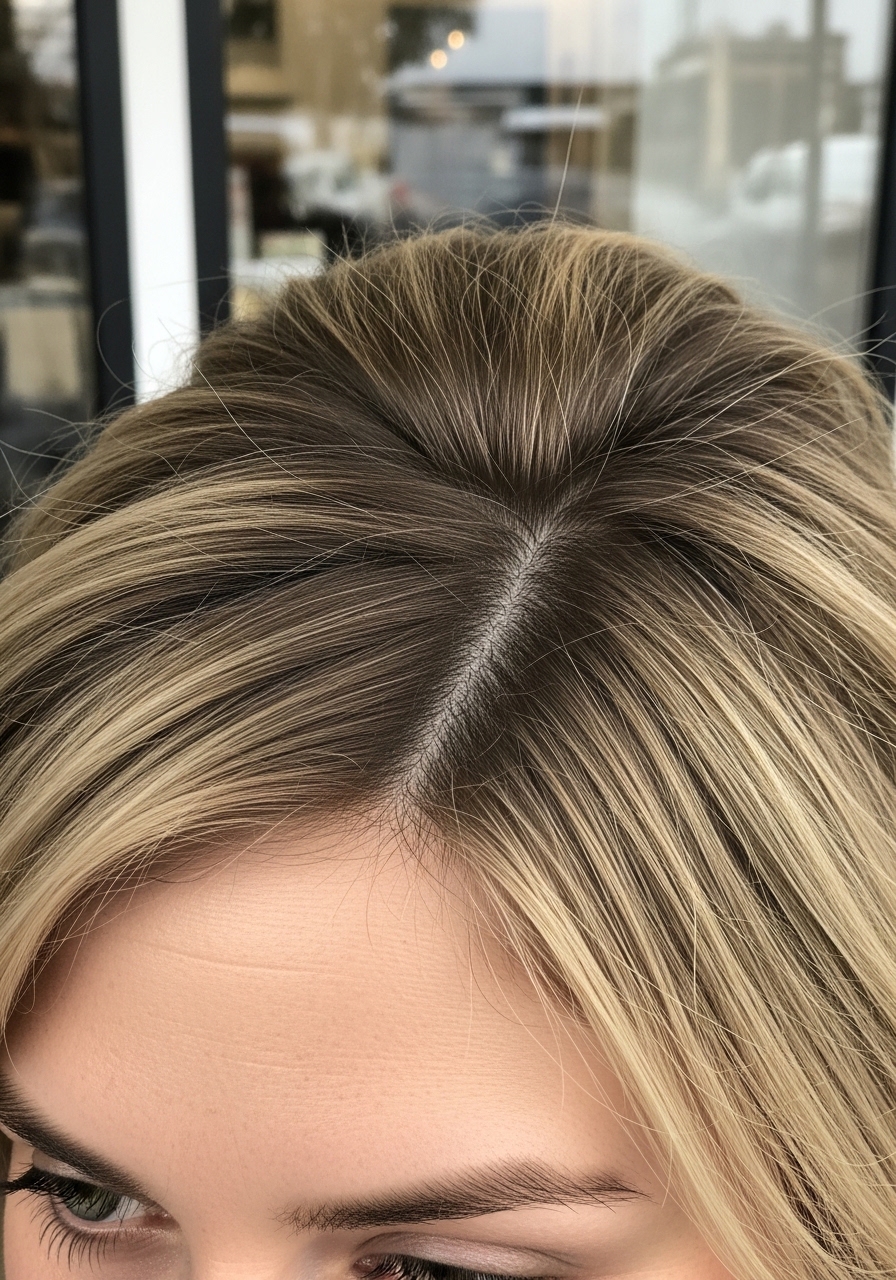
I asked for tiny micro layers at the crown. My stylist cut just a little bit so the roots sit up. It’s a subtle change but it makes a big difference on fine hair.
In the morning it gives me a natural-looking lift without product. After sleeping the lift is usable with a quick tousle. On humid days those micro layers help hair avoid looking flat.
Tell them “micro layers only at the crown, do not layer through the lengths.” I once accepted heavier layers and it puffed out. That over-layering taught me to be cautious.
- Soft Blunt Lob with Internal Layers for Movement
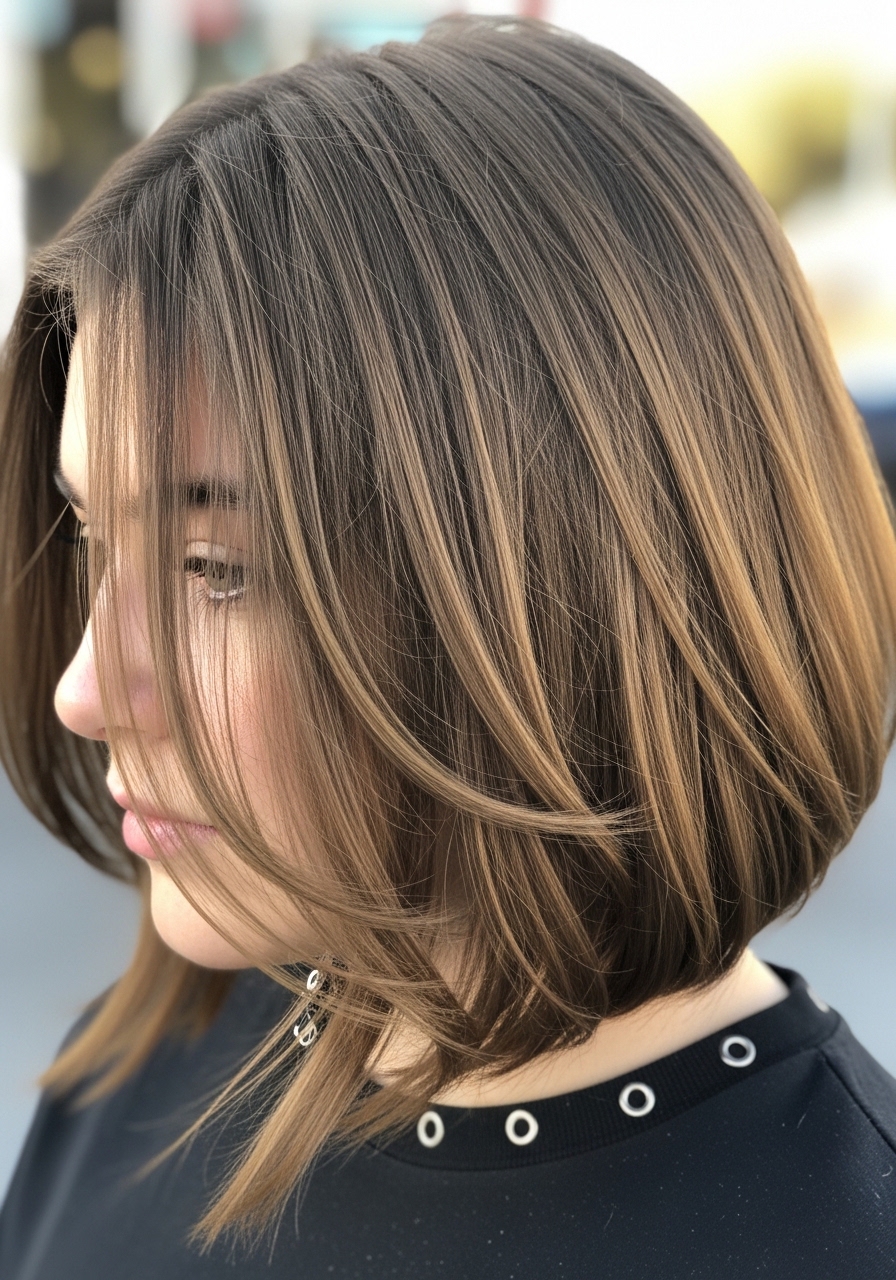
I kept a blunt outer line but asked for internal layers. I wanted the fullness of a blunt cut, with the inside telling the hair to move. It looks tidy and natural.
In real life it keeps its silhouette. When I flip my hair it has motion without losing density. It holds up well through a workday and looks clean after sleep.
Say “blunt perimeter with light internal point cuts.” I dry with a paddle brush and twirl the ends for shape. Small styling tip: avoid heavy serums that flatten the internal lift.
- Wavy Textured Lob Built with Heat-Free Methods
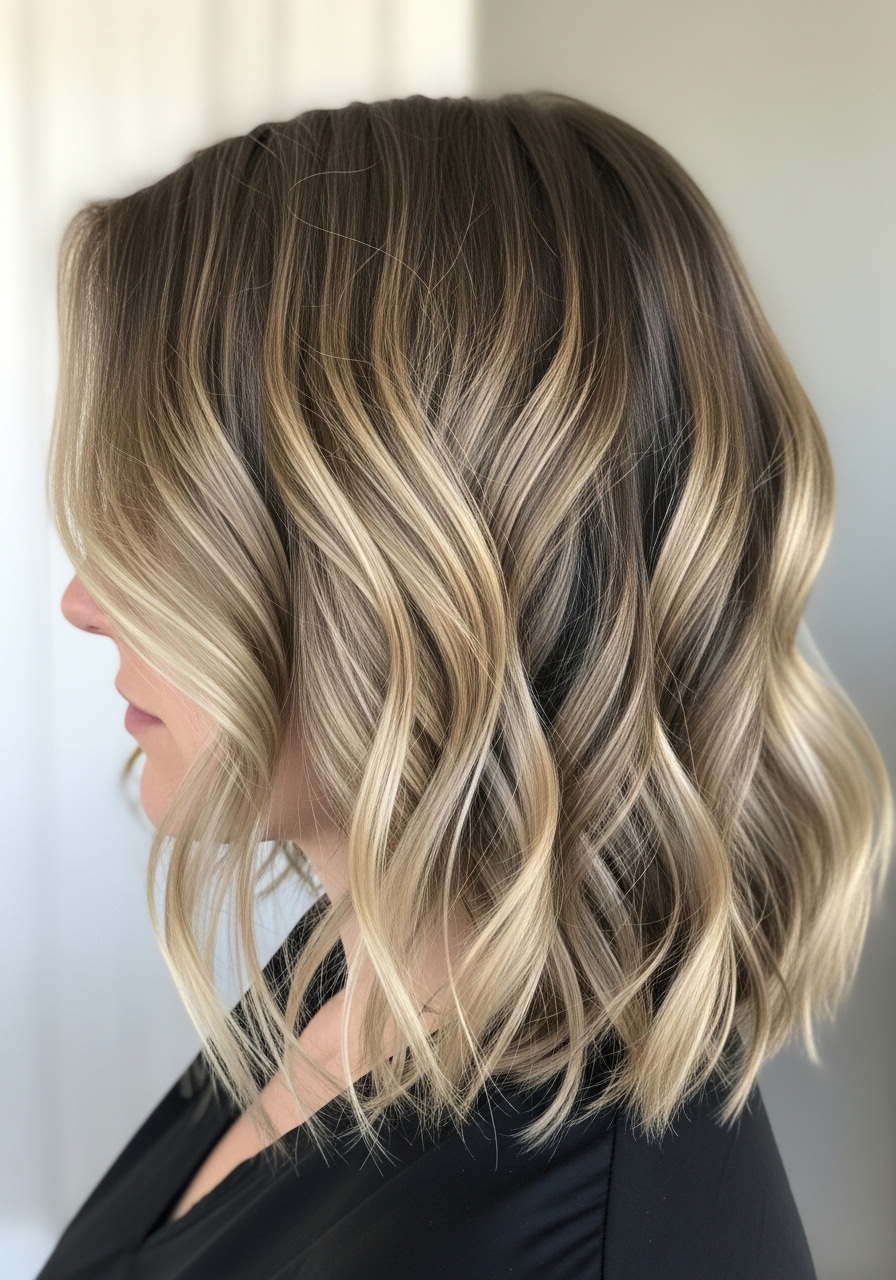
I stopped frying my hair and started making waves with braids and a bit of sea salt spray. The lob took on soft waves that look natural and lived-in. My ends stayed healthier.
In daily wear it’s forgiving. I can sleep on it, shake it out, and it still looks like I meant it. Fine hair holds the shape if it’s slightly damp when I braid. Humidity softens the waves but they don’t go mushy.
Tell your stylist “cut for wave, not for flatness.” I learned the hard way that a too-hot iron gave crisp curls that dropped into limpness. Heat-free methods last longer on my fine hair.
- Deep Side Part Lob with Long Side Bangs for Instant Width
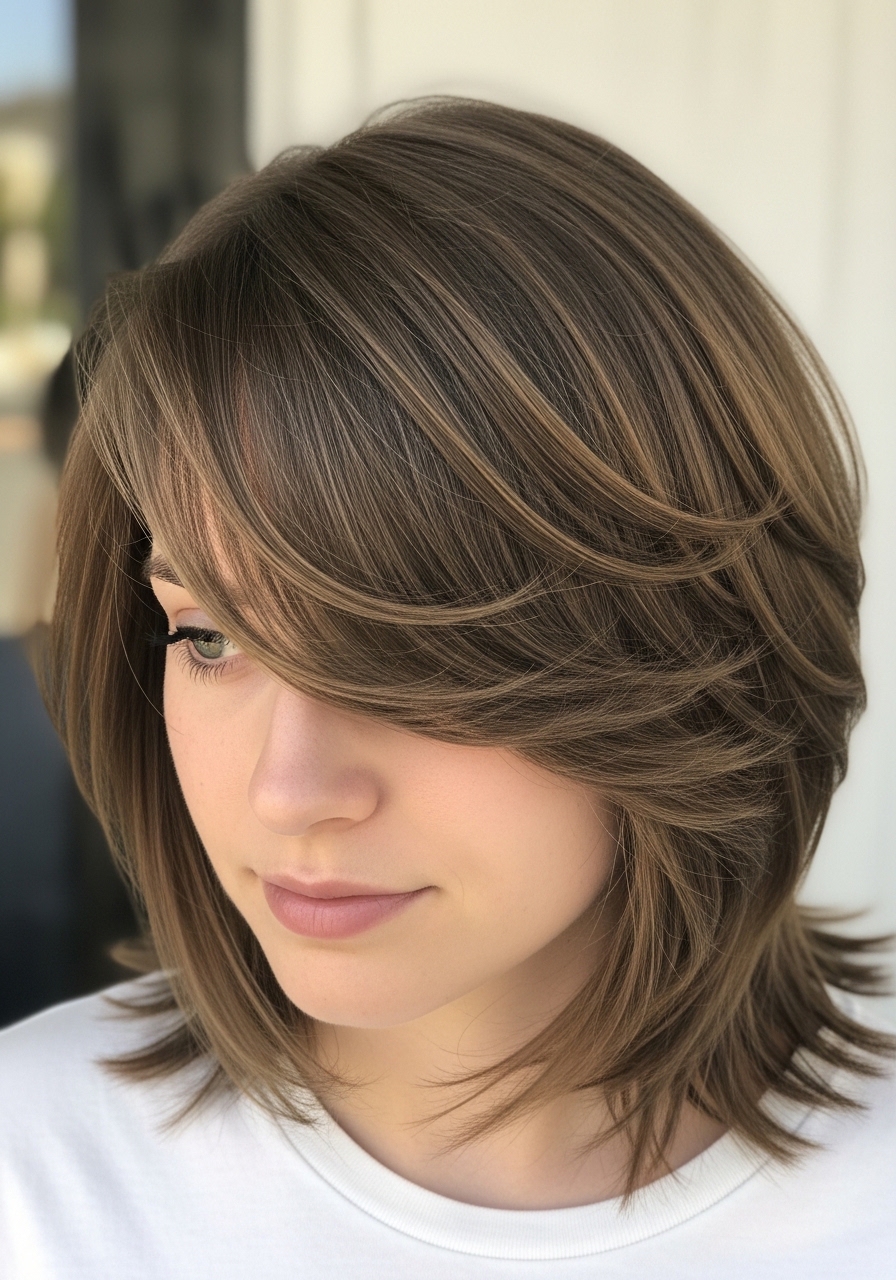
I switched my part to the side and kept long side bangs. The result was immediate width and the look of more volume near the roots. It felt like a small change with big payoff.
It behaves well all day if I push the part into place while drying. On humid mornings the side bangs separate and give shape. I sleep with a loose silk scarf to preserve the part.
Ask for “long side bangs and a cut that sits well on a side part.” I once slathered on oil and weighed it down. Now I use a tiny dab only on the ends.
- Asymmetrical Textured Lob for a Subtle Edge
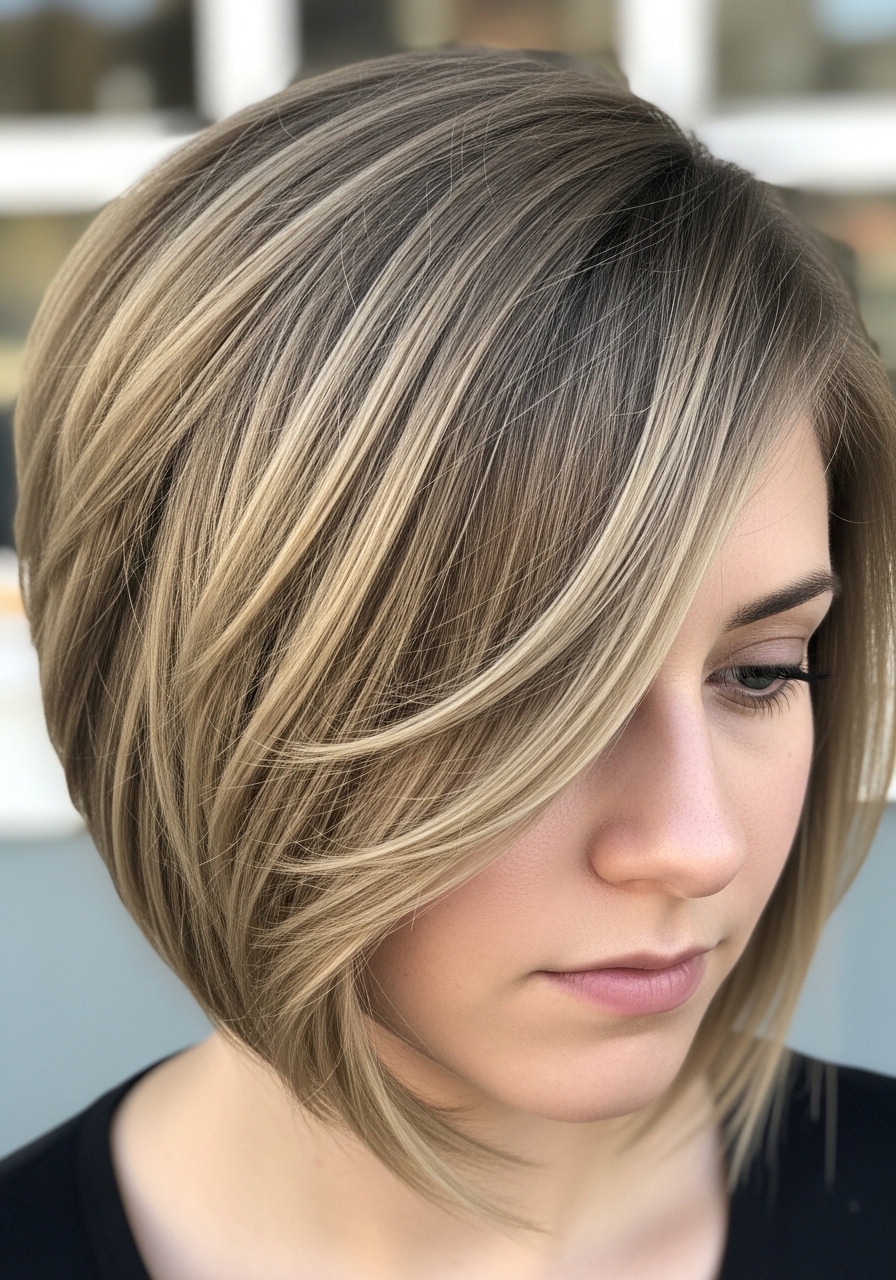
I tried a gentle asymmetrical lob to add personality without fuss. One side is a few inches longer. It reads modern but still soft on my fine hair.
It gives a built-in direction so I stop fighting a flat middle. The longer side swings and the shorter side keeps the look fresh. On windy days it looks playful instead of messy.
Tell your stylist “small asymmetry only, keep ends light.” I style it with fingers and a tiny cream. The trick is to avoid heavy gels that kill the movement.
- Soft Feathered Lob That Grows Out Cleanly
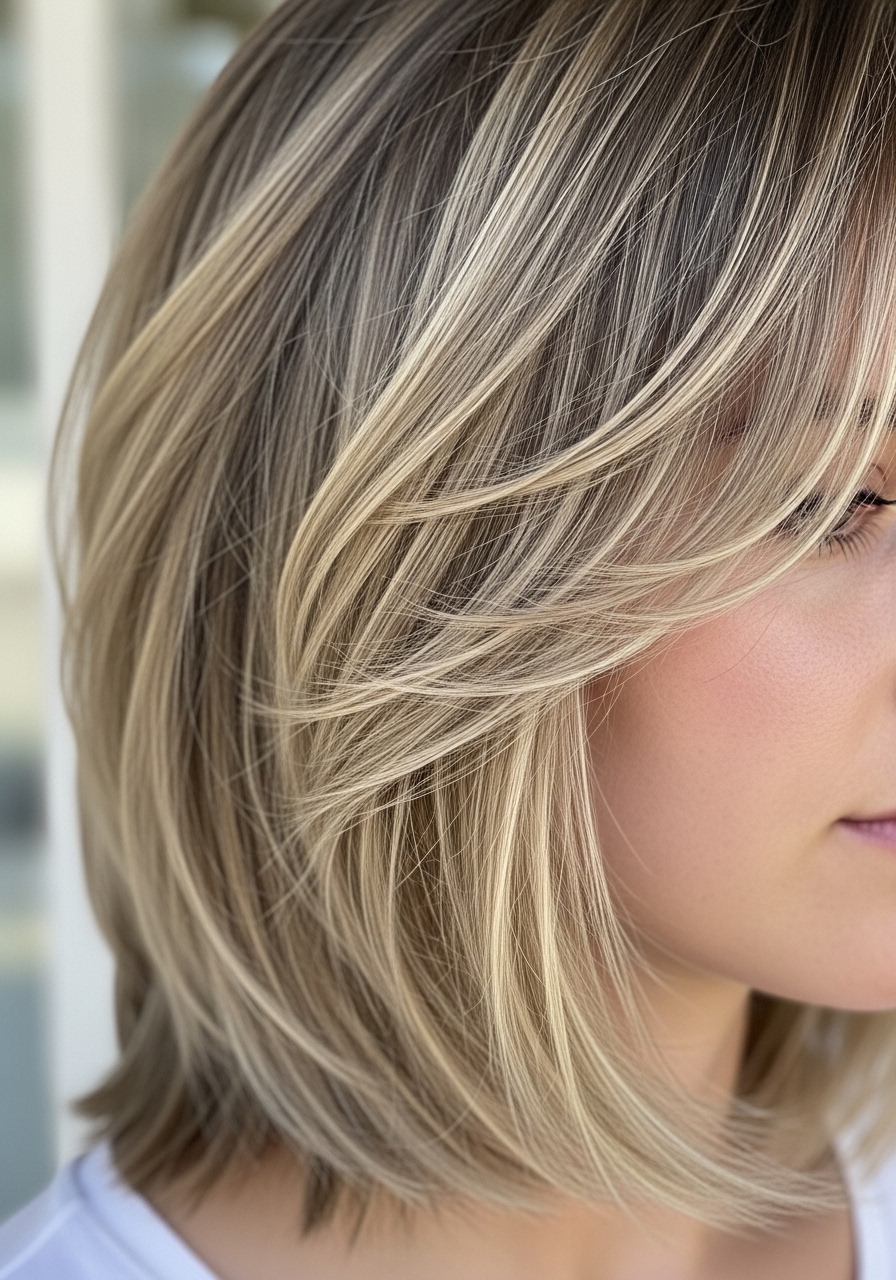
I wanted a lob that wouldn’t show awkward stages while growing out. Feathered ends did that. The feathering keeps the silhouette soft as it gets longer.
In real life it looks tidy on wash-and-go days. As it grows the feathers blend instead of forming blunt lines. It’s forgiving when I miss a trim.
Ask for “soft feathering at the ends, avoid heavy face frames.” I once asked for dramatic face framing and regretted the grow-out. Now I get slight feathering and a dry-cut finish for a natural fall.