
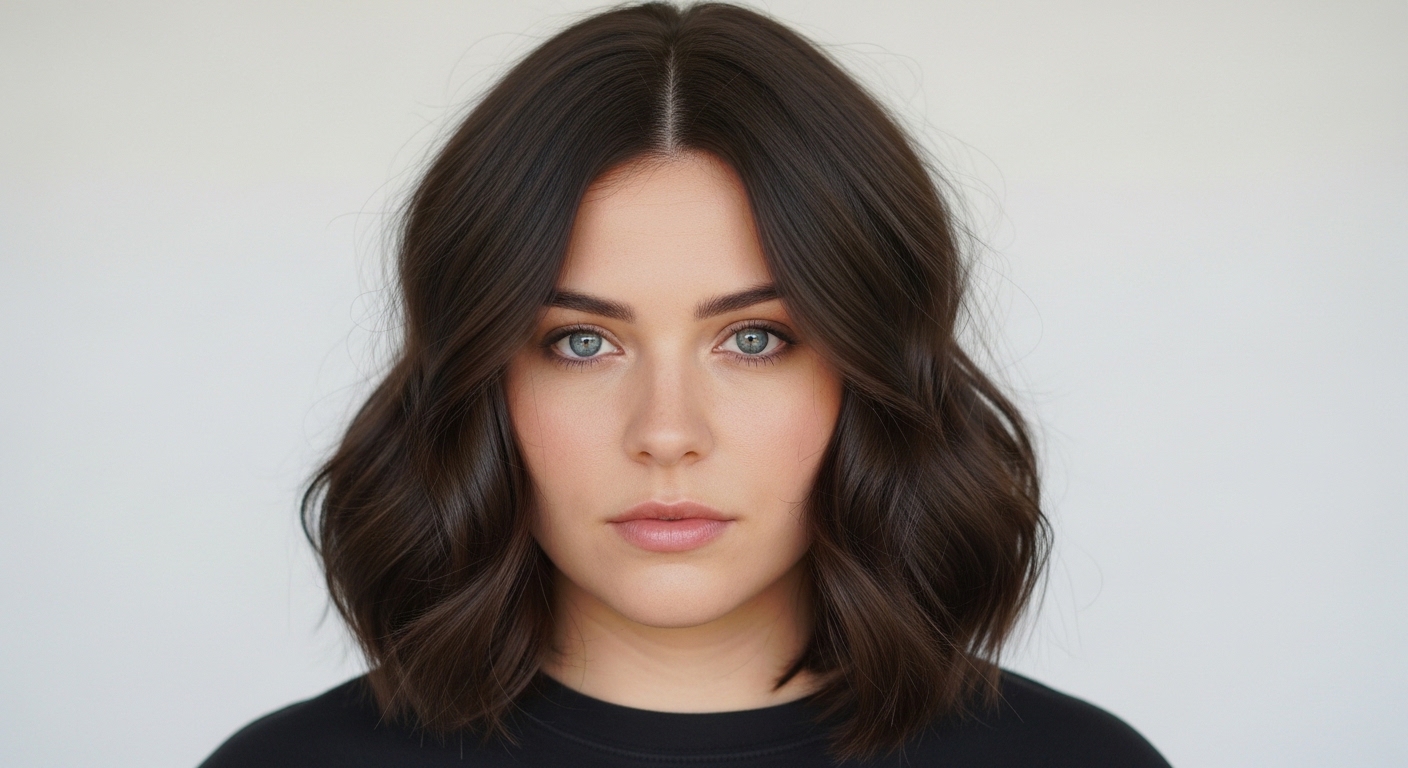
I spent years trying brunettes that washed my eyes out. One cut too dark. One too warm. It took a few salons and a lot of snapping photos to learn what actually reads blue.
Now I favor shades that nudge my eye color forward without fighting my texture. These picks are what I ask for and why. Short notes, honest misses, and what to say to your stylist.
15 Best Best Brunette Shades For Blue Eyes
These 15 brunette shade ideas are ones I’ve lived with, tweaked, and asked my stylist to copy. I’m sharing real wear notes, who they suit, and one thing to say in the chair for each. Exactly 15 ideas here.
- Deep Chocolate Brunette With Blue-Black Shine
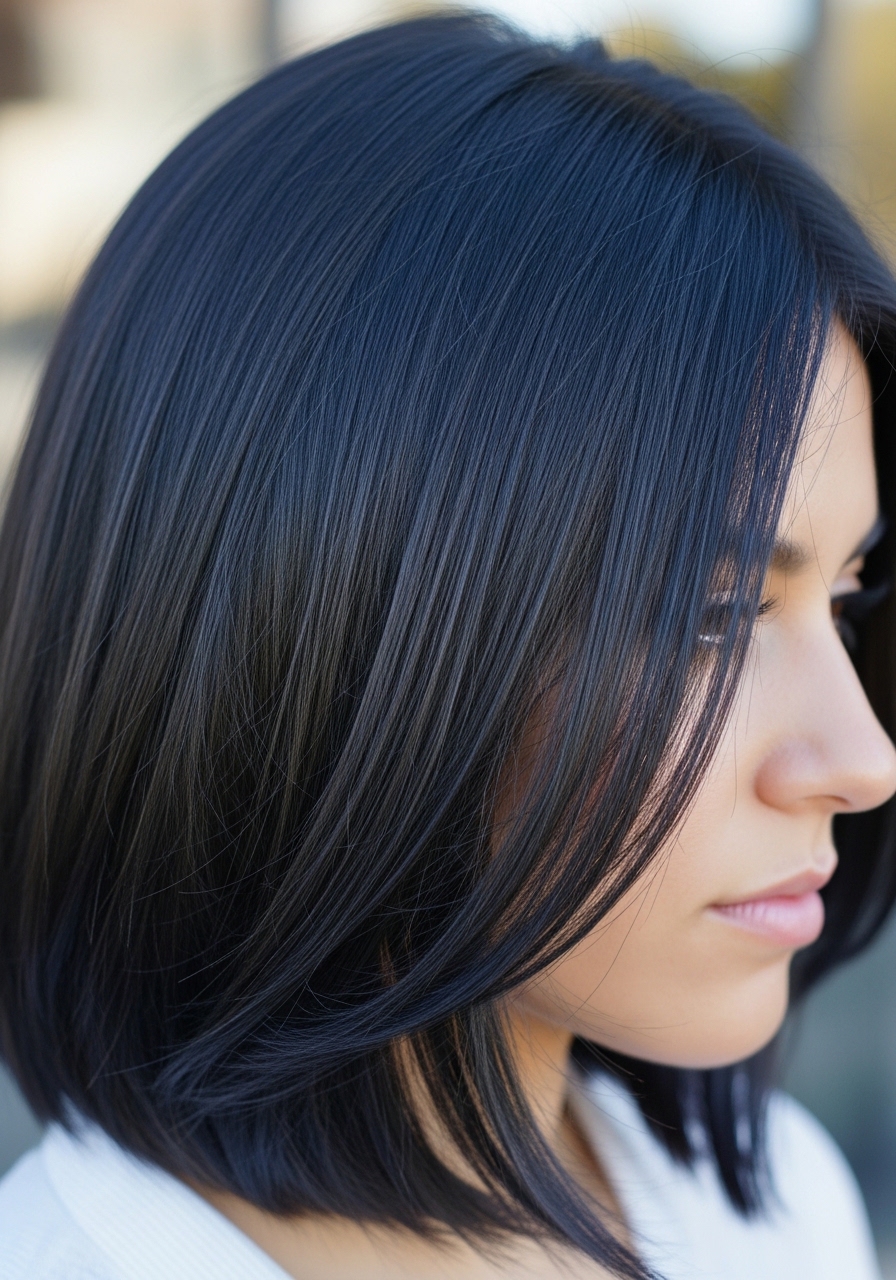
I asked my stylist for a deep chocolate base and a blue-black glaze on top. It made my blue eyes pop without looking painted-on. The first week it felt heavy and flat. I learned to use a lightweight shine spray and finger-comb in the morning.
It holds color well on thicker hair. On fine hair, it can read too dark and hide your eye color. Tell your stylist you want a soft glaze, not a full-on dye, and ask for a slightly warmed mid-tone underneath so you don’t get that “flat” mistake.
- Soft Ash Brown With Subtle Icy Lowlights
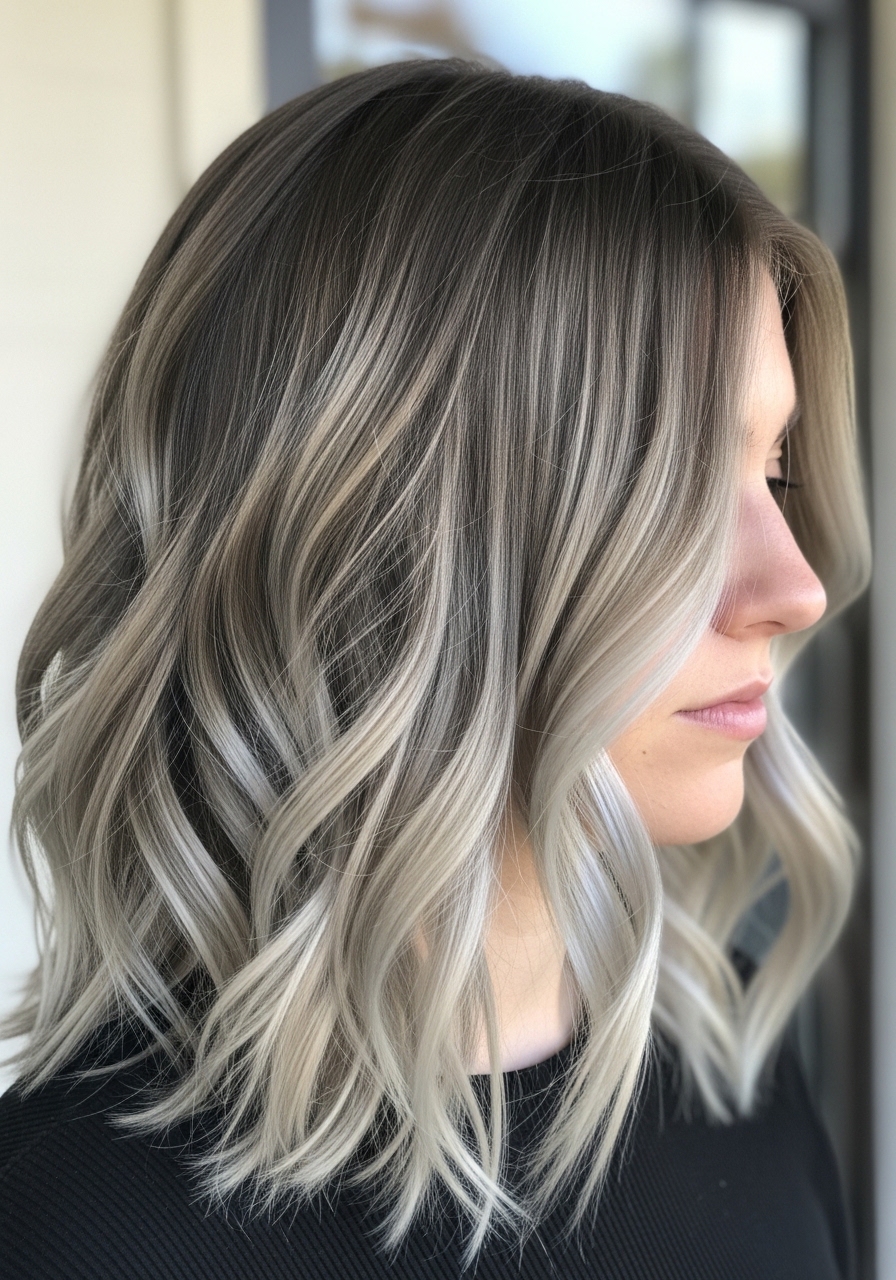
I went cooler to neutralize some redness in my hair that made my blues look gray. Soft ash brown with narrow icy lowlights did that. In photos it looked slate; in real life it softens during the second week as the lowlights blend.
This works best on straight to softly wavy hair. If you have curly hair, ask for less contrast so the lowlights don’t puddle. My tip: bring a photo and say “keep it soft,” then ask for a gloss every six weeks to keep the ash from looking brassy.
- Warm Chestnut With Face-Framing Caramel Babylights
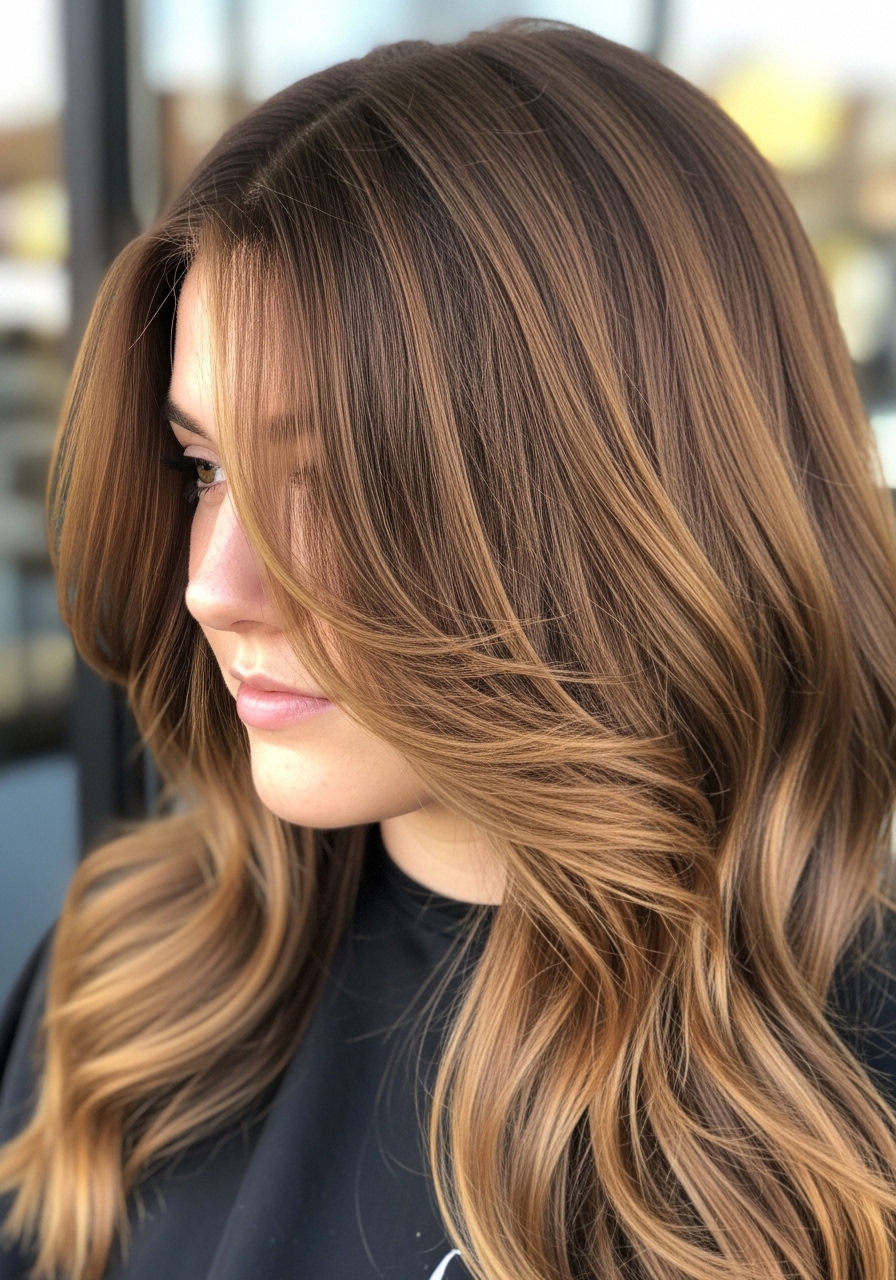
I tried warm chestnut with caramel babylights after feeling too cool in ash tones. The caramel really brightened the area around my eyes. I made a mistake the first time and asked for chunky highlights; they looked stripey and dated.
When done fine and feathery, those babylights lift blue eyes and warm the skin. It’s great on medium-thick hair and on anyone who tans. Tell your stylist you want “very thin, sun-kissed babylights” and to keep the warm tone soft—not orange.
- Golden Brown Balayage That Brightens Blue Eyes
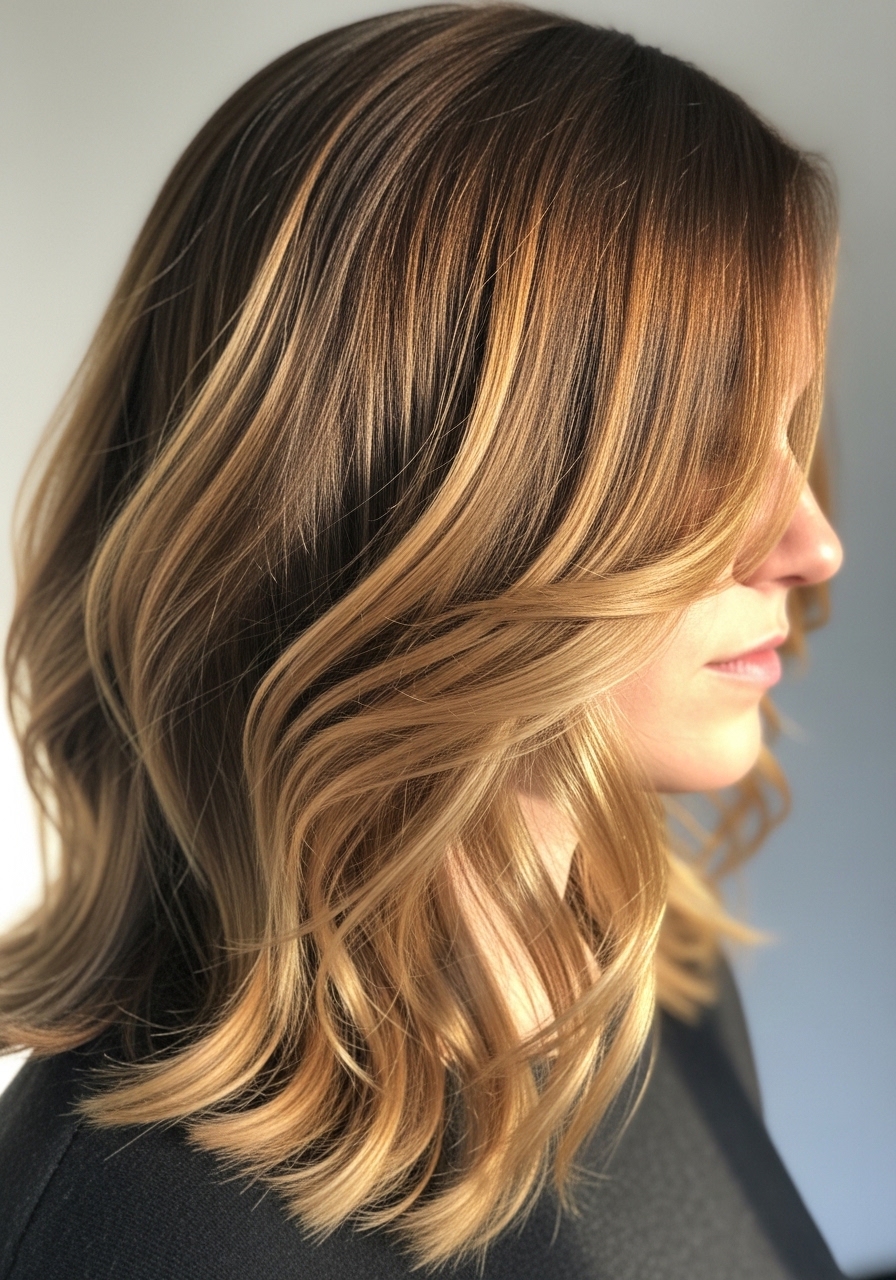
I kept putting off balayage because I feared upkeep. The golden brown balayage surprised me. It brightens the face and makes my blue eyes read clearer mid-winter. My early attempt had too-high contrast and grew out awkwardly.
This is forgiving on most textures. On curly hair, the pieces blend nicely. My tip is to ask for softer placement around the face and to request a shadow root so you don’t get that harsh grow-out line after four weeks.
- Smoky Mocha With Soft Curtain Bangs
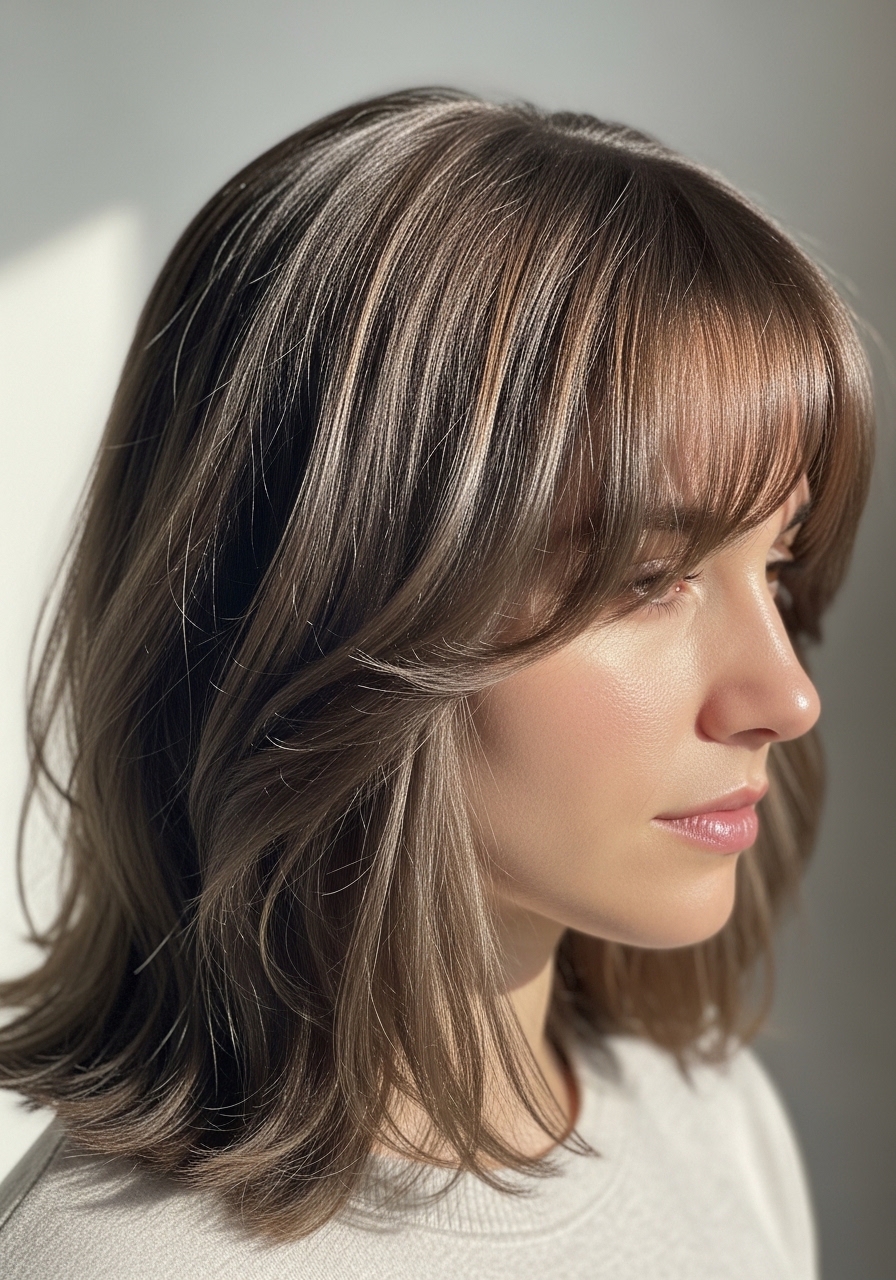
I wanted something low fuss that still showed off my eyes. Smoky mocha with curtain bangs framed my face perfectly. The bangs softened the shape and drew attention to my blue eyes.
It behaves well through humid days if I use a light cream to tame frizz. Best on straight to wavy hair. Tell your stylist to cut the bangs long and wispy. I learned to trim them slightly myself between appointments to avoid the “too-heavy” fringe mistake.
- Rich Espresso With Copper Gloss
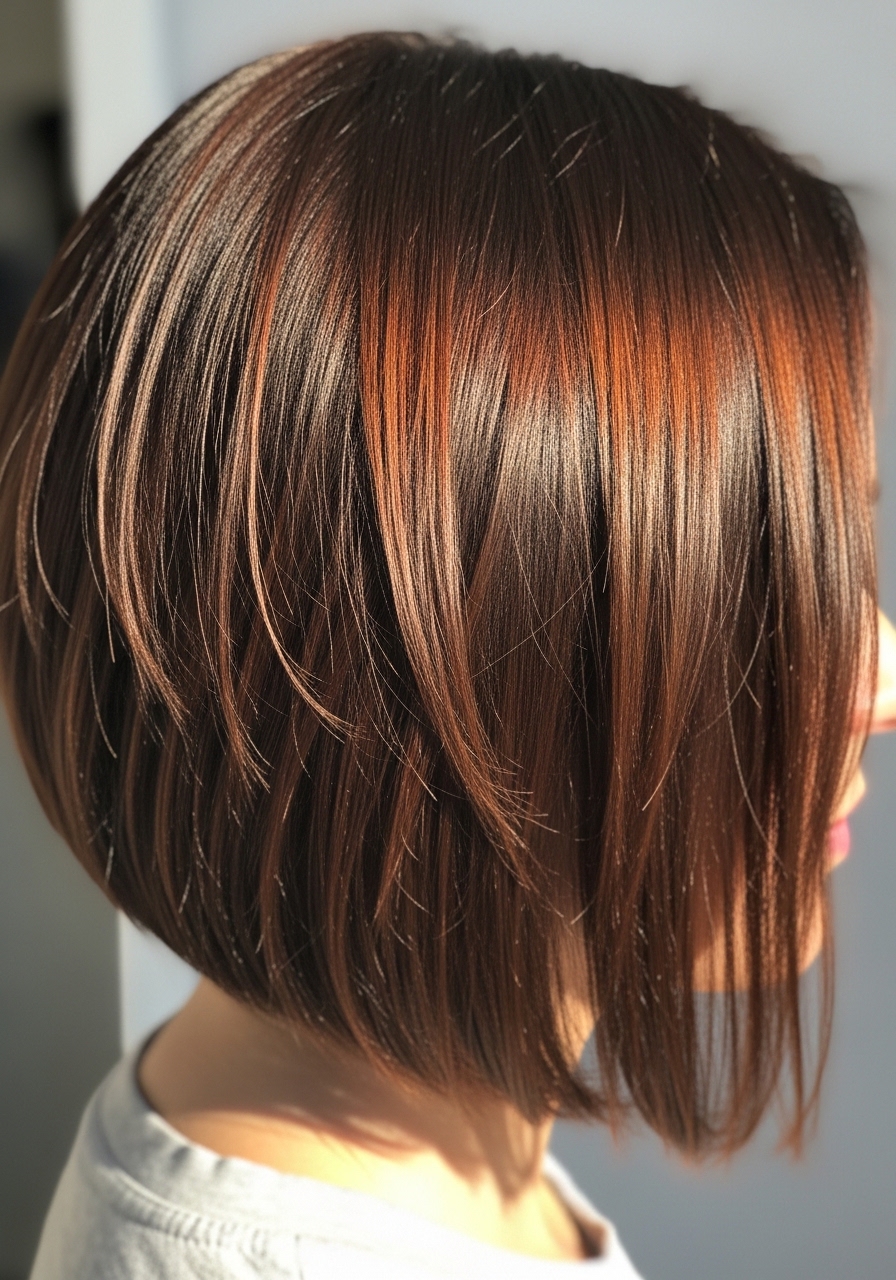
I was skeptical about adding warm tones to a deep brunette. The copper gloss on an espresso base warmed my skin and made my blue eyes look sharper. My mistake was overdoing the copper at home with a box gloss—ended up too brassy.
This combo suits thicker, coarser hair that can take shine. For finer hair, ask for a softer copper veil. My tip: ask for a demi-permanent gloss and book a tone-refresh every six weeks rather than home color fixes.
- Milk Chocolate With Cool Beige Undertones
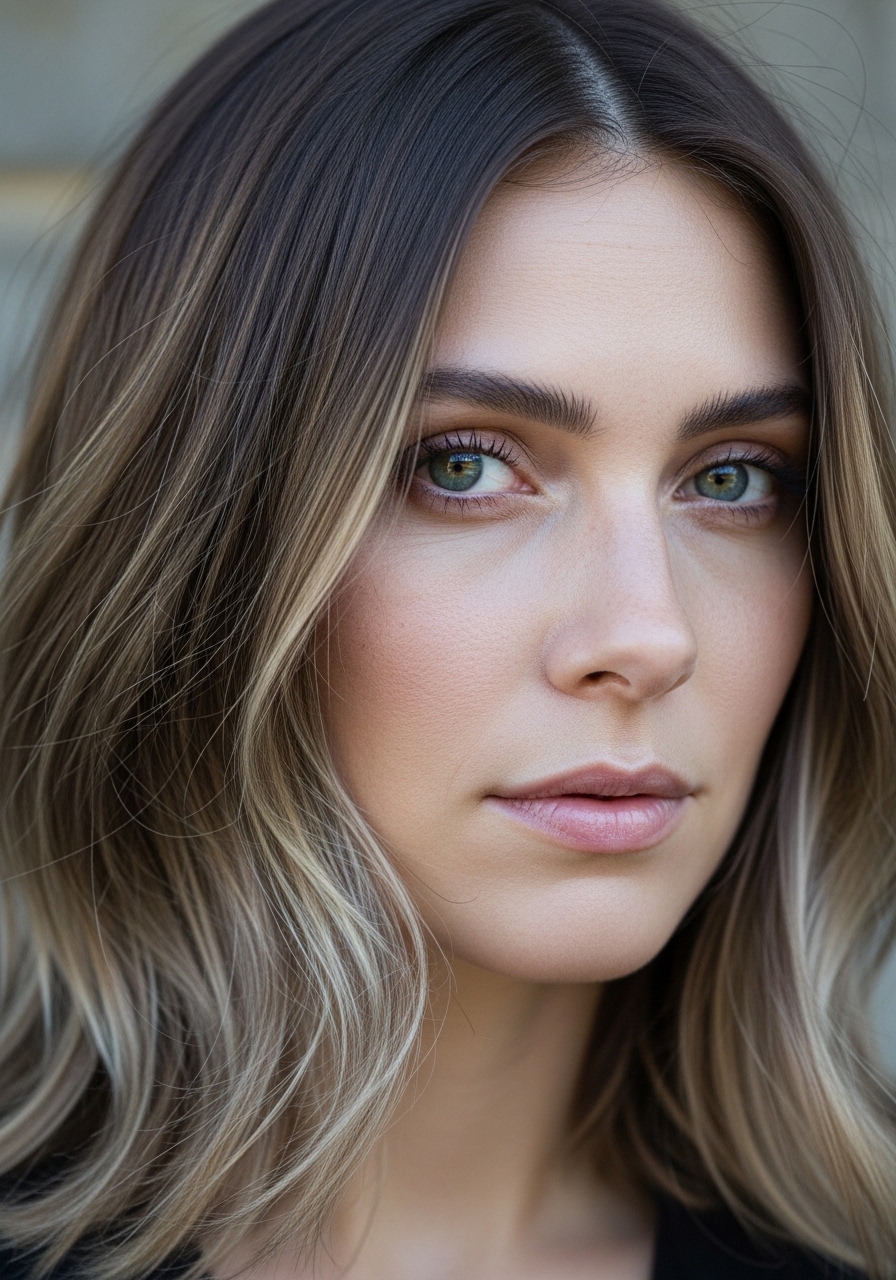
I picked a milk chocolate base because pure cools washed me out. The cool beige undertone balanced warmth and kept my blue eyes from looking harsh. In daylight it reads soft and clean; indoors it can flatten without movement.
This works on fine-to-medium hair. I learned to add soft layers for motion so the shade doesn’t look blocky. Tell your stylist you want “milk chocolate with a touch of beige,” and ask for movement at the ends.
- Caramel-Depth Brunette Ombre
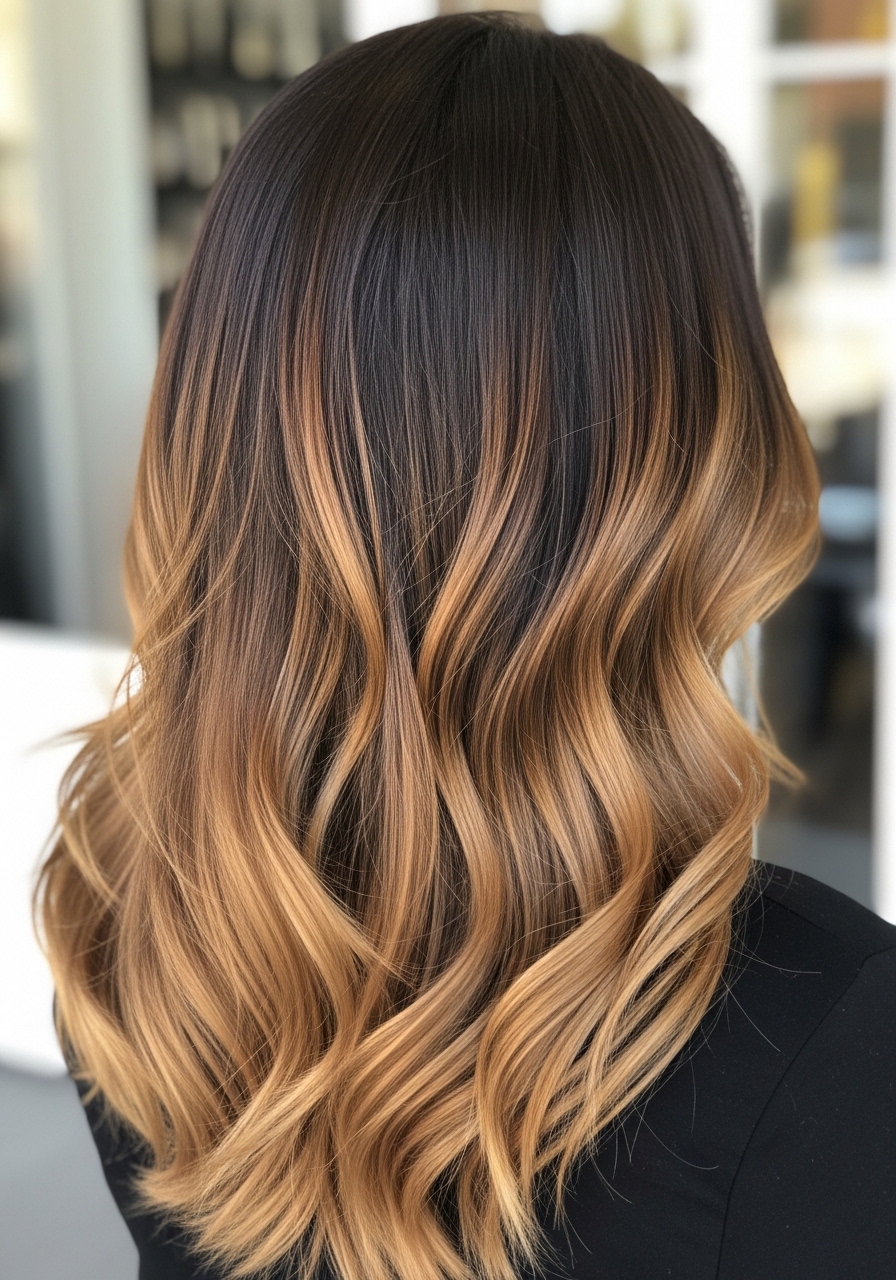
I tried ombre when I wanted low-maintenance color. The darker brown at the root with caramel ends brightened my eyes and required fewer trips to the salon. Early on I made the mistake of asking for too blonde ends; they looked disconnected.
Caramel-depth ombre is forgiving for busy people and for thicker hair. For thin hair, keep the lightening subtle to avoid a stripy look. I always tell my stylist to feather the transition and stop one or two shades darker than my original plan.
- Neutral Cocoa With Short Textured Bob
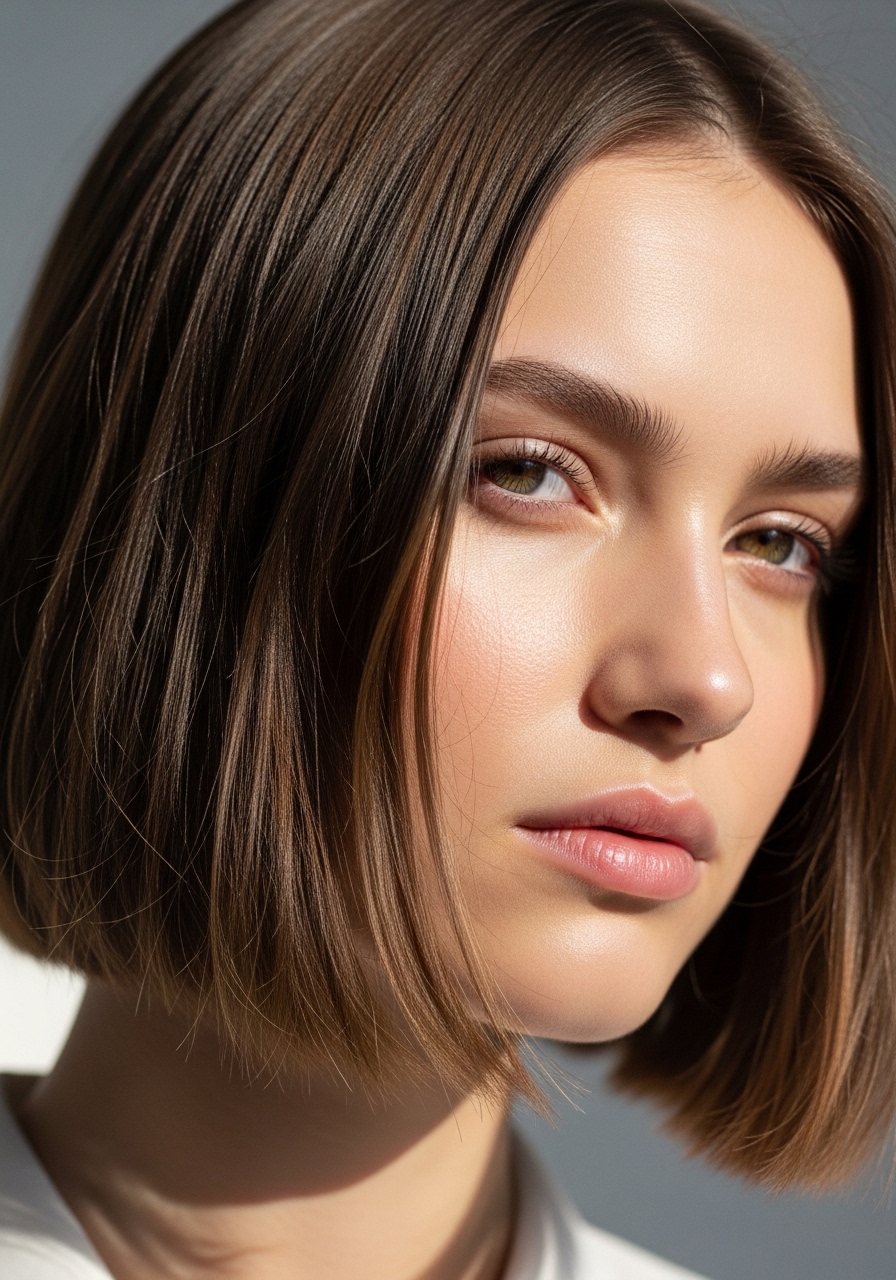
I chopped my hair into a short bob and chose a neutral cocoa to avoid too-warm or too-cool. The color kept my blue eyes central without competing. The cut gives lift at the jaw and keeps things modern.
It behaves well through second-day hair if I use dry shampoo and a matte paste. On thick hair, I asked for interior thinning so it wouldn’t puff out. Tip to stylist: “neutral cocoa, no warmth, keep the ends blunt and lightly texturized.”
- Brunette with Honey Lowlights and Sun-Kissed Ends
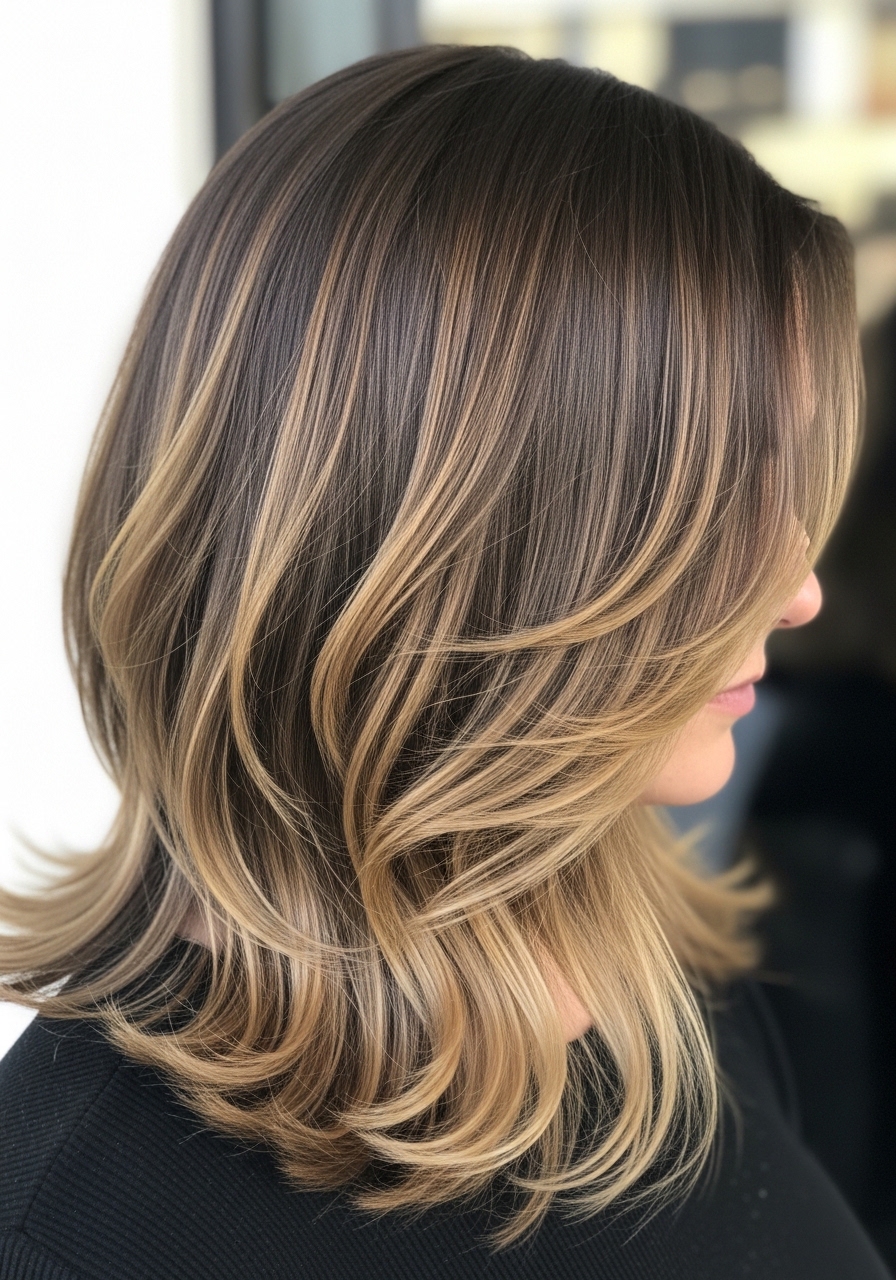
I wanted depth without a full highlight. Honey lowlights and softer sun-kissed ends did the trick. At first, I worried the ends would be too warm. They mellowed after a couple washes and read natural next to my blue eyes.
This is great on wavy textures. It adds dimension without high maintenance. Tell your stylist you want depth at the roots and warmth at the ends, and ask them to blend so there’s no banding as it grows.
- Auburn-Tinged Brunette for Cooler Skin Tones
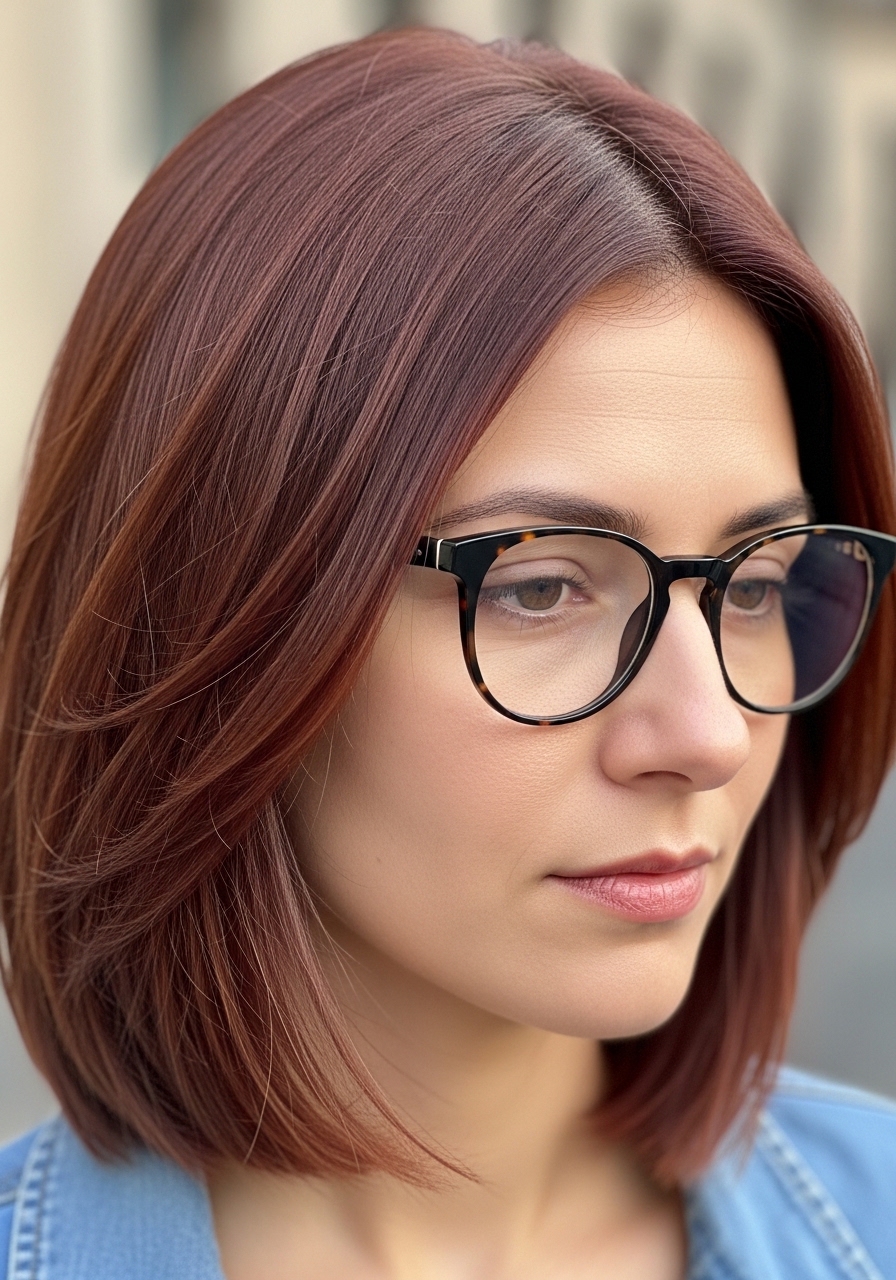
I added a hint of auburn to my brunette because my skin is cool and my eyes needed contrast. It warmed the face subtly and made the blue pop without looking like red hair. The trick is moderation—too much red can dominate.
It works on straight and wavy hair. I once let the red sit too long during a gloss and ended up with a stronger tone than I wanted. My request now is “very subtle auburn undertone” and a demi gloss, not permanent red.
- Sable Brown with Soft Flicked Ends
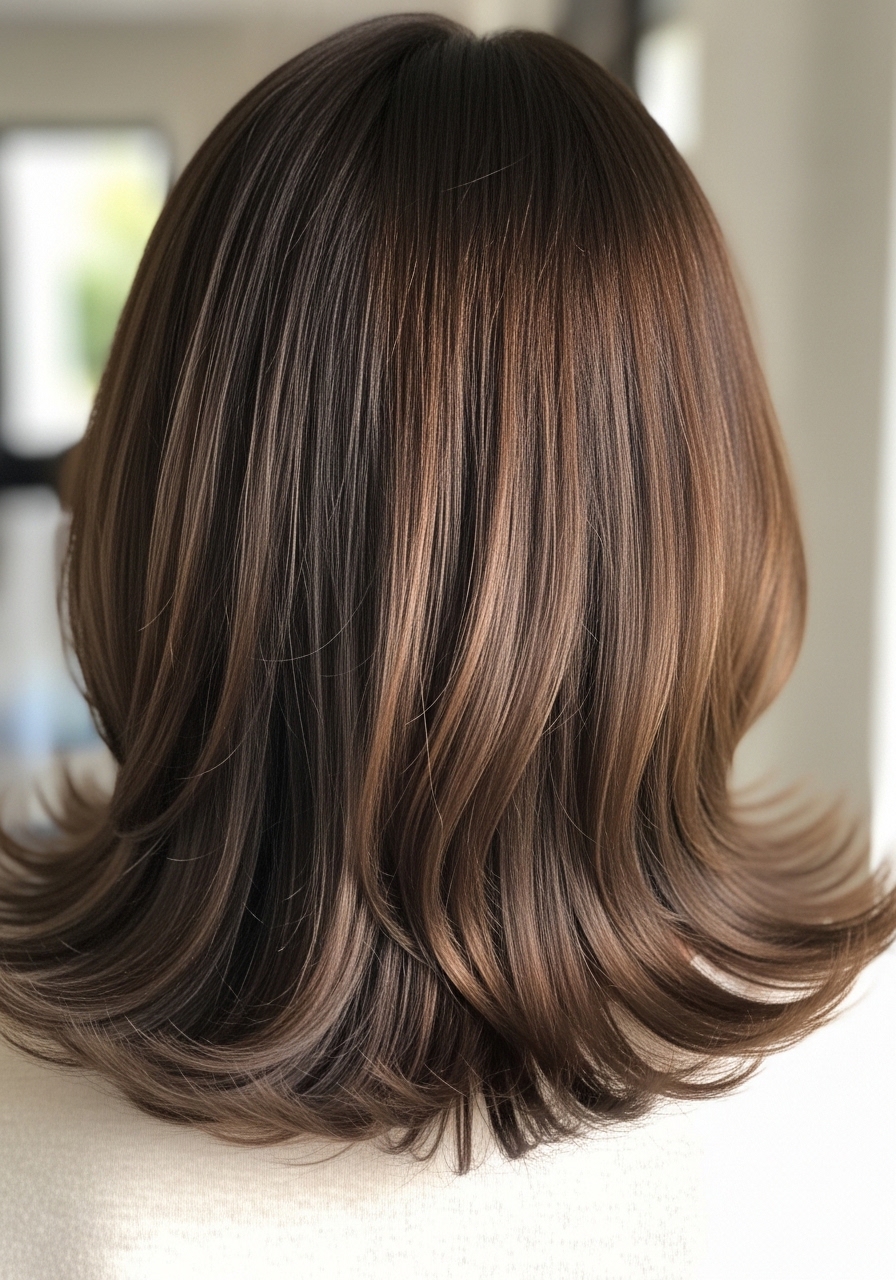
I asked for sable brown and a gentle flick at the ends to add personality. The flicks frame my neck and nudge attention up to my eyes. The first cut had too-sharp layers; they flicked out unpredictably in humidity.
This shade and shape suit medium-thickness hair. My tip to the stylist: “soft flicks, no heavy layering.” I use a small round brush and a quick blast of low heat to set the flicks each morning.
- Chestnut Rose Brown — Subtle Red in the Brown
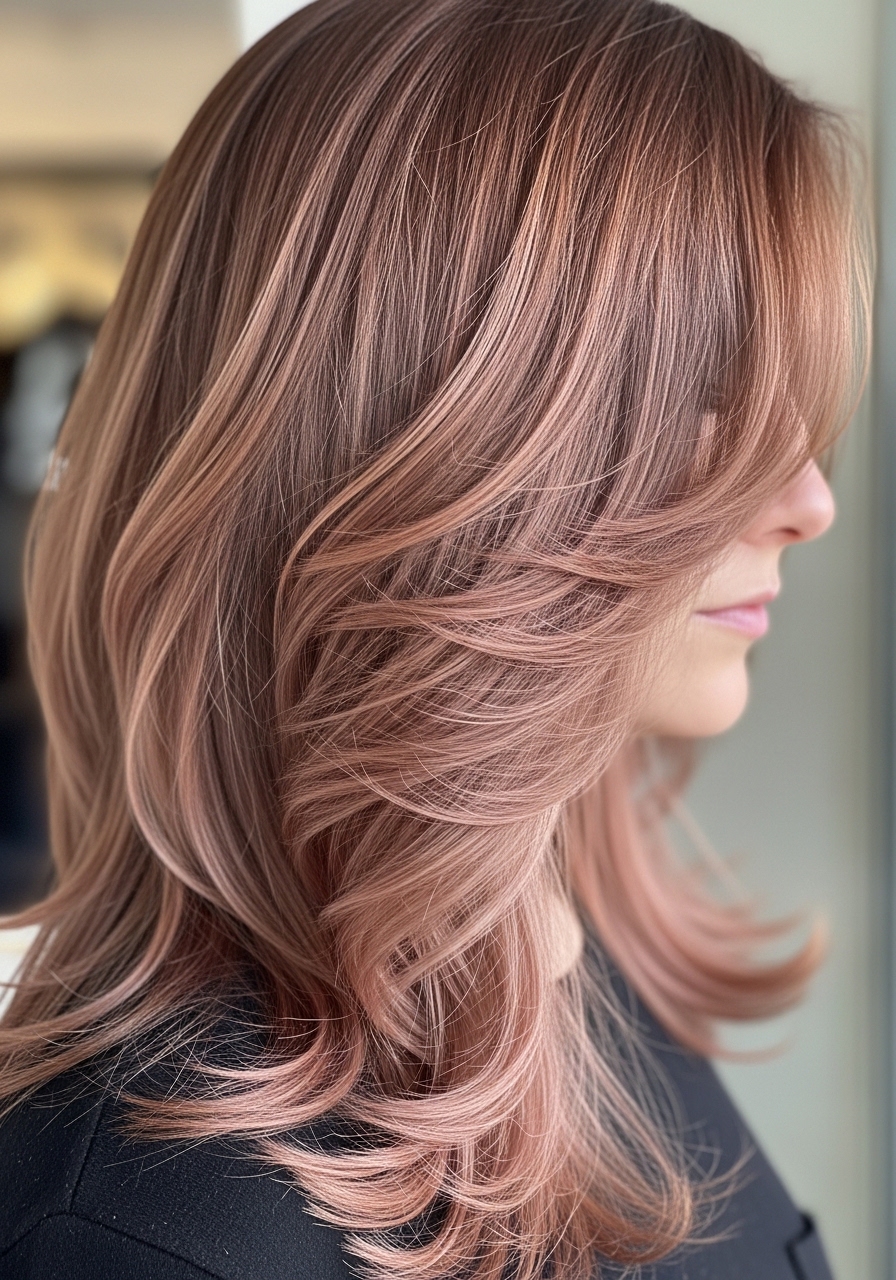
I flirted with red without committing. Chestnut rose brown gave my brunette a faint rosy glow. It’s less red than it looks in salon lights but catches sun in a flattering way that enhances blue eyes.
It fades slowly, so I touch it up less often. On my hair, the rose tones needed a neutral gloss after a month or they looked muddy. Say “warm chestnut with a hint of rose” and ask for a demi gloss to control intensity.
- Dark Walnut with Soft Face-Lighting Layers
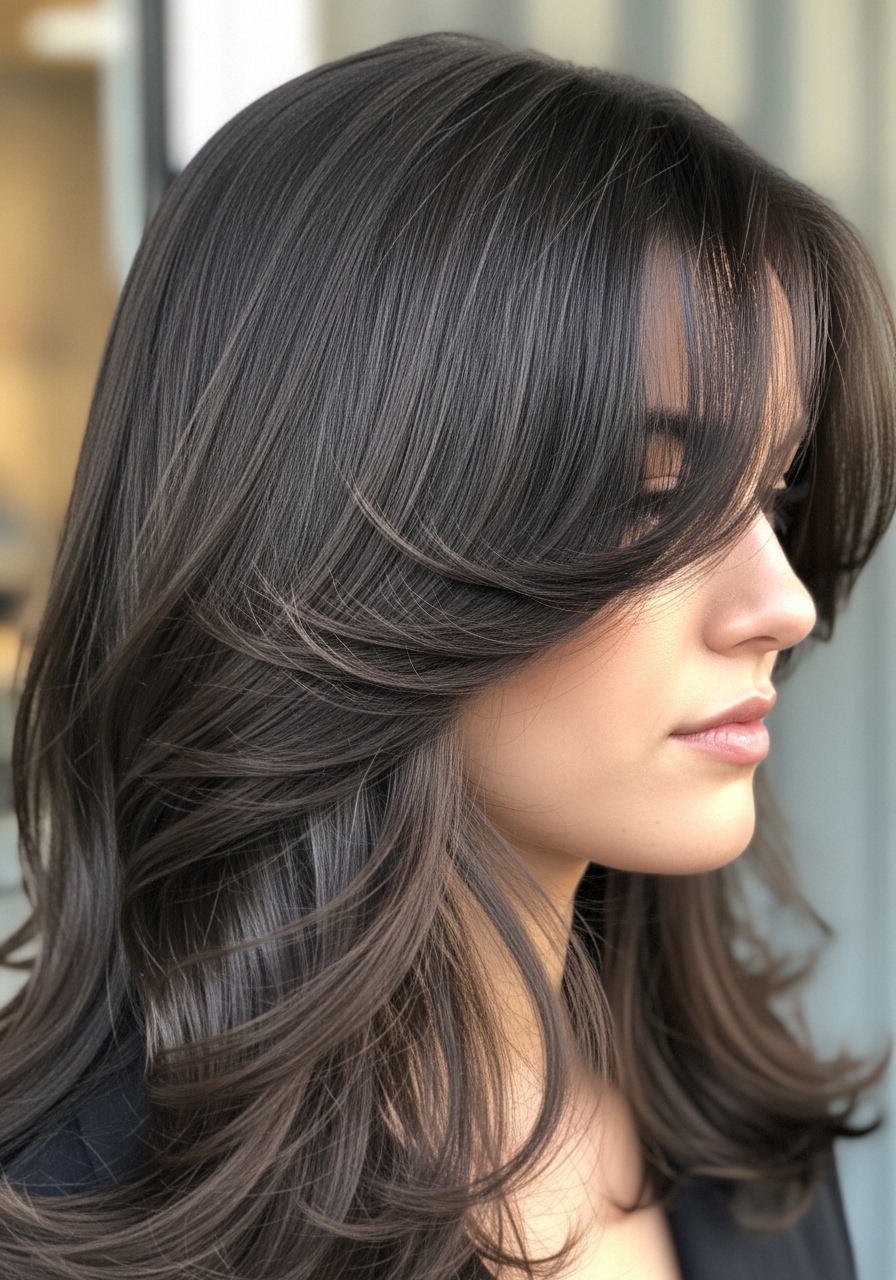
I chose dark walnut because I wanted depth that wasn’t black. Face-lighting layers brought movement and framed my blue eyes gently. The layers keep my hair from looking heavy, especially on rainy days.
It’s a steady color for all seasons. I learned to avoid too many layers; the wrong balance made it look choppy after washing. Tell your stylist to keep the layers long and soft and to place them where your hair naturally parts.
- Lived-In Brunette with Ashy Underlights
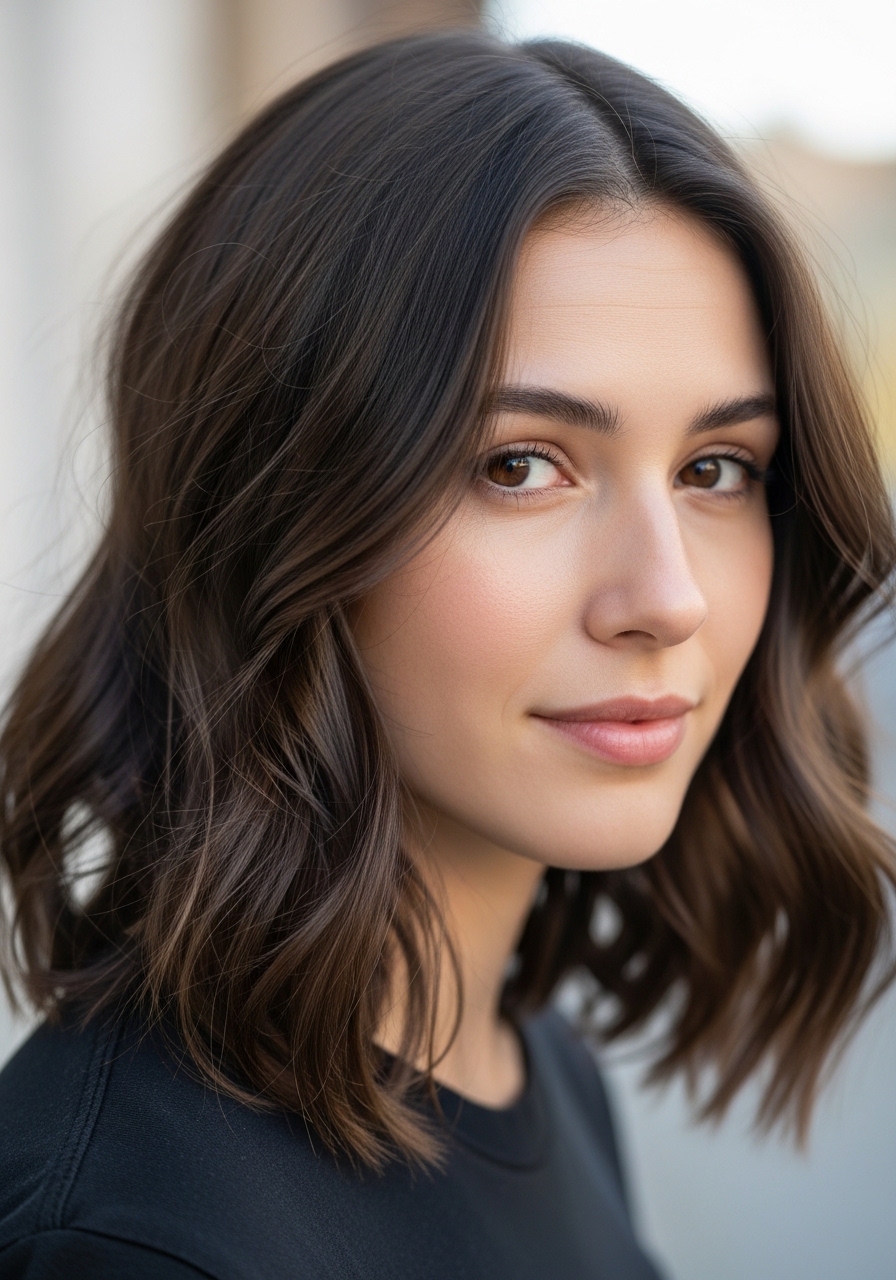
I wanted something unexpected but subtle. Lived-in brunette with ashy underlights gives dimension when hair moves and pulls the blue in my eyes without obvious color. Early on I regretted going too ashy; my skin read cooler than I expected.
This suits wavy and curly hair where the underlights peek through. I ask for narrow underlights under the top layer and request a pull-through placement so the ash shows when I tuck or flip my hair. It’s low fuss and wearable daily.